 Comprar impresión Comprar imagen en alta resolución
 Enviar
 Compartir
 Detalles
 Añadir a favoritos

 Descargar
 Similares
 Radiografía
 Presentación de diapositivas
Unity


 Ver más
Reproducción al óleo hecha a mano
Óleo sobre lienzo pintado a mano en el tamaño y marco de su elección, realizado por encargo por nuestros artistas.




































Elija entre nuestros tamaños predefinidos que respetan las proporciones originales de la obra.

Puede ingresar sus propias dimensiones para adaptarse a un marco o espacio específico. Si el tamaño seleccionado no coincide con las proporciones de la imagen original, recortaremos la obra o extenderemos la pintura con elementos adicionales pintados a mano. Se le enviará una maqueta digital para su aprobación antes de comenzar la producción.
Tenga en cuenta que la vista previa en pantalla no refleja el recorte o la extensión reales. Solo la maqueta mostrará con precisión la composición final.
Si bien existen tamaños personalizados, recomendamos seleccionar una dimensión de la lista predefinida para preservar las proporciones originales.
Tras realizar el pedido, el equipo de OriginalUniqueArt.com enviará un correo electrónico al cliente para solicitar instrucciones y proporcionarle una vista previa del boceto.
Entrega mundial () en 3-4 semanas en lugar de las 5 semanas estándar. (19 julio). Sin compromisos con la calidad.

Envío exprés gratuito a todo el mundo

Lienzo de lino de alta calidad

Seguro de envío total

Garantía de reembolso de impuestos aduaneros

Garantía de fidelidad de color

Política de devolución de 60 días (solo por defectos)

Garantía de devolución del 100% del dinero

Descuento por pedido múltiple
 La opción de vidrio solo está disponible en tamaños inferiores a 110 cm.

Unity
Técnica de reproducción
Tamaño de la reproducción
-


Precio total final
-
Descripción de la obra
A Symphony of Human Connection
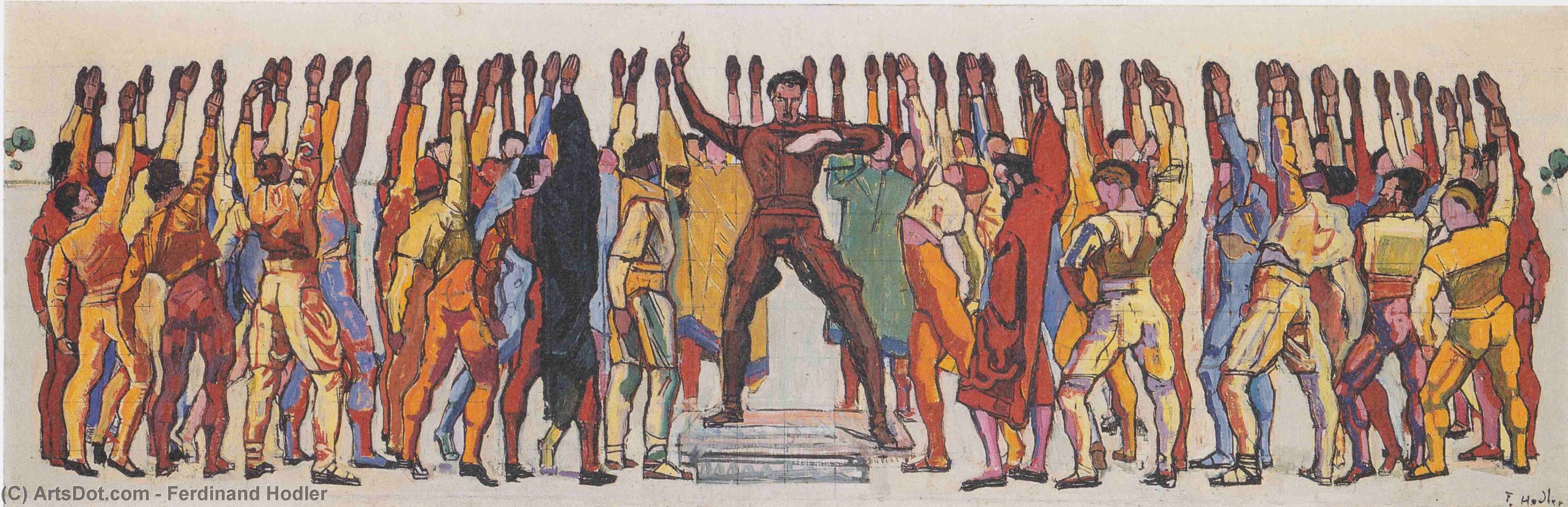
In the monumental mural Unity, created in 1911, Ferdinand Hodler presents a profound meditation on the collective human spirit. This expansive work, stretching across an impressive scale, transcends mere portraiture to become a rhythmic tapestry of existence. The composition is masterfully arranged in rows of figures that seem to pulse with a shared vitality; some individuals press toward the foreground with palpable presence, while others recede into the background, creating a sense of depth that draws the viewer into their communal orbit. Each figure, meticulously rendered with distinct features and emotive expressions, contributes to a larger, singular heartbeat. As eyes wander across the canvas, one notices the subtle details—the gentle grip on a bowl, the quiet posture of a cup held in hand—elements that ground this grand symbolic vision in the intimate realities of daily life.
The technique employed by Hodler is a testament to his pioneering concept of parallelism, a stylistic hallmark where repetitive forms and rhythmic arrangements create a sense of structural harmony. In Unity, this is achieved through the deliberate placement of bodies and limbs that echo one another, weaving a visual cadence that guides the viewer's gaze through the crowd. The artist’s brushwork, though detailed enough to capture the unique character of each face, serves a higher purpose: to unify the disparate individuals into a cohesive whole. This balance between individual identity and collective rhythm is what makes the mural so captivating for the modern observer, offering a visual language that speaks of both the singular soul and the strength found in togetherness.
Symbolism and the Weight of History
To understand Unity, one must look into the soul of Ferdinand Hodler himself. Born in Bern, Switzerland, his early life was marked by the profound tragedy of losing his father and two brothers, a series of losses that deeply embedded themes of mortality and the interconnectedness of life within his psyche. In this mural, the concept of unity is not merely a social ideal but a spiritual necessity. The figures do not stand in isolation; they are bound by an invisible thread of shared destiny. The painting serves as a powerful symbol of how individual lives, despite their unique struggles and varied roles, contribute to the enduring fabric of humanity. For collectors and enthusiasts, this piece offers more than aesthetic beauty; it provides a philosophical anchor, reflecting the eternal search for harmony in an often fragmented world.
For interior designers and curators of fine art, a high-quality reproduction of Unity serves as a commanding focal point that breathes life into any space. Its large-scale presence and rich, symbolic narrative make it an ideal choice for grand halls, libraries, or sophisticated living environments where conversation and contemplation are encouraged. The mural’s ability to evoke a sense of peace and structural order makes it a versatile masterpiece, capable of anchoring a room with its historical weight while providing a window into the profound beauty of human solidarity.
Biografía del artista
Primeros años y formación artística
Ferdinand Hodler, pintor suizo, nació el 14 de marzo de 1853 en Berna, Suiza. Sus primeras obras se caracterizaron por retratos, paisajes y pinturas de género en un estilo realista. Sin embargo, posteriormente adoptó una forma personal de simbolismo, que él denominó "paralelismo".Evolución del estilo de Hodler
A medida que avanzaba la carrera de Hodler, su obra evolucionó para combinar influencias de varios géneros, incluyendo el simbolismo y el art nouveau. En 1890, completó Noche, una pintura que marcó su transición hacia la imaginería simbolista. Esta pieza, que presenta varias figuras reclinadas, fue inicialmente recibida con controversia pero finalmente obtuvo atención favorable en París.Obras destacadas y colecciones
- El Día (1893), una pintura histórica a gran escala, es un ejemplo notable del trabajo de Hodler. Esta pieza, expuesta en el Kunsthaus Zúrich, demuestra su mezcla única de simbolismo y realismo.
- El Museo Kunsthaus Zúrich, Suiza, cuenta con una impresionante colección de obras de Hodler, incluyendo Verdad II (1897), que puede ser vista en [https://OriginalUniqueArt.com/art.nsf/o/a@d3b4gt](https://OriginalUniqueArt.com/art.nsf/o/a@d3b4gt).
Legado e influencia
La adopción del simbolismo por parte de Hodler y el desarrollo del "paralelismo" han tenido un impacto duradero en el mundo del arte. Su trabajo puede verse como un precursor del expresionismo, con su énfasis en figuras fuertemente coloreadas y geométricas.- La biografía de Ferdinand Hodler está disponible en OriginalUniqueArt, proporcionando una visión profunda de su vida y evolución artística.
- La historia del desnudo en el arte, que ha sido un tema de interés a lo largo de la carrera de Hodler, puede explorarse más a fondo en [https://en.wikipedia.org/wiki/history_of_the_nude_in_art](https://en.wikipedia.org/wiki/history_of_the_nude_in_art).
Fechas clave
- 1853: Nació en Berna, Suiza
- 1890: Completó Noche, marcando su transición hacia la imaginería simbolista
- 1918: Falleció el 19 de mayo
- https://OriginalUniqueArt.com/@@/d3xnx9-ferdinand-hodler-the-day para ver El Día (1893)
- https://en.wikipedia.org/wiki/ferdinand_hodler para una biografía completa de Ferdinand Hodler
- https://OriginalUniqueArt.com/@/ferdinand-hodler para una extensa colección de sus obras y una biografía detallada.
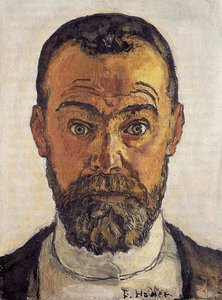
Ferdinand Hodler
1853 - 1918 , Suiza
Datos clave
- Artistas Que Influyeron:
- Alexandre Calame
- Gustave Courbet
- Hans Holbein
- Fecha De Muerte: 19 de mayo de 1918
- Fecha De Nacimiento: 14 de marzo de 1853
- Influencia En Artistas: ['Expresionismo']
- Lugar De Nacimiento: Bern, Suiza
- Movimiento Artístico: Simbolismo, Art Nouveau
- Nacionalidad: Suizo
- Nombre Completo: Ferdinand Hodler
- Obras Notables:
- La noche
- El día
- Verdad II
Artículos relacionados

¿Murales en Cocinas y Baños? La Nueva Tendencia del Diseño de Interiores de Lujo
Descubre la tendencia de los murales en baños y cocinas. Expertos en diseño te guían para transformar tus espacios con arte impermeable y personalizado. ¡Encuentra inspiración y soluciones únicas!

Tendencias Murales 2024: Del Realismo Salvaje a la Geometría Dorada
Descubre las tendencias más solicitadas en murales para hoteles. Expertos en diseño y arte te guían para transformar tu espacio con obras únicas. ¡Encuentra inspiración y soluciones personalizadas!

Ferdinand Hodler: Symbolism, Parallelism & the Quest for Universal Harmony
Explore the captivating world of Ferdinand Hodler, Swiss Symbolist painter renowned for his evocative landscapes & pioneering 'parallelism'. Discover his life, key works, and lasting influence on art history. Own a hand-painted reproduction today!
¿Cómo un Mural Personalizado Define la Identidad Visual de su Marca?
Descubra cómo un mural personalizado puede transformar la identidad de su marca. Expertos en diseño y arte para espacios comerciales. : calidad, personalización y soluciones exclusivas.
¿Murales como Pilar del Diseño Interior? Transformando Espacios con Arte Central
Descubre cómo los murales transforman espacios con arte central. Expertos en diseño de interiores te guían para crear ambientes únicos y sofisticados. ¡Inspírate!