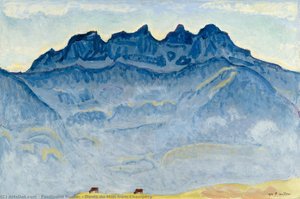
Vista previa
 Compartir
 Compartir
 Ver detalles
 Guía
Guía

 Descargar
 Ver artículos similares
 Radiografía
 Presentación de diapositivas
 Estadísticas
The shoemaker
 Óleo sobre lienzo
- Arte de pared
- Symbolism
 1878
1878- Siglo XIX
 46.0 x 38.0 cm
 Leer más
Reproducción al óleo hecha a mano
Óleo sobre lienzo pintado a mano en el tamaño y marco de su elección, realizado por encargo por nuestros artistas. ( Cambiar a formato impreso Ver versión en imagen digital)




P118B €10

P118H €10

P118W €10

P438Z €10

P508JH €12

P508YH €12

P805H €10

P805Z €10

P919BZ €10

P919G €10

P919XJ €10

P959ZH €10

P968JZ €12

W106C €8

W218G €10

W218JH €8

W218Y €10

W307PJ €10

W316G €10

W316PJ €8

W316Y €10

W398PJ €8

W4111J €10

W500HY €15

W500JH €15

W692G €12

W849H €8

W940BG €15

W953PJ €8




Elija entre nuestros tamaños predefinidos que respetan las proporciones originales de la obra.

Escriba el ancho y el alto que necesite para adaptarse a su marco o a su pared. Al ser una obra pintada a mano, para un tamaño con una forma distinta, el artista puede pintar un poco más alrededor de la imagen o recortar un poco; usted elige. Le enviaremos una maqueta digital para su aprobación antes de comenzar la pintura. La imagen que se muestra en esta página no refleja el resultado real; solo la maqueta lo hace.
Tras realizar el pedido, el equipo de OriginalUniqueArt.com enviará un correo electrónico al cliente para solicitar instrucciones y proporcionarle una vista previa del boceto.
Envío a todo el mundo () en 3-4 semanas en lugar de las 5 semanas estándar. (22 octubre). Sin comprometer la calidad.

Envío exprés gratuito a todo el mundo

Lienzo de lino de alta calidad

Seguro de envío completo

Garantía de reembolso de impuestos aduaneros

Garantía de fidelidad cromática exacta

Política de devolución de 100 días (solo por defectos)

Garantía de devolución del 100% del dinero

Oferta por volumen
 La opción de vidrio solo está disponible en tamaños inferiores a 110 cm.

The shoemaker
Técnica de reproducción
Tamaño de la reproducción
-


Precio total
€ 263
A Portrait of Quiet Dedication: Ferdinand Hodler’s “The Shoemaker”
Ferdinand Hodler's "The Shoemaker," painted in 1878, is more than just a depiction of a craftsman at work; it’s a poignant meditation on labor, mortality, and the enduring value of traditional skills. This oil-on-canvas artwork, measuring 46 x 38 cm, offers a glimpse into the heart of a Swiss workshop, rendered with Hodler's signature blend of realism and symbolic suggestion. The scene unfolds with a quiet intensity – a solitary shoemaker, positioned slightly off-center to the right, meticulously repairing a shoe. His focused expression and deliberate movements speak volumes about dedication and the satisfaction derived from skilled manual labor.
Decoding Symbolism Through Technique
Hodler’s masterful technique is immediately apparent in the rich textures he achieves through visible brushstrokes. The rough grain of the wooden workbench, the supple surface of the leather being worked upon, and the sheen of the metal tools are all rendered with a tactile quality that invites the viewer to almost reach out and touch the scene. Lines play a crucial role, defining not just the shapes of objects but also the contours of the man’s body and the folds in his clothing. Geometric forms – rectangular shelves, square tools, and rounded human forms – contribute to a carefully constructed composition that balances realism with an underlying symbolic intent. The use of light, emanating from a window on the left, casts dramatic shadows, further emphasizing the subject's face and hands, drawing our attention to the core of this quiet narrative.
Historical Context and Artistic Influences
Painted in 1878, “The Shoemaker” reflects the broader artistic currents of the late 19th century. Hodler was a key figure within the Symbolist movement, which sought to evoke emotions and ideas rather than simply represent reality. While rooted in realism, his work incorporates elements of Impressionism through its emphasis on light and brushwork, creating an atmosphere that is both tangible and imbued with feeling. The piece’s color palette – dominated by browns, greens, and muted yellows – contributes to a warm, nostalgic mood, reminiscent of the artisan's workshop and hinting at a connection to Switzerland’s rich tradition of craftsmanship.
A Legacy of Craftsmanship and Reflection
Beyond its aesthetic qualities, “The Shoemaker” carries a profound symbolic weight. It represents not only the practical skill of shoemaking but also the dignity of manual labor and the quiet dedication required for mastery. Given Hodler’s own life marked by early loss, the image can be interpreted as a reflection on mortality and the fleeting nature of existence – themes that resonate throughout his oeuvre. This artwork offers a compelling glimpse into a bygone era, inviting us to contemplate the value of tradition, skill, and the enduring human connection to the tangible world.
Preguntas y respuestas
¿Cuándo y con qué materiales se realizó "The shoemaker"?
"The shoemaker" fue creada en 1878 mediante la técnica de Óleo sobre lienzo. El material y la fecha describen cómo y cuándo se realizó la obra original.
¿De qué país proviene la obra del Symbolism "The shoemaker"?
La obra de Symbolism "The shoemaker" fue realizada por un artista nacido en Suiza.
¿En qué técnica está ejecutada "The shoemaker" de Ferdinand Hodler?
"The shoemaker" está ejecutada en Óleo sobre lienzo.
Biografía del artista
Primeros años y formación artística
Ferdinand Hodler, pintor suizo, nació el 14 de marzo de 1853 en Berna, Suiza. Sus primeras obras se caracterizaron por retratos, paisajes y pinturas de género en un estilo realista. Sin embargo, posteriormente adoptó una forma personal de simbolismo, que él denominó "paralelismo".Evolución del estilo de Hodler
A medida que avanzaba la carrera de Hodler, su obra evolucionó para combinar influencias de varios géneros, incluyendo el simbolismo y el art nouveau. En 1890, completó Noche, una pintura que marcó su transición hacia la imaginería simbolista. Esta pieza, que presenta varias figuras reclinadas, fue inicialmente recibida con controversia pero finalmente obtuvo atención favorable en París.Obras destacadas y colecciones
- El Día (1893), una pintura histórica a gran escala, es un ejemplo notable del trabajo de Hodler. Esta pieza, expuesta en el Kunsthaus Zúrich, demuestra su mezcla única de simbolismo y realismo.
- El Museo Kunsthaus Zúrich, Suiza, cuenta con una impresionante colección de obras de Hodler, incluyendo Verdad II (1897), que puede ser vista en /es/art/show/art-d3b4gt-es/
Legado e influencia
La adopción del simbolismo por parte de Hodler y el desarrollo del "paralelismo" han tenido un impacto duradero en el mundo del arte. Su trabajo puede verse como un precursor del expresionismo, con su énfasis en figuras fuertemente coloreadas y geométricas.- La biografía de Ferdinand Hodler está disponible en OriginalUniqueArt, proporcionando una visión profunda de su vida y evolución artística.
- La historia del desnudo en el arte, que ha sido un tema de interés a lo largo de la carrera de Hodler, puede explorarse más a fondo en [https://en.wikipedia.org/wiki/history_of_the_nude_in_art](https://en.wikipedia.org/wiki/history_of_the_nude_in_art).
Fechas clave
- 1853: Nació en Berna, Suiza
- 1890: Completó Noche, marcando su transición hacia la imaginería simbolista
- 1918: Falleció el 19 de mayo
- https://OriginalUniqueArt.com/@@/d3xnx9-ferdinand-hodler-the-day para ver El Día (1893)
- https://en.wikipedia.org/wiki/ferdinand_hodler para una biografía completa de Ferdinand Hodler
- https://OriginalUniqueArt.com/@/ferdinand-hodler para una extensa colección de sus obras y una biografía detallada.
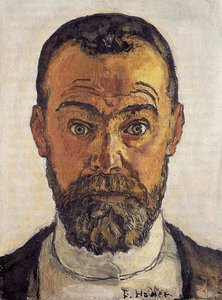
Ferdinand Hodler
1853 - 1918 , Suiza
Datos clave
- Artistas Que Influyeron:
- Alexandre Calame
- Gustave Courbet
- Hans Holbein
- Fecha De Muerte: 19 de mayo de 1918
- Fecha De Nacimiento: 14 de marzo de 1853
- Influencia En Artistas: ['Expresionismo']
- Lugar De Nacimiento: Bern, Suiza
- Movimiento Artístico: Simbolismo, Art Nouveau
- Nacionalidad: Suizo
- Nombre Completo: Ferdinand Hodler
- Obras Notables:
- La noche
- El día
- Verdad II
Artículos relacionados

The Enduring Power of Painting: A Historical & Contemporary Exploration of Form and Emotion
Explore the rich history & enduring techniques of oil painting with OriginalUniqueArt. Discover masterpieces, learn about art collecting, and find authentic handmade reproductions crafted by skilled artists.

Ferdinand Hodler: Symbolism, Parallelism & the Quest for Universal Harmony
Explore the captivating world of Ferdinand Hodler, Swiss Symbolist painter renowned for his evocative landscapes & pioneering 'parallelism'. Discover his life, key works, and lasting influence on art history. Own a hand-painted reproduction today!

The Enduring Legacy of Oil on Canvas: Technique, History & Aesthetic Impact
Explore the rich history & techniques of oil painting – from Renaissance masters to Impressionism. Discover pigments, layering methods, and why this timeless medium endures. Expert insights for artists & art enthusiasts.

El Óleo sobre Lienzo: Historia, Técnica y la Persistencia de un Medio Artístico Atemporal
Descubre la historia y técnica del óleo sobre lienzo. Explora reproducciones fieles hechas a mano, personalización artística y consejos de expertos con OriginalUniqueArt. ¡Colecciona arte con confianza!

El Legado Duradero del Óleo sobre Lienzo: Técnica, Historia y Práctica Contemporánea
Descubre la historia y técnica del óleo sobre lienzo. Explora reproducciones fieles hechas a mano, personalización artística y consejos de expertos con .