Ver en contexto
 Enviar
 Compartir
 Detalles

 Descargar
 Similares
 Radiografía
 Presentación de diapositivas
 Estadísticas
Retrato de Berthe Hodler
 Acrílico sobre lienzo
- Arte de pared
- Symbolic Expressionism
 1902
1902 31.0 x 27.0 cm
 Galería Nacional de Bosnia y Herzegovina
 Ver más
Giclée / Impresión de arte
Impresiones giclée o en lienzo de calidad de museo con producción rápida y opciones de acabado flexibles. ( Comprar pintura hecha a mano Cambiar a imagen digital)




P118B $10

P118H $10

P118W $10

P438Z $10

P508JH $12

P508YH $12

P805H $10

P805Z $10

P919BZ $10

P919G $10

P919XJ $10

P959ZH $10

P968JZ $12

W106C $8

W218G $10

W218JH $8

W218Y $10

W307PJ $10

W316G $10

W316PJ $8

W316Y $10

W398PJ $8

W4111J $10

W500HY $15

W500JH $15

W692G $12

W849H $8

W940BG $15

W953PJ $8




Elija entre nuestros tamaños predefinidos que respetan las proporciones originales de la obra.

Puede introducir sus propias dimensiones para adaptarse a un marco o espacio específico. Si el tamaño seleccionado no coincide con las proporciones de la imagen original, recortaremos la obra de arte o extenderemos la imagen con un borde con efecto espejo o de color sólido. Se enviará una maqueta digital para su aprobación antes de que comience la producción.
Tenga en cuenta que la vista previa en pantalla no refleja el recorte o la extensión real. Solo la maqueta mostrará con precisión la composición final.
Aunque existen tamaños personalizados, recomendamos seleccionar una dimensión de la lista predefinida para preservar las proporciones originales.
Envío a todo el mundo () en 2 semanas en lugar de las 4/5 semanas estándar. (11 septiembre)

Envío exprés gratuito a todo el mundo

Lienzo de lino de alta calidad

Seguro de envío total

Garantía de reembolso de impuestos aduaneros

Garantía de fidelidad cromática exacta

Política de devolución de 100 días (solo por defectos)

Garantía de devolución del 100% del dinero

Descuento por cantidad
 La opción de vidrio solo está disponible en tamaños inferiores a 110 cm.

Retrato de Berthe Hodler
Giclée / Impresión de arte
Dimensiones de la reproducción
-


Precio total final
$ 80
A Portrait Steeped in Symbolism: Ferdinand Hodler’s Berthe Hodler
Ferdinand Hodler, a name inextricably linked to the landscape of Swiss painting and the evocative realm of symbolism, ascended from humble origins to become one of the most influential artists of the late 19th and early 200th centuries. Born in Bern, Switzerland, in 1853, his formative years were marked by profound sorrow – a recurring motif that would permeate his artistic sensibility and imbue his canvases with an unsettling contemplation of mortality. The premature passing of his father and two younger brothers before he attained adolescence instilled within him a deep awareness of life’s fragility and fueled his unwavering fascination with the sublime beauty of nature, experiences which would become foundational to his artistic journey. Hodler's initial apprenticeship as a decorative painter honed his technical skills but swiftly ignited within him an ardent desire for formal training and artistic exploration beyond the confines of commercial commissions. Recognizing the limitations of conventional craftsmanship, he pursued rigorous studies at Zurich Kunstakademie, immersing himself in Impressionist influences while simultaneously cultivating his own distinctive vision—a synthesis that would ultimately define his groundbreaking contribution to Swiss art history. This pursuit of knowledge solidified his belief in the transformative power of observation and encouraged him to delve into the complexities of human emotion through meticulously rendered portraits.- Subject Matter: The portrait depicts Berthe Hodler, Ferdinand’s wife, capturing her serene gaze with remarkable sensitivity.
- Style: Hodler's style embodies a blend of Impressionism and Symbolism, prioritizing atmospheric effects alongside expressive gestures and subtle symbolic representations.
- Historical Context: Created in 1902, “Berthe Hodler” emerged during a period of artistic ferment—the Belle Époque—characterized by optimism, technological advancement, and burgeoning cultural dynamism. However, beneath the veneer of prosperity lay anxieties concerning social upheaval and existential uncertainty.
- Symbolism: The portrait’s symbolism transcends literal depiction; the woman's gaze embodies serenity and acceptance, reflecting Hodler’s own preoccupation with themes of death and rebirth—recurring motifs in his oeuvre.
Biografía del artista
Primeros años y formación artística
Ferdinand Hodler, pintor suizo, nació el 14 de marzo de 1853 en Berna, Suiza. Sus primeras obras se caracterizaron por retratos, paisajes y pinturas de género en un estilo realista. Sin embargo, posteriormente adoptó una forma personal de simbolismo, que él denominó "paralelismo".Evolución del estilo de Hodler
A medida que avanzaba la carrera de Hodler, su obra evolucionó para combinar influencias de varios géneros, incluyendo el simbolismo y el art nouveau. En 1890, completó Noche, una pintura que marcó su transición hacia la imaginería simbolista. Esta pieza, que presenta varias figuras reclinadas, fue inicialmente recibida con controversia pero finalmente obtuvo atención favorable en París.Obras destacadas y colecciones
- El Día (1893), una pintura histórica a gran escala, es un ejemplo notable del trabajo de Hodler. Esta pieza, expuesta en el Kunsthaus Zúrich, demuestra su mezcla única de simbolismo y realismo.
- El Museo Kunsthaus Zúrich, Suiza, cuenta con una impresionante colección de obras de Hodler, incluyendo Verdad II (1897), que puede ser vista en /es/art/show/art-d3b4gt-es/
Legado e influencia
La adopción del simbolismo por parte de Hodler y el desarrollo del "paralelismo" han tenido un impacto duradero en el mundo del arte. Su trabajo puede verse como un precursor del expresionismo, con su énfasis en figuras fuertemente coloreadas y geométricas.- La biografía de Ferdinand Hodler está disponible en OriginalUniqueArt, proporcionando una visión profunda de su vida y evolución artística.
- La historia del desnudo en el arte, que ha sido un tema de interés a lo largo de la carrera de Hodler, puede explorarse más a fondo en [https://en.wikipedia.org/wiki/history_of_the_nude_in_art](https://en.wikipedia.org/wiki/history_of_the_nude_in_art).
Fechas clave
- 1853: Nació en Berna, Suiza
- 1890: Completó Noche, marcando su transición hacia la imaginería simbolista
- 1918: Falleció el 19 de mayo
- https://OriginalUniqueArt.com/@@/d3xnx9-ferdinand-hodler-the-day para ver El Día (1893)
- https://en.wikipedia.org/wiki/ferdinand_hodler para una biografía completa de Ferdinand Hodler
- https://OriginalUniqueArt.com/@/ferdinand-hodler para una extensa colección de sus obras y una biografía detallada.
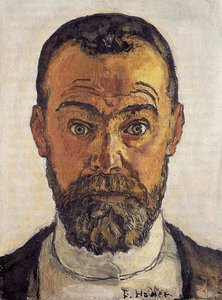
Ferdinand Hodler
1853 - 1918 , Suiza
Datos clave
- Artistas Que Influyeron:
- Alexandre Calame
- Gustave Courbet
- Hans Holbein
- Fecha De Muerte: 19 de mayo de 1918
- Fecha De Nacimiento: 14 de marzo de 1853
- Influencia En Artistas: ['Expresionismo']
- Lugar De Nacimiento: Bern, Suiza
- Movimiento Artístico: Simbolismo, Art Nouveau
- Nacionalidad: Suizo
- Nombre Completo: Ferdinand Hodler
- Obras Notables:
- La noche
- El día
- Verdad II
Artículos relacionados

Monochrome Visions: Exploring the Aesthetic & Historical Significance of Black & White Photography
Explore the rich history & artistic power of black and white photography. From early techniques to iconic masters like Ansel Adams, discover why monochrome continues to captivate art lovers today. Expert insights for collectors.

Las 10 Pinturas Más Famosas Dominadas por el Negro | Arte y Decoración
Descubre las 10 pinturas más impactantes dominadas por el negro. Explora obras maestras de Rembrandt, Goya y Rothko, su historia y significado. Encuentra reproducciones de arte exclusivas para transformar tu hogar en .

Ferdinand Hodler: Symbolism, Parallelism & the Quest for Universal Harmony
Explore the captivating world of Ferdinand Hodler, Swiss Symbolist painter renowned for his evocative landscapes & pioneering 'parallelism'. Discover his life, key works, and lasting influence on art history. Own a hand-painted reproduction today!
Shadow & Soul: Why Black & White Photography Remains the Ultimate Power Move in Modern Art
Discover why black & white photography remains a powerful force in contemporary art. Explore the impact of light, shadow, and texture through a visual journey of monochrome mastery and learn how to elevate your space with timeless grayscale aesthetics.

Blanco Sublime: Los 10 Cuadros Más Famosos Dominados por la Luz y el Color
Descubre los 10 cuadros blancos más emblemáticos de la historia del arte. Explora Monet, Van Gogh y Klimt, y su magistral uso de la luz y el color. Encuentra reproducciones de alta calidad e inspírate para tu decoración en .