Vista previa
 Compartir
 Compartir
 Ver detalles
 Guía
Guía

 Descargar
 Ver artículos similares
 Radiografía
 Presentación de diapositivas
 Estadísticas
El llamado del oficial
 Acrílico sobre lienzo
- Arte de pared
- Symbolic Expressionism
 1908
1908 38.0 x 14.0 cm
 Galería Nacional de Bosnia y Herzegovina
 Leer más
Giclée / Impresión de arte
Impresiones giclée o en lienzo de calidad de museo con producción rápida y opciones de acabado flexibles. ( Encargar reproducción pintada a mano Ver versión en imagen digital)




P118B $10

P118H $10

P118W $10

P438Z $10

P508JH $12

P508YH $12

P805H $10

P805Z $10

P919BZ $10

P919G $10

P919XJ $10

P959ZH $10

P968JZ $12

W106C $8

W218G $10

W218JH $8

W218Y $10

W307PJ $10

W316G $10

W316PJ $8

W316Y $10

W398PJ $8

W4111J $10

W500HY $15

W500JH $15

W692G $12

W849H $8

W940BG $15

W953PJ $8




Elija entre nuestros tamaños predefinidos que respetan las proporciones originales de la obra.

Puede introducir sus propias dimensiones para adaptarse a un marco o espacio específico. Si el tamaño seleccionado no coincide con las proporciones de la imagen original, recortaremos la obra de arte o extenderemos la imagen con un borde con efecto espejo o de color sólido. Se enviará una maqueta digital para su aprobación antes de que comience la producción.
Tenga en cuenta que la vista previa en pantalla no refleja el recorte o la extensión real. Solo la maqueta mostrará con precisión la composición final.
Aunque existen tamaños personalizados, recomendamos seleccionar una dimensión de la lista predefinida para preservar las proporciones originales.
Envío a todo el mundo () en 2 semanas en lugar de las 4/5 semanas estándar. (27 septiembre)

Envío exprés gratuito a todo el mundo

Lienzo de lino de alta calidad

Seguro de envío completo

Garantía de reembolso de impuestos aduaneros

Garantía de fidelidad cromática exacta

Política de devolución de 100 días (solo por defectos)

Garantía de devolución del 100% del dinero

Oferta por volumen
 La opción de vidrio solo está disponible en tamaños inferiores a 110 cm.

El llamado del oficial
Giclée / Impresión de arte
Tamaño de la reproducción
-


Precio total
$ 80
A Study in Quiet Reflection: Decoding Ferdinand Hodler’s “Officer Calling Charge”
The drawing, titled “Jena 1813,” embodies the core tenets of Ferdinand Hodler's distinctive artistic vision—a preoccupation with mortality and a profound appreciation for the sublime beauty of nature. Executed in 1908, this composition study offers a glimpse into Hodler’s creative process as he wrestled with capturing fleeting moments of human experience against a backdrop of serene landscape. The artwork itself is deceptively simple: a solitary male figure dressed in military uniform stands rigidly upright, his gaze averted from the viewer's perspective. He holds a cup delicately in his right hand, suggesting an act of contemplation rather than immediate consumption.- Style & Technique: Hodler’s signature style—characterized by its muted palette and flattened planes—is evident throughout “Officer Calling Charge.” Employing charcoal on paper, he achieved remarkable tonal gradation using subtle shading techniques that prioritize atmosphere over precise detail. This deliberate reduction in realism aligns perfectly with the broader Symbolist movement's rejection of academic conventions.
- Historical Context: Hodler’s work emerged during a period of significant artistic experimentation and intellectual ferment within Switzerland. The Symbolists sought to express inner emotions and spiritual truths through evocative imagery, rejecting literal representation in favor of suggestive symbolism. “Jena 1813” reflects this ethos, mirroring the broader preoccupation with themes of solitude, remembrance, and the confrontation with death—common concerns within European art at the turn of the century.
Symbolism Beyond Surface Appearance
The seemingly unremarkable posture of the officer is laden with symbolic significance. The averted gaze speaks to a profound introspection, hinting at an awareness of existential anxieties – a direct consequence of Hodler’s own personal tragedies. The cup itself isn't merely an object; it represents stillness and contemplation—a pause amidst the tumult of life. Furthermore, the landscape surrounding the figure—implied but not explicitly depicted—functions as a conduit for spiritual reflection. Hodler skillfully utilizes tonal harmony to convey a sense of tranquility and timelessness, mirroring the Symbolist desire to transcend the mundane and access higher realms of consciousness.- Emotional Impact: “Officer Calling Charge” resonates with viewers on an emotional level due to its masterful portrayal of quiet melancholy. Hodler’s ability to distill complex psychological states into a single, carefully crafted image is testament to his artistic genius. The artwork invites contemplation about the human condition—the inevitability of loss and the importance of finding solace in beauty.
- Interior Design Considerations: Reproductions of “Officer Calling Charge” would lend themselves beautifully to minimalist interior spaces, particularly those emphasizing natural light and muted tones. Its understated elegance captures a mood of contemplative serenity – ideal for creating calming environments that inspire reflection.
Hodler’s Legacy & The Enduring Appeal of Symbolism
Ferdinand Hodler remains an artist whose work continues to captivate audiences today. His unwavering commitment to exploring the depths of human emotion and his masterful manipulation of tonal color solidified his place as a pivotal figure in Swiss art history. “Officer Calling Charge,” like much of Hodler’s oeuvre, exemplifies the enduring power of Symbolism—a movement that prioritized feeling over form and sought to communicate universal truths through evocative imagery. It serves as a poignant reminder that true artistic beauty resides not merely in visual spectacle but in its capacity to provoke introspection and illuminate the complexities of human experience.Biografía del artista
Primeros años y formación artística
Ferdinand Hodler, pintor suizo, nació el 14 de marzo de 1853 en Berna, Suiza. Sus primeras obras se caracterizaron por retratos, paisajes y pinturas de género en un estilo realista. Sin embargo, posteriormente adoptó una forma personal de simbolismo, que él denominó "paralelismo".Evolución del estilo de Hodler
A medida que avanzaba la carrera de Hodler, su obra evolucionó para combinar influencias de varios géneros, incluyendo el simbolismo y el art nouveau. En 1890, completó Noche, una pintura que marcó su transición hacia la imaginería simbolista. Esta pieza, que presenta varias figuras reclinadas, fue inicialmente recibida con controversia pero finalmente obtuvo atención favorable en París.Obras destacadas y colecciones
- El Día (1893), una pintura histórica a gran escala, es un ejemplo notable del trabajo de Hodler. Esta pieza, expuesta en el Kunsthaus Zúrich, demuestra su mezcla única de simbolismo y realismo.
- El Museo Kunsthaus Zúrich, Suiza, cuenta con una impresionante colección de obras de Hodler, incluyendo Verdad II (1897), que puede ser vista en /es/art/show/art-d3b4gt-es/
Legado e influencia
La adopción del simbolismo por parte de Hodler y el desarrollo del "paralelismo" han tenido un impacto duradero en el mundo del arte. Su trabajo puede verse como un precursor del expresionismo, con su énfasis en figuras fuertemente coloreadas y geométricas.- La biografía de Ferdinand Hodler está disponible en OriginalUniqueArt, proporcionando una visión profunda de su vida y evolución artística.
- La historia del desnudo en el arte, que ha sido un tema de interés a lo largo de la carrera de Hodler, puede explorarse más a fondo en [https://en.wikipedia.org/wiki/history_of_the_nude_in_art](https://en.wikipedia.org/wiki/history_of_the_nude_in_art).
Fechas clave
- 1853: Nació en Berna, Suiza
- 1890: Completó Noche, marcando su transición hacia la imaginería simbolista
- 1918: Falleció el 19 de mayo
- https://OriginalUniqueArt.com/@@/d3xnx9-ferdinand-hodler-the-day para ver El Día (1893)
- https://en.wikipedia.org/wiki/ferdinand_hodler para una biografía completa de Ferdinand Hodler
- https://OriginalUniqueArt.com/@/ferdinand-hodler para una extensa colección de sus obras y una biografía detallada.
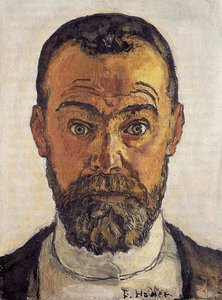
Ferdinand Hodler
1853 - 1918 , Suiza
Datos clave
- Artistas Que Influyeron:
- Alexandre Calame
- Gustave Courbet
- Hans Holbein
- Fecha De Muerte: 19 de mayo de 1918
- Fecha De Nacimiento: 14 de marzo de 1853
- Influencia En Artistas: ['Expresionismo']
- Lugar De Nacimiento: Bern, Suiza
- Movimiento Artístico: Simbolismo, Art Nouveau
- Nacionalidad: Suizo
- Nombre Completo: Ferdinand Hodler
- Obras Notables:
- La noche
- El día
- Verdad II
Artículos relacionados

Monochrome Visions: Exploring the Aesthetic & Historical Significance of Black & White Photography
Explore the rich history & artistic power of black and white photography. From early techniques to iconic masters like Ansel Adams, discover why monochrome continues to captivate art lovers today. Expert insights for collectors.

Shadow & Soul: Why Black & White Photography Remains the Ultimate Power Move in Modern Art
Discover why black & white photography remains a powerful force in contemporary art. Explore the impact of light, shadow, and texture through a visual journey of monochrome mastery and learn how to elevate your space with timeless grayscale aesthetics.

Mastering the Line: A Comprehensive Expert Guide to Technical Precision and Expressive Depth in Drawing
Elevate your artistic practice with this expert guide to mastering the line. Discover advanced techniques in graphite, charcoal, and contour drawing designed for art students seeking technical precision and expressive depth in their fine art studies.

Blanco Sublime: Los 10 Cuadros Más Famosos Dominados por la Luz y el Color
Descubre los 10 cuadros blancos más emblemáticos de la historia del arte. Explora Monet, Van Gogh y Klimt, y su magistral uso de la luz y el color. Encuentra reproducciones de alta calidad e inspírate para tu decoración en .

Las 10 Pinturas Más Famosas Dominadas por el Negro | Arte y Decoración
Descubre las 10 pinturas más impactantes dominadas por el negro. Explora obras maestras de Rembrandt, Goya y Rothko, su historia y significado. Encuentra reproducciones de arte exclusivas para transformar tu hogar en .