

 Vista previa
 Compartir
 Compartir
 Ver detalles
 Guía
Guía

 Descargar
 Ver artículos similares
 Radiografía
 Presentación de diapositivas
 Estadísticas
Reclining Nude


 Leer más
Giclée / Impresión de arte
Impresiones giclée o en lienzo de calidad de museo con producción rápida y opciones de acabado flexibles. ( Encargar reproducción pintada a mano Ver versión en imagen digital)




P118B €10

P118H €10

P118W €10

P438Z €10

P508JH €12

P508YH €12

P805H €10

P805Z €10

P919BZ €10

P919G €10

P919XJ €10

P959ZH €10

P968JZ €12

W106C €8

W218G €10

W218JH €8

W218Y €10

W307PJ €10

W316G €10

W316PJ €8

W316Y €10

W398PJ €8

W4111J €10

W500HY €15

W500JH €15

W692G €12

W849H €8

W940BG €15

W953PJ €8




Elija entre nuestros tamaños predefinidos que respetan las proporciones originales de la obra.

Introduzca el ancho y el alto que necesite para adaptarse a su marco o pared. Una impresión solo puede recortarse, nunca hacerse más grande que la imagen original, por lo que un tamaño con una forma distinta perderá parte de la obra. Le enviaremos una maqueta digital para su aprobación antes de realizar cualquier impresión. La imagen que se muestra en esta página no refleja el recorte real; solo la maqueta lo hace.
Envío a todo el mundo () en 2 semanas en lugar de las 4/5 semanas estándar. (22 octubre)

Envío exprés gratuito a todo el mundo

Lienzo de lino de alta calidad

Seguro de envío completo

Garantía de reembolso de impuestos aduaneros

Garantía de fidelidad cromática exacta

Política de devolución de 100 días (solo por defectos)

Garantía de devolución del 100% del dinero

Oferta por volumen
 La opción de vidrio solo está disponible en tamaños inferiores a 110 cm.

Reclining Nude
Giclée / Impresión de arte
Tamaño de la reproducción
-


Precio total
€ 70
Reclining Nude by Armand Guillaumin: A Dreamscape of Form and Light
Armand Guillaumin’s “Reclining Nude,” painted in 1876, stands as a cornerstone of Impressionist landscape painting alongside its celebrated companion works. Exhibited at the third Impressionist exhibition in Paris that same year, this artwork captures not merely an image but an atmosphere—a palpable stillness imbued with subtle hues and diffused light characteristic of Guillaumin’s distinctive style. Unlike many contemporary depictions of the nude figure, which often prioritized anatomical accuracy, Guillaumin eschewed meticulous detail, opting instead for a softer, more ethereal representation that aligns perfectly with the movement's core tenets.- Subject Matter: The painting portrays a woman reclining on her side in bed, draped in a white sheet—a motif borrowed from Renaissance art and specifically referencing Titian’s Venus of Urbino. This deliberate allusion elevates the scene beyond mere physicality, transforming it into a meditation on beauty and repose.
- Style & Technique: Guillaumin employed loose brushstrokes and vibrant color palettes—primarily blues, greens, and yellows—to convey the impression of natural light filtering through the window. The artist’s technique prioritizes capturing fleeting moments of visual sensation rather than striving for photographic realism.
Symbolism & Emotional Resonance
The inclusion of a flower in the woman's hand serves as a potent symbol—likely representing purity and innocence, mirroring themes prevalent throughout Impressionist art. Furthermore, the placement of a chair near the left edge of the canvas introduces an element of perspective and depth, subtly guiding the viewer’s gaze into the composition. The overall mood conveyed by “Reclining Nude” is one of serene contemplation—a celebration of beauty and tranquility that reflects Guillaumin's profound appreciation for the natural world.- Historical Context: Painted during a period of artistic experimentation and intellectual ferment, “Reclining Nude” embodies the spirit of Impressionism’s challenge to academic conventions. It exemplifies the movement’s commitment to portraying subjective experience—the artist's perception of reality—rather than objective representation.
- Influence & Legacy: Guillaumin’s work profoundly impacted subsequent generations of artists, establishing him as a pivotal figure in the development of Impressionist landscape painting and solidifying his place within art history.
A Masterpiece Revisited
Today, reproductions of “Reclining Nude” grace museums and private collections worldwide—a testament to its enduring appeal and artistic merit. Its delicate color harmonies and evocative brushstrokes continue to inspire artists and captivate viewers alike, ensuring that Guillaumin’s vision persists as a beacon of Impressionist beauty for years to come. The painting's quiet grandeur invites contemplation and offers a glimpse into the artist’s masterful grasp of light and form—a timeless achievement in artistic expression.Preguntas y respuestas
¿De qué manera el estilo de "Reclining Nude" se relaciona con la época de su creador?
"Reclining Nude" de Ferdinand Guillaumin se sitúa en el movimiento Impressionist Landscape Painting, dentro de la era Siglo XIX de su creador.
¿Qué saturación e intensidad muestra "Reclining Nude" de Ferdinand Guillaumin?
El color de "Reclining Nude" presenta una saturación de Subtle Color y una intensidad de Balanced.
¿Dónde puedo encontrar obras de arte similares a "Reclining Nude" de Ferdinand Guillaumin?
Las obras similares a "Reclining Nude" se encuentran listadas en la página de Similares de la obra.
Biografía del artista
Early Life and Career
Jean Baptiste Armand Guillaumin (Moulins, Picardía, Francia 16 de febrero de 1841 – Orly, Isla de Francia, Francia 26 de junio de 1927), fue un pintor y grabador francés de estilo impresionista. Mientras otros maestros de su círculo (como Renoir y Cézanne) abandonaron pronto el impresionismo puro y conformaron estilos más personales, Guillaumin se mantuvo fiel a los rasgos más reconocibles de dicha corriente y es considerado «el impresionista más fiel y longevo». Su nacimiento en Moulins marcó el inicio de una vida marcada por la sensibilidad artística desde temprana edad. Desde niño vivió en París, incluso algunas fuentes citan erróneamente la capital gala como su lugar de origen. Trabajó en la mercería de su tío al tiempo que recibía clases de dibujo. Este interés por el arte lo impulsaría a estudiar en la Académie Suisse en 1861 donde conocería a Paul Cézanne y Camille Pissarro, con quienes mantuvo una larga amistad. Estos tres artistas compartirían un viejo estudio que había ocupado Charles-François Daubigny y contaban con el apoyo del doctor Paul Gachet, quien luego sería amigo de Van Gogh. Guillaumin mostró varios de sus pinturas en el Salon des Refusés en 1863. El joven Guillaumin fue reconocido como un pintor prometedor por los críticos de la época que juzgaron su estilo seguro y su uso expresivo del color. También desarrolló conexiones con Emile Zola y su círculo de amigos, quienes fueron influenciados por el arte de Manet y Courbet.Notable Works and Associations
Una figura destacada en el movimiento impresionista fue la amistad entre Guillaumin y Cézanne cuyo hermano, Theo vendió algunas de sus obras. Este vínculo creativo fue fundamental para el desarrollo artístico de ambos artistas. Además, Guillaumin colaboró estrechamente con otros miembros del grupo impresionista como Gauguin y Signac, quienes compartieron intereses comunes y estilos similares. Su obra fue exhibida en importantes galerías parisinas y adquirió reconocimiento internacional gracias a la promoción de figuras destacadas como Theo van Gogh y Emile Bernard. Entre sus obras más significativas se encuentran "Madame Guillaumin Sentada en un Jardín", una composición llena de luz y color que captura la belleza del paisaje francés, así como "Cottages en un Paisaje", donde Guillaumin demuestra su maestría técnica al representar escenas rurales con precisión y sensibilidad artística. También fue reconocido por sus dibujos y grabados, especialmente aquellos realizados durante su viaje a Italia en 1879 donde estudió las obras de artistas italianos clásicos y modernos.Style and Technique
Guillaumin desarrolló un estilo propio caracterizado por la aplicación libre del color y el uso de pinceladas largas y onduladas que buscaban transmitir la atmósfera y los efectos luminosos del entorno natural. Influenciado por Cézanne y Courbet, Guillaumin adoptó una perspectiva realista pero también expresiva que reflejaba sus emociones y sentimientos personales. Su obra se distingue por una combinación armoniosa entre observación detallada y libertad creativa, lo que le permitió crear imágenes originales y conmovedoras que siguen siendo admiradas hasta nuestros días. Además, Guillaumin experimentó con diferentes materiales y técnicas como el óleo sobre lienzo, el grabado en agua fuerte y el dibujo a lápiz negro, demostrando una amplia gama de habilidades artísticas.Legacy and Remembrance
Armand Guillaumin falleció en Orly, Isla de Francia, Francia 26 de junio de 1927, dejando un legado artístico importante que sigue siendo estudiado y apreciado por artistas y críticos contemporáneos. Su obra fue incluida en importantes museos internacionales como el Musée d’Orsay en París donde se encuentra una extensa colección de sus pinturas y dibujos. Además, Guillaumin fue reconocido como uno de los representantes más fieles del impresionismo puro, manteniendo la esencia de este movimiento artístico hasta el final de su vida. Su estilo único y expresivo continúa inspirando artistas nuevos y contribuyendo a enriquecer la historia del arte francés y mundial.
Ferdinand Guillaumin
1841 - 1927 , Francia
Datos clave
- Artistic Movement Or Style: Impressionismo
- Artists Or Movements Influenced By This Artist: ['Fauvismo']
- Artists Who Influenced This Artist:
- Claude Monet
- Vincent van Gogh
- Paul Cézanne
- Date Of Birth: 16 febrero 1841
- Date Of Death: 26 junio 1927
- Full Name: Jean Baptiste Armand Guillaumin
- Nationality: Francés
- Notable Artworks:
- Paisaje en verano
- El jardín de invierno
- La iglesia
- Place Of Birth: París, Francia
Artículos relacionados

The Enduring Allure of the Nude: A Historical & Artistic Exploration of the Human Form
Explore the captivating history of nude art! Discover iconic paintings & artists from classical to modern eras. Uncover symbolism, techniques & find museum-quality reproductions at OriginalUniqueArt.

Impresionismo: 10 Obras Maestras que Capturan la Luz y el Momento
Descubre 10 obras maestras del impresionismo de Monet, Renoir y Degas. Explora la luz, el color y las historias detrás de estos icónicos cuadros. Reproducciones de arte en OriginalUniqueArt.com para decorar tu hogar con estilo.

Impresionismo y Postimpresionismo: Una Exploración de la Evolución Artística y sus Distinciones Clave
Explora la evolución del Impresionismo al Postimpresionismo. Descubre sus características, artistas clave y las diferencias esenciales en este análisis experto.
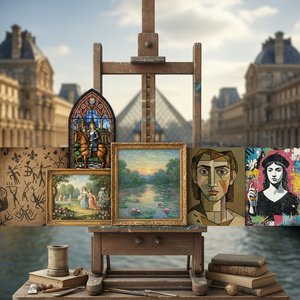
The Enduring Legacy of French Art: Movements, Masters & Cultural Impact
Explore the rich history of French art, from the Salon to Impressionism & beyond. Discover iconic masters, key movements, and expert guidance for collecting timeless masterpieces. OriginalUniqueArt.

Paul Cézanne: Las 25 Obras Maestras que Definieron el Arte Moderno | OriginalUniqueArt
Descubre las 25 obras maestras de Paul Cézanne que revolucionaron el arte moderno. Explora su técnica, inspiración y significado en paisajes, bodegones y retratos. Reproducciones de alta calidad para decorar tu hogar con arte inolvidable. ¡Explora la colección completa en OriginalUniqueArt.com!


