Vista previa
 Compartir
 Compartir
 Ver detalles
 Guía
Guía

 Descargar
 Ver artículos similares
 Radiografía
 Presentación de diapositivas
 Estadísticas
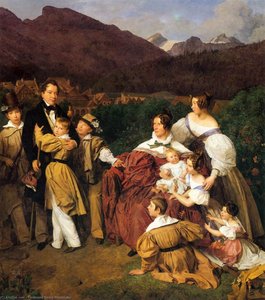
Early Spring in the Wienerwald
 Oil On Canvas
- WallArt
- Romantic Landscape Painting
 1864
1864- 19th Century
 43.0 x 54.0 cm
 Nationalgalerie
 Leer más
Giclée / Impresión de arte
Impresiones giclée o en lienzo de calidad de museo con producción rápida y opciones de acabado flexibles. ( Encargar reproducción pintada a mano Ver versión en imagen digital)




P118B $10

P118H $10

P118W $10

P438Z $10

P508JH $12

P508YH $12

P805H $10

P805Z $10

P919BZ $10

P919G $10

P919XJ $10

P959ZH $10

P968JZ $12

W106C $8

W218G $10

W218JH $8

W218Y $10

W307PJ $10

W316G $10

W316PJ $8

W316Y $10

W398PJ $8

W4111J $10

W500HY $15

W500JH $15

W692G $12

W849H $8

W940BG $15

W953PJ $8




Elija entre nuestros tamaños predefinidos que respetan las proporciones originales de la obra.

Puede introducir sus propias dimensiones para adaptarse a un marco o espacio específico. Si el tamaño seleccionado no coincide con las proporciones de la imagen original, recortaremos la obra de arte o extenderemos la imagen con un borde con efecto espejo o de color sólido. Se enviará una maqueta digital para su aprobación antes de que comience la producción.
Tenga en cuenta que la vista previa en pantalla no refleja el recorte o la extensión real. Solo la maqueta mostrará con precisión la composición final.
Aunque existen tamaños personalizados, recomendamos seleccionar una dimensión de la lista predefinida para preservar las proporciones originales.
Envío a todo el mundo () en 2 semanas en lugar de las 4/5 semanas estándar. (26 septiembre)

Envío exprés gratuito a todo el mundo

Lienzo de lino de alta calidad

Seguro de envío completo

Garantía de reembolso de impuestos aduaneros

Garantía de fidelidad cromática exacta

Política de devolución de 100 días (solo por defectos)

Garantía de devolución del 100% del dinero

Oferta por volumen
 La opción de vidrio solo está disponible en tamaños inferiores a 110 cm.

Early Spring in the Wienerwald
Giclée / Impresión de arte
Tamaño de la reproducción
-


Precio total
$ 80
Early Spring in the Wienerwald – A Reflection of Romantic Sentiment
Ferdinand Georg Waldmüller’s “Early Spring in the Wienerwald,” completed in 1864, stands as a quintessential example of Romantic landscape painting—a genre deeply rooted in emotion and contemplation rather than precise observation. More than just a depiction of scenery, it's an attempt to capture the spirit of the season itself, conveying a profound sense of tranquility and connection with nature.
The painting portrays a group of figures gathered amidst a vibrant woodland scene. The composition is carefully balanced, featuring individuals positioned strategically around rocks and logs—a deliberate choice that emphasizes human presence within the grandeur of the Austrian Alps. Nine people are visible in the image, dressed in clothing suitable for outdoor pursuits, suggesting a leisurely afternoon spent enjoying the beauty of spring.
Waldmüller’s technique is characterized by meticulous detail and tonal gradation. He employed oil paints on canvas, utilizing layering and blending to achieve remarkable luminosity and depth. The artist skillfully rendered the textures of bark, foliage, and stone, capturing the subtle nuances of light and shadow—a hallmark of Romantic painting's commitment to realism tempered with expressive idealism.
Historical Context: The Rise of Landscape Painting
“Early Spring in the Wienerwald” emerged during a period of significant artistic transformation. The Romantic movement, which dominated European art from roughly 1800 to 1850, reacted against the Enlightenment’s emphasis on reason and scientific inquiry. Instead, Romantics sought inspiration in emotion, imagination, and folklore—themes powerfully expressed through depictions of sublime landscapes.
The Austrian Alps held a special significance for Romantic artists, representing both physical grandeur and spiritual elevation. Waldmüller's work reflects the broader cultural fascination with exploring the wilderness as a source of moral instruction and aesthetic pleasure. It aligns perfectly with the movement’s belief that art should stir the soul and inspire contemplation.
Symbolism Within the Scene
Beyond its visual beauty, “Early Spring” is laden with symbolic meaning. The yellowing leaves of the trees serve as a poignant reminder of passing time and the inevitability of change—a common motif in Romantic art that speaks to anxieties about mortality and the fragility of human existence. However, the figures themselves embody optimism and resilience, symbolizing humanity’s ability to find solace and joy amidst life's challenges.
The gathering of people around a natural element like rocks or logs reinforces the Romantic ideal of communion with nature—a belief that humans derive spiritual nourishment from engaging with the natural world. Waldmüller’s depiction encourages viewers to appreciate the simple pleasures of observation and contemplation, mirroring the movement's broader philosophical stance.
Emotional Impact: Tranquility and Wonder
“Early Spring in the Wienerwald” succeeds in evoking a palpable sense of tranquility and wonder. The muted palette—dominated by greens, browns, and yellows—creates an atmosphere of serene stillness. Waldmüller’s masterful brushwork captures the subtle movements of air and light, conveying a feeling of immediacy and authenticity.
Ultimately, this artwork transcends mere representation; it aspires to communicate a deeper emotional truth—a recognition of the sublime beauty inherent in the natural world and an invitation to embrace moments of contemplative reflection. It remains a treasured piece within Waldmüller’s oeuvre and continues to inspire admiration for its artistic merit and evocative power.
Biografía del artista
Vida Temprana y Educación
- Nacimiento: 15 de enero de 1793, en Viena, Austria
- Fallecimiento: 23 de agosto de 1865, en Hinterbrühl, Austria (a los 72 años)
- Nacionalidad: Austríaco
- La vida temprana se vio marcada por dificultades financieras tras la muerte de su padre.
- Asistió a la Academia de Bellas Artes de Viena desde 1807, aunque la asistencia fue irregular.
- Inicialmente se dedicó a la pintura de retratos pero luego desarrolló un fuerte interés en los paisajes y las escenas de género.
Carrera y Desarrollo Artístico
- Su carrera temprana implicó trabajar como diseñador de escenografía y pintor de retratos mientras realizaba giras con su esposa, la cantante Katharina Weidner.
- Desarrolló un estilo distintivo caracterizado por representaciones realistas de la vida cotidiana, particularmente escenas rurales.
- Se convirtió en profesor de la Academia de Bellas Artes de Viena en 1819, pero enfrentó disputas debido a que abogaba por la observación natural y criticaba el sistema de la academia.
- Viajes frecuentes a Italia (a partir de 1825) y a la región de Salzkammergut influyeron significativamente en su estilo de pintura paisajística.
- Conocido por sus descripciones detalladas y refinadas de texturas y luz, a menudo representando la vida cotidiana rural con una perspectiva socialmente crítica.
- Sus obras fueron inicialmente criticadas por los contemporáneos por su realismo pero luego obtuvieron reconocimiento por su mérito artístico.
Obras Principales y Temas
- Vendedor de frutas veneciano (1826): Un ejemplo temprano de su estilo de pintura de género.
- Autorretrato (1828): Demuestra su habilidad en el retrato.
- Louise Mayer (1836) Una notable obra de retrato.
- Vista de Ischl (1838): Muestra sus habilidades para la pintura paisajística.
- En Todos los Santos (1839): Captura una escena de la vida rural.
- La Carta de Amor (1849): Una escena de género que representa la intimidad doméstica.
- Mujeres bañándose (c. 1848–1849): Un ejemplo de su exploración de temas sociales.
- Temas recurrentes incluyen: vida rural, dinámicas familiares, el impacto de la pobreza y la desgracia, y la belleza de la naturaleza.
Significado Histórico y Legado
- Considerado uno de los pintores austriacos más importantes del período Biedermeier.
- Defendió la observación natural y la pintura "a plein air", anticipando movimientos artísticos posteriores como el Impresionismo.
- Sus pinturas de género socialmente críticas desafiaron las representaciones convencionales de la vida rural durante su tiempo.
- Influyó en una generación de artistas con su realismo detallado y su enfoque en los temas cotidianos.
- A pesar de enfrentar críticas y contratiempos a lo largo de su carrera, la obra de Waldmüller obtuvo reconocimiento internacional más tarde en la vida.
- Su legado radica en su contribución al arte austriaco y su enfoque pionero de la pintura paisajística y de género.
Vida Posterior y Reconocimiento
- Se casó con Anna Bayer en 1851.
- Experimentó dificultades financieras a pesar de algunos éxitos.
- Participó en la Exposición Mundial de París (1855) y expuso en el Palacio de Buckingham (1856), obteniendo reconocimiento del emperador Napoleón III y la reina Victoria, respectivamente.
- Fue forzado a retirarse de la Academia de Bellas Artes de Viena en 1857 debido a su continua crítica.
- Recibió una pensión y fue nombrado caballero poco antes de su muerte el 23 de agosto de 1865, en Hinterbrühl.

Ferdinand Georg Waldmüller
1793 - 1865 , Austria
Datos clave
- Fecha De Fallecimiento: 23 de agosto de 1865
- Fecha De Nacimiento: 15 de enero de 1793
- Lugar De Nacimiento: Viena, Austria
- Movimiento Artístico: Biedermeier
- Nacionalidad: Austriaco
- Nombre Completo: Ferdinand Georg Waldmüller
- Obras Notables:
- Vendedor de frutas veneciano
- Autorretrato
- Louise Mayer
- Vista de Ischl
- Día de Todos los Santos
- La carta de amor
- Mujeres bañándose
Artículos relacionados

Paisajes Románticos: 10 Obras Maestras que Definieron un Movimiento Artístico
Descubre los 10 paisajes románticos más influyentes de artistas como Caspar David Friedrich y Turner. Explora la belleza, el simbolismo y las técnicas del movimiento romántico. Reproducciones de arte exclusivas en OriginalUniqueArt.com.
The Enchanted Canopy: Exploring Forests in Art History – From Romantic Idealization to Ecological Consciousness
Explore the rich history of forests in art! Discover Romantic masterpieces by Friedrich & Monet, Symbolist depths, and contemporary visions. Find inspiration & quality reproductions at OriginalUniqueArt.

John Constable: Las 25 Obras Maestras del Paisaje Inglés | OriginalUniqueArt
Descubre las 25 obras maestras de John Constable, el pintor romántico inglés que capturó la belleza del paisaje. Explora su técnica, historia y significado en OriginalUniqueArt.com. Reproducciones de arte de alta calidad para tu hogar.

El Sublime y lo Pintoresco: Explorando la Emoción y la Naturaleza en la Pintura Romántica de Paisaje
Explora la profunda conexión entre el arte romántico y la naturaleza. Descubre a Caspar David Friedrich, John Constable y otros maestros del sublime y lo pintoresco. Análisis experto e historia del movimiento.

Evocations of Place: A Historical Journey Through Landscape Art
Explore the rich history of landscape art with OriginalUniqueArt. Discover renowned artists, movements like Impressionism & Romanticism, and expert guidance for collecting timeless pieces. Find your perfect serene escape today!