
 Ver en contexto
 Enviar
 Compartir
 Detalles
 Guía
Guía

 Descargar
 Similares
 Radiografía
 Presentación de diapositivas
 Preguntas y respuestas
 Estadísticas
Vertumnus and Pomona


 Ver más
Giclée / Impresión de arte
Impresiones giclée o en lienzo de calidad de museo con producción rápida y opciones de acabado flexibles. ( Comprar pintura hecha a mano Cambiar a imagen digital)




P118B €10

P118H €10

P118W €10

P438Z €10

P508JH €12

P508YH €12

P805H €10

P805Z €10

P919BZ €10

P919G €10

P919XJ €10

P959ZH €10

P968JZ €12

W106C €8

W218G €10

W218JH €8

W218Y €10

W307PJ €10

W316G €10

W316PJ €8

W316Y €10

W398PJ €8

W4111J €10

W500HY €15

W500JH €15

W692G €12

W849H €8

W940BG €15

W953PJ €8




Elija entre nuestros tamaños predefinidos que respetan las proporciones originales de la obra.

Introduzca el ancho y el alto que necesite para adaptarse a su marco o pared. Una impresión solo puede recortarse, nunca hacerse más grande que la imagen original, por lo que un tamaño con una forma distinta perderá parte de la obra. Le enviaremos una maqueta digital para su aprobación antes de realizar cualquier impresión. La imagen que se muestra en esta página no refleja el recorte real; solo la maqueta lo hace.
Envío a todo el mundo () en 2 semanas en lugar de las 4/5 semanas estándar. (4 noviembre)

Envío exprés gratuito a todo el mundo

Lienzo de lino de alta calidad

Seguro de envío total

Garantía de reembolso de aranceles aduaneros

Garantía de fidelidad cromática exacta

Política de devolución de 100 días (solo por defectos)

Garantía de devolución del 100% del dinero

Descuento por cantidad
 La opción de vidrio solo está disponible en tamaños inferiores a 110 cm.

Vertumnus and Pomona
Giclée / Impresión de arte
Dimensiones de la reproducción
-


Precio total final
€ 72
Ferdinand Bol’s “Vertumnus and Pomona”: A Baroque Dialogue of Fertility and Transformation
Ferdinand Bol’s “Vertumnus and Pomona,” completed in 1644, stands as a testament to the enduring fascination with classical mythology within the Dutch Golden Age. Painted during a period of artistic innovation and intellectual fervor—a time when Rembrandt, Vermeer, and Rubens dominated the European art scene—Bol's depiction captures not merely a narrative from Roman legend but also embodies the stylistic ideals of Baroque art itself.
The painting portrays Vertumnus, god of springtime and renewal, engaging in conversation with Pomona, goddess of fruit trees and harvest. Their postures convey an intimacy born of mutual respect and understanding; Vertumnus gently places his hand upon Pomona’s arm, symbolizing the harmonious exchange between masculine and feminine energies—a cornerstone of Baroque artistic expression.
- Style: Bol adheres rigorously to the Baroque style, prioritizing dramatic chiaroscuro – the masterful manipulation of light and shadow – to heighten emotional impact. This technique is evident in the rich tonal palette and the carefully sculpted forms that dominate the composition.
- Technique: Bol employed oil paint on canvas, utilizing a layering process known as glazing to achieve luminous colors and subtle gradations of tone. The meticulous detail visible throughout the painting underscores his dedication to realism while simultaneously elevating it beyond mere representation.
- Historical Context: “Vertumnus and Pomona” reflects the humanist spirit prevalent in 17th-century Holland, where classical scholarship flourished alongside religious piety. Artists sought inspiration from Greco-Roman mythology to explore themes of virtue, beauty, and moral contemplation—values deeply ingrained within Dutch society.
Symbolism: The central figures represent more than just mythological characters; they embody the cyclical rhythms of nature and the promise of abundance. Vertumnus’s hand gesture symbolizes fertility and regeneration, mirroring Pomona's role as guardian of fruitfulness. The surrounding landscape—lush foliage and blossoming trees—further reinforces this symbolic message.
Emotional Impact: Bol’s masterful execution evokes a sense of serene contemplation mingled with subtle dynamism. The subdued colors and diffused light contribute to an atmosphere of tranquility, yet the expressive gestures of the figures convey a palpable emotional resonance. “Vertumnus and Pomona” invites viewers to contemplate the beauty of the natural world and the transformative power of harmonious relationships—themes that continue to resonate powerfully today.
This captivating artwork exemplifies Bol’s artistic prowess and secures his place as one of the most significant figures in Dutch Baroque painting. Its enduring appeal lies not only in its technical brilliance but also in its profound engagement with timeless human concerns.
Preguntas y respuestas
¿Cuándo se creó "Vertumnus and Pomona" y a qué movimiento pertenece?
"Vertumnus and Pomona" fue creada en 1644 como una obra del movimiento Baroque. La fecha y el movimiento sitúan la pieza en su contexto histórico dentro de la historia del arte.
¿Cómo equilibra la luz y la sombra "Vertumnus and Pomona"?
"Vertumnus and Pomona" presenta un brillo general de balanced y una luminancia de Soft Shadow.
¿Qué atmósfera aportaría una reproducción de "Vertumnus and Pomona" de Ferdinand Bol a una habitación?
La atmósfera Elegant de "Vertumnus and Pomona" de Ferdinand Bol armoniza perfectamente con su espacio recomendado: un Living Room.
Biografía del artista
biografía de un artista olvidado
fernand bol, pintor, grabador y dibujante holandés, nació el 24 de junio de 1616 en dordrecht, países bajos. su vida y obra están marcadas por la influencia de rembrandt, su maestro, y las tendencias artísticas predominantes del período barroco.primera infancia y formación
la primera formación de bol como aprendiz bajo jacob cuyp en su ciudad natal o de abraham bloemaert en utrecht sentó las bases para sus futuros esfuerzos artísticos. después de 1630, estudió con rembrandt, viviendo en su casa en sint antoniesbreestraat, una calle y zona de moda para pintores, joyeros, arquitectos y muchos inmigrantes flamencos y judíos.carrera artística
la carrera artística de bol puede caracterizarse por los siguientes puntos clave:- la paz entre claudius civilis y quintus petillius cerealis en el puente demolido, una pintura que muestra su dominio de los temas históricos, ahora se encuentra en el museo de bellas artes (https://OriginalUniqueArt.com/@@/d36val-ferdinand-bol-the-peace-negotiations-between-claudius-civilis-and-quintus-p..).
- en 1652, bol se convirtió en burgués de amsterdam y, en 1653, se casó con elisabeth dell, cuya padre ocupaba cargos en la administración naval de amsterdam y en el gremio de comerciantes de vino.
- a mediados de la década, bol recibía más encargos oficiales que cualquier otro artista en amsterdam, incluidos pedidos para entregar dos chimeneas para habitaciones en el nuevo ayuntamiento diseñadas por jacob van campen.
- godfrey kneller fue su alumno.
legado y vida posterior
la primera esposa de bol murió en 1660. en 1669, se casó con anna van erckel, viuda del tesorero de la administración naval, y aparentemente se retiró de la pintura en ese momento de su vida. bol sirvió como gobernador en un hogar para leprosos y murió el 24 de agosto de 1680. obras notables:- la paz entre claudius civilis y quintus petillius cerealis en el puente demolido (https://OriginalUniqueArt.com/@@/d36val-ferdinand-bol-the-peace-negotiations-between-claudius-civilis-and-quintus-p..)
- pirro muestra su elefante a fabritius (palacio real de amsterdam)
- hombre con casco dorado (marte) (museo nacional, varsovia)
- gobernadores del gremio de comerciantes de vino (alte pinakothek)

Ferdinand Bol
1616 - 1680 , Países Bajos
Datos clave
- Artistas Que Influyeron: ['Rembrandt van Rijn']
- Fecha De Fallecimiento: 24 de agosto de 1680
- Fecha De Nacimiento: 24 de junio de 1616
- Influenciado A: ['Godfrey Kneller']
- Lugar De Nacimiento: Dordrecht, Países Bajos
- Movimiento Artístico: Barroco
- Nacionalidad: Neerlandés
- Nombre Completo: Ferdinand Bol
- Obras Notables:
- La paz entre Claudio Civilis
- Pirro mostrando su elefante
- Hombre con casco dorado (Marte)
- Gobernadores de la gremial
Artículos relacionados

The Dramatic Flourish: Exploring the Baroque Movement's Enduring Legacy in Art History
Explore the dramatic world of Baroque art! Discover iconic artists like Caravaggio & Rubens, defining techniques, and its lasting impact on art history. Expert insights for collectors & enthusiasts at OriginalUniqueArt.

Drama Barroca: Llevando la Grandeza y la Emoción a los Interiores Contemporáneos
Descubre cómo el drama y la grandeza del arte barroco pueden transformar tus interiores. Guía experta, inspiración y reproducciones de alta calidad en .

Ferdinand Bol (1616-1680): A Dutch Master of Portraiture & Dramatic Light
Explore the captivating world of Ferdinand Bol (1616-1680), a master Dutch portraitist deeply influenced by Rembrandt. Discover his life, style, and enduring legacy with OriginalUniqueArt.

Baroque Classicism: The Grandeur of Order and Drama in 17th-Century Art History
Explore the profound elegance of Baroque Classicism. Discover how 17th-century masters synthesized dramatic emotion with classical order through the lens of the Counter-Reformation and the works of legends like Carlo Maratta and Andrea Sacchi.
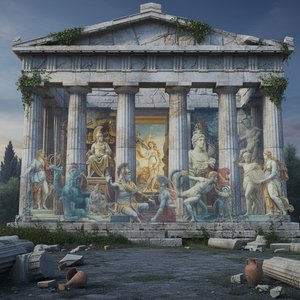
Echoes of Olympus: Mythological Narratives in Western Art Through the Ages
Explore the captivating history of mythological narratives in Western art! From ancient Greece to modern masterpieces, discover iconic artworks & symbolism. Expert analysis and high-quality reproductions at OriginalUniqueArt.


