

 Vista previa
 Compartir
 Compartir
 Ver detalles
 Guía
Guía

 Descargar
 Ver artículos similares
 Radiografía
 Presentación de diapositivas
 Estadísticas
Portretten Van Drie Regentessen Van Het Leprozenhuis in Amsterdam


 Leer más
Giclée / Impresión de arte
Impresiones giclée o en lienzo de calidad de museo con producción rápida y opciones de acabado flexibles. ( Encargar reproducción pintada a mano Ver versión en imagen digital)




P118B $10

P118H $10

P118W $10

P438Z $10

P508JH $12

P508YH $12

P805H $10

P805Z $10

P919BZ $10

P919G $10

P919XJ $10

P959ZH $10

P968JZ $12

W106C $8

W218G $10

W218JH $8

W218Y $10

W307PJ $10

W316G $10

W316PJ $8

W316Y $10

W398PJ $8

W4111J $10

W500HY $15

W500JH $15

W692G $12

W849H $8

W940BG $15

W953PJ $8




Elija entre nuestros tamaños predefinidos que respetan las proporciones originales de la obra.

Puede introducir sus propias dimensiones para adaptarse a un marco o espacio específico. Si el tamaño seleccionado no coincide con las proporciones de la imagen original, recortaremos la obra de arte o extenderemos la imagen con un borde con efecto espejo o de color sólido. Se enviará una maqueta digital para su aprobación antes de que comience la producción.
Tenga en cuenta que la vista previa en pantalla no refleja el recorte o la extensión real. Solo la maqueta mostrará con precisión la composición final.
Aunque existen tamaños personalizados, recomendamos seleccionar una dimensión de la lista predefinida para preservar las proporciones originales.
Envío a todo el mundo () en 2 semanas en lugar de las 4/5 semanas estándar. (27 septiembre)

Envío exprés gratuito a todo el mundo

Lienzo de lino de alta calidad

Seguro de envío completo

Garantía de reembolso de impuestos aduaneros

Garantía de fidelidad cromática exacta

Política de devolución de 100 días (solo por defectos)

Garantía de devolución del 100% del dinero

Oferta por volumen
 La opción de vidrio solo está disponible en tamaños inferiores a 110 cm.

Portretten Van Drie Regentessen Van Het Leprozenhuis in Amsterdam
Giclée / Impresión de arte
Tamaño de la reproducción
-


Precio total
$ 80
A Window into Dutch Aristocracy: Ferdinand Bol’s Portrait of Three Regentesses
Ferdinand Bol, a figure often relegated to the footnotes of art history alongside Rembrandt and Vermeer, nevertheless deserves recognition as a pivotal artist of the Dutch Golden Age. Born in Dordrecht in 1616, Bol's artistic trajectory was inextricably linked with that of Rembrandt, commencing his apprenticeship within the master’s Amsterdam studio – an association that profoundly influenced his stylistic development. Initially mirroring Rembrandt’s masterful realism and chiaroscuro technique, Bol swiftly established a distinctive voice, demonstrating remarkable independence despite his formative years under Rembrandt’s guidance. This early training instilled in him a meticulous attention to detail and a profound understanding of tonal gradation, elements which would become hallmarks of his oeuvre.- Subject Matter: The painting depicts three women seated at a table adorned with a crimson cloth bearing a gilded border. Their gaze downward conveys an air of quiet contemplation, suggesting intimacy and perhaps deliberation.
- Style: Bol’s work firmly resides within the Baroque style—characterized by dramatic lighting, opulent ornamentation, and a focus on conveying emotion through gesture and expression. This stylistic choice aligns perfectly with the prevailing artistic sensibilities of the era, reflecting a desire to capture grandeur and sophistication.
Technique and Materials: Rembrandt’s Legacy Reflected
Bol's mastery extended beyond mere stylistic imitation; he skillfully employed oil paint on canvas—a technique championed by Rembrandt himself—to achieve unparalleled luminosity and textural richness. The artist meticulously layered pigments to create subtle gradations of tone, mimicking the chiaroscuro effects that Rembrandt perfected. This painstaking process ensured that every nuance of light and shadow was rendered with precision, enhancing the painting’s dramatic impact and conveying a palpable sense of atmosphere. Furthermore, Bol's use of color—particularly the vibrant reds of the cloth—contributes to the overall visual dynamism of the composition.Historical Context: Patronage and Societal Values
Painted in 1668, “Portretten Van Drie Regentessen Van Het Leprozenhuis” exemplifies the artistic patronage prevalent during Bol’s time. The painting was commissioned by a wealthy Amsterdam family—likely reflecting the importance of social status and familial lineage within Dutch society. Such portraits served not merely as representations of individuals but also as statements of identity and prestige, reinforcing the values of aristocratic refinement and moral virtue.Symbolism and Emotional Resonance: A Moment Frozen in Time
The positioning of the women—seated at a table with cards and a book—suggests a scene of intellectual engagement alongside social interaction. The downward gaze speaks to introspection and perhaps unspoken concerns, inviting viewers to contemplate the complexities of human emotion. Bol’s ability to capture these subtle nuances underscores his artistic sensitivity and contributes to the painting's enduring emotional resonance. It is a testament to Bol’s skill that he transformed a simple portrait into an evocative glimpse into the inner lives of its subjects—a timeless depiction of aristocratic grace and contemplative reflection.Conclusion: Rediscovering Bol’s Artistic Significance
While overshadowed by Rembrandt's fame, Ferdinand Bol deserves recognition as a significant contributor to Dutch Baroque art. His unwavering dedication to technique, combined with his stylistic independence, cemented his place among the most accomplished painters of his generation. Reproductions of “Portretten Van Drie Regentessen Van Het Leprozenhuis” offer an opportunity to appreciate Bol’s artistic vision and experience firsthand the beauty and sophistication of a bygone era—a captivating window into the cultural landscape of 17th-century Amsterdam.Biografía del artista
biografía de un artista olvidado
fernand bol, pintor, grabador y dibujante holandés, nació el 24 de junio de 1616 en dordrecht, países bajos. su vida y obra están marcadas por la influencia de rembrandt, su maestro, y las tendencias artísticas predominantes del período barroco.primera infancia y formación
la primera formación de bol como aprendiz bajo jacob cuyp en su ciudad natal o de abraham bloemaert en utrecht sentó las bases para sus futuros esfuerzos artísticos. después de 1630, estudió con rembrandt, viviendo en su casa en sint antoniesbreestraat, una calle y zona de moda para pintores, joyeros, arquitectos y muchos inmigrantes flamencos y judíos.carrera artística
la carrera artística de bol puede caracterizarse por los siguientes puntos clave:- la paz entre claudius civilis y quintus petillius cerealis en el puente demolido, una pintura que muestra su dominio de los temas históricos, ahora se encuentra en el museo de bellas artes (https://OriginalUniqueArt.com/@@/d36val-ferdinand-bol-the-peace-negotiations-between-claudius-civilis-and-quintus-p..).
- en 1652, bol se convirtió en burgués de amsterdam y, en 1653, se casó con elisabeth dell, cuya padre ocupaba cargos en la administración naval de amsterdam y en el gremio de comerciantes de vino.
- a mediados de la década, bol recibía más encargos oficiales que cualquier otro artista en amsterdam, incluidos pedidos para entregar dos chimeneas para habitaciones en el nuevo ayuntamiento diseñadas por jacob van campen.
- godfrey kneller fue su alumno.
legado y vida posterior
la primera esposa de bol murió en 1660. en 1669, se casó con anna van erckel, viuda del tesorero de la administración naval, y aparentemente se retiró de la pintura en ese momento de su vida. bol sirvió como gobernador en un hogar para leprosos y murió el 24 de agosto de 1680. obras notables:- la paz entre claudius civilis y quintus petillius cerealis en el puente demolido (https://OriginalUniqueArt.com/@@/d36val-ferdinand-bol-the-peace-negotiations-between-claudius-civilis-and-quintus-p..)
- pirro muestra su elefante a fabritius (palacio real de amsterdam)
- hombre con casco dorado (marte) (museo nacional, varsovia)
- gobernadores del gremio de comerciantes de vino (alte pinakothek)

Ferdinand Bol
1616 - 1680 , Países Bajos
Datos clave
- Artistas Que Influyeron: ['Rembrandt van Rijn']
- Fecha De Fallecimiento: 24 de agosto de 1680
- Fecha De Nacimiento: 24 de junio de 1616
- Influenciado A: ['Godfrey Kneller']
- Lugar De Nacimiento: Dordrecht, Países Bajos
- Movimiento Artístico: Barroco
- Nacionalidad: Neerlandés
- Nombre Completo: Ferdinand Bol
- Obras Notables:
- La paz entre Claudio Civilis
- Pirro mostrando su elefante
- Hombre con casco dorado (Marte)
- Gobernadores de la gremial
Artículos relacionados

Reflejos de una Época Dorada: La Pintura Barroca Holandesa y la Innovación Cultural
Descubra la riqueza y el detalle de la pintura barroca holandesa del Siglo de Oro. Explore las obras maestras de Rembrandt, Vermeer y otros artistas clave. Análisis experto e historia cultural.

Los 10 Maestros del Barroco Holandés: Obras que Definen una Época | OriginalUniqueArt
Descubre los 10 imprescindibles del Barroco holandés: Rembrandt, Vermeer y más. Explora la historia, técnica y belleza de estas obras maestras. Reproducciones de arte en OriginalUniqueArt.com para decorar tu hogar con elegancia.
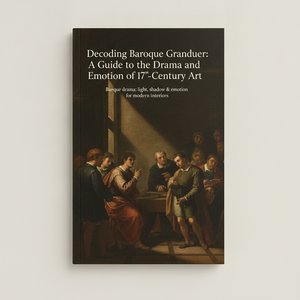
Decoding Baroque Grandeur: A Guide to the Drama and Emotion of 17th-Century Art
Explore the breathtaking drama of 17th-century Baroque art. Our expert guide decodes the use of chiaroscuro, emotional intensity, and historical grandeur to help you appreciate and curate timeless masterpieces for your collection.

Chiaroscuro and Character: A Definitive Guide to Light and Shadow in the Dutch Baroque Era
Explore the dramatic mastery of the Dutch Baroque era. Discover how masters like Rembrandt used chiaroscuro to transform everyday life into timeless art. An expert guide for collectors and enthusiasts seeking to understand the profound interplay of light and shadow.

Ferdinand Bol (1616-1680): A Dutch Master of Portraiture & Dramatic Light
Explore the captivating world of Ferdinand Bol (1616-1680), a master Dutch portraitist deeply influenced by Rembrandt. Discover his life, style, and enduring legacy with OriginalUniqueArt.


