
 Vista previa
 Compartir
 Compartir
 Ver detalles

 Descargar
 Ver similares
 Radiografía
 Presentación de diapositivas
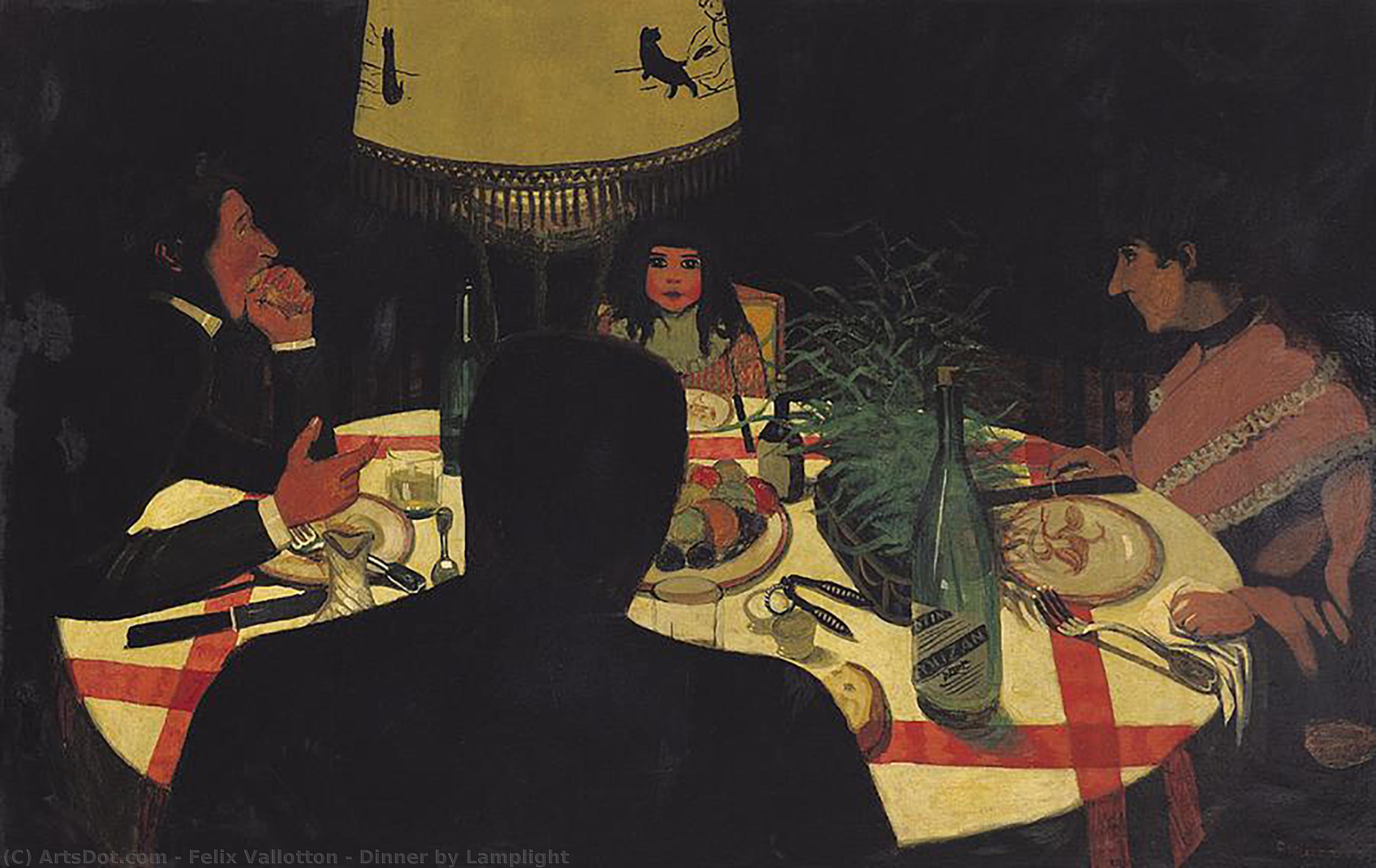
Dinner by Lamplight


 Leer más
Giclée / Impresión de arte
Impresiones giclée o en lienzo de calidad de museo con producción rápida y opciones de acabado flexibles. ( Encargar reproducción pintada a mano Comprar descarga)




P118B $10

P118H $10

P118W $10

P438Z $10

P508JH $12

P508YH $12

P805H $10

P805Z $10

P919BZ $10

P919G $10

P919XJ $10

P959ZH $10

P968JZ $12

W106C $8

W218G $10

W218JH $8

W218Y $10

W307PJ $10

W316G $10

W316PJ $8

W316Y $10

W398PJ $8

W4111J $10

W500HY $15

W500JH $15

W692G $12

W849H $8

W940BG $15

W953PJ $8




Elija entre nuestros tamaños predefinidos que respetan las proporciones originales de la obra.

Puede introducir sus propias dimensiones para adaptarse a un marco o espacio específico. Si el tamaño seleccionado no coincide con las proporciones de la imagen original, recortaremos la obra de arte o extenderemos la imagen con un borde con efecto espejo o de color sólido. Se enviará una maqueta digital para su aprobación antes de que comience la producción.
Tenga en cuenta que la vista previa en pantalla no refleja el recorte o la extensión real. Solo la maqueta mostrará con precisión la composición final.
Aunque existen tamaños personalizados, recomendamos seleccionar una dimensión de la lista predefinida para preservar las proporciones originales.
Envío a todo el mundo () en 2 semanas en lugar de las 4/5 semanas estándar. (18 agosto)

Envío exprés gratuito a todo el mundo

Lienzo de lino de alta calidad

Seguro de envío completo

Garantía de reembolso de aranceles aduaneros

Garantía de fidelidad cromática exacta

Política de devolución de 60 días (solo por defectos)

Garantía de devolución del 100% del dinero

Oferta por volumen
 La opción de vidrio solo está disponible en tamaños inferiores a 110 cm.

Dinner by Lamplight
Giclée / Impresión de arte
Tamaño de la reproducción
-


Precio total
$ 80
Descripción de la pieza
An Intimate Encounter in Oil: The Magic of Vallotton's Lamplight
In the quiet, flickering glow of 1900, Félix Vallotton captured a moment that transcends the simple act of dining to become a profound study of human connection. Dinner by Lamplight is not merely a depiction of a meal; it is an invitation into a private world, where the boundaries between the individual and the collective blur under the soft, amber warmth of artificial light. As we gaze upon this exquisite oil on panel, we find ourselves seated at the edge of a table crowded with the artifacts of conviviality—wine glasses catching the glint of a lamp, heavy bottles, and the scattered geometry of cutlery. The scene is a masterclass in intimisme, a style that seeks to find the extraordinary within the ordinary, turning a routine restaurant gathering into a timeless tableau of shared existence.
The technique employed by Vallotton reveals his deep roots in the Nabi movement, where the emphasis shifted from mere photographic realism toward a more stylized, emotive interpretation of reality. His use of muted colors and controlled lighting creates a sense of depth that feels both tactile and dreamlike. There is a deliberate simplicity in his brushwork, an elegance that avoids unnecessary flourish to focus instead on the weight of the objects and the subtle shadows they cast. This careful manipulation of light serves a dual purpose: it anchors the figures in a physical space while simultaneously enveloping them in a soft, atmospheric haze that suggests the fleeting nature of such intimate gatherings.
A Symphony of Shadows and Social Connection
Beyond the technical prowess, the emotional resonance of Dinner by Lamplight lies in its ability to evoke a sense of profound coziness and camaraderie. The composition draws the viewer's eye through the rhythmic arrangement of the diners, whose postures—some leaning in with intent, others lost in quiet contemplation—suggest a complex web of unspoken conversations. There is a palpable tension between the public setting of the restaurant and the private, almost sacred atmosphere created by the lamplight. This duality makes the piece particularly captivating for collectors and interior designers alike; it possesses the rare ability to anchor a room with its heavy, soulful presence while providing a window into a nostalgic, sophisticated era of European social life.
For those looking to integrate such a masterpiece into a curated space, this work offers more than just decoration. It serves as a focal point for reflection on the beauty of the fin de siècle spirit—a period defined by its transition into modernity. The painting’s ability to balance the weight of its subject matter with an airy, atmospheric lightness makes it a versatile choice for high-end residential or gallery settings. To possess a reproduction of this work is to hold a fragment of history, a piece of Vallotton's unique vision that continues to illuminate the quiet, beautiful corners of our shared human experience.
Biografía del artista
Primeros años y formación
Félix Édouard Vallotton, pintor e impresor suizo/francés, nació el 28 de diciembre de 1865 en Lausana, Suiza. Asistió al Collège Cantonal, obteniendo un título en estudios clásicos en 1882. Ese mismo año, se trasladó a París para estudiar arte bajo la tutela de Jules Joseph Lefebvre y Gustave Boulanger en la Académie Julian.Estilo artístico e influencias
Las primeras pinturas de Vallotton, principalmente retratos, están firmemente arraigadas en la tradición académica. Sin embargo, su estilo evolucionó rápidamente, influenciado por el postimpresionismo, el simbolismo y, especialmente, la xilografía japonesa. Enfatizó el contorno y los patrones planos, eliminando las gradaciones y el modelado tradicionalmente producidos mediante sombreado. Buscó simplificar las formas y colores, creando imágenes con una fuerte presencia gráfica.Obras destacadas
- Intimités (Intimidades), una serie de diez interiores publicados en 1898, que abordan la tensión entre hombres y mujeres en el ámbito doméstico.
- Bañistas en una noche de verano (1892–93), actualmente en el Kunsthaus Zúrich. Esta obra ejemplifica su interés por representar figuras humanas en entornos naturales con un estilo simplificado y expresivo.
- Luz de luna (1895), en el Musée d'Orsay. Esta pintura muestra su habilidad para capturar la atmósfera y la emoción a través del uso sutil del color y la luz.
Asociación con Les Nabis y obra posterior
A partir de 1892, Vallotton se afilió a Les Nabis, un grupo de jóvenes artistas que incluía a Pierre Bonnard, Ker-Xavier Roussel, Maurice Denis y Édouard Vuillard. Sus pinturas reflejaron el estilo de sus xilografías, con áreas planas de color, bordes duros y simplificación del detalle. Su trabajo posterior incluyó retratos altamente acabados, desnudos y paisajes pintados de memoria, mostrando una mayor madurez técnica y expresiva.Legado e influencia
El arte gráfico de Vallotton alcanzó su máximo desarrollo a finales de la década de 1890, siendo ampliamente difundido en periódicos y libros tanto en Europa como en los Estados Unidos. Su influencia puede verse en la obra de Edvard Munch, Aubrey Beardsley y Ernst Ludwig Kirchner. Vallotton es recordado por su contribución al desarrollo del arte moderno, particularmente a través de sus innovadoras xilografías que combinan elementos de realismo y simbolismo. Enlaces clave:
Félix Vallotton
1865 - 1925 , Suiza
Datos clave
- Artistas Influenciados:
- Edvard Munch
- Aubrey Beardsley
- Ernst Ludwig Kirchner
- Artistas Que Influyeron:
- Holbein
- Ingres
- Leonardo da Vinci
- Fecha De Fallecimiento: 29 de diciembre de 1925
- Fecha De Nacimiento: 28 de diciembre de 1865
- Lugar De Nacimiento: Lausana, Suiza
- Movimiento Artístico: Postimpresionismo, Simbolismo
- Nacionalidad: Suizo/Francés
- Nombre Completo: Félix Vallotton
- Obras Notables:
- Intimités (Intimacies)
- Bañistas en una noche de verano
- Luz de luna
Artículos relacionados

Los 10 Maestros del Postimpresionismo: Obras que Revolucionaron el Arte |
Descubre los 10 cuadros más influyentes del Postimpresionismo: Van Gogh, Monet, Cézanne y más. Explora la historia, técnica y significado de estas obras maestras. Reproducciones de arte en para decorar tu hogar con estilo.

Gastronomía Estética: El Papel de las Colecciones de Arte Curadas en la Conformación de la Percepción de las Experiencias Gastronómicas Michelin
Descubra cómo la curaduría artística transforma hoteles en experiencias inolvidables. Asesoramiento experto, colecciones exclusivas y estrategias para potenciar su marca y atraer clientes de alto valor.
El Paladar y la Paleta: Explorando el Impacto Psicológico del Diseño Visual en la Percepción de la Comida y el Apetito
Descubre cómo el diseño visual influye en tu percepción del sabor y apetito. Análisis experto de la psicología culinaria, tendencias artísticas y estrategias para una experiencia gastronómica inolvidable.
Cultivando Ambientes: Selección de Reproducciones Artísticas para el Comedor – Una Guía Histórica y Estética
Descubre cómo seleccionar reproducciones artísticas para tu comedor con nuestra guía experta. Explora la historia del bodegón, desde el Renacimiento hasta el Pop Art, y crea un ambiente sofisticado y lleno de estilo.

Gastronomía Visual: Curando Experiencias Artísticas en Zonas de Comedor – Un Enfoque de Degustación para el Diseño de Bares, Salones y Restaurantes
Transforma tu restaurante con curaduría artística experta. Crea ambientes memorables que elevan la experiencia gastronómica y fidelizan a tus clientes. Asesoramiento profesional y obras únicas.



