 Vista previa
 Compartir
 Compartir
 Ver detalles

 Descargar
 Ver similares
 Radiografía
 Presentación de diapositivas
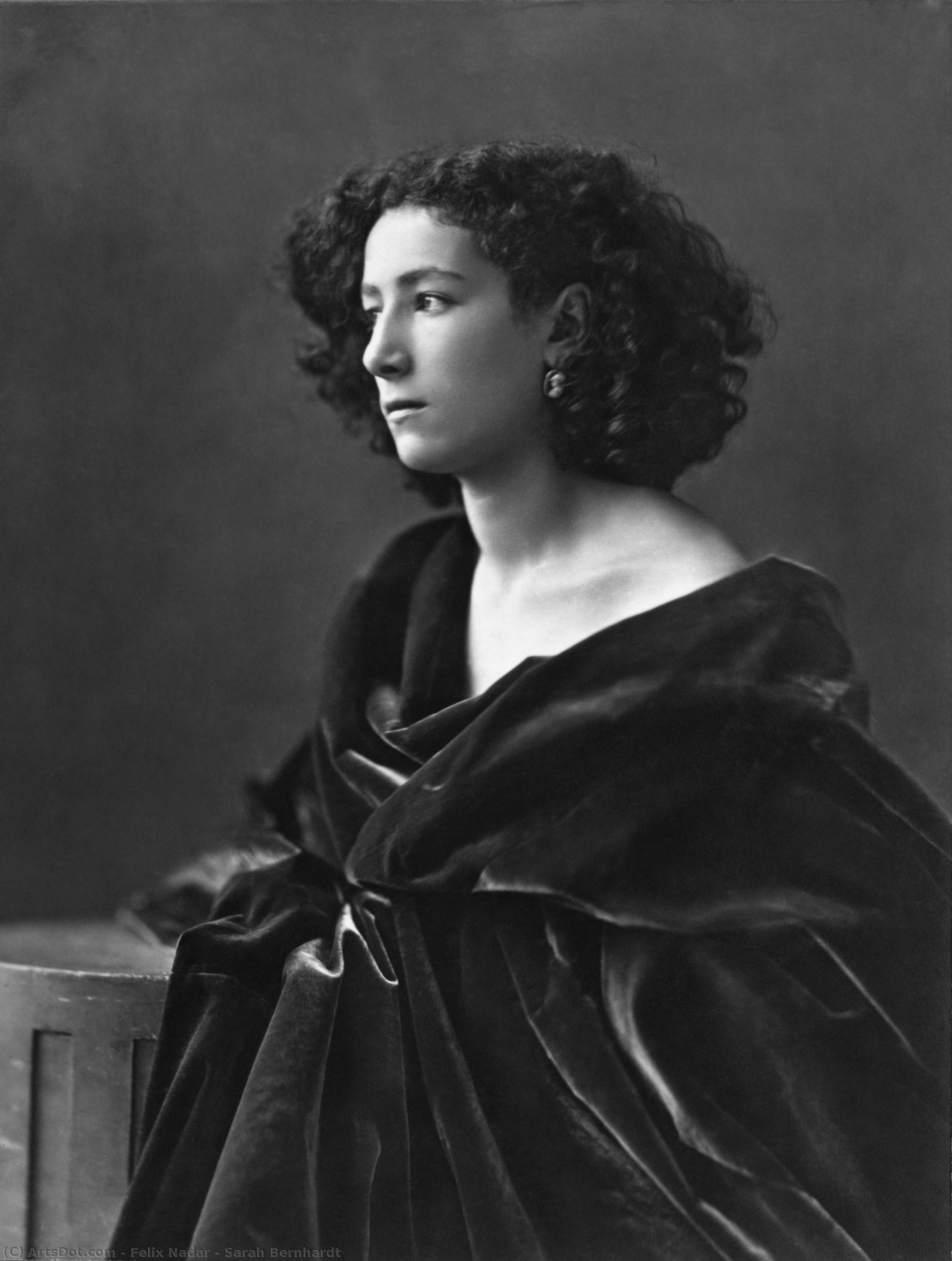
Sarah Bernhardt
 Acrylic On Canvas
- WallArt
- 19th-century photography
 1864
1864 21.0 x 16.0 cm
 Museo J. Paul Getty
 Leer más
Giclée / Impresión de arte
Impresiones giclée o en lienzo de calidad de museo con producción rápida y opciones de acabado flexibles. ( Cambiar a pintura hecha a mano Cambiar a imagen)




P118B $10

P118H $10

P118W $10

P438Z $10

P508JH $12

P508YH $12

P805H $10

P805Z $10

P919BZ $10

P919G $10

P919XJ $10

P959ZH $10

P968JZ $12

W106C $8

W218G $10

W218JH $8

W218Y $10

W307PJ $10

W316G $10

W316PJ $8

W316Y $10

W398PJ $8

W4111J $10

W500HY $15

W500JH $15

W692G $12

W849H $8

W940BG $15

W953PJ $8




Elija entre nuestros tamaños predefinidos que respetan las proporciones originales de la obra.

Puede introducir sus propias dimensiones para adaptarse a un marco o espacio específico. Si el tamaño seleccionado no coincide con las proporciones de la imagen original, recortaremos la obra de arte o extenderemos la imagen con un borde con efecto espejo o de color sólido. Se enviará una maqueta digital para su aprobación antes de que comience la producción.
Tenga en cuenta que la vista previa en pantalla no refleja el recorte o la extensión real. Solo la maqueta mostrará con precisión la composición final.
Aunque existen tamaños personalizados, recomendamos seleccionar una dimensión de la lista predefinida para preservar las proporciones originales.
Envío a todo el mundo () en 2 semanas en lugar de las 4/5 semanas estándar. (5 agosto)

Envío exprés gratuito a todo el mundo

Lienzo de lino de alta calidad

Seguro de envío completo

Garantía de reembolso de aranceles aduaneros

Garantía de fidelidad cromática exacta

Política de devolución de 60 días (solo por defectos)

Garantía de devolución del 100% del dinero

Oferta por volumen
 La opción de vidrio solo está disponible en tamaños inferiores a 110 cm.

Sarah Bernhardt
Giclée / Impresión de arte
Tamaño de la reproducción
-


Precio total
$ 80
Descripción de la pieza
A Portrait of Timeless Grace: Sarah Bernhardt by Félix Nadar
Félix Nadar’s “Sarah Bernhardt,” captured in 1864, transcends the conventional portrait and becomes a profound study of presence—a frozen moment of theatrical intensity. More than simply a likeness, it's an intimate revelation of the legendary actress herself, radiating both vulnerability and formidable strength. The photograph, executed with the meticulous precision characteristic of Nadar’s work, offers a rare glimpse into Bernhardt’s carefully constructed stage persona, yet simultaneously hints at the woman beneath the glittering facade.
The image is dominated by a striking monochrome palette—a symphony of grays ranging from deep charcoal to delicate silver. This deliberate absence of color forces the viewer to focus entirely on form and texture, highlighting the intricate details of Bernhardt’s face, the luxurious drape of her shawl, and the subtle play of light and shadow across her features. Nadar masterfully employs chiaroscuro—the dramatic contrast between light and dark—to sculpt Bernhardt's figure, emphasizing her cheekbones, the delicate curve of her lips, and the downward tilt of her head, a gesture that simultaneously conveys melancholy and quiet contemplation.
The Language of Photography: Technique and Process
Nadar’s choice of wet collodion process is crucial to understanding the photograph's unique character. This demanding technique required immediate development—the plate had to be prepared, exposed, and processed within minutes, creating a remarkable immediacy in the image. The slight imperfections inherent in this method – subtle shifts in tone, minute variations in sharpness – contribute to the photograph’s authentic feel, imbuing it with a sense of captured time rather than a polished, idealized representation.
The composition itself is remarkably restrained. Nadar eschews elaborate backgrounds or distracting props, focusing entirely on Bernhardt and her immediate surroundings. The shallow depth of field further isolates the subject, drawing the viewer’s attention to her face and creating an intimate sense of connection. Note the subtle vignette effect around the edges – a darkening that frames the subject and directs the eye inward, mirroring the theatrical spotlight she commanded on stage.
A Star is Born: Context and Symbolism
“Sarah Bernhardt” was taken at a pivotal moment in the actress’s career. Just twenty years old, she was already establishing herself as one of France's most celebrated performers, captivating audiences with her dramatic range and magnetic stage presence. The photograph captures this burgeoning fame—the poised confidence, the hint of vulnerability—and foreshadows the legendary status she would eventually achieve.
The shawl draped around Bernhardt’s shoulders is more than just a garment; it's a symbol of both protection and concealment. It frames her face, drawing attention to her expressive eyes and carefully controlled expression, while simultaneously hinting at the layers beneath—the private emotions and personal struggles that fueled her performances. The downward gaze, often interpreted as sadness or introspection, adds a layer of complexity to the portrait, suggesting a depth beyond mere theatricality.
A Legacy in Silver: Nadar’s Vision
Félix Nadar's “Sarah Bernhardt” stands as a testament to his pioneering spirit and artistic vision. He wasn’t simply documenting a celebrity; he was attempting to capture the essence of a personality, revealing the inner life behind the public persona. This photograph exemplifies Nadar’s approach to portraiture—a willingness to challenge conventions, embrace imperfection, and delve into the psychological complexities of his subjects. It remains a powerful and enduring image, offering a captivating glimpse into the world of 19th-century theater and the remarkable woman who dominated it.
Biografía del artista
Félix Nadar: Un Pionero de la Fotografía
Primeros Años y Orígenes
- Nacimiento: Gaspard-Félix Tournachon el 5 de abril de 1820, en París (aunque algunas fuentes sugieren Lyon).
- Su padre, Victor Tournachon, era impresor y librero.
- Inicialmente estudió medicina pero lo abandonó debido a las limitaciones financieras tras la muerte de su padre.
- Nadar, como se le conoció, comenzó su carrera como caricaturista y novelista, contribuyendo a varios periódicos.
De Caricatura a Fotografía
- Comenzó a experimentar con la fotografía alrededor de 1853.
- Abrió su primer estudio fotográfico en 1854 en el número 113 de rue St. Lazare, posteriormente trasladándolo al número 35 del Boulevard des Capucines en 1860.
- Ganó rápidamente reconocimiento por sus retratos impactantes e introspectivos psicológicamente.
- Rechazo a la Convención: Nadar rechazó los telones de fondo opulentos comunes en el retrato, prefiriendo la luz natural y centrándose en la personalidad del modelo.
Fotografía Aérea Pionera
- En 1858, Nadar se convirtió en la primera persona en tomar fotografías aéreas utilizando globos aerostáticos.
- Superó los desafíos técnicos relacionados con el desarrollo de placas fotográficas a gran altitud inventando una cubierta de algodón a prueba de gas para las canastas de sus globos aerostáticos.
- También pionero en la iluminación artificial en fotografía, particularmente dentro de las Catacumbas de París.
- Le Géant: Encargó la construcción de un globo masivo llamado “Le Géant” (El Gigante) en 1863, inspirando a Jules Verne’s *Cinco Semanas en un Globo Aerostático*.
Logros y Influencias Principales
- Retratos: Fotografió a numerosos personajes destacados, incluyendo a Victor Hugo, Charles Baudelaire, Sarah Bernhardt y Gustave Courbet.
- Estableció el primer servicio de correo aéreo del mundo durante el Sitio de París (1870-71) utilizando vuelos en globo aerostático.
- Organizó la primera exposición impresionista en su estudio en 1874, brindando una plataforma crucial para los artistas emergentes.
- Publicó lo que se considera la primera entrevista fotográfica en 1886, con el químico Michel Eugène Chevreul.
Vida Tardía y Legado
- Trasladó su estudio a Marsella de 1895 a 1909.
- Falleció el 20 de marzo de 1910 en París y fue enterrado en el cementerio Père Lachaise.
- Su hijo, Paul Nadar, continuó las operaciones del estudio después de su muerte.
- Cuando era fotógrafo: Publicó una autobiografía que refleja su vida y obra, ofreciendo valiosas perspectivas sobre la fotografía del siglo XIX.
- Significado Histórico: Las técnicas innovadoras y la visión artística de Nadar impactaron profundamente el desarrollo de la fotografía como forma de arte. Sus retratos son representaciones icónicas de los círculos intelectuales y artísticos parisinos.
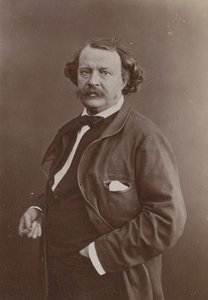
Félix Nadar
1820 - 1910 , Francia
Datos clave
- Artistic Movement Or Style: Fotografía
- Artists Or Movements Influenced By This Artist: ['Impresionismo']
- Artists Who Influenced This Artist: ['Jules Verne']
- Date Of Birth: Abril 5, 1820
- Date Of Death: Marzo 20, 1910
- Full Name: Félix Nadar
- Nationality: Francés
- Notable Artworks:
- Retratos de Baudelaire
- Hugo
- Delacroix
- Place Of Birth: París (Lyon)
Artículos relacionados

De Instantánea a Lienzo: El Arte de Transformar la Fotografía de Viaje en Pinturas al Óleo Atemporales
Transforma tus fotos de viaje en atemporales pinturas al óleo hechas a mano por artistas expertos. Calidad museo, personalización total y una inversión duradera. ¡Descubre el arte que perdura!

Del Selfie al Retrato de Estudio: La Transformación Contemporánea del Autorretrato en Óleo
Descubra la fascinante transformación del autorretrato en óleo, desde el 'selfie' hasta obras maestras contemporáneas. Guía experta para coleccionistas y amantes del arte. ¡Encuentre su obra única!

Beyond the Portrait: Félix Nadar & the Psychological Depths of 19th-Century Photography
Explore the revolutionary photography of Félix Nadar – pioneer of portraiture, aerial imaging & psychological depth. Discover his iconic portraits of Baudelaire, Hugo & more. A deep dive into 19th-century art history.
¿Por Qué un Retrato de Boda Personalizado es el Regalo Más Significativo?
Descubre el regalo más significativo: un retrato de boda personalizado pintado a mano por artistas expertos. Crea recuerdos inolvidables y una herencia familiar duradera con .

Chromatic Absence: Exploring the Aesthetic Power of Black & White Art
Explore the captivating world of monochrome art! Discover its rich history, influential artists like Malevich & Klein, and profound emotional impact. Expert insights for collectors & design enthusiasts.