

 Vista previa
 Compartir
 Compartir
 Ver detalles

 Descargar
 Ver artículos similares
 Radiografía
 Presentación de diapositivas
 Estadísticas
Pierrot the Photographer


 Leer más
Giclée / Impresión de arte
Impresiones giclée o en lienzo de calidad de museo con producción rápida y opciones de acabado flexibles. ( Encargar reproducción pintada a mano Ver versión en imagen digital)




P118B $10

P118H $10

P118W $10

P438Z $10

P508JH $12

P508YH $12

P805H $10

P805Z $10

P919BZ $10

P919G $10

P919XJ $10

P959ZH $10

P968JZ $12

W106C $8

W218G $10

W218JH $8

W218Y $10

W307PJ $10

W316G $10

W316PJ $8

W316Y $10

W398PJ $8

W4111J $10

W500HY $15

W500JH $15

W692G $12

W849H $8

W940BG $15

W953PJ $8




Elija entre nuestros tamaños predefinidos que respetan las proporciones originales de la obra.

Puede introducir sus propias dimensiones para adaptarse a un marco o espacio específico. Si el tamaño seleccionado no coincide con las proporciones de la imagen original, recortaremos la obra de arte o extenderemos la imagen con un borde con efecto espejo o de color sólido. Se enviará una maqueta digital para su aprobación antes de que comience la producción.
Tenga en cuenta que la vista previa en pantalla no refleja el recorte o la extensión real. Solo la maqueta mostrará con precisión la composición final.
Aunque existen tamaños personalizados, recomendamos seleccionar una dimensión de la lista predefinida para preservar las proporciones originales.
Envío a todo el mundo () en 2 semanas en lugar de las 4/5 semanas estándar. (17 septiembre)

Envío exprés gratuito a todo el mundo

Lienzo de lino de alta calidad

Seguro de envío completo

Garantía de reembolso de impuestos aduaneros

Garantía de fidelidad cromática exacta

Política de devolución de 100 días (solo por defectos)

Garantía de devolución del 100% del dinero

Oferta por volumen
 La opción de vidrio solo está disponible en tamaños inferiores a 110 cm.

Pierrot the Photographer
Giclée / Impresión de arte
Tamaño de la reproducción
-


Precio total
$ 80
The Enigmatic Figure: Unveiling “Pierrot the Photographer”
Félix Nadar’s “Pierrot the Photographer,” created in 1854, isn't merely a portrait; it’s a meticulously constructed tableau vivant—a staged scene brimming with quiet observation and subtle commentary on the burgeoning world of photography. The image immediately draws the eye to Pierrot, a figure both familiar and unsettlingly modern, holding a camera poised as if capturing not just a likeness but an essence. He embodies the nascent spirit of the photographer himself – a blend of artist, observer, and documentarian, all wrapped in the playful guise of a traditional clown. The photograph’s power lies not simply in its technical execution, but in the carefully orchestrated narrative it presents, inviting us to contemplate the very nature of representation and identity.
The work's historical context is crucial to understanding its significance. Nadar was a pioneer, pushing against the conventions of portraiture prevalent during the mid-19th century. He rejected the opulent backdrops and theatrical poses favored by his contemporaries, instead opting for natural light and an intimate approach that prioritized capturing the sitter’s personality. “Pierrot the Photographer” exemplifies this shift—a deliberate departure from traditional formality, suggesting a new era of visual storytelling.
A Dance of Light and Shadow: Technical Details & Artistic Choices
Examining the photographic process reveals layers of artistry. “Pierrot the Photographer” was undoubtedly produced using one of the early wet collodion techniques, a demanding method requiring immediate development after exposure. This explains the image’s distinctive grainy texture—a hallmark of photographs from this period—and the subtle variations in tone that contribute to its aged and evocative quality. The careful control of light is particularly noteworthy; diffused illumination creates a soft, almost melancholic atmosphere, highlighting the textures of Pierrot's costume and casting gentle shadows that add depth and dimension.
Nadar’s compositional choices further enhance the photograph’s impact. The tripod, a stark vertical element, anchors the scene while simultaneously creating a sense of formality and precision. Pierrot’s slight tilt of his head—a subtle gesture of engagement—draws us into the frame, inviting us to share in his moment of observation. The two indistinct figures in the background offer a hint of context without disrupting the central focus, suggesting a studio setting and hinting at the collaborative nature of photographic production.
Symbolism & Emotional Resonance: Beyond the Surface
“Pierrot the Photographer” is rich with symbolic meaning. The clown costume itself—a traditional symbol of playfulness and theatricality—contrasts sharply with the seriousness of the act of photography, creating a fascinating tension. The camera becomes an extension of Pierrot’s personality, transforming him into both subject and observer. The image speaks to the evolving role of the photographer in society – moving from mere recorder of reality to active participant in shaping it.
Furthermore, the photograph evokes a sense of nostalgia and timelessness. Its aged appearance—the subtle imperfections and tonal variations—suggests that it has witnessed countless moments, carrying with it the weight of history. “Pierrot the Photographer” is not simply a portrait; it’s a meditation on memory, identity, and the enduring power of visual representation.
A Legacy in Reproduction: Bringing Nadar's Vision to Life
Reproductions of “Pierrot the Photographer” offer a unique opportunity to experience the artistry of Félix Nadar firsthand. The meticulous detail captured in this early photograph—the textures of the costume, the subtle nuances of light and shadow—are faithfully reproduced in high-quality prints, allowing viewers to appreciate the depth and complexity of Nadar’s vision. Whether displayed as a statement piece in a contemporary interior or studied as an historical artifact, this iconic image continues to captivate and inspire.
Biografía del artista
Félix Nadar: Un Pionero de la Fotografía
Primeros Años y Orígenes
- Nacimiento: Gaspard-Félix Tournachon el 5 de abril de 1820, en París (aunque algunas fuentes sugieren Lyon).
- Su padre, Victor Tournachon, era impresor y librero.
- Inicialmente estudió medicina pero lo abandonó debido a las limitaciones financieras tras la muerte de su padre.
- Nadar, como se le conoció, comenzó su carrera como caricaturista y novelista, contribuyendo a varios periódicos.
De Caricatura a Fotografía
- Comenzó a experimentar con la fotografía alrededor de 1853.
- Abrió su primer estudio fotográfico en 1854 en el número 113 de rue St. Lazare, posteriormente trasladándolo al número 35 del Boulevard des Capucines en 1860.
- Ganó rápidamente reconocimiento por sus retratos impactantes e introspectivos psicológicamente.
- Rechazo a la Convención: Nadar rechazó los telones de fondo opulentos comunes en el retrato, prefiriendo la luz natural y centrándose en la personalidad del modelo.
Fotografía Aérea Pionera
- En 1858, Nadar se convirtió en la primera persona en tomar fotografías aéreas utilizando globos aerostáticos.
- Superó los desafíos técnicos relacionados con el desarrollo de placas fotográficas a gran altitud inventando una cubierta de algodón a prueba de gas para las canastas de sus globos aerostáticos.
- También pionero en la iluminación artificial en fotografía, particularmente dentro de las Catacumbas de París.
- Le Géant: Encargó la construcción de un globo masivo llamado “Le Géant” (El Gigante) en 1863, inspirando a Jules Verne’s *Cinco Semanas en un Globo Aerostático*.
Logros y Influencias Principales
- Retratos: Fotografió a numerosos personajes destacados, incluyendo a Victor Hugo, Charles Baudelaire, Sarah Bernhardt y Gustave Courbet.
- Estableció el primer servicio de correo aéreo del mundo durante el Sitio de París (1870-71) utilizando vuelos en globo aerostático.
- Organizó la primera exposición impresionista en su estudio en 1874, brindando una plataforma crucial para los artistas emergentes.
- Publicó lo que se considera la primera entrevista fotográfica en 1886, con el químico Michel Eugène Chevreul.
Vida Tardía y Legado
- Trasladó su estudio a Marsella de 1895 a 1909.
- Falleció el 20 de marzo de 1910 en París y fue enterrado en el cementerio Père Lachaise.
- Su hijo, Paul Nadar, continuó las operaciones del estudio después de su muerte.
- Cuando era fotógrafo: Publicó una autobiografía que refleja su vida y obra, ofreciendo valiosas perspectivas sobre la fotografía del siglo XIX.
- Significado Histórico: Las técnicas innovadoras y la visión artística de Nadar impactaron profundamente el desarrollo de la fotografía como forma de arte. Sus retratos son representaciones icónicas de los círculos intelectuales y artísticos parisinos.
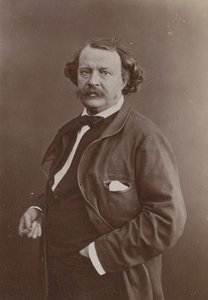
Félix Nadar
1820 - 1910 , Francia
Datos clave
- Artistic Movement Or Style: Fotografía
- Artists Or Movements Influenced By This Artist: ['Impresionismo']
- Artists Who Influenced This Artist: ['Jules Verne']
- Date Of Birth: Abril 5, 1820
- Date Of Death: Marzo 20, 1910
- Full Name: Félix Nadar
- Nationality: Francés
- Notable Artworks:
- Retratos de Baudelaire
- Hugo
- Delacroix
- Place Of Birth: París (Lyon)
Artículos relacionados

Beyond the Lens: Photography's Enduring Influence on Modern & Contemporary Art
Explore photography's pivotal role in shaping modern & contemporary art. Discover key movements, influential artists like Stieglitz, and expert collecting advice from OriginalUniqueArt.
Beyond Color: The Timeless Power and Artistry of Black and White Photography
Explore the profound artistry of black and white photography. From the chemistry of gelatin silver to the chiaroscuro of the Old Masters, discover how monochrome captures the eternal essence of light, form, and emotion for the discerning art collector.
Timeless Shadows: The Artistry, History, and Emotional Resonance of Black and White Photography
Explore the profound artistry of black and white photography. From historical mastery to the interplay of light and shadow, discover how monochrome captures timeless emotion and form through a sophisticated lens of art history.

Beyond the Portrait: Félix Nadar & the Psychological Depths of 19th-Century Photography
Explore the revolutionary photography of Félix Nadar – pioneer of portraiture, aerial imaging & psychological depth. Discover his iconic portraits of Baudelaire, Hugo & more. A deep dive into 19th-century art history.

Monochrome Visions: Exploring the Aesthetic & Historical Significance of Black & White Photography
Explore the rich history & artistic power of black and white photography. From early techniques to iconic masters like Ansel Adams, discover why monochrome continues to captivate art lovers today. Expert insights for collectors.

