

 Vista previa
 Compartir
 Compartir
 Ver detalles
 Guía
Guía

 Descargar
 Ver artículos similares
 Radiografía
 Presentación de diapositivas
 Estadísticas
Old Lady Reading
 Oil On Canvas
- WallArt
- Impressionism
 1940
1940- Modern
 30.0 x 40.0 cm
 Biblioteca Nacional de Gales
 Leer más
Giclée / Impresión de arte
Impresiones giclée o en lienzo de calidad de museo con producción rápida y opciones de acabado flexibles. ( Encargar reproducción pintada a mano Ver versión en imagen digital)




P118B $10

P118H $10

P118W $10

P438Z $10

P508JH $12

P508YH $12

P805H $10

P805Z $10

P919BZ $10

P919G $10

P919XJ $10

P959ZH $10

P968JZ $12

W106C $8

W218G $10

W218JH $8

W218Y $10

W307PJ $10

W316G $10

W316PJ $8

W316Y $10

W398PJ $8

W4111J $10

W500HY $15

W500JH $15

W692G $12

W849H $8

W940BG $15

W953PJ $8




Elija entre nuestros tamaños predefinidos que respetan las proporciones originales de la obra.

Puede introducir sus propias dimensiones para adaptarse a un marco o espacio específico. Si el tamaño seleccionado no coincide con las proporciones de la imagen original, recortaremos la obra de arte o extenderemos la imagen con un borde con efecto espejo o de color sólido. Se enviará una maqueta digital para su aprobación antes de que comience la producción.
Tenga en cuenta que la vista previa en pantalla no refleja el recorte o la extensión real. Solo la maqueta mostrará con precisión la composición final.
Aunque existen tamaños personalizados, recomendamos seleccionar una dimensión de la lista predefinida para preservar las proporciones originales.
Envío a todo el mundo () en 2 semanas en lugar de las 4/5 semanas estándar. (26 septiembre)

Envío exprés gratuito a todo el mundo

Lienzo de lino de alta calidad

Seguro de envío completo

Garantía de reembolso de impuestos aduaneros

Garantía de fidelidad cromática exacta

Política de devolución de 100 días (solo por defectos)

Garantía de devolución del 100% del dinero

Oferta por volumen
 La opción de vidrio solo está disponible en tamaños inferiores a 110 cm.

Old Lady Reading
Giclée / Impresión de arte
Tamaño de la reproducción
-


Precio total
$ 80
A Moment Frozen in Time: The Intimacy of Evan Walters's 'Old Lady Reading'
In the quiet corners of art history, certain works possess the unique ability to halt time, inviting the viewer into a private, whispered moment of contemplation. Evan Walters, a master of capturing the soul of his subjects, achieves this profound stillness in his 1940 masterpiece, Old Lady Reading. This evocative oil painting transcends a mere portrait; it is an immersive experience that draws us into the solitary world of an elderly woman lost in her thoughts. As she sits at her table, engaged in the rhythmic act of writing or drawing, we are not merely observers but silent companions to her quietude. The composition, though centered on the figure, utilizes a dark and indistinct background to push the subject forward, creating a sense of depth that feels both physically present and emotionally resonant.
The brilliance of this work lies in its masterful use of Impressionistic and Post-Impressionistic techniques. Walters eschews the rigid constraints of meticulous realism in favor of a loose, expressive style that prioritizes the essence of the subject over photographic precision. Through the heavy application of paint—a technique known as impasto—the canvas takes on a tactile, sculptural quality. Every visible brushstroke serves a purpose, contributing to a sense of movement and spontaneity that breathes life into the stationary figure. The light, appearing to descend from an unseen source above, dances across the thick textures of her clothing and the weathered contours of her face, casting shadows that lend a remarkable volume and weight to her presence.
Beyond its technical prowess, Old Lady Reading is steeped in a subtle, melancholic beauty. The organic shapes of the woman’s hands and features, though rendered with gestural lines, carry a profound dignity. There is a symbolic depth to be found in her activity; the act of writing or drawing serves as a powerful metaphor for memory, creativity, and the enduring human spirit amidst the passage of time. For the discerning collector or interior designer, this piece offers more than just aesthetic appeal. It provides a focal point of profound emotional gravity, making it an ideal addition to spaces designed for reflection, study, or quiet luxury. To possess a reproduction of this work is to bring a piece of Welsh artistic heritage and a sense of timeless peace into one's own environment.
Biografía del artista
El alma del paisaje galés: La vida y visión de Evan Walters
Evan John Walters se erige como una figura singular en el tapiz de la historia del arte galés, un visionario cuyo pincel tendió un puente entre la dureza industrial y una profunda expresión artística. Nacido en 1l93 en Llanfylech, enclavado en un paisaje definido tanto por la tradición rural como por las crecientes sombras de la industria, Walters poseía una sensibilidad innata hacia las texturas de su tierra natal. Sus años formativos, transcurridos entre los valles de Llangyfelach y Mynyddbach, le infundieron una conexión profunda con la cultura y el idioma galés, un cimiento que más tarde le permitiría traducir la atmósfera densa de las comunidades mineras en narrativas visuales evocadoras.
Su viaje artístico fue una combinación de disciplina práctica y refinamiento académico. Tras iniciar su formación en la Morriston Technical School, Walters desarrolló un conjunto de habilidades fundamentales como pintor y decorador, un oficio que le otorgó una comprensión táctil y única de la superficie y el pigmento. Esta base técnica se elevó posteriormente mediante rigurosos estudios en la Swansea School of Art y el Regent Street Polytechnic en Londres. A medida que avanzaba hacia las Royal Academy Schools, su obra comenzó a absorber las corrientes más amplias del modernismo europeo, particularmente el poder emotivo del Expresionismo, lo que eventualmente dotaría a sus retratos y paisajes de una profundidad psicológica inquietante.
Del camuflaje al carácter: Una carrera transformadora
La trayectoria de la vida de Walters se vio alterada irrevocablemente por las mareas de los conflictos globales. En 1915, en medio de la agitación de la Primera Guerra Mundial, emigró a América, desempeñándose en una función que exigía un dominio extraordinario del color y la percepción: como pintor de camuflaje. Este periodo de observación meticulosa —aprendiendo a manipular la luz, la sombra y la forma para engañar al ojo— agudizó su capacidad para traducir información visual compleja en poderosas declaraciones artísticas. Fue durante esta era de movimiento global cuando su precisión técnica se encontró con un creciente interés por la condición humana.
Al regresar a Gales tras la guerra, Walters se transformó en un célebre retratista, reconocido por su habilidad para capturar no solo un parecido físico, sino la esencia misma de sus sujetos. Su carrera se vio significativamente fortalecida por el mecenazgo transformador de Winifred Tennant, cuyo temprano reconocimiento de su talento le proporcionó la estabilidad necesaria para explorar temas más ambiciosos. A través de los encargos de ella, Walters fue más allá de la simple representación, utilizando el retrato de las figuras influyentes de la época para tejer un comentario social más profundo en su repertorio.
Un legado de textura y emoción
La importancia perdurable de Evan Walters reside en su capacidad para hallar belleza dentro de la lucha industrial. Su obra se caracteriza por una versatilidad notable, que oscila desde la calidez íntima que se encuentra en piezas como Eva hasta la vitalidad vibrante y texturizada de Naturaleza muerta con crisantemos. Ya fuera al representar la atmósfera pesada y manchada de hollín de un pueblo minero o el delicado juego de luces sobre un arreglo floral, su trabajo permaneció anclado en un respeto profundo por el carácter inherente del sujeto.
Las contribuciones de Walters al arte del siglo XX están marcadas por varios elementos clave:
- La síntesis de estilos: Su capacidad única para combinar las técnicas clásicas de la Royal Academy con la energía cruda y emotiva del Expresionismo.
- Documentación social: Su papel en el registro del rostro cambiante de Gales, capturando la dignidad de la clase trabajadora y el paisaje industrial en transformación.
- Maestría técnica: Un uso sofisticado de la teoría del color y la textura, probablemente influenciado por sus primeras experiencias en el camuflaje y las artes decorativas.
Hoy en día, las obras de Evan Walters sirven como una ventana vital a una era pasada de la identidad galesa. Sigue siendo un artista que no se limitó a observar el mundo, sino que sintió su peso, dejando tras de sí un legado que continúa resonando en cualquiera que busque la intersección entre la verdad histórica y la belleza poética.

Evan Walters
1892 - 1951 , Gales
Datos clave
- Artistic Movement Or Style: Expressionist
- Artists Or Movements Influenced By This Artist: ['Industrial Art']
- Artists Who Influenced This Artist: ['Augustus John']
- Date Of Birth: 1893
- Date Of Death: 1951
- Full Name: Evan John Walters
- Nationality: Welsh
- Notable Artworks:
- Eve
- Self Portrait
- Place Of Birth: Llangyfelach, Wales
Artículos relacionados
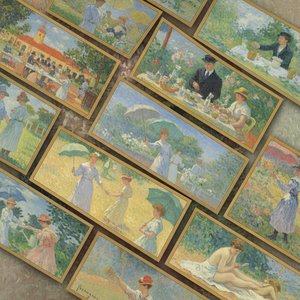
Renoir: Las 25 Obras Maestras del Impresionismo para Decorar tu Hogar con Arte
Descubre las 25 obras maestras de Renoir, el rey del impresionismo. Explora su técnica, historia y significado en cada pintura. Encuentra reproducciones de arte de alta calidad para decorar tu hogar con OriginalUniqueArt.com.
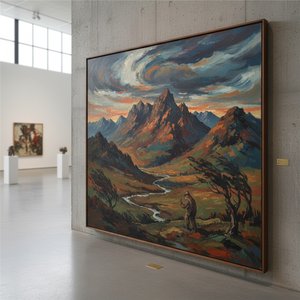
Evan Walters: A Study in Contemporary Landscape Painting & Emotional Resonance
Explore the captivating world of Evan Walters, a Welsh artist renowned for his evocative landscapes & social commentary. Discover his Impressionistic style, unique journey, and lasting impact on 20th-century art – a valuable insight for collectors.
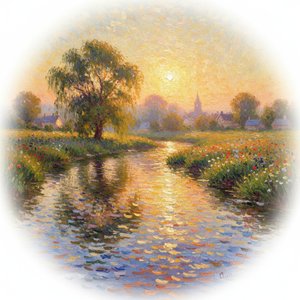
Capturing Light: A Masterclass in the Ethereal Beauty of Impressionistic Landscapes
Explore the ethereal beauty of Impressionist landscapes. Discover how masters like Monet captured fleeting light through color and texture, and learn to curate these timeless, luminous masterpieces for your home collection.

Los 10 Maestros del Paisaje Impresionista: Obras que Cambiaron la Historia del Arte
Descubre los 10 lienzos impresionistas que revolucionaron el arte. Explora la historia de Monet, Van Gogh y Renoir, sus técnicas y colores vibrantes. Encuentra reproducciones de alta calidad para decorar tu hogar en OriginalUniqueArt.com

Impressionistic Realism's Finest: 10 Masterpieces for Your Home | OriginalUniqueArt
Journey through Impressionistic Realism with 10 iconic masterpieces by Monet, Renoir & Van Gogh. Explore art history, techniques & find museum-quality reproductions for your home at OriginalUniqueArt.com. Discover all masterpieces online!