

 Ver en contexto
 Enviar
 Compartir
 Detalles
 Guía
Guía

 Descargar
 Similares
 Radiografía
 Presentación de diapositivas
 Estadísticas
Maternity


 Ver más
Giclée / Impresión de arte
Impresiones giclée o en lienzo de calidad de museo con producción rápida y opciones de acabado flexibles. ( Comprar pintura hecha a mano Cambiar a imagen digital)




P118B €10

P118H €10

P118W €10

P438Z €10

P508JH €12

P508YH €12

P805H €10

P805Z €10

P919BZ €10

P919G €10

P919XJ €10

P959ZH €10

P968JZ €12

W106C €8

W218G €10

W218JH €8

W218Y €10

W307PJ €10

W316G €10

W316PJ €8

W316Y €10

W398PJ €8

W4111J €10

W500HY €15

W500JH €15

W692G €12

W849H €8

W940BG €15

W953PJ €8




Elija entre nuestros tamaños predefinidos que respetan las proporciones originales de la obra.

Introduzca el ancho y el alto que necesite para adaptarse a su marco o pared. Una impresión solo puede recortarse, nunca hacerse más grande que la imagen original, por lo que un tamaño con una forma distinta perderá parte de la obra. Le enviaremos una maqueta digital para su aprobación antes de realizar cualquier impresión. La imagen que se muestra en esta página no refleja el recorte real; solo la maqueta lo hace.
Envío a todo el mundo () en 2 semanas en lugar de las 4/5 semanas estándar. (26 octubre)

Envío exprés gratuito a todo el mundo

Lienzo de lino de alta calidad

Seguro de envío total

Garantía de reembolso de aranceles aduaneros

Garantía de fidelidad cromática exacta

Política de devolución de 100 días (solo por defectos)

Garantía de devolución del 100% del dinero

Descuento por cantidad
 La opción de vidrio solo está disponible en tamaños inferiores a 110 cm.

Maternity
Giclée / Impresión de arte
Dimensiones de la reproducción
-


Precio total final
€ 70
A Portrait of Maternal Reverence: Eugène Carrière’s Maternity
Eugène Anatole Carrière stands apart from his contemporaries—Monet, Degas, Cézanne—not merely in stylistic preference but in a profound philosophical commitment to capturing the essence of human experience. Born in 1849 in Gournay-sur-Marne, France, he embarked on an artistic journey marked by unwavering dedication to exploring themes of spirituality and domestic tranquility. His formative years were shaped by exposure to Rubens’s luminous palette and the crucible of imprisonment in Dresden, experiences that instilled within him a sensitivity to light and color—though he would ultimately abandon them for a distinctive monochrome aesthetic. This singular approach cemented his reputation as “the painter of Breast-Feeding,” a genre he pursued with fervent conviction throughout his prolific career. ### The Monochrome Palette: A Symbol of Inner Light Carrière’s artistic signature is undeniably his masterful manipulation of color—or rather, the deliberate absence thereof. Rejecting the Impressionist obsession with capturing fleeting moments of visual sensation, he sought to distill emotion into its purest form: a subdued brown hue that permeated nearly all his canvases. This stylistic choice wasn't simply an aesthetic preference; it represented a deeply held belief in the primacy of inner contemplation and spiritual illumination. As Edmond de Goncourt eloquently observed during Carrière’s lifetime, “This Carrière really is the painter of Breast-Feeding.” He meticulously studied gestures and expressions, striving to convey not just what he saw but what he felt—a palpable resonance with the viewer's own emotional landscape. The monochromatic palette served as a conduit for conveying profound psychological depth, mirroring the stillness and serenity of domestic life. ### Maternity: A Study in Tender Gestures and Spiritual Resonance “Maternity,” completed in 1890, exemplifies Carrière’s artistic vision at its zenith. This evocative portrait depicts a woman cradling her infant child, bathed in soft light emanating from an unseen source—a deliberate allusion to divine grace and nurturing compassion. The composition is strikingly simple yet powerfully expressive: the woman's gaze directs upwards, suggesting contemplation of something beyond the immediate physical realm; her hands are outstretched, conveying warmth and protection. Two figures flank the central scene, adding depth and subtly hinting at the broader context of familial devotion. Véronique Milin Dumesnil, Carrière’s granddaughter, recounted that the models for Maternity were his wife and one of their seven children—Jean René or Leon—underscoring the artist's personal connection to the subject matter. ### Technique and Historical Context: Embracing Rubensian Influence Carrière’s technique is characterized by meticulous detail and painstaking layering of paint—a testament to his unwavering commitment to capturing nuanced textures and tonal variations. He achieved this remarkable effect through a process of gradual buildup, applying thin glazes over thicker underlayers to create an illusion of depth and luminosity despite the absence of color. This approach harkens back to Rubens’s masterful use of chiaroscuro—the dramatic interplay between light and shadow—a technique that Carrière adopted with unwavering fidelity. The painting emerged during a period marked by growing interest in Symbolism, a movement that sought to transcend mere representation and delve into realms of psychological and spiritual significance. Like many Symbolist artists, Carrière aimed to evoke emotion rather than depict reality objectively, inviting viewers to contemplate the profound mysteries of human existence. ### Legacy and Emotional Impact: A Timeless Expression of Maternal Love “Maternity” remains a captivating masterpiece—a testament to Carrière’s artistic genius and his unwavering belief in the transformative power of art. Its enduring appeal lies not only in its exquisite craftsmanship but also in its ability to resonate deeply with audiences across generations. The painting captures the essence of maternal tenderness, conveying a sense of serenity and spiritual contemplation that transcends time and culture. It serves as an inspiring reminder of the beauty and significance of familial bonds—a timeless expression of love, compassion, and faith.Preguntas y respuestas
¿De qué país es la obra del Symbolist Art "Maternity"?
La obra de Symbolist Art "Maternity" fue realizada por un artista nacido en Francia.
¿Qué paleta de colores se utiliza en "Maternity" de Eugène Anatole Carrière?
"Maternity" de Eugène Anatole Carrière utiliza una paleta de colores Earthy. Esta gama de tonos define el carácter cromático general de la obra.
¿A qué etapa de la trayectoria de Eugène Anatole Carrière pertenece "Maternity"?
"Maternity" representa el Mature Period de Eugène Anatole Carrière.
Biografía del artista
**Primeros años y formación**
Eugène Anatole Carrière, un renombrado artista simbolista francés, nació el 16 de enero de 1849 en Gournay-sur-Marne, Seine-Saint-Denis. Estudió en la École des Beaux-Arts de París y posteriormente con Cabanel, sentando las bases para sus futuros proyectos artísticos.**Estilo artístico e influencias**
Las pinturas de Carrière son más conocidas por su distintiva paleta monocromática marrón, que ha sido objeto de fascinación para muchos entusiastas del arte. Su obra estuvo influenciada por el arte de Peter Paul Rubens, al que se expuso durante su tiempo como prisionero en Dresde. Esta influencia es evidente en los colores brillantes de sus primeras pinturas. **La joven madre (1879)**, una de las obras más notables de Carrière en sus inicios, se encuentra actualmente en el Musée des Beaux-Arts de Rouen. Esta pieza marcó el comienzo de los temas de su vida doméstica, que se convertirían en una característica distintiva de su estilo artístico.**Obras destacadas y exposiciones**
- **El niño enfermo (Montargis)**
- **La primera comunión (Toulon)**
- **Retrato de Louis-Henri Devillez (1887)**, una obra muy elogiada que muestra la habilidad de Carrière para capturar la esencia de sus sujetos.
**Legado e influencia en el arte moderno**
El estilo monocromático de Carrière ha sido visto en las obras de Pablo Picasso, particularmente durante su período azul. Esta influencia es un testimonio del impacto duradero de Carrière en el arte moderno.- Vea más obras de Carrière en OriginalUniqueArt.com/eugène anatole carrière
- Explore el Musée des Beaux-Arts de Rouen, que alberga algunas de las primeras obras de Carrière, en descubriendo el musée des beaux-arts de carcassonne (france)
- Aprenda más sobre el simbolismo y su influencia en el arte en el movimiento artístico del simbolismo

Eugène Anatole Carrière
1849 - 1906 , Francia
Datos clave
- Artistas Que Influyeron: ['Peter Paul Rubens']
- Estilo Artístico: Simbolismo francés
- Fecha De Fallecimiento: 1906
- Fecha De Nacimiento: 16 de enero de 1849
- Influencia En Artistas: ['Pablo Picasso']
- Lugar De Nacimiento: Gournay-sur-Marne, Francia
- Nacionalidad: Francesa
- Nombre Completo: Eugène Anatole Carrière
- Obras Notables:
- La joven madre (1879)
- El niño enfermo (Montargis)
- La primera comunión (Toulon)
- Retrato de Louis-Henri Devillez
Artículos relacionados

El Reino Evocador del Simbolismo: Explorando el Significado y el Misticismo en el Arte de Finales del Siglo XIX
Descubre el fascinante mundo del Simbolismo en el arte de finales del siglo XIX. Análisis profundo de sus características, artistas clave como Moreau y Musatov, y su legado perdurable. ¡Explora la belleza oculta!

Monochrome Visions: Exploring the Aesthetic & Historical Significance of Black & White Photography
Explore the rich history & artistic power of black and white photography. From early techniques to iconic masters like Ansel Adams, discover why monochrome continues to captivate art lovers today. Expert insights for collectors.
The Subtleties of Shade: Exploring Monochrome's Enduring Power in Art History & Contemporary Practice
Explore the captivating world of monochrome painting! Discover its rich history, from Renaissance chiaroscuro to contemporary minimalism. Uncover the emotional power and artistic techniques behind this enduring art form.
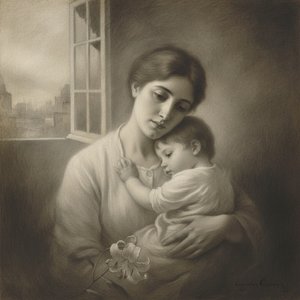
Eugène Carrière: The 'Peintre d'Âme' & Symbolist Portraiture’s Intimate Vision
Explore the haunting world of Eugène Carrière, a pivotal French Symbolist artist known for his deeply intimate portraits & 'peinture d'âme'. Discover his life, style, and lasting influence on modern masters like Picasso. Shop high-quality reproductions at OriginalUniqueArt.
10 Obras Maestras Medievales que Definen el Arte (y tu Hogar)
Descubre 10 obras maestras del arte medieval, desde Duccio a Van Eyck. Explora la historia, simbolismo y belleza de Giotto, Simone Martini y más. Encuentra reproducciones de alta calidad para decorar tu hogar en OriginalUniqueArt.com.

