Ver en contexto
 Enviar
 Compartir
 Detalles
 Guía
Guía

 Descargar
 Similares
 Radiografía
 Presentación de diapositivas
 Preguntas y respuestas
 Estadísticas
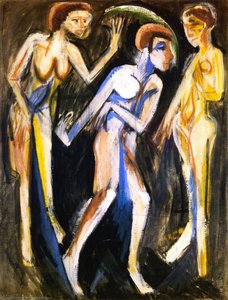
Dancing Mary Wigman

- 44.0 x 35.0 cm


 Ver más
Giclée / Impresión de arte
Impresiones giclée o en lienzo de calidad de museo con producción rápida y opciones de acabado flexibles. ( Comprar pintura hecha a mano Cambiar a imagen digital)




P118B €10

P118H €10

P118W €10

P438Z €10

P508JH €12

P508YH €12

P805H €10

P805Z €10

P919BZ €10

P919G €10

P919XJ €10

P959ZH €10

P968JZ €12

W106C €8

W218G €10

W218JH €8

W218Y €10

W307PJ €10

W316G €10

W316PJ €8

W316Y €10

W398PJ €8

W4111J €10

W500HY €15

W500JH €15

W692G €12

W849H €8

W940BG €15

W953PJ €8




Elija entre nuestros tamaños predefinidos que respetan las proporciones originales de la obra.

Introduzca el ancho y el alto que necesite para adaptarse a su marco o pared. Una impresión solo puede recortarse, nunca hacerse más grande que la imagen original, por lo que un tamaño con una forma distinta perderá parte de la obra. Le enviaremos una maqueta digital para su aprobación antes de realizar cualquier impresión. La imagen que se muestra en esta página no refleja el recorte real; solo la maqueta lo hace.
Envío a todo el mundo () en 2 semanas en lugar de las 4/5 semanas estándar. (3 noviembre)

Envío exprés gratuito a todo el mundo

Lienzo de lino de alta calidad

Seguro de envío total

Garantía de reembolso de aranceles aduaneros

Garantía de fidelidad cromática exacta

Política de devolución de 100 días (solo por defectos)

Garantía de devolución del 100% del dinero

Descuento por cantidad
 La opción de vidrio solo está disponible en tamaños inferiores a 110 cm.

Dancing Mary Wigman
Giclée / Impresión de arte
Dimensiones de la reproducción
-


Precio total final
€ 72
The Visceral Energy of Modern Movement
To stand before this depiction of Dancing Mary Wigman is to confront raw, unbridled energy captured in stark monochrome. It is not merely a portrait of a dancer; it is an embodiment of kinetic force, a moment wrested from the ephemeral nature of performance and rendered permanent through the unforgiving clarity of the woodcut medium. The figure seems caught mid-flight, her posture defying gravity with angular grace. Every line etched into this print pulses with life, suggesting a narrative of struggle, ecstasy, or profound liberation. This work speaks directly to the primal rhythms of the human body in motion, inviting the viewer not just to look, but to feel the rhythm beneath their own skin.
Expressionism's Bold Dialogue
Dating from 1933, this piece sits squarely within the powerful current of German Expressionism. Ernst Ludwig Kirchner, the master whose hand shaped this vision, channeled the anxieties and heightened emotional states of a rapidly changing world into his art. The style eschews academic polish for visceral truth. Observe how the forms are not rendered realistically but rather distilled into their most essential geometric components—sharp triangles, bold diagonals, and sweeping curves. This simplification is deliberate; it strips away the mundane veneer of reality to expose something more fundamental: pure feeling. It is an art that refuses comfort, demanding instead a passionate engagement with its emotional intensity.
The Power of Line and Woodblock Technique
Technically, the woodcut process dictates the artwork's dramatic vocabulary. The medium itself—the carving into wood and the subsequent transfer of ink—results in lines of breathtaking crispness and uncompromising strength. There is no subtle blending here; instead, shadow and volume are built through the juxtaposition of dense black areas against stark white voids. This high-contrast interplay creates an almost graphic tension across the surface. The implied texture comes from the density of these parallel or intersecting marks, giving the drapery and musculature a palpable weight, even as the overall composition feels weightless, suspended in motion.
Symbolism of Freedom and Form
The subject matter—the dancer—has always been a potent symbol throughout art history, but here it takes on an added layer of symbolic resonance. Mary Wigman’s dance, captured by Kirchner, transcends mere entertainment; it becomes an allegory for the modern spirit grappling with societal constraints. The outstretched limbs and leaning torso suggest a yearning for freedom, a breaking away from rigid structure. For collectors and designers alike, this piece offers more than just decoration; it is a potent talisman of vitality. Placing such a work in a space imbues it with intellectual energy, suggesting that the inhabitants value raw emotion and artistic rebellion.
Bringing Modern Drama Home
For those seeking an accent piece that speaks volumes without uttering a word, this reproduction offers unparalleled dramatic impact. Its vertical orientation makes it ideal for anchoring a hallway or serving as a powerful focal point above a console table. The stark black and white palette ensures its timeless modernity; it complements both minimalist contemporary interiors and richly decorated historical settings by virtue of its inherent graphic power. Owning this piece is acquiring a fragment of artistic history—a visceral echo of German modernism ready to electrify your space.
Preguntas y respuestas
¿Quién creó "Dancing Mary Wigman" y de qué estilo es?
"Dancing Mary Wigman" es una obra de Ernst Ludwig Kirchner perteneciente al movimiento Expressionism.
¿Dónde puedo encontrar estadísticas sobre "Dancing Mary Wigman" de Ernst Ludwig Kirchner?
Existe una página de Estadísticas para "Dancing Mary Wigman". En ella se detallan las visitas mensuales de la obra y de otras piezas del artista, con desgloses por país e idioma.
¿A qué etapa de la trayectoria de Ernst Ludwig Kirchner pertenece "Dancing Mary Wigman"?
"Dancing Mary Wigman" pertenece al Mature Period de la trayectoria de Ernst Ludwig Kirchner. Esta clasificación vincula la obra con el desarrollo del artista.
Biografía del artista
Ernst Ludwig Kirchner: Vida y Legado
Primeros Años y Educación
Ernst Ludwig Kirchner, una figura clave del Expresionismo alemán, nació el 6 de mayo de 1880 en Aschaffenburg, Baviera. Su herencia prusiana familiar y la ascendencia hugonota de su madre moldearon significativamente su identidad artística. Las frecuentes mudanzas durante su infancia – debido a la búsqueda de empleo de su padre – llevaron a Kirchner a asistir a escuelas en Frankfurt y Perlen antes de establecerse en Chemnitz cuando su padre consiguió un puesto en el colegio tecnológico local.
En 1901, Kirchner comenzó a estudiar arquitectura en la Königliche Technische Hochschule (Real Escuela Técnica) en Dresde. Sin embargo, pronto se sintió atraído por la pintura, encontrando inspiración en las obras de artistas como Albrecht Dürer y desarrollando una perspectiva radical sobre el arte junto con su amigo, Fritz Bleyl.
Formación de Die Brücke (El Puente)
Un punto de inflexión en la carrera de Kirchner llegó en 1905 cuando cofundó Die Brücke (“El Puente”) con Bleyl, Karl Schmidt-Rottluff y Erich Heckel. Este grupo tenía como objetivo cerrar la brecha entre los estilos académicos tradicionales y una forma de expresión más moderna y cargada emocionalmente. Buscaron inspiración en el arte primitivo, particularmente del África y Oceanía, así como en las obras de Vincent van Gogh y Edvard Munch.
Estilo Artístico y Características Clave
El estilo artístico de Kirchner se caracteriza por sus colores audaces, pinceladas expresivas y composiciones a menudo inquietantes. Representaba con frecuencia escenas urbanas, retratando la alienación y las ansiedades de la vida moderna a principios del siglo XX en Alemania. Su obra también presenta un número significativo de desnudos femeninos dentro de paisajes naturales, mostrando su fascinación por el movimiento y la forma.
- Paletas de Colores Audaces: Kirchner empleó colores vibrantes, a menudo no naturalistas, para transmitir emoción.
- Trabajo de Pincel Expresivo: Sus pinceladas son enérgicas y visibles, contribuyendo a la intensidad emocional general de sus pinturas.
- Formas Distorsionadas: Las figuras y los objetos a menudo están distorsionados o alargados, reflejando una realidad subjetiva más que objetiva.
- Temas Urbanos: Muchas de sus obras representan calles bulliciosas de la ciudad y el impacto psicológico de la vida urbana moderna.
Obras Principales y Logros
Algunas de las obras más notables de Kirchner incluyen:
- La Calle (1908) – Una representación esencial de la vida callejera en Berlín, capturando su energía y alienación.
- Bailarina Saltando, Gret Palucca (1912) – Muestra su interés por el movimiento expresivo y la forma humana.
- Autorretrato con Modelo (1910) - Un ejemplo llamativo de su autoexploración a través del arte.
- Cinco Mujeres en la Calle (1913)
Vida Posterior, Desafíos y Legado
La vida de Kirchner estuvo marcada por el tormento personal. Sufrió un colapso mental durante la Primera Guerra Mundial y posteriormente se retiró a Suiza. El auge del nazismo trajo consigo nuevas dificultades; más de 600 de sus obras fueron confiscadas y consideradas “arte degenerado”. Enfrentando persecución y deterioro de su salud, Kirchner trágicamente se suicidó en Davos, Suiza, el 15 de junio de 1938.
A pesar de este trágico final, el legado de Ernst Ludwig Kirchner perdura. Sigue siendo una figura central del Expresionismo alemán, influyendo en generaciones de artistas con su estilo audaz y sus representaciones emocionalmente resonantes de la vida moderna. Su obra continúa expuesta en importantes museos de todo el mundo y es muy solicitada por coleccionistas.
Influencias e Impacto
Influenciado Por: Albrecht Dürer, Vincent van Gogh, Edvard Munch, Arte Primitivo (Africano y Oceanía)
Influyó en: La obra de Kirchner impactó profundamente a generaciones posteriores de artistas expresionistas y modernos. Su exploración de temas psicológicos y su uso innovador del color y la forma continúan inspirando prácticas artísticas contemporáneas.

Ernst Ludwig Kirchner
1880 - 1938 , Alemania
Datos clave
- Artistas Que Influyeron:
- Albrecht Dürer
- Vincent van Gogh
- Edvard Munch
- Fecha De Fallecimiento: 15 de junio de 1938
- Fecha De Nacimiento: 6 de mayo de 1880
- Influenciado A: Expresionistas y artistas modernos
- Lugar De Nacimiento: Aschaffenburg, Alemania
- Movimiento Artístico: Expresionismo, Die Brücke
- Nacionalidad: Alemán
- Nombre Completo: Ernst Ludwig Kirchner
- Obras Notables:
- La calle
- Bailarina saltando
- Autorretrato con modelo
- Cinco mujeres en la calle
- Torre roja en Halle
Artículos relacionados

El Arte de la Xilografía: Historia, Técnica y el Legado del Grabado en Madera
Descubre la historia y técnica del grabado en madera con rigor académico. Explora el legado de los grandes maestros ahora.
El Grito Visceral de una Nación: Explorando la Emoción y la Distorsión en el Expresionismo Alemán
Descubre el expresionismo alemán en profundidad. Analizamos sus orígenes, artistas clave como Kirchner y Kandinsky, técnicas innovadoras y su impacto duradero en el arte moderno. Guía para coleccionistas.
Ernst Ludwig Kirchner: Expressionism's Urban Anxiety & the Fragmentation of Modern Identity
Explore the powerful world of Ernst Ludwig Kirchner and German Expressionism. Discover his iconic paintings, Die Brücke group, and the movement's exploration of urban anxiety & modern identity. Expert analysis for collectors & enthusiasts.
The Vibrant World of Ernst Ludwig Kirchner: A Definitive Guide to German Expressionism
Explore the raw emotion of German Expressionism through a definitive guide to Ernst Ludwig Kirchner. Discover how his bold colors and distorted forms redefined modern art history, from Berlin street scenes to iconic masterpieces.

Expresionismo Alemán: 10 Obras Maestras que Transformaron el Arte | OriginalUniqueArt
Descubre las 10 obras maestras del Expresionismo Alemán: Kirchner, Munch y más. Explora la historia, técnica y emoción detrás de estos lienzos icónicos. Reproducciones de arte de museo en OriginalUniqueArt.com. ¡Inspira tu hogar con arte!