

 Vista previa
 Compartir
 Compartir
 Ver detalles
 Guía
Guía

 Descargar
 Ver artículos similares
 Radiografía
 Presentación de diapositivas
 Estadísticas
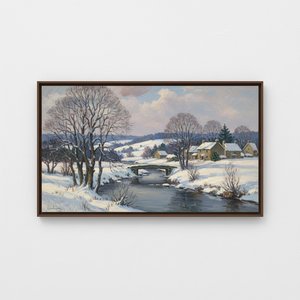
Washington Bridge


 Leer más
Giclée / Impresión de arte
Impresiones giclée o en lienzo de calidad de museo con producción rápida y opciones de acabado flexibles. ( Encargar reproducción pintada a mano Ver versión en imagen digital)




P118B €10

P118H €10

P118W €10

P438Z €10

P508JH €12

P508YH €12

P805H €10

P805Z €10

P919BZ €10

P919G €10

P919XJ €10

P959ZH €10

P968JZ €12

W106C €8

W218G €10

W218JH €8

W218Y €10

W307PJ €10

W316G €10

W316PJ €8

W316Y €10

W398PJ €8

W4111J €10

W500HY €15

W500JH €15

W692G €12

W849H €8

W940BG €15

W953PJ €8




Elija entre nuestros tamaños predefinidos que respetan las proporciones originales de la obra.

Introduzca el ancho y el alto que necesite para adaptarse a su marco o pared. Una impresión solo puede recortarse, nunca hacerse más grande que la imagen original, por lo que un tamaño con una forma distinta perderá parte de la obra. Le enviaremos una maqueta digital para su aprobación antes de realizar cualquier impresión. La imagen que se muestra en esta página no refleja el recorte real; solo la maqueta lo hace.
Envío a todo el mundo () en 2 semanas en lugar de las 4/5 semanas estándar. (24 octubre)

Envío exprés gratuito a todo el mundo

Lienzo de lino de alta calidad

Seguro de envío completo

Garantía de reembolso de impuestos aduaneros

Garantía de fidelidad cromática exacta

Política de devolución de 100 días (solo por defectos)

Garantía de devolución del 100% del dinero

Oferta por volumen
 La opción de vidrio solo está disponible en tamaños inferiores a 110 cm.

Washington Bridge
Giclée / Impresión de arte
Tamaño de la reproducción
-


Precio total
€ 70
A Symphony of Light and Steel: Reimagining the Washington Bridge
In the heart of the American Impressionist movement, few works capture the delicate tension between industrial progress and natural serenity as poignantly as Ernest Lawson’s Washington Bridge. Painted in 1910, this evocative oil on canvas serves as a window into a bygone era, where the burgeoning skyline of New York began to intertwine with the rhythmic pulse of the river. The painting presents a breathtaking view of the bridge spanning the water, framed by the soft, textured foliage of the riverbank. Lawson does not merely depict a structure; he captures a fleeting moment in time, an atmospheric breath caught between the heavy permanence of steel and the ephemeral dance of light filtering through an overcast sky.
The brilliance of this masterpiece lies in its masterful use of broken color and visible, energetic brushstrokes. Eschewing the rigid lines of traditional realism, Lawson employs a technique that leans toward the expressive qualities of Fauvism, using small, distinct patches of pigment to build form and depth. This approach creates a tactile surface where the viewer can almost feel the roughness of the earth in the foreground and the cool, damp mist clinging to the bridge’s arches. The composition is expertly guided by a diagonal pathway that draws the eye inward, leading the observer on a visual journey from the organic textures of the riverbank toward the geometric majesty of the urban horizon.
Historical Resonance and Artistic Legacy
To understand Washington Bridge is to understand the evolution of American landscape painting at the turn of the twentieth century. Having studied under John Twachtman and been deeply influenced by the plein air traditions of French Impressionists like Alfred Sisley, Lawson brought a unique North American sensibility to the movement. His work reflects a profound connection to the landscape, finding beauty in the industrial transitions of his time. This painting stands as a testament to that era—a period where artists sought to find the soul within the expanding metropolis, celebrating the way light interacts with man-made monuments.
For the discerning collector or interior designer, this artwork offers more than mere decoration; it provides an emotional anchor for any space. The muted, sophisticated palette of the overcast sky and river tones creates a sense of calm and contemplative depth, making it an ideal centerpiece for a room designed for reflection. Whether placed in a contemporary gallery setting or a classic study, the painting’s ability to evoke nostalgia while maintaining a modern, textured vitality ensures it remains a timeless addition to any curated collection. Owning a high-quality reproduction of this Lawson masterpiece allows one to invite the quiet, atmospheric grandeur of 1910 New York into the modern home.
Preguntas y respuestas
¿De qué país proviene la obra del Impressionism "Washington Bridge"?
"Washington Bridge" conecta el movimiento Impressionism con Canadá a través del lugar de nacimiento de su creador.
¿Qué ubicación se adapta mejor al formato de "Washington Bridge" de Ernest Lawson?
El formato (Landscape) y el espacio recomendado (Living Room) son los dos datos de colocación registrados para "Washington Bridge" de Ernest Lawson.
¿A qué corriente artística pertenece "Washington Bridge" de Ernest Lawson?
El movimiento asociado con "Washington Bridge" de Ernest Lawson es Impressionism. Esta clasificación sitúa la obra entre artistas y obras relacionadas.
Biografía del artista
Primeros años y formación
Ernest Lawson, una figura destacada del movimiento impresionista americano, nació el 22 de marzo de 1873 en Halifax, Nueva Escocia, Canadá. En 1888, se trasladó a los Estados Unidos, estableciéndose primero en Kansas City y, posteriormente, en 1891, en Nueva York, donde se inscribió en clases en la Art Students League. Bajo la tutela de John Twachtman, Lawson fue introducido al impresionismo, lo que influiría significativamente en sus años formativos.Desarrollo artístico e influencias
El estilo de Lawson, caracterizado por una mezcla de impresionismo y realismo, se vio moldeado por sus interacciones con diversos artistas. Estudió en la Académie Julian en París en 1893, donde conoció a Jean-Joseph Benjamin-Constant y Jean-Paul Laurens. Sus experiencias de pintura al aire libre en el sur de Francia y Moret-sur-Loing, donde conoció a Alfred Sisley, un impresionista inglés, enriquecieron aún más su perspectiva artística."The Eight" y exposiciones notables
En 1908, Lawson se unió a "The Eight", un grupo de artistas que protestaban contra los gustos estrechos y las políticas restrictivas de exhibición de la National Academy of Design. Esta asociación condujo a una exposición crucial en las galerías Macbeth en Nueva York, que atrajo una atención mediática significativa e inició un debate sobre la diversidad del estilo y el tema en el arte americano.- "City Suburbs", una de las obras notables de Lawson, ahora forma parte de la colección Phillips en Washington, D.C., mostrando su mezcla única de impresionismo y realismo.
- Otra pieza, "Approaching Storm", también en la colección Phillips, demuestra la maestría de Lawson para capturar la esencia de los paisajes americanos.
Legado e impacto
El estilo sobrio pero vibrante de Lawson, descrito por el crítico de arte James Gibbons Huneker como originario de una "paleta de joyas trituradas", ha dejado una huella imborrable en el arte americano. Su participación en "The Eight" y su enfoque artístico único lo han convertido en una figura notable en la historia del impresionismo. Puntos clave:- Nacido: 22 de marzo de 1873, Halifax, Nueva Escocia, Canadá
- Fallecido: 18 de diciembre de 1939
- Obras notables: "City Suburbs", "Approaching Storm"
- Influencias: John Twachtman, Jean-Joseph Benjamin-Constant, Alfred Sisley
- Asociación: The Eight
- Estilo: Mezcla de impresionismo y realismo

Ernest Lawson
1873 - 1939 , Canadá
Datos clave
- Artistas Que Influyeron:
- John Twachtman
- Alfred Sisley
- Fecha De Fallecimiento: 18 de diciembre de 1939
- Fecha De Nacimiento: 22 de marzo de 1873
- Lugar De Nacimiento: Halifax, Canadá
- Movimiento Artístico: Impresionismo americano
- Nacionalidad: Canadiense-estadounidense
- Nombre Completo: Ernest Lawson
- Obras Notables:
- City Suburbs
- Approaching Storm
Artículos relacionados
Ernest Lawson: A Pioneer of American Impressionism & His Vision of the Rural Landscape
Explore the life & art of Ernest Lawson, a pivotal figure in American Impressionism. Discover his evocative landscapes, influences, and lasting legacy with OriginalUniqueArt.

Evocations of Place: A Historical Journey Through Landscape Art
Explore the rich history of landscape art with OriginalUniqueArt. Discover renowned artists, movements like Impressionism & tonalism, and expert guidance for collecting timeless pieces. Find your perfect serene escape today!

Paul Cézanne: Las 25 Obras Maestras que Definieron el Arte Moderno | OriginalUniqueArt
Descubre las 25 obras maestras de Paul Cézanne que revolucionaron el arte moderno. Explora su técnica, inspiración y significado en paisajes, bodegones y retratos. Reproducciones de alta calidad para decorar tu hogar con arte inolvidable. ¡Explora la colección completa en OriginalUniqueArt.com!

Evocations of Place: A Historical Journey Through Landscape Art
Explore the rich history of landscape art with OriginalUniqueArt. Discover renowned artists, movements like Impressionism & Romanticism, and expert guidance for collecting timeless pieces. Find your perfect serene escape today!

John Constable: Las 25 Obras Maestras del Paisaje Inglés | OriginalUniqueArt
Descubre las 25 obras maestras de John Constable, el pintor romántico inglés que capturó la belleza del paisaje. Explora su técnica, historia y significado en OriginalUniqueArt.com. Reproducciones de arte de alta calidad para tu hogar.
