- Inicio

- Impresión en lienzo
- Ernest Lawson
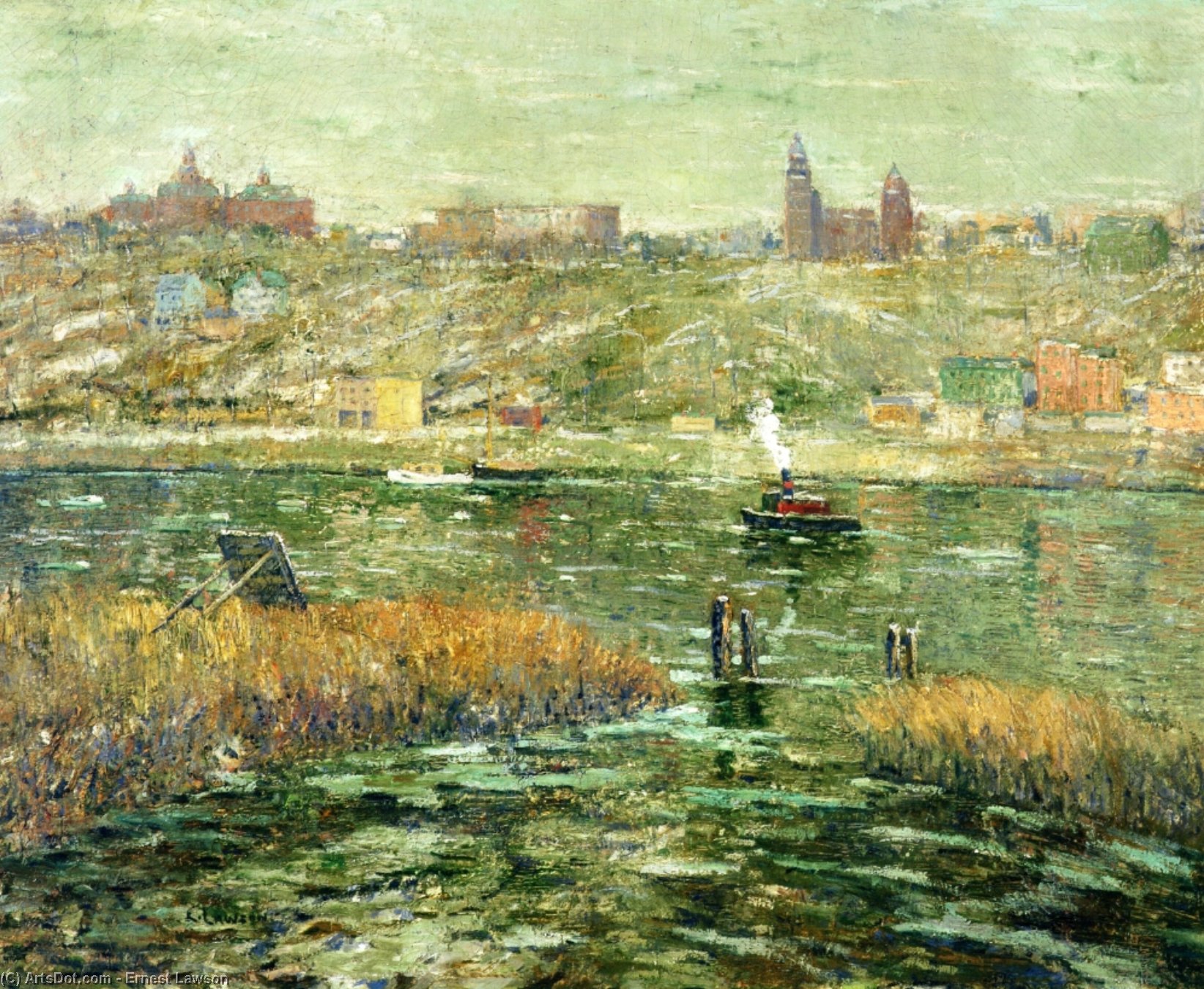
- Harlem River
 Vista previa
 Compartir
 Compartir
 Ver detalles

 Descargar
 Ver similares
 Radiografía
 Presentación de diapositivas
Harlem River


 Leer más
Giclée / Impresión de arte
Impresiones giclée o en lienzo de calidad de museo con producción rápida y opciones de acabado flexibles. ( Cambiar a pintura hecha a mano Cambiar a imagen)




P118B $10

P118H $10

P118W $10

P438Z $10

P508JH $12

P508YH $12

P805H $10

P805Z $10

P919BZ $10

P919G $10

P919XJ $10

P959ZH $10

P968JZ $12

W106C $8

W218G $10

W218JH $8

W218Y $10

W307PJ $10

W316G $10

W316PJ $8

W316Y $10

W398PJ $8

W4111J $10

W500HY $15

W500JH $15

W692G $12

W849H $8

W940BG $15

W953PJ $8




Elija entre nuestros tamaños predefinidos que respetan las proporciones originales de la obra.

Puede introducir sus propias dimensiones para adaptarse a un marco o espacio específico. Si el tamaño seleccionado no coincide con las proporciones de la imagen original, recortaremos la obra de arte o extenderemos la imagen con un borde con efecto espejo o de color sólido. Se enviará una maqueta digital para su aprobación antes de que comience la producción.
Tenga en cuenta que la vista previa en pantalla no refleja el recorte o la extensión real. Solo la maqueta mostrará con precisión la composición final.
Aunque existen tamaños personalizados, recomendamos seleccionar una dimensión de la lista predefinida para preservar las proporciones originales.
Envío a todo el mundo () en 2 semanas en lugar de las 4/5 semanas estándar. (4 agosto)

Envío exprés gratuito a todo el mundo

Lienzo de lino de alta calidad

Seguro de envío completo

Garantía de reembolso de aranceles aduaneros

Garantía de fidelidad cromática exacta

Política de devolución de 60 días (solo por defectos)

Garantía de devolución del 100% del dinero

Oferta por volumen
 La opción de vidrio solo está disponible en tamaños inferiores a 110 cm.

Harlem River
Giclée / Impresión de arte
Tamaño de la reproducción
-


Precio total
$ 80
Descripción de la pieza
A Symphony of Light on the Harlem River
In his 1911 masterpiece, Harlem River, Ernest Lawson invites the viewer to step into a world where the boundaries between water, sky, and shore dissolve into a vibrant dance of light. This exquisite oil on canvas is far more than a mere landscape; it is an Impressionist poem captured in pigment. The scene unfolds along the rhythmic pulse of the river, where several boats drift through the shimmering currents, their forms softened by the atmospheric haze. A solitary figure stands near the water's edge, a quiet observer lost in the grandeur of the scene, serving as a poignant anchor for the viewer’s own contemplation. Through Lawson's eyes, the Harlem River becomes a stage for the interplay of movement and stillness, capturing a fleeting moment of New York's natural beauty before the encroaching rush of modernity.
The technical brilliance of this work lies in Lawson's mastery of the Impressionist technique, specifically his ability to manipulate color and brushwork to evoke texture and temperature. Rather than relying on harsh outlines, he utilizes broken brushstrokes that allow colors to blend optically, creating a sense of shimmering energy. The palette is a sophisticated arrangement of tones that capture the essence of a living ecosystem; the cool blues and greens of the water contrast beautifully with the warmer, sun-drenched highlights reflecting off the boats and the shoreline. This meticulous application of paint gives the canvas a tactile quality, making the ripples of the river feel almost palpable to the touch.
Historical Resonance and Artistic Legacy
To understand Harlem River, one must look to Lawson’s place within the American art canon. As a prominent member of The Eight, Lawson brought a unique Canadian sensibility—honed by his early years in Halifax—to the gritty yet beautiful landscapes of New York. His training at the Art Students League under John Twachtman and his encounters with the French masters in Paris allowed him to bridge the gap between European Impressionism and American Realism. This painting stands as a testament to that fusion, capturing a specific historical era where the industrial spirit of the city met the untamed beauty of its waterways.
For the discerning collector or interior designer, this reproduction offers more than just aesthetic appeal; it provides an emotional centerpiece for any curated space. The painting’s ability to evoke tranquility while maintaining a sense of vitality makes it an ideal choice for creating a sophisticated atmosphere in a study, a grand living room, or a serene gallery setting. Owning a piece that reflects Lawson's profound connection to the light and life of the Harlem River is an opportunity to bring a fragment of art history into the modern home, offering a timeless window into a world of enduring grace and luminous beauty.
Biografía del artista
Primeros años y formación
Ernest Lawson, una figura destacada del movimiento impresionista americano, nació el 22 de marzo de 1873 en Halifax, Nueva Escocia, Canadá. En 1888, se trasladó a los Estados Unidos, estableciéndose primero en Kansas City y, posteriormente, en 1891, en Nueva York, donde se inscribió en clases en la Art Students League. Bajo la tutela de John Twachtman, Lawson fue introducido al impresionismo, lo que influiría significativamente en sus años formativos.Desarrollo artístico e influencias
El estilo de Lawson, caracterizado por una mezcla de impresionismo y realismo, se vio moldeado por sus interacciones con diversos artistas. Estudió en la Académie Julian en París en 1893, donde conoció a Jean-Joseph Benjamin-Constant y Jean-Paul Laurens. Sus experiencias de pintura al aire libre en el sur de Francia y Moret-sur-Loing, donde conoció a Alfred Sisley, un impresionista inglés, enriquecieron aún más su perspectiva artística."The Eight" y exposiciones notables
En 1908, Lawson se unió a "The Eight", un grupo de artistas que protestaban contra los gustos estrechos y las políticas restrictivas de exhibición de la National Academy of Design. Esta asociación condujo a una exposición crucial en las galerías Macbeth en Nueva York, que atrajo una atención mediática significativa e inició un debate sobre la diversidad del estilo y el tema en el arte americano.- "City Suburbs", una de las obras notables de Lawson, ahora forma parte de la colección Phillips en Washington, D.C., mostrando su mezcla única de impresionismo y realismo.
- Otra pieza, "Approaching Storm", también en la colección Phillips, demuestra la maestría de Lawson para capturar la esencia de los paisajes americanos.
Legado e impacto
El estilo sobrio pero vibrante de Lawson, descrito por el crítico de arte James Gibbons Huneker como originario de una "paleta de joyas trituradas", ha dejado una huella imborrable en el arte americano. Su participación en "The Eight" y su enfoque artístico único lo han convertido en una figura notable en la historia del impresionismo. Puntos clave:- Nacido: 22 de marzo de 1873, Halifax, Nueva Escocia, Canadá
- Fallecido: 18 de diciembre de 1939
- Obras notables: "City Suburbs", "Approaching Storm"
- Influencias: John Twachtman, Jean-Joseph Benjamin-Constant, Alfred Sisley
- Asociación: The Eight
- Estilo: Mezcla de impresionismo y realismo

Ernest Lawson
1873 - 1939 , Canadá
Datos clave
- Artistas Que Influyeron:
- John Twachtman
- Alfred Sisley
- Fecha De Fallecimiento: 18 de diciembre de 1939
- Fecha De Nacimiento: 22 de marzo de 1873
- Lugar De Nacimiento: Halifax, Canadá
- Movimiento Artístico: Impresionismo americano
- Nacionalidad: Canadiense-estadounidense
- Nombre Completo: Ernest Lawson
- Obras Notables:
- City Suburbs
- Approaching Storm
Artículos relacionados

Barcos en el Arte: 10 Obras Maestras para Inspirar tu Decoración
Descubre 10 obras maestras que capturan la belleza y el simbolismo de los barcos. Desde Monet hasta Van Gogh, explora la historia del arte marítimo e inspira tu decoración con reproducciones de museo en OriginalUniqueArt.com.
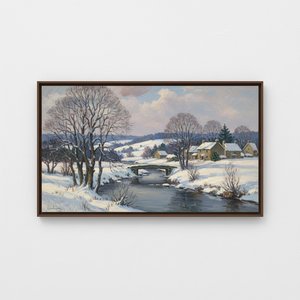
Ernest Lawson: A Pioneer of American Impressionism & His Vision of the Rural Landscape
Explore the life & art of Ernest Lawson, a pivotal figure in American Impressionism. Discover his evocative landscapes, influences, and lasting legacy with OriginalUniqueArt.
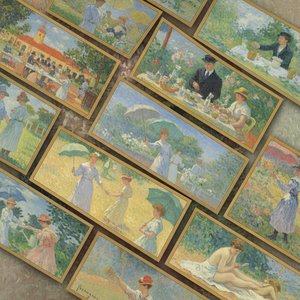
Renoir: Las 25 Obras Maestras del Impresionismo para Decorar tu Hogar con Arte
Descubre las 25 obras maestras de Renoir, el rey del impresionismo. Explora su técnica, historia y significado en cada pintura. Encuentra reproducciones de arte de alta calidad para decorar tu hogar con OriginalUniqueArt.com.

Los 10 Maestros del Paisaje Impresionista: Obras que Cambiaron la Historia del Arte
Descubre los 10 lienzos impresionistas que revolucionaron el arte. Explora la historia de Monet, Van Gogh y Renoir, sus técnicas y colores vibrantes. Encuentra reproducciones de alta calidad para decorar tu hogar en OriginalUniqueArt.com
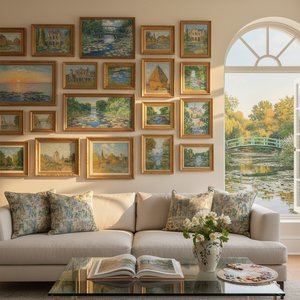
Claude Monet: Las 25 Obras Maestras del Impresionismo para Decorar tu Hogar con Arte
Descubre las 25 obras maestras de Claude Monet, el padre del impresionismo. Explora la historia, técnica y belleza de sus paisajes, nenúfares y 'Impresión, sole levant'. Encuentra reproducciones de arte exclusivas en OriginalUniqueArt.com.


