

 Vista previa
 Compartir
 Compartir
 Ver detalles
 Guía
Guía

 Descargar
 Ver artículos similares
 Radiografía
 Presentación de diapositivas
 Estadísticas
Dance around the golden calf


 Leer más
Giclée / Impresión de arte
Impresiones giclée o en lienzo de calidad de museo con producción rápida y opciones de acabado flexibles. ( Encargar reproducción pintada a mano Ver versión en imagen digital)




P118B $10

P118H $10

P118W $10

P438Z $10

P508JH $12

P508YH $12

P805H $10

P805Z $10

P919BZ $10

P919G $10

P919XJ $10

P959ZH $10

P968JZ $12

W106C $8

W218G $10

W218JH $8

W218Y $10

W307PJ $10

W316G $10

W316PJ $8

W316Y $10

W398PJ $8

W4111J $10

W500HY $15

W500JH $15

W692G $12

W849H $8

W940BG $15

W953PJ $8




Elija entre nuestros tamaños predefinidos que respetan las proporciones originales de la obra.

Puede introducir sus propias dimensiones para adaptarse a un marco o espacio específico. Si el tamaño seleccionado no coincide con las proporciones de la imagen original, recortaremos la obra de arte o extenderemos la imagen con un borde con efecto espejo o de color sólido. Se enviará una maqueta digital para su aprobación antes de que comience la producción.
Tenga en cuenta que la vista previa en pantalla no refleja el recorte o la extensión real. Solo la maqueta mostrará con precisión la composición final.
Aunque existen tamaños personalizados, recomendamos seleccionar una dimensión de la lista predefinida para preservar las proporciones originales.
Envío a todo el mundo () en 2 semanas en lugar de las 4/5 semanas estándar. (25 septiembre)

Envío exprés gratuito a todo el mundo

Lienzo de lino de alta calidad

Seguro de envío completo

Garantía de reembolso de impuestos aduaneros

Garantía de fidelidad cromática exacta

Política de devolución de 100 días (solo por defectos)

Garantía de devolución del 100% del dinero

Oferta por volumen
 La opción de vidrio solo está disponible en tamaños inferiores a 110 cm.

Dance around the golden calf
Giclée / Impresión de arte
Tamaño de la reproducción
-


Precio total
$ 80
A Primal Rhythm: The Visceral Energy of Nolde’s Vision
In the heart of the Expressionist movement, few works pulse with as much raw, unbridled vitality as Emil Nolde’s 1910 masterpiece, Dance Around the Golden Calf. This monumental canvas is not merely a depiction of a ritual; it is an immersive experience that pulls the viewer into a swirling vortex of human emotion and movement. At first glance, the eye is captured by the striking, rhythmic arrangement of figures locked in a circular dance, their bodies intertwined in a celebration that feels both ancient and urgently modern. Nolde, a master of capturing the primal essence of life, utilizes a palette dominated by deep, nocturnal blues that contrast sharply against earthy ochres and fiery reds, creating a visual tension that mirrors the spiritual fervor of the scene itself.
The subject matter captures a vibrant, almost hypnotic scene of women dancing before an audience, centered around the imposing presence of a golden calf statue. This composition captures a moment of joyous celebration and communal ritual, yet beneath the surface lies a complex layer of meaning. The golden calf serves as a potent symbol of idolatry—a rejection of monotheistic faith in favor of pagan worship—yet the dancing women represent vitality, fertility, and the celebration of life’s pleasures amidst uncertainty. For the discerning collector, this piece offers a profound sense of depth, inviting a contemplation of the eternal struggle between instinctual joy and societal or religious restraint.
Mastery of Expressionist Technique
Nolde’s distinctive style aligns perfectly with the core tenets of Expressionism, characterized by bold colors, simplified forms, and emotionally charged brushstrokes that represent a deliberate departure from academic realism. Eschewing the polished, restrained finishes of traditional painting, Nolde embraced a thick impasto method, applying oil paint with an energetic, almost aggressive brushstroke. This tactile quality gives the surface of the painting a sculptural dimension, where the texture of the paint itself mimics the muscularity and kinetic energy of the dancers. The technique prioritizes expressive color palettes and textural surfaces, ensuring that every movement on the canvas feels heavy with significance.
The historical context of this work is equally compelling. Created during a period of profound societal anxiety following the shifts in European thought leading into the early 20th century, the painting reflects a broader yearning for primal spirituality and an escape from rational thought. Nolde’s ability to translate these complex historical tensions into a visual language of color and form makes this artwork a cornerstone of modern art history. For interior designers and art lovers alike, a high-quality reproduction of this piece brings a commanding presence to any space, offering a focal point that is both intellectually stimulating and visually arresting.
An Emotional Resonance for the Modern Space
The emotional impact of Dance Around the Golden Calf is nothing short of transformative. Nolde's masterful use of color—particularly the interplay of reds, yellows, and blues—creates a palpable atmosphere of excitement and fervor. The painting evokes feelings of liberation, passion, and even a touch of the uncanny, inviting viewers to immerse themselves in the scene’s emotional core. It is an artwork that demands attention, making it an ideal selection for those seeking to infuse a room with energy, drama, and a sense of historical weight.
Whether placed in a contemporary gallery setting or a sophisticated private study, this reproduction serves as a window into the soul of Expressionism. It provides more than just decoration; it offers a piece of history that continues to resonate with the human desire for connection, rhythm, and the celebration of life's most primal instincts.
Biografía del artista
Emil Nolde: Vida y Legado
Primeros Años y Comienzos Artísticos
Emil Nolde, un reconocido pintor alemán-danés, nació Hans Emil Hansen el 7 de agosto de 1867 en Nolde, Schleswig-Holstein, Alemania. Provenía de una familia con fuertes lazos con la vida rural y las creencias religiosas, factores que influirían profundamente en su visión artística. A pesar de la resistencia inicial de sus padres, quienes preferían que siguiera una carrera más convencional, Nolde persiguió incansablemente su pasión por el arte. Inicialmente trabajó como escultor de madera y decorador de muebles antes de dedicarse por completo a la pintura en sus últimos veinte años.
Desarrollo Artístico e Influencias
El viaje artístico de Nolde estuvo marcado por la autoeducación y la exploración. Viajó extensamente, absorbiendo influencias de diversas culturas y formas artísticas. Las primeras influencias incluyeron a Vincent van Gogh, Paul Gauguin y el arte popular tradicional – particularmente el poder expresivo de las máscaras y esculturas primitivas. Estos encuentros despertaron su interés en colores audaces, formas simplificadas y temas de contenido emocionalmente cargado. Inicialmente experimentó con el Realismo e Impresionismo, pero rápidamente se movió hacia un estilo más subjetivo y expresivo.
Die Brücke y la Ruptura Expresionista
En 1905, Nolde cofundó Die Brücke (El Puente), un grupo clave de artistas expresionistas alemanes. Esta colectiva buscaba romper con las tradiciones académicas y expresar emociones internas a través de la experimentación artística radical. La contribución de Nolde al Die Brücke fue significativa; su uso intenso del color y las formas distorsionadas superaron los límites de la representación. Sin embargo, mantuvo un camino relativamente independiente dentro del grupo, desviándose a menudo en el tema y el enfoque estilístico.
Temas Clave y Estilo Artístico
El *oeuvre* (obra) de Nolde se caracteriza por varios temas recurrentes: escenas religiosas, paisajes, marescapes y retratos. Se sintió particularmente fascinado por el poder de las máscaras – tanto como objetos físicos como representaciones simbólicas de emociones primarias. Su estilo artístico está definido por:
- Colores audaces y vibrantes utilizados para transmitir intensidad emocional
- Formas distorsionadas que enfatizan la expresión sobre la representación realista
- Técnica del *impasto* - aplicación gruesa de pintura creando textura
- Un enfoque en capturar estados psicológicos internos*
Obras Notables y Logros
A lo largo de su carrera, Nolde creó una vasta obra. Algunas de sus pinturas más celebradas incluyen:
- Máscaras (1906-1907) – mostrando su fascinación por el arte primitivo
- La Maldición de Cristo (1909) – una escena religiosa poderosa y emocionalmente cargada
- Mar del Otoño (1908) - demostrando su pintura de paisajes expresiva.
- Jardín de Flores (Niña Lavando) (1907)
- Danza alrededor del Cordero Dorado (1909)
A pesar de enfrentar críticas y censura durante el régimen nazi – su obra fue considerada “degenerada” – Nolde continuó pintando en secreto. Producir un cuerpo significativo de pinturas al agua durante este período, demostrando su compromiso inquebrantable con la expresión artística.
Significado Histórico y Legado
El uso innovador del color y el trazo expresivo de Emil Nolde influyeron profundamente en las generaciones de artistas. Su obra conectó el abismo entre el arte representacional tradicional y los movimientos abstractos que le siguieron. Él sigue siendo una figura central en la historia del Expresionismo alemán, celebrado por su intensidad emocional, experimentación audaz y visión artística perdurable. Su legado continúa inspirando a artistas y amantes del arte de todo el mundo.
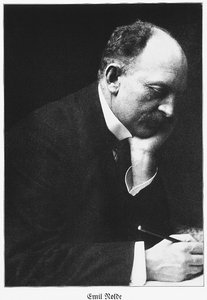
Emil Nolde
1867 - 1956 , Alemania
Datos clave
- Artistic Movement Or Style: Expressionism, Die Brücke
- Artists Who Influenced This Artist:
- Vincent van Gogh
- Paul Gauguin
- Date Of Birth: August 7, 1867
- Date Of Death: April 13, 1956
- Full Name: Hans Emil Hansen Nolde
- Nationality: German-Danish
- Notable Artworks:
- Masks
- The Mocking of Christ
- Autumn Sea
- Flower Garden (Girl and Washing)
- Dance around the Golden Calf
- Place Of Birth: Nolde, Schleswig-Holstein
Artículos relacionados

El Óleo sobre Lienzo: Historia, Técnica y la Persistencia de un Medio Artístico Atemporal
Descubre la historia y técnica del óleo sobre lienzo. Explora reproducciones fieles hechas a mano, personalización artística y consejos de expertos con OriginalUniqueArt. ¡Colecciona arte con confianza!

The Enduring Power of Painting: A Historical & Contemporary Exploration of Form and Emotion
Explore the rich history & enduring techniques of oil painting with OriginalUniqueArt. Discover masterpieces, learn about art collecting, and find authentic handmade reproductions crafted by skilled artists.

The Enduring Legacy of Oil on Canvas: Technique, History & Aesthetic Impact
Explore the rich history & techniques of oil painting – from Renaissance masters to Impressionism. Discover pigments, layering methods, and why this timeless medium endures. Expert insights for artists & art enthusiasts.

The Enduring Muse: Women as Subject & Symbol in Art History
Explore the rich history of women in art – from iconic muses to groundbreaking artists. Discover feminist movements, global perspectives & reclaim female narratives with OriginalUniqueArt.
The Soul of Impressionism: Why Oil on Canvas Captures Eternal Light and Timeless Emotion
Discover the enchanting alchemy of Impressionism. Explore how the mastery of oil on canvas, through glazing and impasto, captures eternal light and emotion. Perfect for lovers of Monet and Van Gogh seeking the profound depth of hand-painted fine art.


