
 Vista previa
 Compartir
 Compartir
 Ver detalles
 Guía
Guía

 Descargar
 Ver artículos similares
 Radiografía
 Presentación de diapositivas
 Estadísticas
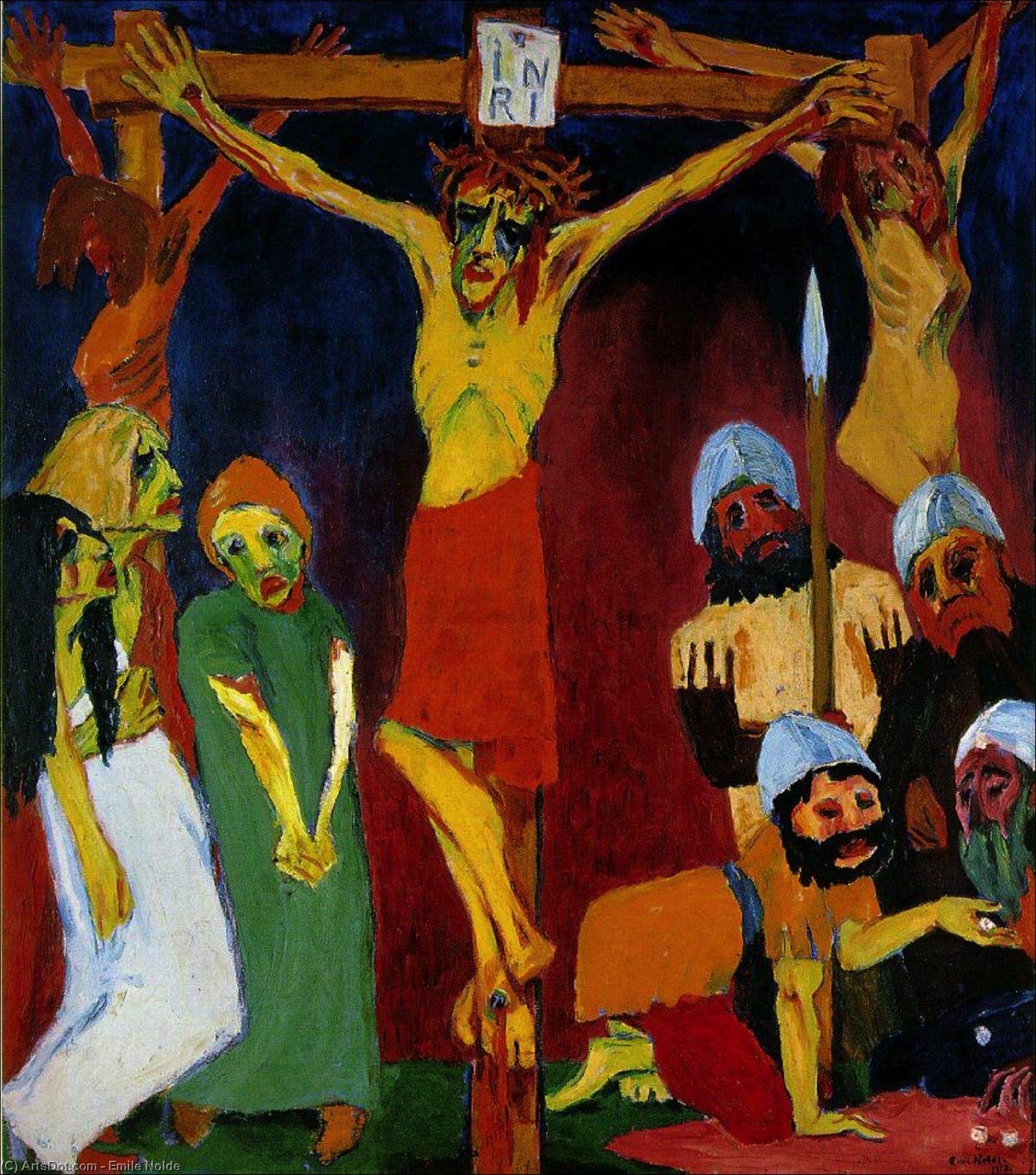
Crucifixion,
 Acrylic On Canvas
- WallArt
- Expressionist Symbolism
 1912
1912- 19th Century
 221.0 x 194.0 cm
 Leer más
Giclée / Impresión de arte
Impresiones giclée o en lienzo de calidad de museo con producción rápida y opciones de acabado flexibles. ( Encargar reproducción pintada a mano Ver versión en imagen digital)




P118B €10

P118H €10

P118W €10

P438Z €10

P508JH €12

P508YH €12

P805H €10

P805Z €10

P919BZ €10

P919G €10

P919XJ €10

P959ZH €10

P968JZ €12

W106C €8

W218G €10

W218JH €8

W218Y €10

W307PJ €10

W316G €10

W316PJ €8

W316Y €10

W398PJ €8

W4111J €10

W500HY €15

W500JH €15

W692G €12

W849H €8

W940BG €15

W953PJ €8




Elija entre nuestros tamaños predefinidos que respetan las proporciones originales de la obra.

Type the width and the height you need, to fit your frame or your wall. A print can only be cut, never made bigger than the picture, so a size with a different shape loses a part of the image. We send you a digital mockup to approve before we print anything. The picture shown on this page does not show the real cut — only the mockup does.
Envío a todo el mundo () en 2 semanas en lugar de las 4/5 semanas estándar. (14 octubre)

Envío exprés gratuito a todo el mundo

Lienzo de lino de alta calidad

Seguro de envío completo

Garantía de reembolso de impuestos aduaneros

Garantía de fidelidad cromática exacta

Política de devolución de 100 días (solo por defectos)

Garantía de devolución del 100% del dinero

Oferta por volumen
 La opción de vidrio solo está disponible en tamaños inferiores a 110 cm.

Crucifixion,
Giclée / Impresión de arte
Tamaño de la reproducción
-


Precio total
€ 69
A Profound Meditation on Suffering: Emil Nolde's Crucifixion (1912)
Emil Nolde’s Crucifixion, painted in 1912, is not merely a depiction of a biblical event; it’s a visceral exploration of human suffering and faith rendered with an arresting intensity. Measuring 221 x 194 cm, this canvas immediately commands attention with its dramatic composition and the artist's signature use of bold, expressive color. Nolde, deeply influenced by the works of Van Gogh and Gauguin, alongside a fascination with primitive art forms – particularly the raw emotion conveyed through masks and carvings – sought to bypass representational accuracy in favor of conveying profound spiritual truths. The painting’s power resides not just in its subject matter but in the artist's ability to translate complex emotions onto the canvas with remarkable directness.
Subject Matter and Composition
The scene is unequivocally the crucifixion of Christ, a cornerstone event in Christian theology. Nolde meticulously portrays Jesus on the cross, his body contorted in agony, arms outstretched in a gesture both vulnerable and defiant. The surrounding figures – a solitary figure to the left and another to the right, along with a throng gathered around the base of the cross – are not simply observers; they are participants in this monumental drama. Their postures, expressions, and spatial arrangement contribute to the painting’s dynamic tension, reflecting the emotional weight of the moment. Notably, the inclusion of a knife adds an element of unsettling ambiguity, perhaps symbolizing betrayal or the inherent violence within human nature.
Technique and Color – A Language of Emotion
- Impasto Technique: Nolde employs a thick impasto technique, layering paint with considerable texture. This creates a palpable sense of physicality, emphasizing the roughness of the wood, the vulnerability of Christ’s body, and the raw emotion conveyed through the figures' expressions.
- Bold Color Palette: The artist utilizes a vibrant, almost jarring color palette – deep reds, blues, and yellows – to heighten the emotional impact. These colors are not used realistically but rather expressively, amplifying the sense of suffering and spiritual intensity.
- Simplified Forms: Nolde simplifies forms, reducing figures to their essential shapes, further intensifying the painting’s symbolic power. This stylistic choice aligns with his broader interest in exploring primal emotions and spiritual truths through a non-naturalistic lens.
Symbolism and Historical Context
Painted during a period of significant artistic experimentation and religious questioning, Crucifixion reflects the anxieties and spiritual searches of early 20th-century Europe. The painting’s raw emotionality speaks to a desire for authentic experience beyond traditional religious dogma. The scene itself is laden with symbolism – Christ's sacrifice representing redemption, faith, and hope amidst despair. Nolde’s deliberate rejection of academic conventions aligns him with the Expressionist movement, which sought to convey subjective emotions rather than objective reality. The painting was created in 1912, a year marked by social unrest and political upheaval, suggesting a deeper engagement with themes of human suffering and injustice.
Emotional Impact and Artistic Legacy
Crucifixion remains a profoundly moving work of art. Its power lies in its ability to evoke empathy and contemplation, prompting viewers to confront the fundamental questions of faith, suffering, and redemption. Nolde’s masterful use of color, texture, and composition creates an unforgettable image that continues to resonate with audiences today. This hand-painted reproduction offers a unique opportunity to experience the full force of Nolde's artistic vision – a testament to his enduring legacy as one of Germany’s most important Expressionist painters.
Preguntas y respuestas
¿Cuál es el tono predominante de "Crucifixion," de Emil Nolde?
Un tono Golden Yellow Range recorre "Crucifixion," de Emil Nolde.
¿Qué ubicación se adapta mejor al formato de "Crucifixion," de Emil Nolde?
El formato (Portrait) y el espacio recomendado (Living Room) son los dos datos de colocación registrados para "Crucifixion," de Emil Nolde.
¿Los colores de "Crucifixion," de Emil Nolde son intensos o tenues?
"Crucifixion," de Emil Nolde está registrado con una saturación de Clear Color Presence y una intensidad de Balanced.
Biografía del artista
Emil Nolde: Vida y Legado
Primeros Años y Comienzos Artísticos
Emil Nolde, un reconocido pintor alemán-danés, nació Hans Emil Hansen el 7 de agosto de 1867 en Nolde, Schleswig-Holstein, Alemania. Provenía de una familia con fuertes lazos con la vida rural y las creencias religiosas, factores que influirían profundamente en su visión artística. A pesar de la resistencia inicial de sus padres, quienes preferían que siguiera una carrera más convencional, Nolde persiguió incansablemente su pasión por el arte. Inicialmente trabajó como escultor de madera y decorador de muebles antes de dedicarse por completo a la pintura en sus últimos veinte años.
Desarrollo Artístico e Influencias
El viaje artístico de Nolde estuvo marcado por la autoeducación y la exploración. Viajó extensamente, absorbiendo influencias de diversas culturas y formas artísticas. Las primeras influencias incluyeron a Vincent van Gogh, Paul Gauguin y el arte popular tradicional – particularmente el poder expresivo de las máscaras y esculturas primitivas. Estos encuentros despertaron su interés en colores audaces, formas simplificadas y temas de contenido emocionalmente cargado. Inicialmente experimentó con el Realismo e Impresionismo, pero rápidamente se movió hacia un estilo más subjetivo y expresivo.
Die Brücke y la Ruptura Expresionista
En 1905, Nolde cofundó Die Brücke (El Puente), un grupo clave de artistas expresionistas alemanes. Esta colectiva buscaba romper con las tradiciones académicas y expresar emociones internas a través de la experimentación artística radical. La contribución de Nolde al Die Brücke fue significativa; su uso intenso del color y las formas distorsionadas superaron los límites de la representación. Sin embargo, mantuvo un camino relativamente independiente dentro del grupo, desviándose a menudo en el tema y el enfoque estilístico.
Temas Clave y Estilo Artístico
El *oeuvre* (obra) de Nolde se caracteriza por varios temas recurrentes: escenas religiosas, paisajes, marescapes y retratos. Se sintió particularmente fascinado por el poder de las máscaras – tanto como objetos físicos como representaciones simbólicas de emociones primarias. Su estilo artístico está definido por:
- Colores audaces y vibrantes utilizados para transmitir intensidad emocional
- Formas distorsionadas que enfatizan la expresión sobre la representación realista
- Técnica del *impasto* - aplicación gruesa de pintura creando textura
- Un enfoque en capturar estados psicológicos internos*
Obras Notables y Logros
A lo largo de su carrera, Nolde creó una vasta obra. Algunas de sus pinturas más celebradas incluyen:
- Máscaras (1906-1907) – mostrando su fascinación por el arte primitivo
- La Maldición de Cristo (1909) – una escena religiosa poderosa y emocionalmente cargada
- Mar del Otoño (1908) - demostrando su pintura de paisajes expresiva.
- Jardín de Flores (Niña Lavando) (1907)
- Danza alrededor del Cordero Dorado (1909)
A pesar de enfrentar críticas y censura durante el régimen nazi – su obra fue considerada “degenerada” – Nolde continuó pintando en secreto. Producir un cuerpo significativo de pinturas al agua durante este período, demostrando su compromiso inquebrantable con la expresión artística.
Significado Histórico y Legado
El uso innovador del color y el trazo expresivo de Emil Nolde influyeron profundamente en las generaciones de artistas. Su obra conectó el abismo entre el arte representacional tradicional y los movimientos abstractos que le siguieron. Él sigue siendo una figura central en la historia del Expresionismo alemán, celebrado por su intensidad emocional, experimentación audaz y visión artística perdurable. Su legado continúa inspirando a artistas y amantes del arte de todo el mundo.
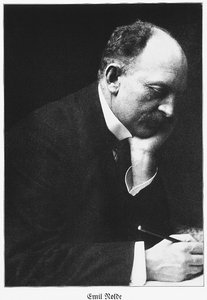
Emil Nolde
1867 - 1956 , Alemania
Datos clave
- Artistic Movement Or Style: Expressionism, Die Brücke
- Artists Who Influenced This Artist:
- Vincent van Gogh
- Paul Gauguin
- Date Of Birth: August 7, 1867
- Date Of Death: April 13, 1956
- Full Name: Hans Emil Hansen Nolde
- Nationality: German-Danish
- Notable Artworks:
- Masks
- The Mocking of Christ
- Autumn Sea
- Flower Garden (Girl and Washing)
- Dance around the Golden Calf
- Place Of Birth: Nolde, Schleswig-Holstein
Artículos relacionados

Expresionismo Alemán: 10 Obras Maestras que Transformaron el Arte | OriginalUniqueArt
Descubre las 10 obras maestras del Expresionismo Alemán: Kirchner, Munch y más. Explora la historia, técnica y emoción detrás de estos lienzos icónicos. Reproducciones de arte de museo en OriginalUniqueArt.com. ¡Inspira tu hogar con arte!

Giclée Prints: Archival Quality & Aesthetic Nuances for the Discerning Collector
Explore the world of giclée prints with OriginalUniqueArt. Learn about archival quality, aesthetic nuances & investment potential. Expert guidance for discerning art collectors seeking museum-quality reproductions and lasting value.

The Enduring Legacy of Fine Art Prints: Technique, History & Aesthetic Impact
Explore the rich history & techniques of fine art prints. Discover investment potential, assess authenticity, and learn how to preserve your collection with expert guidance. Trusted insights for discerning collectors.

Echoes of Time: Exploring the Enduring Appeal & Historical Context of Vintage Art Prints
Explore the captivating world of vintage art prints! Discover their history, collecting tips & enduring appeal. Expert insights on chromolithography and building a legacy collection with OriginalUniqueArt.

10 Obras de Arte Audaces que Transformarán tu Espacio | OriginalUniqueArt
Descubre 10 obras de arte audaces que definen la pasión y el impacto visual. Explora la historia detrás de artistas como Van Gogh, Matisse y Kahlo. Encuentra reproducciones de museo en OriginalUniqueArt.com.


