Text size

() ·

A painting made for you, by hand

Glacier de Saleinaz

Reproducción al óleo hecha a mano

Óleo sobre lienzo pintado a mano en el tamaño y marco de su elección, realizado por encargo por nuestros artistas. ( Cambiar a impresiones Cambiar a imagen digital)

Descripción del objeto

Biografía del artista

Descubre la belleza alpina de E.T. Compton: pintor inglés y alpinista reconocido por paisajes impresionantes, primeras ascensiones y obras maestras en acuarela que capturan la esencia del espíritu aventurero artístico.

from ·

Chapter 1

How large should it be?

Slide to change the size; the picture on the left shows the frame at its real width. The proportions of the original are kept.

Tamaño estándar
a medida
CM
INCH

Elija entre nuestros tamaños predefinidos que respetan las proporciones originales de la obra.

ancho
altura

Indique el ancho y el alto que necesite para adaptarse a su marco o pared. Al tratarse de una obra pintada a mano, si requiere un tamaño con una proporción distinta, el artista puede pintar un poco más alrededor de la imagen o recortarla ligeramente; usted elige. Le enviaremos una maqueta digital para su aprobación antes de comenzar la pintura. La imagen que se muestra en esta página no refleja el resultado real; solo la maqueta lo hace.

Chapter 2

How should it arrive?

Choose the edges of the stretched canvas

Choose your frame

Corner sample of the WhiteWrap canvas edge finish, stretched on madera maciza bars
White €1
Corner sample of the BlurSideWrap canvas edge finish, stretched on madera maciza bars
Blurside €1
Corner sample of the ExtendedWrap canvas edge finish, stretched on madera maciza bars
Extended €1
Corner sample of the P118B picture frame: poliestireno moldeado, 5 cm wide and 3 cm thick
P118B €10
Corner sample of the P118H picture frame: poliestireno moldeado, 5 cm wide and 3 cm thick
P118H €10
Corner sample of the P118W picture frame: poliestireno moldeado, 5 cm wide and 3 cm thick
P118W €10
Corner sample of the P438Z picture frame: poliestireno moldeado, 5.5 cm wide and 3.5 cm thick
P438Z €10
Corner sample of the P508JH picture frame: poliestireno moldeado, 7 cm wide and 3.5 cm thick
P508JH €12
Corner sample of the P508YH picture frame: poliestireno moldeado, 7 cm wide and 3.5 cm thick
P508YH €12
Corner sample of the P805H picture frame: poliestireno moldeado, 5 cm wide and 3.5 cm thick
P805H €10
Corner sample of the P805Z picture frame: poliestireno moldeado, 5 cm wide and 3.5 cm thick
P805Z €10
Corner sample of the P919BZ picture frame: poliestireno moldeado, 7 cm wide and 3.5 cm thick
P919BZ €10
Corner sample of the P919G picture frame: poliestireno moldeado, 7 cm wide and 3.5 cm thick
P919G €10
Corner sample of the P919XJ picture frame: poliestireno moldeado, 7 cm wide and 3.5 cm thick
P919XJ €10
Corner sample of the P959ZH picture frame: poliestireno moldeado, 5 cm wide and 3 cm thick
P959ZH €10
Corner sample of the P968JZ picture frame: poliestireno moldeado, 6 cm wide and 4 cm thick
P968JZ €12
Corner sample of the W106C picture frame: madera maciza, 5 cm wide and 3 cm thick
W106C €8
Corner sample of the W218G picture frame: madera maciza, 5 cm wide and 3 cm thick
W218G €10
Corner sample of the W218JH picture frame: madera maciza, 5 cm wide and 3 cm thick
W218JH €8
Corner sample of the W218Y picture frame: madera maciza, 5 cm wide and 3 cm thick
W218Y €10
Corner sample of the W307PJ picture frame: madera maciza, 6 cm wide and 3 cm thick
W307PJ €10
Corner sample of the W316G picture frame: madera maciza, 6 cm wide and 3 cm thick
W316G €10
Corner sample of the W316PJ picture frame: madera maciza, 6 cm wide and 3 cm thick
W316PJ €8
Corner sample of the W316Y picture frame: madera maciza, 6 cm wide and 3 cm thick
W316Y €10
Corner sample of the W398PJ picture frame: madera maciza, 5 cm wide and 3 cm thick
W398PJ €8
Corner sample of the W4111J picture frame: madera maciza, 6.5 cm wide and 3.5 cm thick
W4111J €10
Corner sample of the W500HY picture frame: madera maciza, 7 cm wide and 5 cm thick
W500HY €15
Corner sample of the W500JH picture frame: madera maciza, 7 cm wide and 5 cm thick
W500JH €15
Corner sample of the W692G picture frame: madera maciza, 8 cm wide and 4 cm thick
W692G €12
Corner sample of the W849H picture frame: madera maciza, 5 cm wide and 3 cm thick
W849H €8
Corner sample of the W940BG picture frame: madera maciza, 7.5 cm wide and 4.5 cm thick
W940BG €15
Corner sample of the W953PJ picture frame: madera maciza, 6 cm wide and 3.5 cm thick
W953PJ €8
Corner sample of the H24-GOLD picture frame: madera tallada con estuco, 10 cm wide and 6 cm thick
H24-GOLD €30
Corner sample of the H24-SILVER picture frame: madera tallada con estuco, 10 cm wide and 6 cm thick
H24-SILVER €30
Corner sample of the H36-GOLD picture frame: madera tallada con estuco, 15 cm wide and 6.5 cm thick
H36-GOLD €45
Corner sample of the H36-SILVER picture frame: madera tallada con estuco, 15 cm wide and 6.5 cm thick
H36-SILVER €45

Moulding: . Overall size with the frame: .

Chapter 3

Who paints it, and should anything change?

Examples of what can be changed: Replace face with customer photo; Add pet (e.g., replace cat with dog); Include hidden message in background; Change background landscape or elements.
After order, OriginalUniqueArt.com team will email client for instructions and provide a mockup preview

Envío a todo el mundo () en 3-4 semanas en lugar de las 5 semanas estándar. (1 noviembre). Sin comprometer la calidad.

Chapter 4

The finishing touches

A nameplate, as in a museum?

Detalles de la placa de bronce grabada

This elegant plaque features the artist's name and the title of the artwork, finely engraved for a timeless presentation.

It is made from bronze with a refined, elegant finish. The text is precisely laser-engraved for a sharp and permanent result. Measuring 9x2 cm, the plaque is compact yet easy to read. It's built to be durable and scratch-resistant, offering a professional, museum-quality look. Mounting is simple thanks to the included adhesive backing.

Detalles de la placa de acrílico transparente

The plaque includes essential engraved details such as the artist's name, the title of the artwork, the date it was created, the type of media used-like oil on canvas or watercolor-a brief description of the piece, and a QR code that links to the complete artwork information.

It is crafted from clear acrylic, offering a sleek, modern appearance. The text is UV-engraved in black to ensure strong visual contrast. With a size of 10x15 cm, it ensures optimal readability. It comes equipped with two metal hooks for secure wall mounting. The plaque is designed to be weather-resistant, making it suitable for various environments, and it includes interactive features that work seamlessly with smartphone scanning.

Detalles de la placa de acrílico negro

This elegant plaque includes engraved information such as the artist's name, the title of the artwork, the date it was created, the type of media used (like oil on canvas or watercolor), a short description of the artwork, and a QR code for quick access to more information.

The plaque itself is made from refined black acrylic with a premium finish. The text is laser-engraved in white for high contrast and readability. Its size is 10x15 cm, designed to be easy to read. It comes with two metal hooks for professional mounting. The design is sleek and fits any interior style. It is also weather-resistant and durable, with built-in digital integration for mobile compatibility.

A protective varnish?

When do you need it?

Chapter 5

Your painting, as you ordered it

Glacier de Saleinaz

Técnica de reproducción

Dimensiones de la reproducción

-

Selección de artistas premium

Mayor nivel de detalle, delicadeza y tiempo de producción adicional

-

Enmarcado de reproducción

-

-

Para obras de arte o reproducciones que midan más de 105 cm (aproximadamente 41 pulgadas) en cualquiera de sus lados, el marco se enviará como un kit desmontado. Este método garantiza una entrega segura y evita daños durante el transporte.

Se requiere montaje profesional: este no es un producto para hacer usted mismo (DIY).
El kit debe ser ensamblado y el lienzo tensado por un enmarcador profesional con experiencia, utilizando cola para madera (no incluida), una tenaza para tensar lienzos y sargentos para mantener los bastidores alineados mientras la cola se seca. Un montaje incorrecto o una tensión desigual del lienzo pueden dañar la obra de arte de forma permanente y no están cubiertos por nuestra garantía.

  • Se incluyen todos los listones de madera maciza, cortados con precisión según las medidas.

  • Se ensambla con los tornillos incluidos, además de cola para madera para las uniones de las esquinas, la cual no se incluye y debe ser proporcionada por su enmarcador.

  • Se requieren herramientas profesionales que no están incluidas: un alicate para tensar lienzos (tensor) y abrazaderas para mantener los bastidores alineados mientras se seca el pegamento.

Importante:
Las uniones de las esquinas requieren cola para madera, los listones deben sujetarse con prensas hasta que la cola esté completamente seca, y para tensar el lienzo en el bastidor ensamblado se requiere una pinza para tensar lienzos. Ninguno de estos elementos está incluido en el kit. Por favor, contacte con un profesional del enmarcado con experiencia antes de realizar un pedido de este tamaño.

Cartela

-

-

Barniz protector

Barniz brillante (realza los colores y protege contra la luz y la humedad)

-

Personalizar mi obra

Ejemplos de lo que se puede personalizar: sustituir el rostro por una foto del cliente; añadir una mascota (por ejemplo, cambiar un gato por un perro); incluir un mensaje oculto en el fondo; cambiar el paisaje o los elementos del fondo.

-

Envío urgente

Envío a todo el mundo () en 3 o 4 semanas, en lugar de las 5 semanas habituales. (1 noviembre). Sin comprometer la calidad.

-

Envío urgente

Envío internacional () en 5 semanas. (8 noviembre).

Incluido

Precio total final

€ 267

Precio total € 267

La opción de vidrio solo está disponible en tamaños inferiores a 110 cm.

Included with every order

  • Envío exprés gratuito a todo el mundo
  • Lienzo de lino de alta calidad
  • Seguro de envío total
  • Garantía de reembolso de aranceles aduaneros
  • Garantía de fidelidad cromática exacta
  • Política de devolución de 100 días (solo por defectos)
  • Garantía de devolución del 100% del dinero
  • Descuento por cantidad

Glacier de Saleinaz: A Frozen Symphony of Light and Ice

Edward Theodore Compton’s “Glacier de Saleinaz” is more than just a depiction of a mountain landscape; it's a visceral encounter with the raw, untamed beauty of the Alpine world. Painted in 1906 during a period of intense exploration and artistic fascination with these icy realms, the artwork captures the sublime power of nature – a theme central to much late 19th-century art and particularly resonant within Compton’s own experiences as a mountaineer and artist.

The scene itself is dominated by the imposing presence of the Saleina Glacier, its blue-white hues rendered with meticulous detail. The snow-capped peaks, partially obscured by swirling clouds, create a dramatic interplay of light and shadow, emphasizing the glacier’s immense scale and suggesting an almost perpetual state of movement. Compton's masterful use of color – primarily cool blues, grays, and whites – evokes the chilling atmosphere and ethereal quality associated with these high-altitude environments. Subtle hints of yellow and orange peek through the clouds, representing the fleeting moments of sunlight that illuminate the glacial ice, adding a touch of warmth to the otherwise stark scene.

A Pioneer's Vision: Compton and the Alpine Aesthetic

Edward Theodore Compton was a true pioneer in his approach to depicting the Alps. Unlike many artists who relied solely on idealized representations, Compton sought to capture the *actual* experience of being amongst these mountains – their harshness, their beauty, and their overwhelming sense of scale. His time spent documenting the Saleina Glacier during his travels directly informed his artistic vision, resulting in a remarkably accurate and emotionally resonant portrayal.

Born into a Quaker family with strong moral values, Compton’s artistic journey was driven by a desire for authenticity and a profound respect for nature. This ethos is evident in every brushstroke of “Glacier de Saleinaz,” reflecting his commitment to honest observation and skillful execution. His self-taught approach, combined with his adventurous spirit, allowed him to develop a unique style characterized by both realism and a deeply felt sense of awe.

Technique and Texture: A Masterful Impression

Compton’s technique is immediately apparent in the artwork's rich texture. Employing thick impasto strokes for the rocky terrain and smoother, more delicate brushwork for the snow and clouds, he creates a palpable sense of depth and volume. The artist skillfully uses light and shadow to model the forms, giving the impression that one could almost reach out and touch the icy surface. The visible brushstrokes are not merely accidental; they contribute significantly to the artwork's overall impact, conveying both the physical presence of the glacier and the energy of the artist’s hand.

Symbolism and Emotion: A Reflection of the Sublime

"Glacier de Saleinaz" transcends a simple landscape painting. It embodies the Romantic concept of the sublime – that feeling of awe and terror inspired by encountering something vast, powerful, and ultimately beyond human comprehension. The sheer scale of the glacier, combined with its icy beauty, evokes a sense of vulnerability and respect for nature’s forces. The painting's melancholic atmosphere hints at the isolation and remoteness often associated with these high-altitude environments, inviting contemplation on humanity’s place within the natural world.

Preguntas y respuestas

¿Quién es el autor y en qué fecha se creó "Glacier de Saleinaz"?

"Glacier de Saleinaz" es una obra de Edward Theodore Compton, realizada en 1906.

¿Quién es el artista detrás de "Glacier de Saleinaz"?

El artista detrás de "Glacier de Saleinaz" es Edward Theodore Compton. La obra está catalogada bajo el nombre de Edward Theodore Compton.

¿Dónde puedo comprar una lámina de "Glacier de Saleinaz" de Edward Theodore Compton?

"Glacier de Saleinaz" está disponible como una impresión de bellas artes sobre lienzo de algodón o papel de lienzo de archivo. Puede realizar su pedido en su página Impresión de arte de bellas artes, en el tamaño que prefiera.

More about this painting

Ver en contexto Vista previa en RA Cambiar a impresiones Cambiar a imagen digital Enviar
Detalles Guía Añadir a favoritos Descargar Similares Radiografía Presentación de diapositivas Q&A Estadísticas

In numbers

  • 1906the year it was painted
  • 29frames to choose from
  • standard sizes, in its own proportions
  • 5weeks to paint and deliver it
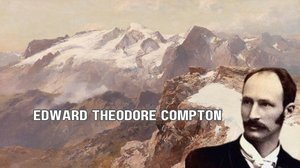
Edward Theodore Compton

Edward Theodore Compton

1849 - 1921, Reino Unido

Quick facts about Edward Theodore Compton

  • Artistic Movement Or Style: Arte alpino
  • Artists Or Movements Influenced By This Artist: ['']
  • Artists Who Influenced This Artist: ['Impresionismo']
  • Date Of Birth: 1849
  • Date Of Death: 1921
  • Full Name: Edward Theodore Compton
  • Nationality: Inglés
  • Notable Artworks:
    • Deutsch Im Wald von Valdoniello
    • Deutsch Grohmannspitze und (rechts) Fünffingerspitzen
  • Place Of Birth: Stoke Newington, Londres

Biografía del artista

Edward Theodore Compton: Pioneer of Alpine Watercolor

Edward Theodore Compton, a singular figure in the artistic landscape of late 19th and early 20th century Europe, stands as an extraordinary testament to the intersection of art and adventure—a man who dared to conquer mountains while simultaneously capturing their sublime beauty on watercolor paper. Born in Stoke Newington, London, in 1849, Compton’s upbringing within a Quaker household instilled a profound appreciation for simplicity and moral integrity—values that would undoubtedly shape his artistic vision. Despite attending various art schools including the Royal Academy, he largely pursued self-education, honing his skills through meticulous observation and tireless experimentation. His journey to Darmstadt, Germany, in 1867, marked a pivotal moment, propelling him into a vibrant artistic community led by Grand Duke Ludwig III and fostering an enduring fascination with alpine scenery—a fascination that would define the trajectory of his life’s work.

Early Influences: The Seeds of Inspiration

Compton's formative years were profoundly impacted by Quaker spirituality and nurtured by his father’s unwavering passion for art, exposing him to influential Impressionist painters like Claude Monet and Pierre-Auguste Renoir. These artists championed the pursuit of capturing fleeting moments of light and color—a stylistic approach that resonated deeply with Compton’s sensibilities and would become a cornerstone of his artistic technique. The ethereal beauty of Monet's landscapes served as an enduring model for Compton, guiding him toward conveying similar atmospheric effects in his own paintings.

Academic Training & Darmstadt: Finding His Artistic Voice

Although he didn’t formally graduate from the Royal Academy—a decision reflecting his preference for independent learning—Compton benefited immensely from studying alongside Alice, Princess of Hesse, gaining invaluable experience in artistic technique and fostering connections within a burgeoning artistic milieu. Darmstadt became Compton's crucible for honing his skills, immersing him in a stimulating environment where he absorbed influences from German Romanticism and embraced innovative approaches to watercolor painting. This period solidified his belief that observation—coupled with artistic sensitivity—was paramount to achieving mastery.

The Alpine Obsession: From Sketches to Masterpieces

A transformative trip to the Bernese Oberland in 1868 ignited Compton’s lifelong devotion to capturing the majesty of the Alps, particularly the iconic trio – Eiger, Mönch and Jungfrau. The breathtaking panorama captivated him, inspiring a series of watercolor paintings that would become synonymous with alpine art—paintings imbued with an unparalleled sense of grandeur and realism. His meticulous sketches documented the rugged terrain and dramatic lighting conditions, demonstrating an unwavering commitment to accuracy alongside artistic sensitivity. These preparatory drawings served as blueprints for his larger canvases, ensuring that every brushstroke faithfully reflected the essence of the mountain landscape. He believed that “the artist must strive to reproduce nature with fidelity,” a principle that underpinned his entire artistic practice.

Technique: Layers of Light and Color

Compton’s distinctive style involved layering thin washes of watercolor pigment onto paper—a technique he perfected through years of experimentation—achieving luminous effects that conveyed the ethereal beauty of mountain landscapes. He skillfully manipulated color palettes, utilizing subtle gradations to depict the shifting hues of sunlight filtering through alpine peaks. This meticulous approach demanded patience and precision, reflecting Compton’s dedication to achieving artistic excellence.

Notable Works: Echoes of Majesty

Among his most celebrated paintings are “Deutsch Im Wald von Valdoniello” and “Deutsch Grohmannspitze und (rechts) Fünffingerspitzen”—works that exemplify his masterful rendering of alpine vistas with breathtaking clarity and emotional resonance. These canvases capture the dramatic interplay of light and shadow, conveying the sublime grandeur of the mountains while simultaneously hinting at the challenges faced by climbers attempting to ascend their formidable slopes. They stand as enduring symbols of Compton’s artistic vision—a testament to his ability to transform observation into evocative art.

A Mountaineer's Eye: Beyond the Canvas

Compton wasn’t merely a painter; he was an intrepid mountaineer who ascended over 300 peaks, including 27 first ascents—a remarkable feat that solidified his reputation as one of Britain’s foremost climbers. His expeditions to Austria, Scandinavia, North Africa, Corsica and Spain yielded invaluable visual material for his artwork, informing his compositions with firsthand experience of mountain environments. The photograph “Deutsch Allalin , Strahl und Rimpfischhorn von der Ostflanke des Alphubel” showcases Compton's dedication to topographical accuracy combined with artistic vision—a fusion that elevated mountaineering art to new heights.

Legacy: An Artistic Icon

Compton’s contribution to alpine art is undeniable; he elevated watercolor painting to new levels of sophistication, establishing it as the medium of choice for depicting mountainous landscapes with unparalleled beauty and realism. His unwavering commitment to observation and artistic integrity—coupled with his daring adventures—secured his place in the annals of art history as a true pioneer—a man who embodied the spirit of exploration and creativity while simultaneously creating enduring masterpieces that continue to inspire awe and admiration today. He remains an exemplar of how passion for both art and science can converge to produce transformative results.

Datos clave

  • Subject: Alpine Landscape
  • Artist: Edward Theodore Compton
  • Dimensions: 115 x 89 cm
  • Influences:
    • Quaker Spirituality
    • German Art
  • Year: 1906

Test de conocimientos artísticos

Cada pregunta tiene una única respuesta correcta.

Pregunta 1:
What is the primary subject matter of "Glacier de Saleinaz"?
Pregunta 2:
What year was the artwork created?
Pregunta 3:
Which artistic style does "Glacier de Saleinaz" primarily represent?
Pregunta 4:
What is the dominant color palette used in the painting?
Pregunta 5:
The painting utilizes which technique to convey texture?