Enviar
 Compartir
 Detalles
 Guía
Guía

 Descargar
 Similares
 Presentación de diapositivas
 Estadísticas
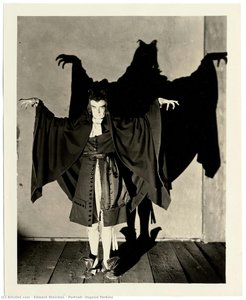
Lobby card, The Man from Lost River


 Ver más
La obra de arte que se muestra en esta página está protegida por las leyes de propiedad intelectual, lo que significa que no podemos crear ni vender legalmente una reproducción idéntica. Esta protección se hace cumplir en virtud de acuerdos internacionales como el Convenio de Berna y por las leyes nacionales, incluidas aquellas establecidas por el Ley de derechos de autor de los EE. UU. - Título 17.
Este método cumple plenamente con las normativas de derechos de autor, ya que no implica la copia ni la duplicación de la obra protegida. En su lugar, se trata de una reinterpretación creativa: una nueva pintura influenciada por la original, pero que no es idéntica a ella.
Giclée / Impresión de arte
Impresiones giclée o en lienzo de calidad de museo con producción rápida y opciones de acabado flexibles. ( Comprar pintura hecha a mano Cambiar a imagen digital)




































Elija entre nuestros tamaños predefinidos que respetan las proporciones originales de la obra.

Introduzca el ancho y el alto que necesite para adaptarse a su marco o pared. Una impresión solo puede recortarse, nunca hacerse más grande que la imagen original, por lo que un tamaño con una forma distinta perderá parte de la obra. Le enviaremos una maqueta digital para su aprobación antes de realizar cualquier impresión. La imagen que se muestra en esta página no refleja el recorte real; solo la maqueta lo hace.
Envío a todo el mundo () en 2 semanas en lugar de las 4/5 semanas estándar. (25 octubre)

Envío exprés gratuito a todo el mundo

Lienzo de lino de alta calidad

Seguro de envío total

Garantía de reembolso de aranceles aduaneros

Garantía de fidelidad cromática exacta

Política de devolución de 100 días (solo por defectos)

Garantía de devolución del 100% del dinero

Descuento por cantidad
 La opción de vidrio solo está disponible en tamaños inferiores a 110 cm.

Lobby card, The Man from Lost River
Giclée / Impresión de arte
Dimensiones de la reproducción
-


Precio total final
€ 70
A Cinematic Echo from the Silent Era
In the delicate, sepia-toned realm of early twentieth-century cinema, few artifacts capture the evocative essence of storytelling quite like this lobby card for The Man from Lost River. Created in 1921, this piece serves as a hauntingly beautiful window into the dawn of Hollywood’s golden age. The artwork presents a monochromatic landscape, bathed in rich shades of brown and aged umber, which immediately transports the viewer to a bygone era of celluloid dreams and silent drama. At its heart, the composition centers on a poignant confrontation between two figures: one a rugged man in plaid and suspenders, representing the raw, untamed spirit of the frontier, and the other a polished gentleman in a suit and hat, embodying a more structured, perhaps encroaching, social order. This visual tension is framed by a decorative border reminiscent of film sprockets, subtly reminding us that we are looking at a fragment of a larger, moving narrative.
The artistry of this piece lies in its masterful use of silhouette and shadow, techniques that Edward Steichen—a master of light and atmosphere—often utilized to imbue photography with the soul of painting. The background, featuring the dark, skeletal outlines of trees against a pale, misty sky, suggests an outdoor setting near a river, mirroring the title's melancholic promise. This use of negative space and high-contrast imagery does more than just set a scene; it creates a sense of profound isolation and mystery. For the collector or interior designer, this artwork offers a sophisticated layer of historical depth, providing a focal point that is both intellectually stimulating and visually grounding.
Symbolism and the Texture of Nostalgia
Beyond its surface beauty, the lobby card functions as a symbolic tapestry of class struggle and environmental mystery. The contrast between the two men acts as a visual metaphor for the collision of different worlds—the rustic and the refined—a common theme in the literature of Katherine Newlin Burt upon which the film was based. The sepia palette itself carries a heavy emotional weight, evoking a sense of nostalgia and the inevitable passage of time. It feels like a recovered memory, a piece of history that has been preserved through the decades to tell a story of human conflict set against the backdrop of the American wilderness.
For those looking to integrate such a piece into a curated collection or a high-end interior, its value lies in its ability to evoke emotion without overwhelming a space. The muted tones allow it to harmonize with various decor styles, from classic mid-century modern to rustic industrial, while the bold typography and dramatic imagery command attention. Owning a reproduction of this caliber is not merely about displaying an image; it is about preserving the atmospheric magic of the silent era, bringing a touch of cinematic history and a profound sense of narrative mystery into the contemporary home.
Preguntas y respuestas
¿En qué estancia encaja mejor "Lobby card, The Man from Lost River" de Edward Steichen, considerando su paleta de colores?
Los colores de la paleta Neutrals de "Lobby card, The Man from Lost River" de Edward Steichen armonizan con su espacio recomendado: un Office.
¿Qué técnica se utilizó para "Lobby card, The Man from Lost River" de Edward Steichen?
"Lobby card, The Man from Lost River" está realizada en Photography.
¿Quién es el artista detrás de "Lobby card, The Man from Lost River"?
"Lobby card, The Man from Lost River" se atribuye a Edward Steichen.
Biografía del artista
Primeros Años y Comienzos Artísticos
- Nacimiento: 27 de marzo de 1879, en Bivange, Luxemburgo
- Inmigración a los Estados Unidos: La familia de Steichen emigró a Hancock, Michigan, en 1881.
- Primeras Aptitudes Artísticas: Demostró un gran interés por el arte desde una edad temprana, particularmente el dibujo.
- Primera Cámara y Autoeducación: Recibió su primera cámara a los dieciséis años y se autoeducó en gran medida en fotografía a través de la experimentación.
- Traslado a Milwaukee: La familia se mudó a Milwaukee, donde persiguió la litografía como aprendiz mientras continuaba sus actividades artísticas.
Desarrollo Profesional y Movimientos Artísticos Clave
- Pictorialismo Temprano: Steichen se convirtió en una figura destacada del movimiento Pictorialista, que buscaba elevar la fotografía al nivel de arte fino a través del enfoque suave y los efectos pictóricos.
- Foto-Secesión y Camera Work: Co-fundó el grupo Foto-Secession con Alfred Stieglitz y desempeñó un papel crucial en la publicación de *Camera Work*, una revista fotográfica muy influyente.
- Galería 291: Steichen fue fundamental en el establecimiento de la galería 291 en Nueva York, que mostraba arte europeo de vanguardia junto con fotografía.
- Transición a la Fotografía Recta: Después de la Primera Guerra Mundial, abandonó el Pictorialismo y adoptó la Fotografía Recta, enfatizando el enfoque nítido y la representación directa.
- Pionero en la Fotografía de Moda: Steichen revolucionó la fotografía de moda mientras trabajaba para *Vogue* y *Vanity Fair*, creando imágenes icónicas que definieron el estilo de la época.
Logros Mayores y Obras Notables
- The Pond–Moonlight (1904): Una fotografía pictórica seminal conocida por su calidad atmosférica y riqueza tonal; logró precios récord en subastas.
- The Flatiron (1904): Otra obra temprana significativa que demuestra su dominio de la técnica fotográfica y la composición, también logrando un precio récord en una subasta.
- Retratos de Celebridades: Creó numerosos retratos de figuras destacadas en el arte, la literatura y el entretenimiento, capturando su esencia con notable perspicacia.
- The Fighting Lady (1944): Dirigió este aclamado documental de la Segunda Guerra Mundial para la Marina de los EE. UU., mostrando imágenes de combate aéreo.
- The Family of Man (1955): Curó esta exposición innovadora en el Museo de Arte Moderno, que presentaba fotografías de todo el mundo que exploraban experiencias humanas universales; reconocida por el Registro de la Memoria del Mundo de la UNESCO.
Influencia y Significado Histórico
- Elevando la Fotografía como Forma de Arte: Steichen jugó un papel fundamental en establecer la fotografía como una forma de arte respetada a través de su participación con el Pictorialismo, Foto-Secession y *Camera Work*.
- Pionero en la Fotografía de Moda: Su enfoque innovador en la fotografía de moda transformó la industria e influyó en generaciones de fotógrafos.
- Promoviendo el Intercambio Artístico Internacional: La galería 291 sirvió como una plataforma vital para introducir arte moderno europeo a las audiencias estadounidenses.
- Documentando la Experiencia Humana: *The Family of Man* sigue siendo un poderoso testimonio de la humanidad compartida en todas las culturas y continentes.
- Legado: La versatilidad, la visión artística y el éxito comercial de Steichen consolidaron su lugar como uno de los fotógrafos más influyentes del siglo XX.
Años Posteriores y Fallecimiento
- Director de Fotografía en MoMA: De 1947 a 1961, Steichen sirvió como Director del Departamento de Fotografía en el Museo de Arte Moderno (MoMA) de Nueva York.
- Continuación de la Experimentación: Continuó experimentando con la fotografía hasta su muerte.
- Fallecimiento: Edward Jean Steichen falleció el 25 de marzo de 1973 en Redding, CT.

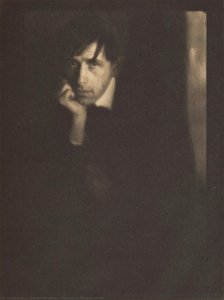
Edward Steichen
1900 - 1973 , Luxemburgo
Datos clave
- Fecha De Fallecimiento: 25 de marzo de 1973
- Fecha De Nacimiento: 27 de marzo de 1879
- Lugar De Nacimiento: Bivange, Luxemburgo
- Movimiento Artístico:
- Pictorialismo
- Fotografía directa
- Nacionalidad: Luxemburgués Americano
- Nombre Completo: Edward Jean Steichen
- Obras Notables:
- The Pond–Moonlight
- The Flatiron
- Le tournesol (El girasol)
Artículos relacionados
Echoes of Time: Nostalgia, Technique & Cultural Significance in Vintage Paintings
Explore the captivating world of vintage paintings! Discover key styles, cultural significance & collecting tips from art experts at OriginalUniqueArt. Find authentic reproductions and elevate your home décor.
Las 10 Obras Maestras del 'Putty Tone': Arte, Historia y Decoración Exclusiva
Descubre las 10 pinturas más famosas dominadas por los tonos tierra y neutros. Explora la historia, el arte y la belleza atemporal de obras maestras del Renacimiento al Impresionismo. Encuentra reproducciones exclusivas en .
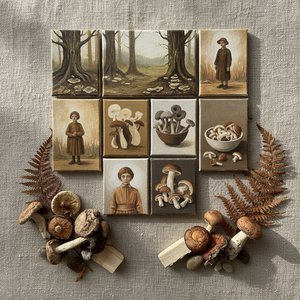
Los 10 Cuadros Más Famosos en Tonos 'Hongo': Arte, Historia y Decoración
Descubre los 10 cuadros más emblemáticos en tonos tierra y ocres. Explora la historia, artistas como Monet y Van Gogh, e inspírate para decorar con arte atemporal. Reproducciones de museo en .
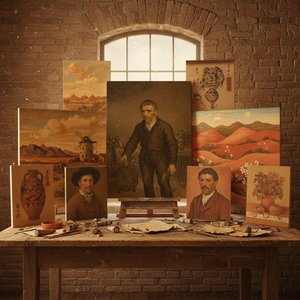
Las 10 Obras Maestras del Arte Dominadas por Tonos de Arcilla |
Descubre las 10 pinturas más famosas dominadas por tonos de arcilla y tierra. Explora la historia, artistas como Rembrandt y Monet, e inspírate para decorar con arte clásico. Reproducciones de museo en .
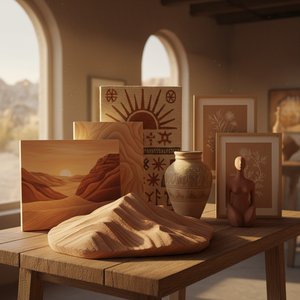
Los 10 Cuadros Más Famosos en Tonos Arena: Historia y Decoración con Arte
Descubre los 10 cuadros más emblemáticos en tonos arena, desde Monet a Van Gogh. Explora la historia del arte impresionista y encuentra inspiración para decorar con obras maestras atemporales. Reproducciones de museo en .