

 Vista previa
 Compartir
 Compartir
 Ver detalles
 Guía
Guía

 Descargar
 Ver artículos similares
 Radiografía
 Presentación de diapositivas
 Estadísticas
Lobby card, Java Head


 Leer más
La obra de arte que se muestra en esta página está protegida por las leyes de propiedad intelectual, lo que significa que no podemos crear ni vender legalmente una reproducción idéntica. Esta protección se hace cumplir en virtud de acuerdos internacionales como el Convenio de Berna y por las leyes nacionales, incluidas aquellas establecidas por el Ley de derechos de autor de los EE. UU. - Título 17.
Como una alternativa respetuosa y legal, ofrecemos obras de arte personalizadas y pintadas a mano inspiradas en la original. Nuestros expertos y profesionales del arte estudian cuidadosamente el estilo, el sentimiento y la esencia artística de la obra original para crear una pieza nueva y única que evoque la misma sensación, siendo al mismo tiempo una creación original por derecho propio.
Este método cumple plenamente con las normativas de derechos de autor, ya que no implica la copia ni la duplicación de la obra protegida. En su lugar, se trata de una reinterpretación creativa: una nueva pintura influenciada por la original, pero que no es idéntica a ella.
Reproducción al óleo hecha a mano
Óleo sobre lienzo pintado a mano en el tamaño y marco de su elección, realizado por encargo por nuestros artistas. ( Cambiar a formato impreso Ver versión en imagen digital)




P118B €10

P118H €10

P118W €10

P438Z €10

P508JH €12

P508YH €12

P805H €10

P805Z €10

P919BZ €10

P919G €10

P919XJ €10

P959ZH €10

P968JZ €12

W106C €8

W218G €10

W218JH €8

W218Y €10

W307PJ €10

W316G €10

W316PJ €8

W316Y €10

W398PJ €8

W4111J €10

W500HY €15

W500JH €15

W692G €12

W849H €8

W940BG €15

W953PJ €8




Elija entre nuestros tamaños predefinidos que respetan las proporciones originales de la obra.

Escriba el ancho y el alto que necesite para adaptarse a su marco o a su pared. Al ser una obra pintada a mano, para un tamaño con una forma distinta, el artista puede pintar un poco más alrededor de la imagen o recortar un poco; usted elige. Le enviaremos una maqueta digital para su aprobación antes de comenzar la pintura. La imagen que se muestra en esta página no refleja el resultado real; solo la maqueta lo hace.
Tras realizar el pedido, el equipo de OriginalUniqueArt.com enviará un correo electrónico al cliente para solicitar instrucciones y proporcionarle una vista previa del boceto.
Envío a todo el mundo () en 3-4 semanas en lugar de las 5 semanas estándar. (18 octubre). Sin comprometer la calidad.

Envío exprés gratuito a todo el mundo

Lienzo de lino de alta calidad

Seguro de envío completo

Garantía de reembolso de impuestos aduaneros

Garantía de fidelidad cromática exacta

Política de devolución de 100 días (solo por defectos)

Garantía de devolución del 100% del dinero

Oferta por volumen
 La opción de vidrio solo está disponible en tamaños inferiores a 110 cm.

Lobby card, Java Head
Técnica de reproducción
Tamaño de la reproducción
-


Precio total
€ 261
A Glimpse into Cinematic Drama: The Allure of the Lobby Card
This evocative lobby card for "Java Head," dating back to 1923, transports us directly into the vibrant, dramatic heart of early cinema. It is more than just a promotional piece; it is a carefully constructed tableau vivant, capturing the charged atmosphere that defined silent film epics. The composition immediately draws the eye to the intense interaction between the two central figures. On the left, the gentleman, clad in the formal attire of the era—a suit and tie—leans into the scene with an air of grave seriousness, his posture suggesting a pivotal moment of revelation or confrontation. His gaze seems fixed upon the woman, anchoring the narrative tension.
The Symbolism of Culture and Mystery
The woman on the right introduces layers of exotic mystery to this dramatic exchange. Her adornment, featuring what appears to be elaborate traditional Indian jewelry, immediately suggests a cross-cultural narrative—a common trope in early Hollywood melodramas that allowed for rich visual storytelling. Her head is turned slightly away from the viewer, lending her an air of enigmatic contemplation; she seems caught between the man's intensity and some internal deliberation. The background reinforces this sense of journey and scope with its stylized depiction of a ship upon the ocean. This nautical element hints at themes of passage, separation, or perhaps even escape, grounding the personal drama within a grander, sweeping adventure.
Technique and Vintage Allure
The aesthetic quality of this piece is deeply rooted in the illustrative traditions of the early 20th century. The color palette—dominated by rich blues, warm yellows, and deep reds—is characteristic of period printing techniques, lending the entire image a beautiful patina of age that collectors so adore. While the original medium was likely lithography or high-quality printmaking for theatrical display, its reproduction offers us the chance to own this specific visual language. The overall style is illustrative yet highly polished, embodying the grand spectacle promised by "A Paramount Picture."
Emotional Resonance for the Modern Collector
For the discerning collector or interior designer, this artwork serves as a potent piece of decorative storytelling. It doesn't merely hang on a wall; it narrates a moment suspended in time—a breath held just before the climax. The blend of formal Western attire with richly detailed Eastern costume creates an immediate visual dialogue, sparking conversation and contemplation within any sophisticated space. Owning this reproduction allows one to curate an environment steeped in cinematic romance and historical grandeur, making it a captivating focal point that speaks volumes about an appreciation for art history and dramatic flair.
Preguntas y respuestas
¿Cuál es el tono emocional de "Lobby card, Java Head" de Edward Steichen?
"Lobby card, Java Head" de Edward Steichen transmite un tono emocional Romantic.
¿Qué atmósfera aportaría "Lobby card, Java Head" a un espacio?
"Lobby card, Java Head" de Edward Steichen tiene una atmósfera Elegant y se recomienda para un/a Living Room. El estado de ánimo es lo que la obra aporta al espacio que la rodea.
¿Dónde se recomienda exhibir el formato Landscape de "Lobby card, Java Head"?
El formato Landscape de "Lobby card, Java Head" de Edward Steichen es ideal para un Living Room. El formato y el espacio orientan conjuntamente la ubicación de una reproducción.
Biografía del artista
Primeros Años y Comienzos Artísticos
- Nacimiento: 27 de marzo de 1879, en Bivange, Luxemburgo
- Inmigración a los Estados Unidos: La familia de Steichen emigró a Hancock, Michigan, en 1881.
- Primeras Aptitudes Artísticas: Demostró un gran interés por el arte desde una edad temprana, particularmente el dibujo.
- Primera Cámara y Autoeducación: Recibió su primera cámara a los dieciséis años y se autoeducó en gran medida en fotografía a través de la experimentación.
- Traslado a Milwaukee: La familia se mudó a Milwaukee, donde persiguió la litografía como aprendiz mientras continuaba sus actividades artísticas.
Desarrollo Profesional y Movimientos Artísticos Clave
- Pictorialismo Temprano: Steichen se convirtió en una figura destacada del movimiento Pictorialista, que buscaba elevar la fotografía al nivel de arte fino a través del enfoque suave y los efectos pictóricos.
- Foto-Secesión y Camera Work: Co-fundó el grupo Foto-Secession con Alfred Stieglitz y desempeñó un papel crucial en la publicación de *Camera Work*, una revista fotográfica muy influyente.
- Galería 291: Steichen fue fundamental en el establecimiento de la galería 291 en Nueva York, que mostraba arte europeo de vanguardia junto con fotografía.
- Transición a la Fotografía Recta: Después de la Primera Guerra Mundial, abandonó el Pictorialismo y adoptó la Fotografía Recta, enfatizando el enfoque nítido y la representación directa.
- Pionero en la Fotografía de Moda: Steichen revolucionó la fotografía de moda mientras trabajaba para *Vogue* y *Vanity Fair*, creando imágenes icónicas que definieron el estilo de la época.
Logros Mayores y Obras Notables
- The Pond–Moonlight (1904): Una fotografía pictórica seminal conocida por su calidad atmosférica y riqueza tonal; logró precios récord en subastas.
- The Flatiron (1904): Otra obra temprana significativa que demuestra su dominio de la técnica fotográfica y la composición, también logrando un precio récord en una subasta.
- Retratos de Celebridades: Creó numerosos retratos de figuras destacadas en el arte, la literatura y el entretenimiento, capturando su esencia con notable perspicacia.
- The Fighting Lady (1944): Dirigió este aclamado documental de la Segunda Guerra Mundial para la Marina de los EE. UU., mostrando imágenes de combate aéreo.
- The Family of Man (1955): Curó esta exposición innovadora en el Museo de Arte Moderno, que presentaba fotografías de todo el mundo que exploraban experiencias humanas universales; reconocida por el Registro de la Memoria del Mundo de la UNESCO.
Influencia y Significado Histórico
- Elevando la Fotografía como Forma de Arte: Steichen jugó un papel fundamental en establecer la fotografía como una forma de arte respetada a través de su participación con el Pictorialismo, Foto-Secession y *Camera Work*.
- Pionero en la Fotografía de Moda: Su enfoque innovador en la fotografía de moda transformó la industria e influyó en generaciones de fotógrafos.
- Promoviendo el Intercambio Artístico Internacional: La galería 291 sirvió como una plataforma vital para introducir arte moderno europeo a las audiencias estadounidenses.
- Documentando la Experiencia Humana: *The Family of Man* sigue siendo un poderoso testimonio de la humanidad compartida en todas las culturas y continentes.
- Legado: La versatilidad, la visión artística y el éxito comercial de Steichen consolidaron su lugar como uno de los fotógrafos más influyentes del siglo XX.
Años Posteriores y Fallecimiento
- Director de Fotografía en MoMA: De 1947 a 1961, Steichen sirvió como Director del Departamento de Fotografía en el Museo de Arte Moderno (MoMA) de Nueva York.
- Continuación de la Experimentación: Continuó experimentando con la fotografía hasta su muerte.
- Fallecimiento: Edward Jean Steichen falleció el 25 de marzo de 1973 en Redding, CT.

Edward Steichen
1900 - 1973 , Luxemburgo
Datos clave
- Fecha De Fallecimiento: 25 de marzo de 1973
- Fecha De Nacimiento: 27 de marzo de 1879
- Lugar De Nacimiento: Bivange, Luxemburgo
- Movimiento Artístico:
- Pictorialismo
- Fotografía directa
- Nacionalidad: Luxemburgués Americano
- Nombre Completo: Edward Jean Steichen
- Obras Notables:
- The Pond–Moonlight
- The Flatiron
- Le tournesol (El girasol)
Artículos relacionados
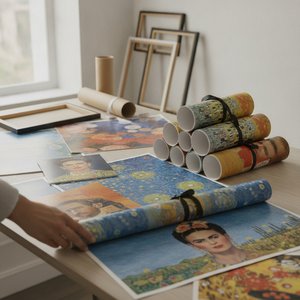
OriginalUniqueArt.com F.A.Q.: Premium Art Poster Prints – Vivid Colors & Versatile Sizing
Discover OriginalUniqueArt.com's premium art poster prints. Featuring 12-color archival pigments for vivid color fidelity and versatile sizing for bespoke decor. Expertly crafted museum-quality reproductions designed for discerning collectors and professional decorators.


