Ver en contexto
 Enviar
 Compartir
 Detalles

 Descargar
 Similares
 Radiografía
 Presentación de diapositivas
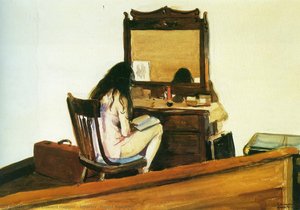
Soir bleu


 Ver más
Giclée / Impresión de arte
Impresiones giclée o en lienzo de calidad de museo con producción rápida y opciones de acabado flexibles. ( Comprar pintura hecha a mano Comprar imagen)




P118B $10

P118H $10

P118W $10

P438Z $10

P508JH $12

P508YH $12

P805H $10

P805Z $10

P919BZ $10

P919G $10

P919XJ $10

P959ZH $10

P968JZ $12

W106C $8

W218G $10

W218JH $8

W218Y $10

W307PJ $10

W316G $10

W316PJ $8

W316Y $10

W398PJ $8

W4111J $10

W500HY $15

W500JH $15

W692G $12

W849H $8

W940BG $15

W953PJ $8




Elija entre nuestros tamaños predefinidos que respetan las proporciones originales de la obra.

Puede introducir sus propias dimensiones para adaptarse a un marco o espacio específico. Si el tamaño seleccionado no coincide con las proporciones de la imagen original, recortaremos la obra de arte o extenderemos la imagen con un borde con efecto espejo o de color sólido. Se enviará una maqueta digital para su aprobación antes de que comience la producción.
Tenga en cuenta que la vista previa en pantalla no refleja el recorte o la extensión real. Solo la maqueta mostrará con precisión la composición final.
Aunque existen tamaños personalizados, recomendamos seleccionar una dimensión de la lista predefinida para preservar las proporciones originales.
Envío a todo el mundo () en 2 semanas en lugar de las 4/5 semanas estándar. (27 agosto)

Envío exprés gratuito a todo el mundo

Lienzo de lino de alta calidad

Seguro de envío total

Garantía de reembolso de impuestos aduaneros

Garantía de fidelidad cromática exacta

Política de devolución de 60 días (solo por defectos)

Garantía de devolución del 100% del dinero

Descuento por cantidad
 La opción de vidrio solo está disponible en tamaños inferiores a 110 cm.

Soir bleu
Giclée / Impresión de arte
Dimensiones de la reproducción
-


Precio total final
$ 80
Descripción de la pieza
A Quietude in Monochrome: The Soul of Soir Bleu
In the vast canon of American modernism, few moments capture the profound stillness of urban existence as poignantly as Edward Hopper’s Soir Bleu. Painted in 1914, this evocative black and white composition serves as a hauntingly beautiful window into a New York café, frozen in a state of perpetual twilight. While many associate Hopper with the vibrant, cinematic light of his later oil paintings, Soir Bleu relies on a masterful command of tonal gradations to tell its story. It is not merely a depiction of a restaurant interior; it is a meditation on the invisible threads that connect—and simultaneously isolate—us within the bustling machinery of the city. The scene presents a collection of figures seated at tables, their presence felt through the weight of their silence rather than the volume of their speech. Through this lens, Hopper invites the viewer to step into a space where time seems to suspend itself, offering a rare opportunity for quiet contemplation amidst the chaos of modern life.
The composition is a delicate dance of light and shadow, showcasing the artist's early mastery of atmosphere over mere photographic accuracy. Though rooted in the Impressionistic traditions of artists like Monet, Hopper’s vision here is distinctly more structural and introspective. He utilizes flattened planes and subtle shifts in grey to define the geometry of the café—the sharp lines of chairs, the reflective surfaces of glassware, and the heavy presence of bottles and vases. The light does not simply illuminate; it sculpts the scene, casting long, melancholic shadows that stretch across the tables like unspoken thoughts. This deliberate manipulation of luminance creates a dramatic interplay between the visible and the obscured, where the faces of the patrons often remain partially veiled, heightening the sense of detachment and the enigmatic nature of the human experience.
The Architecture of Solitude and Symbolism
Beyond its technical brilliance, Soir Bleu functions as a profound symbolic study of modern alienation. The objects scattered across the tables—wine glasses, cups, and bowls—act as silent witnesses to a shared social ritual that feels strangely solitary. There is a palpable tension in the way the figures are arranged; though they occupy the same physical space, each person appears locked within their own internal monologue. This "architecture of solitude" is what makes Hopper’s work so enduringly relevant for the contemporary collector and interior designer alike. The painting captures that specific, modern ache: the feeling of being alone in a crowd. By stripping away color, Hopper removes the distractions of the physical world, leaving behind only the emotional essence of the moment—a raw, monochromatic truth about the human condition.
For those looking to integrate such a profound piece into a curated space, Soir Bleu offers an unparalleled emotional depth. As a high-quality reproduction, it brings a sense of sophisticated stillness to any room, acting as a focal point that encourages reflection rather than mere observation. Whether placed in a minimalist contemporary gallery or a classic study, the painting’s ability to evoke both intimacy and distance makes it a versatile masterpiece. It is an investment in atmosphere, providing a window into the dawn of modern consciousness and a permanent reminder of the beauty found in life's quietest, most solitary intervals.
Biografía del artista
**vida temprana e influencias**
edward hopper, un destacado pintor y grabador realista estadounidense, nació el 22 de julio de 1882 en Upper Nyack, Nueva York. Su familia, de ascendencia mayoritariamente holandesa, proporcionó una crianza cómoda que le permitió perseguir sus inclinaciones artísticas desde temprana edad. - **inspiraciones:** La obra de Hopper fue influenciada por las escrituras de Ralph Waldo Emerson y los maestros impresionistas franceses Édouard Manet y Edgar Degas. - **formación inicial:** Comenzó estudios de arte con un curso por correspondencia en 1899, posteriormente transfiriéndose a la Escuela de Arte y Diseño de Nueva York.**estilo artístico y temas**
edward hopper's representaciones cuidadosas y con un diseño preciso reflejaban su visión personal de la vida moderna estadounidense. Su obra se puede caracterizar por: - **escenas urbanas y rurales:** Ambos entornos fueron retratados con una mezcla única de realismo y profundidad emocional. - **iluminación:** Un dominio de la luz, a menudo utilizada para evocar sentimientos de aislamiento o contemplación. - **figuras:** A menudo sin rostro o en segundo plano, enfatizando al entorno sobre las figuras.**obras notables y su significado**
- House by the Railroad (Museo de Arte Moderno, Nueva York, Estados Unidos), un ejemplo de la capacidad de Hopper para evocar una sensación de melancolía a través de una composición simple pero poderosa. - Reclining Nude (50 x 35 cm, Nuevo Realismo, acuarela), que muestra su versatilidad para capturar la forma humana.**legado e influencia**
- **influencia en artistas futuros:** El estilo único de Hopper ha influido a numerosos artistas, incluyendo Pierre Sanford Ross, conocido por sus escenas urbanas y rurales. - **popularidad perdurable:** Sus obras continúan cautivando al público con sus temas atemporales de soledad y la condición humana.**explora más en OriginalUniqueArt**
- [https://OriginalUniqueArt.com/@/edward-hopper](obras de Edward Hopper) - /es/art/show/art-8xyffg-es/compra arte inspirado por los maestros)- Profundiza en el mundo del arte con la extensa colección de OriginalUniqueArt.
- Descubre cómo el legado de Edward Hopper continúa inspirando a artistas y amantes del arte.
**referencias**
- [https://OriginalUniqueArt.com/@/edward-hopper](Wikipedia: Edward Hopper) - [https://en.wikipedia.org/wiki/edward_hopper](Wikipedia: Biografía de Edward Hopper)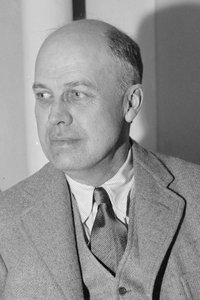
Edward Hopper
1931 - 1967 , Estados Unidos de América
Datos clave
- Artistas Influenciados: ['Pierre Sanford Ross']
- Artistas Que Influyeron:
- Ralph Waldo Emerson
- Édouard Manet
- Edgar Degas
- Fecha De Muerte: 1967
- Fecha De Nacimiento: 22 de julio de 1882
- Lugar De Nacimiento: Upper Nyack, EE. UU.
- Movimiento Artístico: Realismo americano
- Nacionalidad: Estadounidense
- Nombre Completo: Edward Hopper
- Obras Notables:
- House by the Railroad
- Reclining Nude
- Nighthawks
- Gas
- Chop Suey
Artículos relacionados

Blanco Sublime: Los 10 Cuadros Más Famosos Dominados por la Luz y el Color
Descubre los 10 cuadros blancos más emblemáticos de la historia del arte. Explora Monet, Van Gogh y Klimt, y su magistral uso de la luz y el color. Encuentra reproducciones de alta calidad e inspírate para tu decoración en .

Las 10 Pinturas Más Famosas Dominadas por el Negro | Arte y Decoración
Descubre las 10 pinturas más impactantes dominadas por el negro. Explora obras maestras de Rembrandt, Goya y Rothko, su historia y significado. Encuentra reproducciones de arte exclusivas para transformar tu hogar en .
Shadow & Soul: Why Black & White Photography Remains the Ultimate Power Move in Modern Art
Discover why black & white photography remains a powerful force in contemporary art. Explore the impact of light, shadow, and texture through a visual journey of monochrome mastery and learn how to elevate your space with timeless grayscale aesthetics.

Monochrome Visions: Exploring the Aesthetic & Historical Significance of Black & White Photography
Explore the rich history & artistic power of black and white photography. From early techniques to iconic masters like Ansel Adams, discover why monochrome continues to captivate art lovers today. Expert insights for collectors.
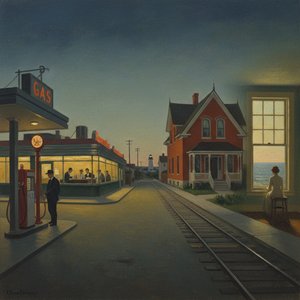
Edward Hopper: Las 25 Obras Maestras que Definen la Soledad Moderna | OriginalUniqueArt
Descubre las 25 obras maestras de Edward Hopper, el pintor de la soledad moderna. Explora su realismo americano, luz y sombra, e icónicas escenas urbanas. Reproducciones de arte en OriginalUniqueArt.com para decorar tu hogar con estilo.