Ver en contexto
 Enviar
 Compartir
 Detalles

 Descargar
 Similares
 Radiografía
 Presentación de diapositivas
Four Lane Road

 Ver más
Reproducción al óleo hecha a mano
Óleo sobre lienzo pintado a mano en el tamaño y marco de su elección, realizado por encargo por nuestros artistas. ( Comprar impresión Comprar imagen)




P118B $10

P118H $10

P118W $10

P438Z $10

P508JH $12

P508YH $12

P805H $10

P805Z $10

P919BZ $10

P919G $10

P919XJ $10

P959ZH $10

P968JZ $12

W106C $8

W218G $10

W218JH $8

W218Y $10

W307PJ $10

W316G $10

W316PJ $8

W316Y $10

W398PJ $8

W4111J $10

W500HY $15

W500JH $15

W692G $12

W849H $8

W940BG $15

W953PJ $8




Elija entre nuestros tamaños predefinidos que respetan las proporciones originales de la obra.

Puede ingresar sus propias dimensiones para adaptarse a un marco o espacio específico. Si el tamaño seleccionado no coincide con las proporciones de la imagen original, recortaremos la obra o extenderemos la pintura con elementos adicionales pintados a mano. Se le enviará una maqueta digital para su aprobación antes de comenzar la producción.
Tenga en cuenta que la vista previa en pantalla no refleja el recorte o la extensión reales. Solo la maqueta mostrará con precisión la composición final.
Si bien existen tamaños personalizados, recomendamos seleccionar una dimensión de la lista predefinida para preservar las proporciones originales.
Tras realizar el pedido, el equipo de OriginalUniqueArt.com enviará un correo electrónico al cliente para solicitar instrucciones y proporcionarle una vista previa del boceto.
Envío a todo el mundo () en 3-4 semanas en lugar de las 5 semanas estándar. (7 septiembre). Sin comprometer la calidad.

Envío exprés gratuito a todo el mundo

Lienzo de lino de alta calidad

Seguro de envío total

Garantía de reembolso de impuestos aduaneros

Garantía de fidelidad cromática exacta

Política de devolución de 100 días (solo por defectos)

Garantía de devolución del 100% del dinero

Descuento por cantidad
 La opción de vidrio solo está disponible en tamaños inferiores a 110 cm.

Four Lane Road
Técnica de reproducción
Dimensiones de la reproducción
-


Precio total final
$ 325
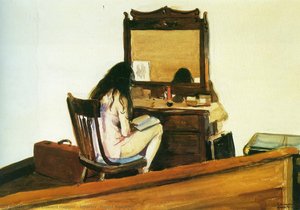
Edward Hopper’s “Four Lane Road”: A Study in American Loneliness
Edward Hopper's "Four Lane Road," painted in 1956, isn’t merely a depiction of a roadside scene; it’s a distilled essence of the American experience – a poignant meditation on solitude, isolation, and the quiet dignity of everyday life. The painting immediately draws the viewer into a meticulously rendered tableau: a sparsely populated rural landscape dominated by a weathered gas station and two figures caught in moments of detached contemplation. Hopper masterfully employs horizontal lines—the road stretching endlessly towards the horizon, the starkly defined roofline of the building—to create a sense of stillness and expanse, mirroring the emotional quietude at the heart of the work.
The composition is deceptively simple yet profoundly effective. A man sits alone on a bench outside the gas station, his posture suggesting a deep introspection or perhaps a weary acceptance of circumstance. His gaze is directed towards an unseen point in the distance, while a woman stands behind the counter within the building, equally solitary and lost in her own thoughts. Hopper’s use of light is crucial to this effect; it's diffused and atmospheric, casting long shadows that emphasize the figures’ isolation and creating a subtly melancholic mood. The muted color palette—primarily blues, greens, and browns—further contributes to the painting’s somber tone, evoking the feeling of a late afternoon in a small American town.
The Hopperian Vision: Realism Infused with Emotion
Hopper's style is often categorized as “American Realism,” but it transcends simple representation. He wasn’t interested in merely depicting what he saw; instead, he sought to capture the *feeling* of a place and its inhabitants. This is evident in his meticulous attention to detail—the worn texture of the gas station building, the subtle variations in the pavement, the precise rendering of the figures' faces—combined with an intuitive understanding of how light and shadow can shape perception. Hopper’s work frequently explores themes of urban alienation and the disconnect between individuals within a rapidly changing society.
The painting’s roots lie firmly in Hopper’s personal experiences and observations of American life, particularly his time spent in New York City and later on Cape Cod. He was fascinated by the rhythms of everyday existence—the solitary figures going about their routines, the quiet moments of reflection, the sense of detachment that could permeate even the most familiar surroundings. “Four Lane Road” embodies this fascination, offering a glimpse into a world where connection seems elusive and loneliness is a pervasive presence.
Symbolism and Narrative Depth
While seemingly straightforward, "Four Lane Road" is rich in symbolic meaning. The gas station itself represents a point of transition—a place where travelers pause to refuel both their vehicles and their spirits. The figures’ isolation speaks to the broader theme of alienation in modern society, suggesting a sense of disconnection from community and a yearning for something more. The road stretching into the distance symbolizes the journey of life, with its inherent uncertainties and challenges.
The painting's narrative is deliberately ambiguous, inviting viewers to project their own interpretations onto the scene. Who are these figures? What are they thinking about? What lies ahead for them? Hopper intentionally avoids providing definitive answers, allowing the viewer to engage in a dialogue with the artwork and draw their own conclusions. The lack of overt drama or conflict contributes to the painting’s enduring power—it's a quiet, understated portrait of human experience that resonates deeply with viewers on an emotional level.
A Timeless Masterpiece: Reproduction and Legacy
"Four Lane Road" remains one of Edward Hopper’s most iconic works, celebrated for its evocative atmosphere and profound insights into the American psyche. Its influence can be seen in countless subsequent paintings and films that explore themes of loneliness, isolation, and the complexities of modern life. Reproductions of this masterpiece offer a remarkable opportunity to bring Hopper's vision into your home or office, adding a touch of understated elegance and emotional depth to any space.
Consider commissioning a high-quality hand-painted reproduction from OriginalUniqueArt.com – a faithful recreation that captures the nuances of Hopper’s original technique and color palette. It’s more than just a print; it's a tangible connection to one of America’s greatest artists, allowing you to experience the enduring power of “Four Lane Road” for years to come.
Biografía del artista
**vida temprana e influencias**
edward hopper, un destacado pintor y grabador realista estadounidense, nació el 22 de julio de 1882 en Upper Nyack, Nueva York. Su familia, de ascendencia mayoritariamente holandesa, proporcionó una crianza cómoda que le permitió perseguir sus inclinaciones artísticas desde temprana edad. - **inspiraciones:** La obra de Hopper fue influenciada por las escrituras de Ralph Waldo Emerson y los maestros impresionistas franceses Édouard Manet y Edgar Degas. - **formación inicial:** Comenzó estudios de arte con un curso por correspondencia en 1899, posteriormente transfiriéndose a la Escuela de Arte y Diseño de Nueva York.**estilo artístico y temas**
edward hopper's representaciones cuidadosas y con un diseño preciso reflejaban su visión personal de la vida moderna estadounidense. Su obra se puede caracterizar por: - **escenas urbanas y rurales:** Ambos entornos fueron retratados con una mezcla única de realismo y profundidad emocional. - **iluminación:** Un dominio de la luz, a menudo utilizada para evocar sentimientos de aislamiento o contemplación. - **figuras:** A menudo sin rostro o en segundo plano, enfatizando al entorno sobre las figuras.**obras notables y su significado**
- House by the Railroad (Museo de Arte Moderno, Nueva York, Estados Unidos), un ejemplo de la capacidad de Hopper para evocar una sensación de melancolía a través de una composición simple pero poderosa. - Reclining Nude (50 x 35 cm, Nuevo Realismo, acuarela), que muestra su versatilidad para capturar la forma humana.**legado e influencia**
- **influencia en artistas futuros:** El estilo único de Hopper ha influido a numerosos artistas, incluyendo Pierre Sanford Ross, conocido por sus escenas urbanas y rurales. - **popularidad perdurable:** Sus obras continúan cautivando al público con sus temas atemporales de soledad y la condición humana.**explora más en OriginalUniqueArt**
- [https://OriginalUniqueArt.com/@/edward-hopper](obras de Edward Hopper) - /es/art/show/art-8xyffg-es/compra arte inspirado por los maestros)- Profundiza en el mundo del arte con la extensa colección de OriginalUniqueArt.
- Descubre cómo el legado de Edward Hopper continúa inspirando a artistas y amantes del arte.
**referencias**
- [https://OriginalUniqueArt.com/@/edward-hopper](Wikipedia: Edward Hopper) - [https://en.wikipedia.org/wiki/edward_hopper](Wikipedia: Biografía de Edward Hopper)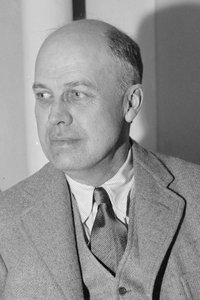
Edward Hopper
1931 - 1967 , Estados Unidos de América
Datos clave
- Artistas Influenciados: ['Pierre Sanford Ross']
- Artistas Que Influyeron:
- Ralph Waldo Emerson
- Édouard Manet
- Edgar Degas
- Fecha De Muerte: 1967
- Fecha De Nacimiento: 22 de julio de 1882
- Lugar De Nacimiento: Upper Nyack, EE. UU.
- Movimiento Artístico: Realismo americano
- Nacionalidad: Estadounidense
- Nombre Completo: Edward Hopper
- Obras Notables:
- House by the Railroad
- Reclining Nude
- Nighthawks
- Gas
- Chop Suey
Artículos relacionados

Edward Hopper: Las 25 Obras Maestras que Definen la Soledad Moderna | OriginalUniqueArt
Descubre las 25 obras maestras de Edward Hopper, el pintor de la soledad moderna. Explora su realismo americano, luz y sombra, e icónicas escenas urbanas. Reproducciones de arte en OriginalUniqueArt.com para decorar tu hogar con estilo.

Realismo Estadounidense: 10 Obras Maestras que Cambiaron el Arte y la Decoración
Descubre 10 obras maestras del Realismo Estadounidense: Winslow Homer, Edward Hopper y más. Explora la historia, técnica y emoción de estos icónicos cuadros. Encuentra reproducciones de arte de museo en OriginalUniqueArt.com.

Grant Wood & American Regionalism: Identity, Myth & the Rural Landscape
Explore the world of Grant Wood & American Regionalism with OriginalUniqueArt. Discover the symbolism behind 'American Gothic', recurring themes, and the movement's lasting impact on art history. High-quality reproductions available.

The Unvarnished Truth: A Cultural Journey Through the Soul of American Realism
Explore the profound beauty of American Realism. From the Ashcan School's urban grit to intimate portraits, discover how artists captured the authentic soul of a nation through unvarnished truth and masterful observation.
Realismo Americano: Comentario Social y Representación Artística en la Pintura del Siglo XX
Explora el Realismo Americano del siglo XX: un análisis profundo de sus artistas clave (Vertis Hayes, William Aiken Walker), técnicas y su poderoso comentario social. Descubre cómo este movimiento plasmó la identidad estadounidense.