Vista previa
 Compartir
 Compartir
 Ver detalles
 Guía
Guía

 Descargar
 Ver artículos similares
 Radiografía
 Presentación de diapositivas
 Estadísticas
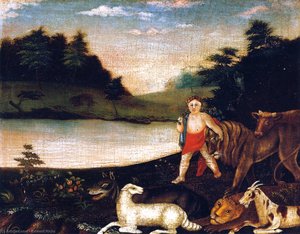
Peaceable Kingdom


 Leer más
Reproducción al óleo hecha a mano
Óleo sobre lienzo pintado a mano en el tamaño y marco de su elección, realizado por encargo por nuestros artistas. ( Cambiar a formato impreso Ver versión en imagen digital)




P118B €10

P118H €10

P118W €10

P438Z €10

P508JH €12

P508YH €12

P805H €10

P805Z €10

P919BZ €10

P919G €10

P919XJ €10

P959ZH €10

P968JZ €12

W106C €8

W218G €10

W218JH €8

W218Y €10

W307PJ €10

W316G €10

W316PJ €8

W316Y €10

W398PJ €8

W4111J €10

W500HY €15

W500JH €15

W692G €12

W849H €8

W940BG €15

W953PJ €8




Elija entre nuestros tamaños predefinidos que respetan las proporciones originales de la obra.

Escriba el ancho y el alto que necesite para adaptarse a su marco o a su pared. Al ser una obra pintada a mano, para un tamaño con una forma distinta, el artista puede pintar un poco más alrededor de la imagen o recortar un poco; usted elige. Le enviaremos una maqueta digital para su aprobación antes de comenzar la pintura. La imagen que se muestra en esta página no refleja el resultado real; solo la maqueta lo hace.
Tras realizar el pedido, el equipo de OriginalUniqueArt.com enviará un correo electrónico al cliente para solicitar instrucciones y proporcionarle una vista previa del boceto.
Envío a todo el mundo () en 3-4 semanas en lugar de las 5 semanas estándar. (21 octubre). Sin comprometer la calidad.

Envío exprés gratuito a todo el mundo

Lienzo de lino de alta calidad

Seguro de envío completo

Garantía de reembolso de impuestos aduaneros

Garantía de fidelidad cromática exacta

Política de devolución de 100 días (solo por defectos)

Garantía de devolución del 100% del dinero

Oferta por volumen
 La opción de vidrio solo está disponible en tamaños inferiores a 110 cm.

Peaceable Kingdom
Técnica de reproducción
Tamaño de la reproducción
-


Precio total
€ 262
The Serene Vision of Peaceable Kingdom
Edward Hicks’s “Peaceable Kingdom” – painted in 1832 – isn't merely a pastoral scene; it’s a profound meditation on Quaker faith, the harmony between humanity and nature, and the enduring promise of a better world. This iconic work, now housed within the collection of the Smithsonian American Art Museum, transcends its simple depiction of animals grazing in a verdant field to become a powerful symbol of utopian ideals and spiritual aspiration. Hicks, a devout Quaker himself, imbued this painting with his deeply held beliefs, transforming a commonplace landscape into a vibrant tableau of peace and fellowship.
The scene unfolds within a rolling hillside bathed in the soft glow of an afternoon sun. Cows, sheep, goats, and horses – rendered with meticulous detail and a remarkable sense of warmth – mingle peacefully amongst themselves. A small group of figures, recognizable as Quakers, are present, not as observers but as active participants in this idyllic community. A boat rests gently on a nearby stream, hinting at journeys undertaken and destinations yet to be discovered. The composition is carefully balanced, creating a feeling of stability and contentment – a visual representation of the Quaker belief in a world governed by reason and compassion.
A Painter’s Technique: Hicks's Distinctive Style
Hicks was renowned for his distinctive style, often described as “Pennsylvania Dutch.” He employed a technique known as "grisaille," working primarily in shades of gray before adding color. This approach allowed him to establish the forms and values of the scene with precision before introducing vibrant hues. His brushwork is remarkably smooth and detailed, particularly evident in the rendering of the animals’ coats and the textures of the foliage. He utilized a glazing technique – applying thin layers of translucent paint over dried underlayers – to build up depth and luminosity, creating an almost ethereal quality within the painting.
Notably, Hicks's use of color is deliberately restrained, favoring muted greens, browns, and blues. This palette contributes to the overall sense of tranquility and reinforces the painting’s spiritual message. He avoided dramatic contrasts or overly bright colors, opting instead for a harmonious blend that evokes a feeling of quiet reverence. The subtle variations in tone create a remarkable sense of depth and atmosphere, drawing the viewer into this peaceful world.
Symbolism and Quaker Ideals
“Peaceable Kingdom” is rich with symbolic meaning, deeply rooted in Quaker theology. The animals themselves represent different aspects of God’s creation – cows symbolizing abundance, sheep representing innocence, goats embodying resilience, and horses signifying strength. The presence of the Quakers underscores the importance of community, social justice, and peaceful living—core tenets of the Quaker faith. The boat symbolizes journeys both literal and metaphorical, suggesting a quest for spiritual enlightenment and a commitment to spreading peace and goodwill.
Furthermore, the painting reflects Hicks’s belief in the “Inner Light,” the inherent goodness within each individual. The harmonious interaction between humans and animals suggests that this light can be cultivated through virtuous living and a connection with nature. The idyllic setting represents a vision of utopia – a world where conflict is resolved through reason and compassion, and where all beings coexist in harmony.
A Legacy of Peace: Reproduction and Inspiration
“Peaceable Kingdom” has resonated deeply throughout American art history and continues to inspire viewers today. Its enduring appeal lies not only in its beautiful depiction of a pastoral scene but also in its profound message of hope and peace. Reproductions, such as those offered by OriginalUniqueArt.com, allow this timeless masterpiece to be enjoyed in homes and galleries worldwide. When selecting a reproduction, consider the quality of materials used – a faithful rendering will capture the subtle nuances of Hicks’s original technique and ensure that the painting's serene beauty is preserved for generations to come.
Preguntas y respuestas
¿Qué tamaño de impresión de "Peaceable Kingdom" de Edward Hicks se adapta a la habitación recomendada?
En un Living Room, se sugiere imprimir "Peaceable Kingdom" en un tamaño de Large.
¿Es "Peaceable Kingdom" de Edward Hicks de dominio público?
En cuanto a los derechos de autor, "Peaceable Kingdom" es en el dominio público: sus derechos de autor han expirado.
¿Quién creó "Peaceable Kingdom" y a qué estilo pertenece?
Edward Hicks creó "Peaceable Kingdom" dentro del movimiento Quaker Folk Art.
Biografía del artista
Vida Temprana y Antecedentes
- Nacido: 4 de abril de 1780, en Attleboro (ahora Langhorne), Condado de Bucks, Pensilvania
- Fallecido: 23 de agosto de 1849
- Sus padres eran anglicanos, pero fue criado por Matron Elizabeth Twining, una cuáquera. Esto lo introdujo a las creencias cuáqueras a una edad temprana.
- Aprendiz de los fabricantes de carruajes William y Henry Tomlinson desde la edad de trece años, aprendiendo técnicas de pintura de carruajes.
- Dejó la firma en 1800 para trabajar de forma independiente como pintor de casas y carruajes.
Ministerio Cuáquero y Desarrollo Artístico
- Aceptado en la Sociedad de Amigos en 1803 y comenzó a asistir regularmente a reuniones cuáqueras.
- Se casó con Sarah Worstall, también cuáquera, y se convirtió en predicador itinerante por Filadelfia.
- Para mantener a su familia, amplió su pintura para incluir objetos domésticos, equipos agrícolas y letreros de taberna.
- Abandonó brevemente la pintura ornamental en 1815 debido a dificultades financieras, pero la retomó en 1816.
Estilo Artístico y Obras Clave
- Artista Autodidacta: Hicks fue en gran medida autodidacta, desarrollando un estilo único de arte popular.
- Influencia Cuáquera: Su obra reflejaba las creencias cuáqueras en la "luz interior", enfatizando la experiencia espiritual personal. Esto es evidente en sus composiciones simples y su enfoque en la naturaleza.
- La Serie del Reino Pacífic: Su serie más famosa, que comprende 62 versiones, representa una visión de armonía entre humanos y animales, representando paz y coexistencia.
- Pinturas Notables:
- Reino Pacífic (31) – Alojada en la Galería de Arte de la Universidad Yale
- Cataratas del Niágara – Alojada en el Centro de Arte Popular Abby Aldrich Rockefeller
- George Washington con su ejército cruzando el Delaware – También alojada en el Centro de Arte Popular Abby Aldrich Rockefeller
- Reino Pacífic (34) - Representa el Arca de Noé en una serena pintura al óleo.
- Tumba de William Penn en Jordans, Inglaterra - Una representación de la campiña inglesa que muestra el patrimonio cuáquero.
Legado y Significado Histórico
- Icono del Arte Popular: Edward Hicks es reconocido como una figura significativa en el arte popular estadounidense, conocido por su estilo distintivo y temas recurrentes.
- Representación de los Valores Cuáqueros: Sus pinturas brindan información valiosa sobre las creencias y valores de la Sociedad de Amigos durante el siglo XIX.
- Visión Artística Única: Hicks mezcló la fe religiosa con la expresión artística, creando una obra que es a la vez visualmente atractiva y espiritualmente significativa.
- Apreciación Continua: Sus obras se exhiben en importantes museos y continúan siendo estudiadas y apreciadas por su significado histórico y artístico.

Edward Hicks
1780 - 1849 , Estados Unidos de América
Datos clave
- Fecha De Fallecimiento: 23 de agosto de 1849
- Fecha De Nacimiento: 4 de abril de 1780
- Lugar De Nacimiento: Attleboro, EE. UU.
- Movimiento Artístico: Arte popular
- Nacionalidad: Estadounidense
- Nombre Completo: Edward Hicks
- Obras Notables:
- Peaceable Kingdom (31)
- Falls of Niagara
- George Washington Crossing Delaware
- Peaceable Kingdom of the Branch
- Grave of William Penn
Artículos relacionados

Edward Hicks’ ‘Peaceable Kingdom’: American Folk Art & the Shaping of a National Identity
Explore the profound symbolism & historical context of Edward Hicks’ ‘Peaceable Kingdom.’ Discover how this iconic American folk art masterpiece reflects Quaker values and shaped a nation's identity. Learn more at OriginalUniqueArt.
Idyllic Visions: Exploring the Pastoral Tradition in Western Art – Themes, Techniques & Enduring Appeal
Explore the rich history of pastoral art from classical Arcadia to contemporary interpretations. Discover key artists, themes & collecting tips at OriginalUniqueArt.
Edward Hopper: Las 25 Obras Maestras que Definen la Soledad Moderna | OriginalUniqueArt
Descubre las 25 obras maestras de Edward Hopper, el pintor de la soledad moderna. Explora su realismo americano, luz y sombra, e icónicas escenas urbanas. Reproducciones de arte en OriginalUniqueArt.com para decorar tu hogar con estilo.

Grant Wood & American Regionalism: Identity, Myth & the Rural Landscape
Explore the world of Grant Wood & American Regionalism with OriginalUniqueArt. Discover the symbolism behind 'American Gothic', recurring themes, and the movement's lasting impact on art history. High-quality reproductions available.

Realismo Estadounidense: 10 Obras Maestras que Cambiaron el Arte y la Decoración
Descubre 10 obras maestras del Realismo Estadounidense: Winslow Homer, Edward Hopper y más. Explora la historia, técnica y emoción de estos icónicos cuadros. Encuentra reproducciones de arte de museo en OriginalUniqueArt.com.