Vista previa
 Compartir
 Compartir
 Ver detalles
 Guía
Guía

 Descargar
 Ver artículos similares
 Radiografía
 Presentación de diapositivas
 Estadísticas
Peaceable Kingdom (39)


 Leer más
Giclée / Impresión de arte
Impresiones giclée o en lienzo de calidad de museo con producción rápida y opciones de acabado flexibles. ( Encargar reproducción pintada a mano Ver versión en imagen digital)




P118B $10

P118H $10

P118W $10

P438Z $10

P508JH $12

P508YH $12

P805H $10

P805Z $10

P919BZ $10

P919G $10

P919XJ $10

P959ZH $10

P968JZ $12

W106C $8

W218G $10

W218JH $8

W218Y $10

W307PJ $10

W316G $10

W316PJ $8

W316Y $10

W398PJ $8

W4111J $10

W500HY $15

W500JH $15

W692G $12

W849H $8

W940BG $15

W953PJ $8




Elija entre nuestros tamaños predefinidos que respetan las proporciones originales de la obra.

Puede introducir sus propias dimensiones para adaptarse a un marco o espacio específico. Si el tamaño seleccionado no coincide con las proporciones de la imagen original, recortaremos la obra de arte o extenderemos la imagen con un borde con efecto espejo o de color sólido. Se enviará una maqueta digital para su aprobación antes de que comience la producción.
Tenga en cuenta que la vista previa en pantalla no refleja el recorte o la extensión real. Solo la maqueta mostrará con precisión la composición final.
Aunque existen tamaños personalizados, recomendamos seleccionar una dimensión de la lista predefinida para preservar las proporciones originales.
Envío a todo el mundo () en 2 semanas en lugar de las 4/5 semanas estándar. (25 septiembre)

Envío exprés gratuito a todo el mundo

Lienzo de lino de alta calidad

Seguro de envío completo

Garantía de reembolso de impuestos aduaneros

Garantía de fidelidad cromática exacta

Política de devolución de 100 días (solo por defectos)

Garantía de devolución del 100% del dinero

Oferta por volumen
 La opción de vidrio solo está disponible en tamaños inferiores a 110 cm.

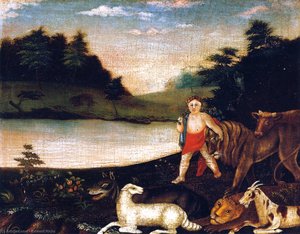
Peaceable Kingdom (39)
Giclée / Impresión de arte
Tamaño de la reproducción
-


Precio total
$ 80
A Vision of Eternal Harmony
In the vast tapestry of American folk art, few images resonate with as much profound serenity and spiritual longing as Edward Hicks’s Peaceable Kingdom (39). Painted in 1832, this masterpiece serves as a breathtaking window into a world where the boundaries between predator and prey, human and nature, are dissolved by a divine, quiet grace. The canvas unfolds as a pastoral dreamscape, a sanctuary of stillness where the ferocious lion rests beside the gentle cow, and sheep graze without fear in the presence of much more formidable creatures. It is not merely a landscape, but a theological vision rendered in oil, capturing a moment of suspended animation where the chaos of the natural world has been replaced by an everlasting, rhythmic peace.
The composition of this work is a masterclass in creating depth and narrative through simplicity. Hicks utilizes a soft, layered perspective that draws the viewer’s eye from the intimate details of the foreground—where the textures of fur and grass feel almost tactile—into a hazy, atmospheric distance. The warm, golden hues of the light suggest an eternal afternoon, bathing the scene in a glow that feels both nostalgic and prophetic. Through his deliberate use of soft brushstrokes and a balanced arrangement of figures, Hicks ensures that every element, from the smallest lamb to the most imposing beast, contributes to a singular, unified atmosphere of coexistence.
The Soul of the Quaker Painter
To truly appreciate this painting, one must understand the hand that guided the brush. Edward Hicks was not merely an artist; he was a Quaker minister whose life was defined by the pursuit of the "inner light." His unique style, often categorized as American folk or primitive art, eschews the complex anatomical realism of his European contemporaries in favor of a symbolic clarity. Every creature in Peaceable Kingdom (3ly) carries a weight of meaning; the coexistence of animals serves as a powerful metaphor for the Quaker ideals of pacifism and universal brotherhood. For the collector or the admirer, this painting offers more than just aesthetic beauty—it offers a meditative experience, inviting one to contemplate a world governed by compassion rather than conflict.
For those looking to bring this sense of tranquility into a modern living space, a high-quality reproduction of this work acts as a profound focal point. Whether placed in a sunlit library or a quiet study, the painting’s ability to evoke stillness makes it an invaluable asset for interior designers seeking to create "sanctuary" environments. The piece does not demand attention through aggression, but rather commands it through its undeniable poise and historical significance. Owning a reproduction of such a monumental work from the Pennsylvania Academy of the Fine Arts collection allows the spirit of Hicks’s 19th-century vision to breathe within the walls of a contemporary home, serving as a constant, gentle reminder of the beauty found in harmony.
Biografía del artista
Vida Temprana y Antecedentes
- Nacido: 4 de abril de 1780, en Attleboro (ahora Langhorne), Condado de Bucks, Pensilvania
- Fallecido: 23 de agosto de 1849
- Sus padres eran anglicanos, pero fue criado por Matron Elizabeth Twining, una cuáquera. Esto lo introdujo a las creencias cuáqueras a una edad temprana.
- Aprendiz de los fabricantes de carruajes William y Henry Tomlinson desde la edad de trece años, aprendiendo técnicas de pintura de carruajes.
- Dejó la firma en 1800 para trabajar de forma independiente como pintor de casas y carruajes.
Ministerio Cuáquero y Desarrollo Artístico
- Aceptado en la Sociedad de Amigos en 1803 y comenzó a asistir regularmente a reuniones cuáqueras.
- Se casó con Sarah Worstall, también cuáquera, y se convirtió en predicador itinerante por Filadelfia.
- Para mantener a su familia, amplió su pintura para incluir objetos domésticos, equipos agrícolas y letreros de taberna.
- Abandonó brevemente la pintura ornamental en 1815 debido a dificultades financieras, pero la retomó en 1816.
Estilo Artístico y Obras Clave
- Artista Autodidacta: Hicks fue en gran medida autodidacta, desarrollando un estilo único de arte popular.
- Influencia Cuáquera: Su obra reflejaba las creencias cuáqueras en la "luz interior", enfatizando la experiencia espiritual personal. Esto es evidente en sus composiciones simples y su enfoque en la naturaleza.
- La Serie del Reino Pacífic: Su serie más famosa, que comprende 62 versiones, representa una visión de armonía entre humanos y animales, representando paz y coexistencia.
- Pinturas Notables:
- Reino Pacífic (31) – Alojada en la Galería de Arte de la Universidad Yale
- Cataratas del Niágara – Alojada en el Centro de Arte Popular Abby Aldrich Rockefeller
- George Washington con su ejército cruzando el Delaware – También alojada en el Centro de Arte Popular Abby Aldrich Rockefeller
- Reino Pacífic (34) - Representa el Arca de Noé en una serena pintura al óleo.
- Tumba de William Penn en Jordans, Inglaterra - Una representación de la campiña inglesa que muestra el patrimonio cuáquero.
Legado y Significado Histórico
- Icono del Arte Popular: Edward Hicks es reconocido como una figura significativa en el arte popular estadounidense, conocido por su estilo distintivo y temas recurrentes.
- Representación de los Valores Cuáqueros: Sus pinturas brindan información valiosa sobre las creencias y valores de la Sociedad de Amigos durante el siglo XIX.
- Visión Artística Única: Hicks mezcló la fe religiosa con la expresión artística, creando una obra que es a la vez visualmente atractiva y espiritualmente significativa.
- Apreciación Continua: Sus obras se exhiben en importantes museos y continúan siendo estudiadas y apreciadas por su significado histórico y artístico.

Edward Hicks
1780 - 1849 , Estados Unidos de América
Datos clave
- Fecha De Fallecimiento: 23 de agosto de 1849
- Fecha De Nacimiento: 4 de abril de 1780
- Lugar De Nacimiento: Attleboro, EE. UU.
- Movimiento Artístico: Arte popular
- Nacionalidad: Estadounidense
- Nombre Completo: Edward Hicks
- Obras Notables:
- Peaceable Kingdom (31)
- Falls of Niagara
- George Washington Crossing Delaware
- Peaceable Kingdom of the Branch
- Grave of William Penn
Artículos relacionados
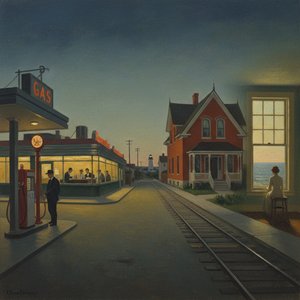
Edward Hopper: Las 25 Obras Maestras que Definen la Soledad Moderna | OriginalUniqueArt
Descubre las 25 obras maestras de Edward Hopper, el pintor de la soledad moderna. Explora su realismo americano, luz y sombra, e icónicas escenas urbanas. Reproducciones de arte en OriginalUniqueArt.com para decorar tu hogar con estilo.

Edward Hicks’ ‘Peaceable Kingdom’: American Folk Art & the Shaping of a National Identity
Explore the profound symbolism & historical context of Edward Hicks’ ‘Peaceable Kingdom.’ Discover how this iconic American folk art masterpiece reflects Quaker values and shaped a nation's identity. Learn more at OriginalUniqueArt.

Grant Wood & American Regionalism: Identity, Myth & the Rural Landscape
Explore the world of Grant Wood & American Regionalism with OriginalUniqueArt. Discover the symbolism behind 'American Gothic', recurring themes, and the movement's lasting impact on art history. High-quality reproductions available.
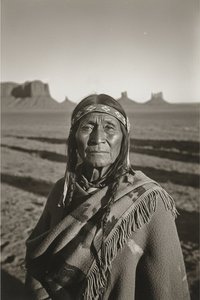
Shadow Catcher: Edward S. Curtis & the Ethnographic Portraiture of a Vanishing West
Explore the life & work of Edward S. Curtis, the 'Shadow Catcher,' and his groundbreaking photographic documentation of Native American cultures. Discover iconic images from *The North American Indian* and a critical look at his lasting legacy.

Realismo Estadounidense: 10 Obras Maestras que Cambiaron el Arte y la Decoración
Descubre 10 obras maestras del Realismo Estadounidense: Winslow Homer, Edward Hopper y más. Explora la historia, técnica y emoción de estos icónicos cuadros. Encuentra reproducciones de arte de museo en OriginalUniqueArt.com.