Vista previa
 Compartir
 Compartir
 Ver detalles
 Guía
Guía

 Descargar
 Ver artículos similares
 Radiografía
 Presentación de diapositivas
 Estadísticas
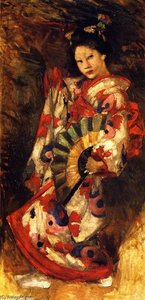
Springtime
 1909
1909 63.0 x 76.0 cm
 Leer más
Reproducción al óleo hecha a mano
Óleo sobre lienzo pintado a mano en el tamaño y marco de su elección, realizado por encargo por nuestros artistas. ( Cambiar a formato impreso Ver versión en imagen digital)




































Elija entre nuestros tamaños predefinidos que respetan las proporciones originales de la obra.

Puede ingresar sus propias dimensiones para adaptarse a un marco o espacio específico. Si el tamaño seleccionado no coincide con las proporciones de la imagen original, recortaremos la obra o extenderemos la pintura con elementos adicionales pintados a mano. Se le enviará una maqueta digital para su aprobación antes de comenzar la producción.
Tenga en cuenta que la vista previa en pantalla no refleja el recorte o la extensión reales. Solo la maqueta mostrará con precisión la composición final.
Si bien existen tamaños personalizados, recomendamos seleccionar una dimensión de la lista predefinida para preservar las proporciones originales.
Tras realizar el pedido, el equipo de OriginalUniqueArt.com enviará un correo electrónico al cliente para solicitar instrucciones y proporcionarle una vista previa del boceto.
Envío a todo el mundo () en 3-4 semanas en lugar de las 5 semanas estándar. (26 septiembre). Sin comprometer la calidad.

Envío exprés gratuito a todo el mundo

Lienzo de lino de alta calidad

Seguro de envío completo

Garantía de reembolso de impuestos aduaneros

Garantía de fidelidad cromática exacta

Política de devolución de 100 días (solo por defectos)

Garantía de devolución del 100% del dinero

Oferta por volumen
 La opción de vidrio solo está disponible en tamaños inferiores a 110 cm.

Springtime
Técnica de reproducción
Tamaño de la reproducción
-


Precio total
$ 300
Biografía del artista
Edward Atkinson Hornel: Scottish Painter of Landscapes & Florals, Influenced by Japonisme
Edward Atkinson Hornel (1864 – 1933) stands as a cornerstone of late Victorian and early twentieth-century Scottish art, inextricably linked to the Glasgow Boys movement and profoundly shaped by Japanese aesthetics. Born in Bacchus Marsh, Victoria, Australia—a poignant reminder of his Scottish heritage—Hornel’s formative years instilled within him an unwavering appreciation for both expansive landscape panoramas and meticulous botanical detail. Following his family's relocation back to Kirkcudbright in 1866, he embarked upon a deliberate pursuit of formal artistic training at Edinburgh Art School and Antwerp under the tutelage of Professor Verlat, honing skills that would become synonymous with his unmistakable stylistic signature. Returning to Scotland in 1885, Hornel discovered kindred spirits in George Henry, forging an enduring collaborative partnership that birthed masterpieces such as “Druids Bringing In The Mistletoe” (1890). This ambitious depiction of druidic ritual—characterized by vibrant color palettes and daring textural experimentation—solidified Hornel’s reputation for audacious artistic vision. Specifically, his masterful manipulation of paint surfaces through layering, scraping, roughening, smoothing, and staining techniques prioritized expressive impact over literal representation, reflecting a commitment to conveying emotion rather than documenting reality. This innovative approach distinguished him from many of his contemporaries and cemented his place among the vanguard of Scottish Impressionism. The year 1893–94 witnessed Hornel and Henry undertaking an extraordinary expedition to Japan—a pivotal moment that irrevocably altered their artistic trajectories. Inspired by the principles of decorative design and spatial arrangement championed by Japanese artists, they immersed themselves in a culture brimming with beauty and subtlety. This transformative experience propelled Hornel toward a more atmospheric aesthetic—one defined by refined color harmonies and nuanced drawing—elements that seamlessly blended sensual allure with contemplative reflection. The resulting paintings captured not merely visual impressions but also the spirit of Japan itself, demonstrating Hornel’s ability to synthesize diverse influences into a cohesive artistic idiom. By 1901, Hornel prudently declined membership to the Royal Scottish Academy, prioritizing his unwavering devotion to Glasgow Art Club where he continued to exhibit annually—a testament to his enduring belief in communal artistic engagement and critical dialogue. During this period, he established Broughton House in Kirkcudbright—a Victorian townhouse meticulously designed alongside Elizabeth Hornel—incorporating elements inspired by Japanese garden aesthetics. This residence served as a sanctuary for artistic creativity and fostered an environment conducive to experimentation with color and texture. Notably, he commissioned the construction of a gallery specifically for showcasing his paintings, ensuring their preservation and accessibility for future generations. Hornel’s oeuvre encompasses celebrated works housed in museums across Britain—Aberdeen, Buffalo, Bradford, St. Louis, Toronto, Montreal, Glasgow, Edinburgh, Leeds, Manchester, Hull, Bath, and Liverpool—demonstrating the enduring resonance of his distinctive style within the broader context of British art history. His paintings exemplify the Glasgow Boys’ commitment to Impressionistic principles while simultaneously reflecting the influence of Japonisme and Pre-Raphaelitism, securing his place as a pivotal figure in shaping the aesthetic landscape of the Edwardian era. He died peacefully in Kirkcudbright in 1933, leaving behind a legacy of artistic innovation and a profound contribution to Scottish art heritage.
Edward Atkinson Hornel
1864 - 1933 , Australia
Datos clave
- Artistic Movement Or Style: Glasgow Boys
- Artists Who Influenced This Artist:
- George Henry
- James Hornell
- Date Of Birth: 1864
- Full Name: Edward Atkinson Hornel
- Nationality: Escocés
- Notable Artworks:
- Druids Bringing in the Mistletoe
- Japanese Figures in a Garden
- Place Of Death: Kirkcudbright