Menú
Text size

() ·

A painting made for you, by hand

Hombre y Mujer I

Reproducción al óleo hecha a mano

Óleo sobre lienzo pintado a mano en el tamaño y marco de su elección, realizado por encargo por nuestros artistas. ( Cambiar a impresiones Cambiar a imagen digital)

Descripción del objeto

Descubre 'Hombre y Mujer I' de Edvard Munch: una obra maestra del expresionismo que captura emociones intensas y la lucha entre el amor y el terror. Explora su simbolismo y legado en OriginalUniqueArt.

Biografía del artista

Descubre a Edvard Munch (1863-1944), pionero del Expresionismo. Explora 'El Grito' y su arte que ahonda en la ansiedad, la mortalidad, el amor y temas psicológicos. ¡Reproducciones exclusivas en OriginalUniqueArt!

from ·

Chapter 1

How large should it be?

Slide to change the size; the picture on the left shows the frame at its real width. The proportions of the original are kept.

Tamaño estándar
a medida
CM
INCH

Elija entre nuestros tamaños predefinidos que respetan las proporciones originales de la obra.

ancho
altura

Indique el ancho y el alto que necesite para adaptarse a su marco o pared. Al tratarse de una obra pintada a mano, si requiere un tamaño con una proporción distinta, el artista puede pintar un poco más alrededor de la imagen o recortarla ligeramente; usted elige. Le enviaremos una maqueta digital para su aprobación antes de comenzar la pintura. La imagen que se muestra en esta página no refleja el resultado real; solo la maqueta lo hace.

Chapter 2

How should it arrive?

Choose the edges of the stretched canvas

Choose your frame

Corner sample of the WhiteWrap canvas edge finish, stretched on madera maciza bars
White €1
Corner sample of the BlurSideWrap canvas edge finish, stretched on madera maciza bars
Blurside €1
Corner sample of the ExtendedWrap canvas edge finish, stretched on madera maciza bars
Extended €1
Corner sample of the P118B picture frame: poliestireno moldeado, 5 cm wide and 3 cm thick
P118B €10
Corner sample of the P118H picture frame: poliestireno moldeado, 5 cm wide and 3 cm thick
P118H €10
Corner sample of the P118W picture frame: poliestireno moldeado, 5 cm wide and 3 cm thick
P118W €10
Corner sample of the P438Z picture frame: poliestireno moldeado, 5.5 cm wide and 3.5 cm thick
P438Z €10
Corner sample of the P508JH picture frame: poliestireno moldeado, 7 cm wide and 3.5 cm thick
P508JH €12
Corner sample of the P508YH picture frame: poliestireno moldeado, 7 cm wide and 3.5 cm thick
P508YH €12
Corner sample of the P805H picture frame: poliestireno moldeado, 5 cm wide and 3.5 cm thick
P805H €10
Corner sample of the P805Z picture frame: poliestireno moldeado, 5 cm wide and 3.5 cm thick
P805Z €10
Corner sample of the P919BZ picture frame: poliestireno moldeado, 7 cm wide and 3.5 cm thick
P919BZ €10
Corner sample of the P919G picture frame: poliestireno moldeado, 7 cm wide and 3.5 cm thick
P919G €10
Corner sample of the P919XJ picture frame: poliestireno moldeado, 7 cm wide and 3.5 cm thick
P919XJ €10
Corner sample of the P959ZH picture frame: poliestireno moldeado, 5 cm wide and 3 cm thick
P959ZH €10
Corner sample of the P968JZ picture frame: poliestireno moldeado, 6 cm wide and 4 cm thick
P968JZ €12
Corner sample of the W106C picture frame: madera maciza, 5 cm wide and 3 cm thick
W106C €8
Corner sample of the W218G picture frame: madera maciza, 5 cm wide and 3 cm thick
W218G €10
Corner sample of the W218JH picture frame: madera maciza, 5 cm wide and 3 cm thick
W218JH €8
Corner sample of the W218Y picture frame: madera maciza, 5 cm wide and 3 cm thick
W218Y €10
Corner sample of the W307PJ picture frame: madera maciza, 6 cm wide and 3 cm thick
W307PJ €10
Corner sample of the W316G picture frame: madera maciza, 6 cm wide and 3 cm thick
W316G €10
Corner sample of the W316PJ picture frame: madera maciza, 6 cm wide and 3 cm thick
W316PJ €8
Corner sample of the W316Y picture frame: madera maciza, 6 cm wide and 3 cm thick
W316Y €10
Corner sample of the W398PJ picture frame: madera maciza, 5 cm wide and 3 cm thick
W398PJ €8
Corner sample of the W4111J picture frame: madera maciza, 6.5 cm wide and 3.5 cm thick
W4111J €10
Corner sample of the W500HY picture frame: madera maciza, 7 cm wide and 5 cm thick
W500HY €15
Corner sample of the W500JH picture frame: madera maciza, 7 cm wide and 5 cm thick
W500JH €15
Corner sample of the W692G picture frame: madera maciza, 8 cm wide and 4 cm thick
W692G €12
Corner sample of the W849H picture frame: madera maciza, 5 cm wide and 3 cm thick
W849H €8
Corner sample of the W940BG picture frame: madera maciza, 7.5 cm wide and 4.5 cm thick
W940BG €15
Corner sample of the W953PJ picture frame: madera maciza, 6 cm wide and 3.5 cm thick
W953PJ €8
Corner sample of the H24-GOLD picture frame: madera tallada con estuco, 10 cm wide and 6 cm thick
H24-GOLD €30
Corner sample of the H24-SILVER picture frame: madera tallada con estuco, 10 cm wide and 6 cm thick
H24-SILVER €30
Corner sample of the H36-GOLD picture frame: madera tallada con estuco, 15 cm wide and 6.5 cm thick
H36-GOLD €45
Corner sample of the H36-SILVER picture frame: madera tallada con estuco, 15 cm wide and 6.5 cm thick
H36-SILVER €45

Moulding: . Overall size with the frame: .

Chapter 3

Who paints it, and should anything change?

Examples of what can be changed: Replace face with customer photo; Add pet (e.g., replace cat with dog); Include hidden message in background; Change background landscape or elements.
After order, OriginalUniqueArt.com team will email client for instructions and provide a mockup preview

Envío a todo el mundo () en 3-4 semanas en lugar de las 5 semanas estándar. (30 octubre). Sin comprometer la calidad.

Chapter 4

The finishing touches

A nameplate, as in a museum?

Detalles de la placa de bronce grabada

This elegant plaque features the artist's name and the title of the artwork, finely engraved for a timeless presentation.

It is made from bronze with a refined, elegant finish. The text is precisely laser-engraved for a sharp and permanent result. Measuring 9x2 cm, the plaque is compact yet easy to read. It's built to be durable and scratch-resistant, offering a professional, museum-quality look. Mounting is simple thanks to the included adhesive backing.

Detalles de la placa de acrílico transparente

The plaque includes essential engraved details such as the artist's name, the title of the artwork, the date it was created, the type of media used-like oil on canvas or watercolor-a brief description of the piece, and a QR code that links to the complete artwork information.

It is crafted from clear acrylic, offering a sleek, modern appearance. The text is UV-engraved in black to ensure strong visual contrast. With a size of 10x15 cm, it ensures optimal readability. It comes equipped with two metal hooks for secure wall mounting. The plaque is designed to be weather-resistant, making it suitable for various environments, and it includes interactive features that work seamlessly with smartphone scanning.

Detalles de la placa de acrílico negro

This elegant plaque includes engraved information such as the artist's name, the title of the artwork, the date it was created, the type of media used (like oil on canvas or watercolor), a short description of the artwork, and a QR code for quick access to more information.

The plaque itself is made from refined black acrylic with a premium finish. The text is laser-engraved in white for high contrast and readability. Its size is 10x15 cm, designed to be easy to read. It comes with two metal hooks for professional mounting. The design is sleek and fits any interior style. It is also weather-resistant and durable, with built-in digital integration for mobile compatibility.

A protective varnish?

When do you need it?

Chapter 5

Your painting, as you ordered it

Hombre y Mujer I

Técnica de reproducción

Dimensiones de la reproducción

-

Selección de artistas premium

Mayor nivel de detalle, delicadeza y tiempo de producción adicional

-

Enmarcado de reproducción

-

-

Para obras de arte o reproducciones que midan más de 105 cm (aproximadamente 41 pulgadas) en cualquiera de sus lados, el marco se enviará como un kit desmontado. Este método garantiza una entrega segura y evita daños durante el transporte.

Se requiere montaje profesional: este no es un producto para hacer usted mismo (DIY).
El kit debe ser ensamblado y el lienzo tensado por un enmarcador profesional con experiencia, utilizando cola para madera (no incluida), una tenaza para tensar lienzos y sargentos para mantener los bastidores alineados mientras la cola se seca. Un montaje incorrecto o una tensión desigual del lienzo pueden dañar la obra de arte de forma permanente y no están cubiertos por nuestra garantía.

  • Se incluyen todos los listones de madera maciza, cortados con precisión según las medidas.

  • Se ensambla con los tornillos incluidos, además de cola para madera para las uniones de las esquinas, la cual no se incluye y debe ser proporcionada por su enmarcador.

  • Se requieren herramientas profesionales que no están incluidas: un alicate para tensar lienzos (tensor) y abrazaderas para mantener los bastidores alineados mientras se seca el pegamento.

Importante:
Las uniones de las esquinas requieren cola para madera, los listones deben sujetarse con prensas hasta que la cola esté completamente seca, y para tensar el lienzo en el bastidor ensamblado se requiere una pinza para tensar lienzos. Ninguno de estos elementos está incluido en el kit. Por favor, contacte con un profesional del enmarcado con experiencia antes de realizar un pedido de este tamaño.

Cartela

-

-

Barniz protector

Barniz brillante (realza los colores y protege contra la luz y la humedad)

-

Personalizar mi obra

Ejemplos de lo que se puede personalizar: sustituir el rostro por una foto del cliente; añadir una mascota (por ejemplo, cambiar un gato por un perro); incluir un mensaje oculto en el fondo; cambiar el paisaje o los elementos del fondo.

-

Envío urgente

Envío a todo el mundo () en 3 o 4 semanas, en lugar de las 5 semanas habituales. (30 octubre). Sin comprometer la calidad.

-

Envío urgente

Envío internacional () en 5 semanas. (6 noviembre).

Incluido

Precio total final

€ 265

Precio total € 265

La opción de vidrio solo está disponible en tamaños inferiores a 110 cm.

Included with every order

  • Envío exprés gratuito a todo el mundo
  • Lienzo de lino de alta calidad
  • Seguro de envío total
  • Garantía de reembolso de aranceles aduaneros
  • Garantía de fidelidad cromática exacta
  • Política de devolución de 100 días (solo por defectos)
  • Garantía de devolución del 100% del dinero
  • Descuento por cantidad

Man and Woman I: Unveiling the Raw Emotion of Edvard Munch

Edvard Munch’s “Man and Woman I,” painted in 1905, isn't merely a depiction of two figures; it’s a visceral plunge into the heart of human experience – a raw expression of longing, anxiety, and an unspoken connection that vibrates with profound intensity. This work, measuring just 40 x 54 centimeters on wood, housed within The Munch Museum in Oslo, Norway, stands as a cornerstone of Expressionism, a movement defined not by objective representation but by the unfiltered conveyance of inner turmoil. Munch, deeply influenced by Symbolism and his own turbulent personal life – marked by loss, illness, and a persistent fear of inherited mental instability – sought to capture the very essence of feeling, translating subjective experience into visual form. The painting immediately draws the viewer in with its unsettling atmosphere, a carefully constructed dissonance that speaks volumes about the complexities of human relationships. The composition itself is deceptively simple. Two figures stand close together, their faces pressed against each other in an intimate, almost desperate embrace. This proximity isn’t one of joyful union; rather, it suggests a shared burden, a mutual recognition of something unspoken and perhaps even unsettling. The man's face, positioned on the left side of the woman’s, creates a powerful visual dynamic – a sense of dominance tempered by vulnerability, or perhaps simply an attempt to offer solace in the face of overwhelming emotion. Their gazes are directed outwards, towards an unseen point beyond the canvas, hinting at a shared preoccupation, a common source of anxiety that binds them together. The use of bold, contrasting lines and blocks of color – predominantly somber tones punctuated by the striking red background – amplifies this sense of unease. Munch deliberately eschewed delicate brushwork in favor of simplified forms and expressive strokes, prioritizing emotional impact over realistic detail. This technique, characteristic of Expressionism, allows the viewer to project their own feelings onto the scene, making it a deeply personal experience. Symbolically, “Man and Woman I” is rich with layers of interpretation. The red background isn’t merely decorative; it represents passion, danger, or perhaps even impending doom – a potent visual metaphor for the volatile nature of love and relationships. Munch himself described his inspiration as stemming from an overwhelming sense of "the enormous, infinite scream of nature," suggesting that the painting captures not just human emotion but also the primal anxieties of existence. The figures’ closed eyes further contribute to this atmosphere of mystery and vulnerability, implying a state of heightened awareness or perhaps even a shared descent into madness. The work can be viewed as an exploration of jealousy, betrayal, or simply the profound loneliness that underlies even the closest relationships – themes central to Munch's broader artistic output. It’s important to note that Munch was deeply influenced by the Symbolist movement and his association with August Strindberg, a Swedish dramatist who explored similar themes of psychological conflict and emotional intensity in his plays. The painting’s legacy is undeniable. Initially met with controversy for its unsettling imagery, “Man and Woman I” has since become one of Munch's most celebrated works, recognized as a pivotal piece in the development of Expressionism. During Nazi occupation, many of Munch’s paintings were banned, yet remarkably, this work survived, becoming a powerful symbol of resistance against totalitarian ideologies. Today, it resides within The Munch Museum, where it continues to captivate and disturb viewers with its raw emotional honesty. Reproductions of “Man and Woman I” offer an accessible way to experience the power of Munch’s vision, allowing art lovers to bring this iconic image into their homes and spaces – a testament to the enduring relevance of his exploration of the human psyche.

Technical Details & Artistic Influences

The execution of "Man and Woman I" reveals much about Munch's artistic process and his engagement with contemporary trends. Painted on wood, a medium he frequently employed for its durability and ability to hold rich colors, the work showcases a deliberate simplification of form. The figures are rendered in broad, gestural strokes, eschewing meticulous detail in favor of conveying emotional intensity through line and color. Munch’s use of color is particularly striking – the dominant somber tones (grays, browns, blues) create a sense of melancholy and foreboding, while the vibrant red background serves as a jarring counterpoint, drawing attention to the central figures and amplifying their emotional state. The technique employed reflects both his Expressionist leanings and his admiration for artists like Paul Gauguin, Vincent van Gogh, and Henri de Toulouse-Lautrec, whom he encountered during his time in Paris. These masters demonstrated a willingness to distort reality in order to express inner feelings, a principle that profoundly influenced Munch’s artistic development. The painting's composition is also notable for its deliberate use of perspective. The figures are positioned slightly off-center, creating a sense of imbalance and unease. Furthermore, the lack of clear spatial definition contributes to the overall feeling of claustrophobia and psychological tension. Munch was deeply interested in capturing the subjective experience of space – not as it appears objectively but as it is perceived by the individual mind. This interest is evident throughout his oeuvre, particularly in works like "The Scream," where distorted perspective and exaggerated forms are used to convey a sense of disorientation and panic. The influence of Symbolism is also apparent in the painting’s use of symbolic imagery – the red background, for example, can be interpreted as representing passion, danger, or even death.

A Legacy of Emotional Intensity

Edvard Munch's legacy extends far beyond “Man and Woman I.” His work profoundly impacted the development of Expressionism, a movement that sought to capture the subjective experience of emotion rather than simply depicting external reality. His exploration of themes such as anxiety, loneliness, death, and love continues to resonate with audiences today, demonstrating the enduring power of his art. Despite facing personal struggles throughout his life – including mental illness and financial hardship – Munch remained committed to his artistic vision, producing a body of work that is both deeply unsettling and profoundly moving. His paintings were initially met with resistance from critics and the public, but over time they have come to be recognized as some of the most important works of the 20th century. The fact that “Man and Woman I” was banned during Nazi occupation highlights its subversive nature – a refusal to conform to prevailing ideological norms. Today, it is housed in The Munch Museum in Oslo, Norway, where it continues to inspire awe and provoke reflection. Reproductions of this iconic painting offer a unique opportunity to engage with Munch’s vision and experience the raw emotion that lies at the heart of his art.

Exploring High-Quality Reproductions

OriginalUniqueArt offers meticulously crafted reproductions of “Man and Woman I,” allowing you to bring this powerful artwork into your home or office. Our hand-painted reproductions capture the essence of Munch's original, utilizing archival-quality materials and techniques to ensure lasting beauty and authenticity. Whether you choose a fine art print on canvas or a detailed oil painting reproduction, you’ll experience the same emotional impact as the original – a testament to Munch’s enduring legacy. Explore our range of sizes and framing options to find the perfect way to display this iconic masterpiece.

Preguntas y respuestas

¿Es "Hombre y Mujer I" de Edvard Munch una obra de arte reconocida?

"Hombre y Mujer I" de Edvard Munch tiene un nivel de popularidad Icónico. Esta clasificación refleja el grado de reconocimiento de la obra.

¿Qué color predomina en la composición de "Hombre y Mujer I" de Edvard Munch?

El color dominante de "Hombre y Mujer I" de Edvard Munch es Marrón (#9e322b).

¿Cómo convergen el movimiento y la época en "Hombre y Mujer I" de Edvard Munch?

"Hombre y Mujer I" pertenece al movimiento Expressionism, y su creador trabajó en la época Siglo XIX.

More about this painting

Ver en contexto Vista previa en RA Cambiar a impresiones Cambiar a imagen digital Enviar
Detalles Guía Añadir a favoritos Descargar Similares Radiografía Presentación de diapositivas Q&A Estadísticas

In numbers

  • 1905the year it was painted
  • 29frames to choose from
  • standard sizes, in its own proportions
  • 5weeks to paint and deliver it
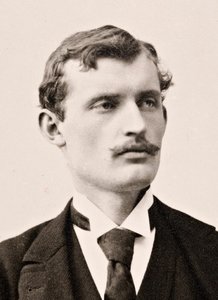
Edvard Munch

Edvard Munch

1863 - 1944, Suecia

Quick facts about Edvard Munch

  • Artistas Influenciados Por Este Artista: ['Expresionismo alemán']
  • Artistas Que Influyeron:
    • Paul Gauguin
    • Vincent van Gogh
    • Henri de Toulouse-Lautrec
  • Fecha De Muerte: 23 de enero de 1944
  • Fecha De Nacimiento: 12 de diciembre de 1863
  • Lugar De Nacimiento: Adelsbruk, Suecia
  • Movimiento Artístico: Expresionismo
  • Nacionalidad: Noruego
  • Nombre Completo: Edvard Munch
  • Obras Notables:
    • El Grito
    • La Madonna
    • El Niño Enfermo
    • Melancolía I & II

Biografía del artista

Edvard Munch: Vida y Legado

Primeros Años e Influencias (1863-1889)

Edvard Munch nació el 12 de diciembre de 1863, en Adelsbruk, Suecia, aunque pasó la mayor parte de su vida en Noruega. Su infancia estuvo profundamente marcada por la tragedia y la inestabilidad. La temprana pérdida de su madre a causa de tuberculosis cuando tenía cinco años, seguida de la muerte de su querida hermana Sophie por la misma enfermedad nueve años después, dejaron una marca indeleble en la psique de Munch. También luchó contra un miedo constante a heredar la enfermedad mental familiar que afligió a su padre. Estas experiencias le inculcaron una profunda preocupación por la mortalidad, la enfermedad y el sufrimiento psicológico – temas que dominarían su producción artística.

La educación temprana de Munch en la Escuela Real de Arte y Diseño en Kristiania (ahora Oslo) resultó fundamental. Allí, conoció al filósofo nihilista Hans Jæger, quien animó a Munch a explorar sus tormentos internos y expresarlos a través del arte, rechazando los estilos académicos convencionales. Esta mentoría lo impulsó hacia un enfoque más subjetivo y emocionalmente cargado en la pintura.

Desarrollo Artístico e Influencias Parisinas (1890-1900)

La década de 1890 presenció el desarrollo artístico crucial de Munch, fuertemente influenciado por sus viajes a París y Berlín. En París, se expuso al vibrante panorama artístico y absorbió las influencias de los Postimpresionistas como Paul Gauguin, Vincent van Gogh y Henri de Toulouse-Lautrec. Abrazó su uso audaz del color, sus pinceladas expresivas y su rechazo a la representación naturalista. La intensidad emocional de Van Gogh resonó particularmente con las propias luchas de Munch.

Su tiempo en Berlín le permitió contactar al dramaturgo sueco August Strindberg, una relación que resultó tanto personal como estimulante artisticamente. Este período también vio el origen de su ambicioso ciclo “La Franja de la Vida”—una colección de pinturas que exploran temas de amor, miedo, celos, traición y muerte – todos representados con intensa emotividad y profundidad psicológica.

Obras Principales y Estilo Artístico (1900-1920s)

El estilo artístico de Munch se caracteriza por su emoción cruda, sus formas distorsionadas y el uso simbólico del color. Se alejó de la representación realista, priorizando la expresión de los sentimientos internos sobre la representación objetiva. Sus obras a menudo evocan una sensación de inquietud, ansiedad y desesperación existencial.

  • El Grito (1893-1910): Su pintura más icónica, que representa a una figura abrumada por una crisis existencial contra un paisaje en llamas y retorcido. Existen múltiples versiones en varios medios.
  • La Madonna (1894-1895): Una obra controvertida y profundamente personal que explora temas de sexualidad, maternidad y mortalidad.
  • El Niño Enfermo (varias versiones): Un motivo recurrente que refleja el trauma infantil de Munch y la pérdida de seres queridos.
  • Melancolía I (1891) & II (1892): Representaciones poderosas de la profunda tristeza y el aislamiento.

Años Posteriores, Reconocimiento y Legado (1920s-1944)

A pesar de lograr cada vez más fama y éxito financiero en su vida posterior, la vida personal de Munch siguió siendo turbulenta. Un grave colapso mental en 1908 condujo a un período de hospitalización y abstinencia del alcohol. Sin embargo, sus años posteriores vieron una resurgimiento de la creatividad y el reconocimiento, particularmente en Kristiania (Oslo). Recibió numerosos premios y elogios, consolidando su reputación como uno de los artistas más importantes de Noruega.

Munch murió el 23 de enero de 1944, en Ekely, cerca de Oslo. Su legado está asegurado por el Museo Munch (establecido en 1963), que alberga una extensa colección de sus obras, incluyendo numerosas versiones de *El Grito*, así como otras pinturas, grabados y dibujos significativos.

Significado Histórico

La contribución de Edvard Munch al arte moderno es innegable. Se considera una figura clave en el desarrollo del Expresionismo, abriendo camino a los artistas que buscaban transmitir emociones y estados psicológicos subjetivos en lugar de la realidad objetiva. Su exploración sin tapujos de las experiencias humanas universales – amor, pérdida, ansiedad y muerte – sigue resonando con el público mundial, convirtiéndolo en una de las figuras más influyentes y perdurables en la historia del arte. Su obra impactó profundamente a las generaciones posteriores de artistas, influyendo en movimientos como el Expresionismo alemán y más allá, consolidando su lugar como un artista visionario que se atrevió a confrontar los aspectos más oscuros de la condición humana.

Datos clave

  • Título: Man and Woman I
  • Artista: Edvard Munch
  • Estilo: Expresionista
  • Tema: Relación amorosa
  • Movimiento: Expresionismo
  • Influencias:
    • Paul Gauguin
    • Van Gogh

Test de conocimientos artísticos

Cada pregunta tiene una única respuesta correcta.

Pregunta 1:
¿Cuál es el estilo artístico predominante en "Man and Woman I"?
Pregunta 2:
En la pintura, ¿qué color predomina en el fondo?
Pregunta 3:
¿Dónde se encuentra actualmente "Man and Woman I"?
Pregunta 4:
Según la descripción de la imagen, ¿qué están haciendo los dos personajes?
Pregunta 5:
Edvard Munch es conocido por su exploración de qué temas en sus obras?