
 Ver en contexto
 Enviar
 Compartir
 Detalles
 Guía
Guía

 Descargar
 Similares
 Radiografía
 Presentación de diapositivas
 Estadísticas
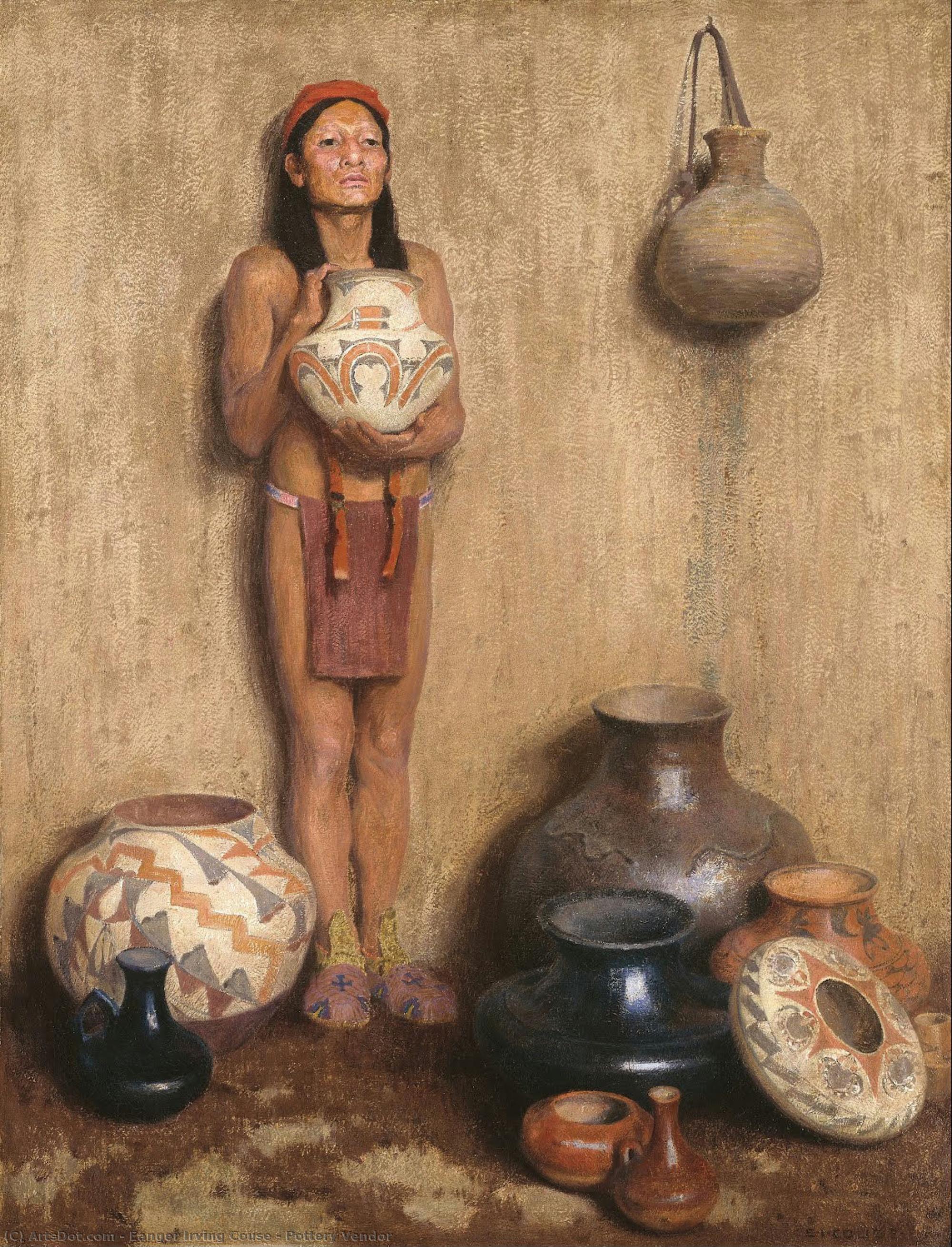
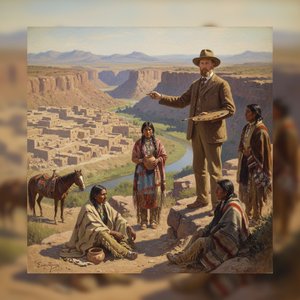
Pottery Vendor


 Ver más
Reproducción al óleo hecha a mano
Óleo sobre lienzo pintado a mano en el tamaño y marco de su elección, realizado por encargo por nuestros artistas. ( Cambiar a impresiones Cambiar a imagen digital)




P118B €10

P118H €10

P118W €10

P438Z €10

P508JH €12

P508YH €12

P805H €10

P805Z €10

P919BZ €10

P919G €10

P919XJ €10

P959ZH €10

P968JZ €12

W106C €8

W218G €10

W218JH €8

W218Y €10

W307PJ €10

W316G €10

W316PJ €8

W316Y €10

W398PJ €8

W4111J €10

W500HY €15

W500JH €15

W692G €12

W849H €8

W940BG €15

W953PJ €8




Elija entre nuestros tamaños predefinidos que respetan las proporciones originales de la obra.

Indique el ancho y el alto que necesite para adaptarse a su marco o pared. Al tratarse de una obra pintada a mano, si requiere un tamaño con una proporción distinta, el artista puede pintar un poco más alrededor de la imagen o recortarla ligeramente; usted elige. Le enviaremos una maqueta digital para su aprobación antes de comenzar la pintura. La imagen que se muestra en esta página no refleja el resultado real; solo la maqueta lo hace.
Tras realizar el pedido, el equipo de OriginalUniqueArt.com enviará un correo electrónico al cliente para solicitar instrucciones y proporcionarle una vista previa del boceto.
Envío a todo el mundo () en 3-4 semanas en lugar de las 5 semanas estándar. (26 octubre). Sin comprometer la calidad.

Envío exprés gratuito a todo el mundo

Lienzo de lino de alta calidad

Seguro de envío total

Garantía de reembolso de aranceles aduaneros

Garantía de fidelidad cromática exacta

Política de devolución de 100 días (solo por defectos)

Garantía de devolución del 100% del dinero

Descuento por cantidad
 La opción de vidrio solo está disponible en tamaños inferiores a 110 cm.

Pottery Vendor
Técnica de reproducción
Dimensiones de la reproducción
-


Precio total final
€ 263
Eanger Irving Couse: A Pioneer of Southwestern Impressionism
Eanger Irving Couse (1866-1936) stands as a cornerstone in the annals of American art, particularly within the burgeoning movement known as Southwestern Impressionism. Born amidst the industrial fervor of Saginaw, Michigan, his artistic trajectory wasn’t merely driven by personal ambition; it was fundamentally shaped by an unwavering fascination with Native American culture and the breathtaking landscapes of the Southwest – a passion that would propel him to forge a unique path between European academic tradition and the burgeoning spirit of modern art. Rejecting formal schooling at sixteen, Couse embarked on a self-directed artistic education, immersing himself in studies at the Art Institute of Chicago before venturing westward to embrace the transformative influence of Taos Pueblo. This pivotal relocation ignited his creative vision and cemented his dedication to portraying Native American life with profound respect and sensitivity—a commitment that distinguishes him from many of his contemporaries.The Painting: Pottery Vendor – A Portrait of Resilience
“Pottery Vendor,” executed in 1916, exemplifies Couse’s distinctive style—characterized by luminous color palettes and loose brushstrokes that capture the immediacy of observation. The painting depicts a woman gracefully holding two vases, her posture conveying both strength and serenity. This isn't simply a depiction of commerce; it’s an encapsulation of daily life within the Taos Pueblo community, meticulously rendered with meticulous attention to detail. Scattered throughout the canvas are additional vases—a deliberate compositional element that underscores the importance of craftmanship and artistic expression within Native American culture. The artist skillfully utilizes dappled sunlight to illuminate the scene, creating a sense of warmth and inviting viewers into the intimate atmosphere of the Pueblo village.Technique & Impressionistic Vision
Couse’s technique leans heavily on Impressionist principles—specifically capturing fleeting moments of light and color rather than striving for photographic realism. He achieves this through layering thin washes of pigment onto the canvas, allowing colors to blend organically and creating a shimmering effect that mimics the natural radiance of Southwestern skies. The artist's brushstrokes are visible yet blended seamlessly, conveying movement and texture without sacrificing clarity. This approach reflects Couse’s belief in portraying the world as perceived by the senses—a cornerstone of Impressionism’s philosophical underpinning. He meticulously studied the effects of light on surfaces, striving to convey not just what he saw but how it felt.Symbolic Resonance & Cultural Respect
Beyond its aesthetic qualities, “Pottery Vendor” carries significant symbolic resonance. The vases themselves represent artistry and tradition—symbols deeply ingrained in Native American culture where craftsmanship is revered as a vital component of identity and heritage. Furthermore, the woman’s dignified posture embodies resilience and perseverance – qualities admired within Pueblo communities who have endured centuries of hardship while maintaining their cultural traditions. Couse's portrayal avoids stereotypical representations, instead presenting a nuanced portrait that honors the dignity and complexity of Native American life. He sought to elevate his subjects beyond mere depictions of circumstance, conveying an understanding of their inner spirit.Emotional Impact & Legacy
“Pottery Vendor” transcends its formal elements to evoke a palpable sense of tranquility and connection with nature—a hallmark of Southwestern Impressionism’s emotional core. The painting invites contemplation on themes of beauty, simplicity, and cultural preservation. Couse's work continues to inspire artists and collectors alike, serving as a testament to his unwavering commitment to artistic integrity and cultural sensitivity. He remains an influential figure in the history of American art, demonstrating how observation combined with empathy can yield profoundly beautiful and meaningful results. His legacy resides not only in his stunning canvases but also in his pioneering role in fostering cross-cultural understanding—a contribution that resonates powerfully within today’s artistic landscape.Preguntas y respuestas
¿Qué tema y atmósfera combina "Pottery Vendor" de Eanger Irving Couse?
"Pottery Vendor" de Eanger Irving Couse combina native american, pottery vendor, southwest landscape, vase arrangement, portraiture, impressionism, rural life, decorative art con una atmósfera Serene.
¿Qué técnica se utilizó para "Pottery Vendor" de Eanger Irving Couse?
La técnica de "Pottery Vendor" de Eanger Irving Couse es Acrylic On Canvas. Las reproducciones pretenden recrear la apariencia de esta técnica.
¿Qué armonía cromática presenta "Pottery Vendor" de Eanger Irving Couse?
"Pottery Vendor" de Eanger Irving Couse presenta una armonía de color Unified Palette.
Biografía del artista
Primeros Años y Educación
- Nacido: 3 de septiembre de 1866, Saginaw, Michigan
- Fallecido: 26 de abril de 1936
- Origen: Saginaw, Estados Unidos de América
- Un temprano interés en las culturas nativas americanas se desarrolló mientras crecía cerca de tribus Chippewa.
- Asistió brevemente al Instituto de Arte de Chicago y luego a la Academia Nacional de Diseño en Nueva York.
- Estudió en la École des Beaux-Arts y Académie Julian bajo William-Adolphe Bouguereau en París durante diez años. Pintó principalmente paisajes de la costa de Normandía.
Carrera Artística y Desarrollo
- Después de regresar a los Estados Unidos, pasó tiempo en Nueva York y veranos pintando en varios lugares.
- Comenzó a pasar veranos en Taos, Nuevo México, alrededor de 1898.
- Estudió y pintó las vidas y la cultura de los indios Taos.
- Se convirtió en miembro fundador y primer presidente de la Sociedad de Artistas de Taos en 1915.
- Desarrolló un estilo distintivo que retrataba la vida nativa americana, a menudo enfatizando escenas pacíficas e idílicas.
- Su obra estuvo influenciada por su formación académica en París y sus observaciones de la cultura nativa americana.
Obras Principales y Reconocimiento
- Elk-foot of the Taos Tribe: Considerada su obra maestra, adquirida para la colección nacional de arte de los Estados Unidos.
- The Captive: Obra temprana que representa un tema nativo americano, expuesta en el Salón de París en 1892.
- Numerosas pinturas encargadas por Santa Fe Railway entre 1914 y 1936, utilizadas como material publicitario.
- Recibió premios de varias instituciones, incluyendo la Academia Nacional de Diseño (Premio Altman), Salmagundi Club (Premio Isidor), Academia de Bellas Artes de Pensilvania (Premio Lippincott).
- Sus obras se encuentran en muchos museos de los Estados Unidos y a nivel internacional.
Significado Histórico y Legado
- Contribuyó significativamente al desarrollo del arte occidental americano, particularmente las representaciones de nativos americanos.
- Ayudó a establecer Taos como un centro artístico destacado.
- Su retrato de la vida nativa americana ofreció una perspectiva que difería de las representaciones más estereotipadas comunes en ese momento.
- La Casa y Estudio de Eanger Irving Couse—Estudios de Joseph Henry Sharp está incluida en el Registro Nacional de Lugares Históricos, preservando su legado para futuras generaciones.
- Su obra continúa siendo expuesta y estudiada, proporcionando información sobre la historia del arte americano y la representación cultural.
Vida Personal
- Se casó con Virginia Walker en 1889.
- Tuvo un hijo, Kibbey Couse.
- Virginia jugó un papel significativo en apoyar su carrera artística y proporcionar retroalimentación crítica.
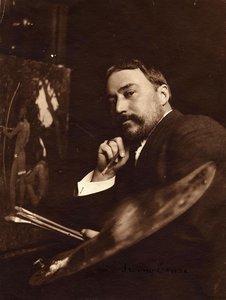
Eanger Irving Couse
1866 - 1936 , Estados Unidos de América
Datos clave
- Artistas Que Influyeron:
- William-Adolphe Bouguereau
- Tony Robert Fleury
- Fecha De Fallecimiento: 26 de abril de 1936
- Fecha De Nacimiento: 3 de septiembre de 1866
- Lugar De Nacimiento: Saginaw, Estados Unidos
- Movimiento Artístico: Impresionismo
- Nacionalidad: Estadounidense
- Nombre Completo: Eanger Irving Couse
- Obras Notables:
- Elk-foot of the Taos tribe
- Taos pueblo - moonlight
- The captive
Artículos relacionados

Frederick Childe Hassam: American Impressionism's Chronicler of Light & Modern Life
Explore the captivating world of Frederick Childe Hassam, a pioneer of American Impressionism. Discover his iconic paintings capturing light, urban life & coastal beauty. Learn about his legacy and influence on American art history.

Grant Wood & American Regionalism: Identity, Myth & the Rural Landscape
Explore the world of Grant Wood & American Regionalism with OriginalUniqueArt. Discover the symbolism behind 'American Gothic', recurring themes, and the movement's lasting impact on art history. High-quality reproductions available.
Capturing the Light: A Journey Through the Soul of American Impressionism and the Hudson River School
Explore the luminous beauty of American Impressionism and the Hudson River School. Discover a curated journey through light, landscape, and history, celebrating the enduring legacy of masters through exquisite, hand-painted oil reproductions for the discerning art lover.
Capturando la Luz de una Nación: Explorando el Movimiento Impresionista Americano
Descubre el fascinante mundo del Impresionismo Americano. Explora a sus maestros, técnicas innovadoras y su legado perdurable. ¡Encuentra reproducciones de arte exclusivas en OriginalUniqueArt!
Eanger Irving Couse: Bridging Tradition & Modernity in American Southwest Art
Explore the life & art of Eanger Irving Couse, a pivotal figure in Southwestern Impressionism and founder of the Taos Society of Artists. Discover his captivating paintings & legacy.

