- Inicio

- Imagen digital
- Dwight William Tryon
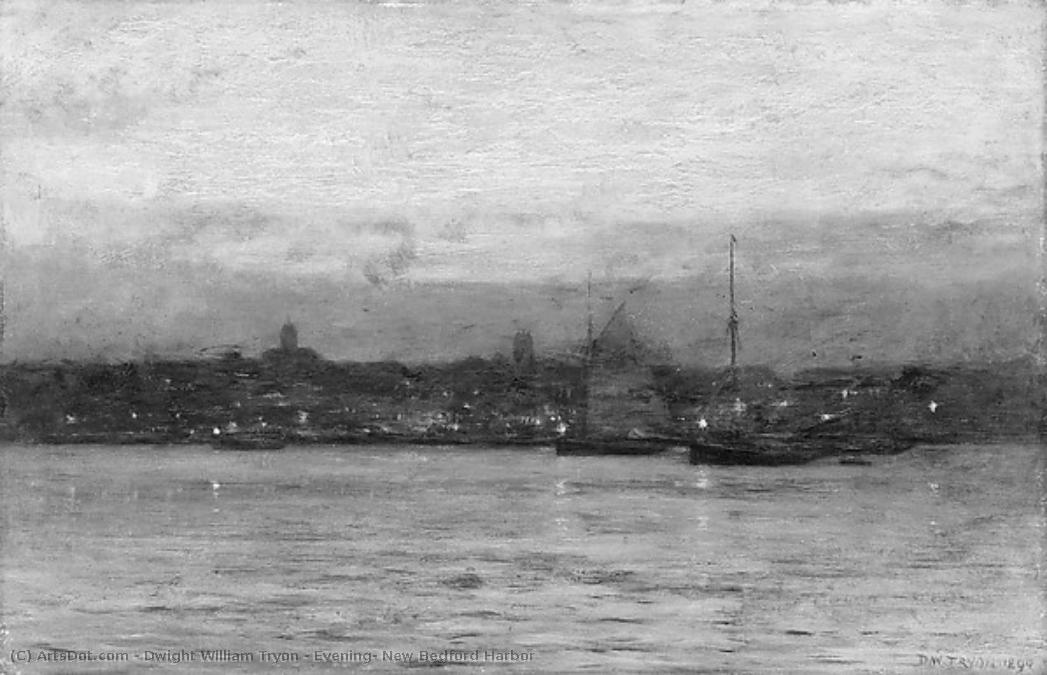
- Evening, New Bedford Harbor
 Preview
 Comprar impresión Encargar reproducción
 Enviar
 Compartir
 Detalles
 Añadir a favoritos

 Descargar
 Similares
 Radiografía
 Presentación de diapositivas
Evening, New Bedford Harbor
 Oil On Canvas
- WallArt
- Tonalist Painting
 1890
1890- 19th Century
 51.0 x 80.0 cm
 Museo Metropolitano de Arte
 Ver más
Adquiera una imagen digital de alta resolución y optimizada, muy superior a la vista previa en línea.
Cada archivo es preparado meticulosamente por nuestros especialistas internos mediante el uso de herramientas avanzadas y un experto retoque manual. Nos aseguramos de que cada imagen posea una claridad excepcional, una precisión cromática impecable y un detalle minucioso.
El archivo final se entrega por correo electrónico en un plazo de 72 horas, optimizado para su uso inmediato en entornos profesionales, editoriales y de impresión. Esta es la misma calidad en la que confían los estudios de diseño, las editoriales y las galerías de primer nivel.
Imagen Digital
Descarga un archivo de alta resolución para exhibición personal, impresión y proyectos creativos.
Incluido en cada pedido de imagen digital
Entrega digital experta, garantizada.
Al elegir OriginalUniqueArt.com, no solo está adquiriendo una imagen; está recibiendo una obra de arte digital mejorada profesionalmente, elaborada con precisión y respaldada por una garantía de satisfacción. Esto es todo lo que incluye su pedido, automáticamente:

Entrega rápida por email
Recibirá su archivo de imagen digital en alta resolución por correo electrónico en un plazo de 72 horas tras realizar su pedido, listo para su uso inmediato.

Archivo digital optimizado con IA
Su obra de arte se optimiza profesionalmente mediante herramientas avanzadas de IA y edición manual, garantizando el máximo detalle, claridad y precisión cromática.

Reenvío gratuito de por vida
¿Has borrado o perdido tu archivo por error? No te preocupes: te lo volveremos a enviar en cualquier momento, sin coste adicional.

Sin cargos de importación - Siempre
Disfrute de su obra de arte al instante sin aduanas, aranceles ni gastos de envío; las descargas digitales siempre están libres de impuestos.

Garantía de fidelidad de color
Garantizamos que su imagen digital refleje los colores originales con la mayor fidelidad posible, mediante el uso de herramientas profesionales y gestión del color.

Garantía de satisfacción de 60 días
Si no está satisfecho con su imagen digital, la revisaremos o le reembolsaremos el 100% en un plazo de 60 días, sin preguntas.

100% Garantía de devolución de dinero
¿No está satisfecho? Obtenga un reembolso completo dentro de los 60 días posteriores a la recepción de su archivo digital, sin preguntas.

Descuentos por pedidos al por mayor
Compra 3 imágenes, ahorra 10% - Compra 5, ahorra 15% - Compra 10+, ahorra 20%. Ideal para proyectos creativos, galerías y agencias.
Descripción del coleccionable
A Moment of Quietude: The Essence of Dwight William Tryon’s “Evening, New Bedford Harbor”
Dwight William Tryon's "Evening, New Bedford Harbor" isn’t merely a depiction of a maritime scene; it’s an immersion into a specific time and mood. Painted in 1890, this oil on wood canvas captures the profound stillness of twilight over the harbor, offering a glimpse into the lives intertwined with the sea and the quiet dignity of a fading day. The painting immediately draws the viewer in with its monochromatic palette – a carefully orchestrated dance of grays, blacks, and whites that eschews traditional color for an exploration of light, shadow, and atmosphere. It’s a testament to Tryon's mastery of tonalism, an American art movement he embraced wholeheartedly, prioritizing emotional resonance over precise representation.
The composition itself is remarkably balanced, dividing the canvas into distinct yet harmonious zones. The foreground, dominated by the dark, reflective waters of the harbor, anchors the scene and establishes a sense of depth. Beyond this lies the middle ground, populated with several ships – not rendered as individual entities but rather as suggestive forms, blending seamlessly into the hazy distance. Finally, the background reveals the faint outline of New Bedford’s cityscape, softened by atmospheric perspective and appearing almost dreamlike. This careful arrangement creates a feeling of spaciousness and invites contemplation, mirroring the quiet solitude of the scene.
The Language of Tone: Tryon's Tonalist Technique
Tryon’s technique is characterized by an exquisite sensitivity to light and texture. He achieves this through meticulous blending and layering of oil paints – a process that results in surfaces that appear incredibly smooth, almost velvety to the touch. There’s no visible brushstroke; instead, the paint seems to melt into one another, creating subtle gradations of tone that mimic the diffused light of dusk. This deliberate softness contributes significantly to the painting's overall atmosphere of tranquility and melancholy. The artist skillfully utilizes the absence of strong highlights or shadows, relying instead on the nuanced interplay of light and dark to define form and create a sense of volume.
The choice of a monochromatic palette is not arbitrary; it’s integral to Tryon's artistic vision. By stripping away color, he forces the viewer to engage with the painting on a purely sensory level – focusing on the subtle shifts in tone, the play of light and shadow, and the overall mood conveyed by the scene. This approach aligns perfectly with the principles of tonalism, which sought to capture the essence of a subject through its emotional impact rather than its literal appearance.
Symbolism and Emotional Resonance: A Portrait of a Working Harbor
“Evening, New Bedford Harbor” is more than just a landscape; it’s a poignant meditation on labor, community, and the passage of time. The scene evokes the quiet dignity of the fishermen and sailors who worked tirelessly in the harbor, their lives inextricably linked to the rhythms of the sea. The muted colors and soft lighting suggest a sense of weariness and reflection – perhaps a moment of respite before returning to the demands of the next day. The distant cityscape hints at the bustling life of New Bedford, while the vast expanse of water symbolizes both opportunity and uncertainty.
Furthermore, the painting’s overall mood is imbued with a subtle sense of nostalgia. It's as if Tryon is inviting us to step back in time and witness a moment that has long since vanished – a reminder of a bygone era when life revolved around the sea and its bounty. The piece resonates with a quiet beauty, prompting viewers to contemplate their own relationship to nature, community, and the enduring power of memory.
A Legacy of Tonalist Beauty: Tryon’s Enduring Appeal
Dwight William Tryon's "Evening, New Bedford Harbor" stands as a remarkable example of American tonalism – a testament to the artist’s skill and sensitivity. Its evocative atmosphere, meticulous technique, and subtle symbolism continue to captivate viewers today. Reproductions of this masterpiece offer a unique opportunity to bring this serene scene into your home or office, allowing you to experience its quiet beauty and emotional resonance firsthand. It's a piece that speaks volumes without uttering a single word, inviting contemplation and offering a moment of respite from the complexities of modern life.
Biografía del artista
Vida Temprana y Educación
- Dwight William Tryon nació el 13 de agosto de 1849 en Hartford, Connecticut, hijo de Anson Tryon y Delia O. Roberts.
- La temprana muerte de su padre lo dejó a cargo de su madre en la granja de sus abuelos en East Hartford.
- Desarrolló un interés por el arte de forma natural, estudiando manuales de instrucción artística de una librería local donde trabajaba.
- Tryon comenzó a esbozar el campo circundante durante su tiempo libre.
- Vendió su primera pintura en 1870 y expuso localmente antes de obtener reconocimiento en la Academia Nacional de Diseño en 1873.
Desarrollo Artístico e Influencias
- En 1876, estudió formalmente arte en Francia bajo Jacquesson de la Chevreuse y en la École des Beaux-Arts. También recibió instrucción de Charles-François Daubigny, Henri Harpignies y Jean Baptiste-Antoine Guillemet.
- Inicialmente, su estilo se inclinaba hacia el Luminismo antes de cambiar a la Escuela Barbizon, influenciado por artistas como George Inness y Alexander Helwig Wyant.
- A pesar de la exposición al Impresionismo en Francia, Tryon permaneció comprometido con la estética Barbizon.
- Su trabajo estuvo significativamente influenciado por James McNeill Whistler, evidente en su estilo tonalista.
Estilo Maduro y Obras Notables
- A fines de la década de 1880, Tryon desarrolló su estilo icónico, caracterizado por un grupo o fila rota de árboles a media distancia, a menudo con tonos otoñales, separando un cielo brillante arriba y un antepasado pantanoso o pastizal abajo.
- Con frecuencia pintaba paisajes marinos utilizando pastel para representar escenas expansivas de agua, cielo y playa bajo diversas condiciones climáticas.
- Obras notables incluyen *Salt-Marsh, December*, que ganó el primer premio en la Exposición Centenaria de Tennessee en 1897.
- Sus pinturas fueron exhibidas a nivel nacional, con una preferencia por la Academia de Artes de Pensilvania y la Galería Montross.
Patronazgo y Reconocimiento
- Charles Lang Freer se convirtió en el mecenas más importante de Tryon, adquiriendo docenas de sus obras y colaborando en el diseño de interiores para su casa en Detroit. Muchas de estas pinturas ahora están en la Galería Freer de Arte.
- Tryon recibió el Premio Carnegie en la Exposición Carnegie en 1908.
- Fue miembro de varias organizaciones artísticas prestigiosas, incluyendo la Sociedad de Artistas Americanos, la Sociedad Americana de Acuarelas y el Instituto Nacional de Artes y Letras (ahora la Academia de Artes y Letras Estadounidenses).
Vida Posterior y Legado
- En 1887, construyó una casa de verano en South Dartmouth, Massachusetts, que se convirtió en su hogar.
- Enseñó en el Smith College desde 1886 hasta 1923, estableciendo la Galería de Arte Tryon.
- Dwight William Tryon murió el 1 de julio de 1925 debido al cáncer.
- Su legado radica en su contribución al Tonalismo americano y su capacidad para capturar paisajes atmosféricos y marinas con color delicado y sentimiento refinado. Sus obras se encuentran en colecciones destacadas como el Museo Smithsonian American Art Museum y la Galería Freer de Arte.

Dwight William Tryon
1849 - 1925 , Estados Unidos de América
Información clave
- Artistas Que Influyeron:
- James McNeill Whistler
- George Inness
- Fecha De Fallecimiento: 1 de julio de 1925
- Fecha De Nacimiento: 13 de agosto de 1849
- Lugar De Nacimiento: Hartford, EE. UU.
- Movimiento Artístico: Tonalismo, Escuela Barbizon
- Nacionalidad: Estadounidense
- Nombre Completo: Dwight William Tryon
- Obras Notables: ['Salt-Marsh, December']

