
 Ver en contexto
 Enviar
 Compartir
 Detalles
 Guía
Guía

 Descargar
 Similares
 Radiografía
 Presentación de diapositivas
 Preguntas y respuestas
 Estadísticas
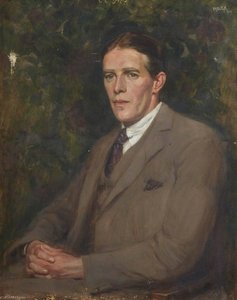
Malcolm Macleod

- 127.0 x 102.0 cm

 Ver más
Obtenga un archivo listo para imprimir que supera con creces la vista previa web. Cada imagen digital que vendemos proviene de un maestro de alta resolución de nuestro archivo —generalmente de entre 5.000 y 15.000 píxeles de ancho— para que pueda realizar impresiones de gran formato, recortar con precisión o reproducir detalles minuciosos con total confianza.
Ningún archivo sale de nuestro estudio sin ser intervenido. Un experto digital coteja los colores con la pintura original y los corrige si es necesario, para luego mejorar la claridad y el detalle mediante herramientas de retoque profesional —siempre manteniendo la fidelidad a la pincelada y al estilo del artista. El resultado es una imagen que evoca la esencia de la pintura, no un escaneo con filtros.
Aprobación previa al finalizar: nuestro experto le enviará la imagen por correo electrónico en un plazo de 72 horas para su revisión. ¿No está satisfecho? Puede solicitar mejoras o correcciones, o pedir un reembolso si la calidad no cumple con sus expectativas.
Esta es la calidad en la que confían editoriales, estudios de diseño, galerías e imprentas.
Imagen Digital
Descarga un archivo de alta resolución para exhibición personal, impresión y proyectos creativos. ( Cambiar a impresiones Comprar pintura hecha a mano)
Incluido en cada pedido de imágenes digitales
Entrega digital experta, garantizada.
Al elegir OriginalUniqueArt.com, no solo está adquiriendo una imagen; está recibiendo una obra de arte digital mejorada profesionalmente, elaborada con precisión y respaldada por una garantía de satisfacción. Esto es todo lo que incluye su pedido, automáticamente:

Entrega rápida por email
Recibirá su archivo de imagen digital en alta resolución por correo electrónico en un plazo de 72 horas tras realizar su pedido, listo para su uso inmediato.

Archivo digital optimizado por IA
Su obra de arte se optimiza profesionalmente mediante herramientas avanzadas de IA y edición manual, garantizando el máximo detalle, claridad y precisión cromática.

Reenvío gratuito de por vida
¿Has borrado o perdido tu archivo por error? No te preocupes: te lo volveremos a enviar en cualquier momento, sin coste adicional.

Sin gastos de importación, siempre
Disfrute de su obra de arte al instante sin aduanas, aranceles ni gastos de envío; las descargas digitales siempre están libres de impuestos.

Garantía de fidelidad de color
Garantizamos que su imagen digital refleje los colores originales con la mayor fidelidad posible, mediante el uso de herramientas profesionales y gestión del color.

Garantía de satisfacción de 100 días
Si no está satisfecho con su imagen digital, la revisaremos o le reembolsaremos el 100% en un plazo de 100 días, sin preguntas.

100% Garantía de devolución de dinero
¿No está satisfecho? Obtenga un reembolso completo dentro de los 100 días posteriores a la recepción de su archivo digital, sin necesidad de explicaciones.

Descuentos por pedidos grandes
Compra 3 imágenes, ahorra 10% - Compra 5, ahorra 15% - Compra 10+, ahorra 20%. Ideal para proyectos creativos, galerías y agencias.
Biografía del artista
Duncan MacGregor Whyte: Un visionario de las Tierras Altas
Duncan Macgregor Whyte, un nombre quizás menos familiar que el de algunos de sus contemporáneos, ocupa, no obstante, un lugar significativo en el panorama del arte escocés de los siglos XIX y principios del XX. Nacido en Oban, Argyll, en 1866, en el seno de una familia profundamente ligada al liderazgo religioso —su padre era ministro congregacional—, la trayectoria artística de Whyte no comenzó en las academias formales, sino a través de la observación y la inmersión en la belleza indómita de sus Tierras Altas natales. Esta experiencia formativa moldearía profundamente su estilo distintivo, caracterizado por una conexión profunda con la tierra, una comprensión matizada de la luz y una capacidad excepcional para capturar tanto la grandeza como la silenciosa intimidad de la vida en las Highlands.
Sus primeras influencias fueron diversas. La formación artística de Whyte comenzó en Glasgow, lo que le proporcionó una base sólida en las técnicas tradicionales. Sin embargo, reconociendo la necesidad de una exposición más amplia, viajó extensamente por toda Europa, estudiando bajo la tutela de maestros como Van Havermaet en Amberes y Delécluse en París. Estos periodos no trataron meramente sobre la destreza técnica; representaron un encuentro con distintas filosofías artísticas, particularmente el énfasis del movimiento impresionista en capturar los momentos fugaces de luz y atmósfera, lo cual influiría sutilmente en su propio enfoque. Crucialmente, fue en París donde conoció a Mary Baylis Barnard, una compañera artista que se convertiría en su esposa y colaboradora de por vida, compartiendo no solo una existencia, sino también una visión artística.
La paleta de las Tierras Altas
La obra de Whyte se define predominantemente por dos temas recurrentes: el paisaje y el retrato. Si bien produjo numerosos paisajes marinos —representando a menudo la dramática línea costera alrededor de Oban y Tiree—, fueron sus representaciones de los escenarios de las Highlands lo que verdaderamente consolidó su reputación. No se trata de vistas románticas o idealizadas; por el contrario, están plasmadas con una honestidad notable, capturando la dureza del clima, las textimonias de las turberas y la luz siempre cambiante en las laderas de las colinas. Con frecuencia retrató escenas de la vida rural —pastores cuidando sus rebaños, campesinos trabajando la tierra y familias reunidas alrededor del fuego—, ofreciendo vislumbres íntimos de los ritmos diarios de las comunidades de las Tierras Altas.
Su retratística, igualmente cautivadora, demostraba un ojo agudo para capturar el carácter y la personalidad. Pintó tanto a miembros de la nobleza local y al clero como a la gente común, empleando a menudo una rica paleta de marrones, verdes y grises para evocar el estado de ánimo y la atmósfera de sus sujetos. Los retratos no son meros parecidos físicos; poseen un sentido palpable de presencia, reflejando la dignidad y la resiliencia de aquellos que representó.
Técnica y estilo
La técnica de Whyte evolucionó considerablemente a lo largo de su carrera. Inicialmente influenciado por las tradiciones académicas, adoptó gradualmente una pincelada más suelta y colores más brillantes, reflejando el impacto del movimiento impresionista. Sus obras tardías demuestran una confianza creciente en la captura de efectos atmosféricos —particularmente la forma en que la luz interactúa con el agua y la piedra— a través de sutiles cambios de tono y color. Fue un maestro en la superposición de capas de pintura para crear profundidad y textura, y su uso de técnicas de veladura le permitió construir superficies luminosas que centelleaban con la luz reflejada.
Su estilo puede describirse como "Impresionismo de las Highlands": una síntesis de la pintura de paisaje tradicional con los enfoques innovadores de la vanguardia de finales del siglo XIX. Evitó el sentimentalismo evidente, centrándose en su lugar en transmitir un sentido de lugar y tiempo mediante la observación cuidadosa y una ejecución magistral.
Legado y reconocimiento
El trabajo de Duncan Macgregor Whyte permaneció en gran medida sin el debido reconocimiento durante su vida, aunque exhibió en lugares prestigiosos como la Royal Scottish Academy y la Walker Art Gallery. Estableció un estudio en Balevullin, en Tiree, donde continuó pintando hasta su muerte en 1953, a la edad de 86 años. No fue sino hasta décadas después de su fallecimiento cuando su obra comenzó a recibir un reconocimiento más amplio, gracias al esfuerzo de historiadores del arte y coleccionistas que apreciaron su visión única.
Hoy en día, las pinturas de Whyte se encuentran en varias colecciones importantes, incluyendo las de la Kelvingrove Art Gallery and Museum en Glasgow y la Colección de Arte Estatal de la Galería de Arte de Australia Occidental. Su legado perdura como un testimonio del poder de la observación, la belleza de las Tierras Altas escocesas y el atractivo imperecedero de un pintor que capturó el espíritu de su patria con una habilidad y sensibilidad extraordinarias.
Duncan Macgregor Whyte
1866 - 1953 , Escocia
Breves datos
- Artistic Movement Or Style: Retrato, Paisaje, Marino
- Artists Or Movements Influenced By This Artist: ['Scottish Colourists']
- Artists Who Influenced This Artist:
- Van Havermaet
- Delécluse
- Date Of Birth: 1866
- Date Of Death: 1953
- Full Name: Duncan MacGregor Whyte
- Nationality: Escocés
- Notable Artworks:
- Dugald McIsaac
- Hugh MacGowan
- The Last Rays of Day
- Place Of Birth: Oban, Argyll, Escocia