

 Ver en contexto
 Enviar
 Compartir
 Detalles

 Descargar
 Similares
 Radiografía
 Presentación de diapositivas
 Estadísticas
Catedral de Dunblane


 Ver más
Giclée / Impresión de arte
Impresiones giclée o en lienzo de calidad de museo con producción rápida y opciones de acabado flexibles. ( Comprar pintura hecha a mano Cambiar a imagen digital)




































Elija entre nuestros tamaños predefinidos que respetan las proporciones originales de la obra.

Puede introducir sus propias dimensiones para adaptarse a un marco o espacio específico. Si el tamaño seleccionado no coincide con las proporciones de la imagen original, recortaremos la obra de arte o extenderemos la imagen con un borde con efecto espejo o de color sólido. Se enviará una maqueta digital para su aprobación antes de que comience la producción.
Tenga en cuenta que la vista previa en pantalla no refleja el recorte o la extensión real. Solo la maqueta mostrará con precisión la composición final.
Aunque existen tamaños personalizados, recomendamos seleccionar una dimensión de la lista predefinida para preservar las proporciones originales.
Envío a todo el mundo () en 2 semanas en lugar de las 4/5 semanas estándar. (10 septiembre)

Envío exprés gratuito a todo el mundo

Lienzo de lino de alta calidad

Seguro de envío total

Garantía de reembolso de impuestos aduaneros

Garantía de fidelidad cromática exacta

Política de devolución de 100 días (solo por defectos)

Garantía de devolución del 100% del dinero

Descuento por cantidad
 La opción de vidrio solo está disponible en tamaños inferiores a 110 cm.

Catedral de Dunblane
Giclée / Impresión de arte
Dimensiones de la reproducción
-


Precio total final
$ 80
Una Serene Vista Escocesa: "Dunblane Cathedral" de Duncan Cameron
Duncan Cameron’s “Dunblane Cathedral” (1892) ofrece una mirada cautivadora a la Escocia del final del siglo XIX, presentando una pintoresca escena de la ciudad de Dunblane anclada por su magnífica catedral. Esta obra ejemplifica la tradición del paisaje romántico, caracterizada por un énfasis en la belleza atmosférica y la respuesta emocional a la naturaleza. Cameron captura magistralmente la esencia tranquila de la vida rural, invitando al espectador a compartir la paz de este entorno idílico. La pintura representa una escena bulliciosa pero serena; las personas están dispersas por todo el lugar, sugiriendo actividad cotidiana mientras mantienen una sensación de tranquilidad. La presencia de los primeros automóviles insinúa sutilmente el amanecer de la modernidad, yuxtapuesto con el telón de fondo atemporal de la catedral y el paisaje circundante.Estilo y Técnica: Evocando Belleza Atmosférica
El estilo de Cameron está profundamente arraigado en el Romanticismo, evidente en su pincelada suelta y su enfoque en capturar la luz y la atmósfera. Emplea una paleta apagada dominada por verdes, marrones y suaves azules, creando una experiencia visual armoniosa y calmante. La técnica utilizada sugiere un enfoque *en plein air* – pintar al aire libre directamente desde la observación – lo que contribuye a la sensación naturalista de la obra. Observe cómo Cameron utiliza sutiles variaciones en el color y el tono para representar profundidad y distancia, atrayendo la mirada hacia la imponente aguja de la catedral, el punto focal de la composición. Mezcla hábilmente el detalle con toques impresionistas, permitiendo que la imaginación del espectador complete la escena.Contexto Histórico: Escocia en un Punto de Inflexión
Pintada en 1892, "Dunblane Cathedral" refleja un período de cambios significativos en la sociedad escocesa. La época victoriana tardía fue testigo de una rápida industrialización y urbanización, sin embargo, muchas comunidades rurales conservaron su carácter tradicional. La pintura de Cameron sirve como un registro nostálgico de esta transición, celebrando la belleza perdurable del campo escocés y sus monumentos históricos. Dunblane Cathedral en sí misma, con su larga historia que se remonta al siglo XII, representa siglos de patrimonio religioso e importancia histórica escocesa. La inclusión de automóviles reconoce sutilmente el amanecer de la era moderna mientras preserva el encanto atemporal de la escena.Simbolismo e Impacto Emocional
Más allá de una simple representación de un paisaje, "Dunblane Cathedral" tiene peso simbólico. La catedral representa la fe, la estabilidad y la continuidad en medio del cambio. Su posición prominente en la composición subraya su importancia para la comunidad. La dispersión de figuras sugiere la conexión humana y la experiencia compartida dentro de este entorno tranquilo. El impacto emocional general es de paz, nostalgia y una profunda apreciación por la belleza del paisaje escocés. La obra de Cameron evoca un sentimiento de anhelo por tiempos más simples y una reverencia por el poder perdurable de la naturaleza y la tradición. Es una invitación a hacer una pausa, reflexionar y apreciar los momentos tranquilos que definen la vida en un pequeño pueblo.Biografía del artista
Duncan Cameron (1837 – 1916): Painter of Scottish Pastoral
Duncan Cameron was a Scottish landscape painter who achieved considerable renown during the Victorian era, particularly for his depictions of Perthshire and its surrounding countryside. Born in Edinburgh in 1837, he possessed an innate talent for capturing the essence of rural Scotland—its dramatic skies, rolling hills, and shimmering lochs—with remarkable accuracy and emotional depth. Cameron’s artistic vision was profoundly shaped by Romanticism and Impressionism, blending meticulous observation with expressive brushwork to create paintings that resonate with timeless beauty.- Early Life & Training: Cameron received his initial artistic education at the Royal Scottish Academy in Edinburgh, where he honed his skills under influential instructors. His formative years instilled a disciplined approach to painting and fostered an appreciation for classical composition alongside burgeoning modernist tendencies.
- Notable Works & Style: Cameron’s oeuvre comprises numerous landscapes showcasing Perthshire's iconic vistas—including Loch Achray and Dunkeld—and capturing the fleeting effects of light and atmosphere with masterful precision. His distinctive style is characterized by a rich palette, textured brushstrokes, and an unwavering commitment to portraying the grandeur of nature.
- Influences: Cameron’s artistic sensibilities were significantly impacted by artists such as JMW Turner and Frederic Church, whose explorations of atmospheric perspective and dramatic landscapes served as inspiration for his own compositions. He embraced Impressionistic techniques—particularly plein air painting—to convey immediacy and vibrancy in his depictions of the Scottish Highlands.
- Recognition & Legacy: Cameron’s paintings gained acclaim within Scotland and internationally during his lifetime, securing a place among the most celebrated landscape artists of the Victorian period. His works continue to be admired for their evocative beauty and enduring representation of Scottish pastoralism—a testament to his artistic genius and lasting contribution to British art history.
Exploring Perthshire: Cameron's Obsession with Landscape
Cameron’s fascination with Perthshire stemmed from its breathtaking scenery, which he considered ideal for conveying the sublime beauty of nature. He tirelessly revisited Loch Achray and Dunkeld, meticulously documenting their changing seasons and capturing the subtle nuances of light and color. These expeditions fueled his artistic creativity and solidified his reputation as a master of landscape painting—a skill that would define his entire career.- Loch Achray: Cameron’s depiction of Loch Achray exemplifies his Romantic aesthetic, employing dramatic lighting and atmospheric perspective to convey the grandeur of the loch's surroundings. The painting captures the misty mornings and golden sunsets of Perthshire with remarkable sensitivity—a visual record of Cameron’s artistic pilgrimage.
- Dunkeld Cathedral: Another iconic subject for Cameron was Dunkeld Cathedral, which he portrayed in several canvases during his lifetime. His paintings convey a profound reverence for architectural beauty alongside an appreciation for the surrounding landscape—reflecting his humanist worldview and artistic ambition.
The Impressionistic Touch: Capturing Fleeting Moments
Cameron skillfully integrated Impressionistic techniques into his work, prioritizing direct observation and capturing the ephemeral qualities of light and color. He adopted plein air painting—working outdoors directly from nature—allowing him to translate the immediacy of visual experience onto canvas with unparalleled accuracy. This approach distinguished Cameron’s style from more academic traditions—establishing him as a pioneer of modern landscape art.- Color Palette: Cameron's paintings are characterized by a vibrant color palette—employing hues that reflect the changing seasons and capturing the subtle variations in tonal range with meticulous attention to detail.
- Brushwork: His distinctive brushstrokes—loose, textured, and expressive—were designed to convey movement and atmosphere—creating paintings that pulsate with life and vitality.
Duncan Grant & Cameron's Shared Vision
Duncan Grant, a fellow Scottish Colourist, shared Cameron’s passion for capturing the beauty of Scotland through vibrant color and atmospheric perspective. Although their artistic paths diverged somewhat later in life—Grant pursuing abstraction while Cameron remained committed to realism—both artists recognized the importance of conveying emotion and responding directly to the visual world around them. Their collaborative spirit exemplifies the broader ethos of Scottish Modernism—a movement dedicated to exploring new aesthetic possibilities while honoring tradition.Concluding Reflections: An Enduring Legacy
Duncan Cameron’s paintings continue to inspire admiration for their timeless beauty and masterful execution—serving as enduring emblems of Scottish landscape art. His unwavering devotion to observation, coupled with his expressive brushwork and luminous color palette, cemented his place among the most influential artists of the Victorian era—leaving an indelible mark on British artistic heritage.
duncan cameron
1837 - 1916
Datos clave
- Artistic Movement Or Style: Scottish Colourist
- Artists Or Movements Influenced By This Artist: ['Hugh Cameron Wilson']
- Artists Who Influenced This Artist: ['John Duncan Fergusson']
- Date Of Birth: 1837
- Date Of Death: 1916
- Full Name: Duncan Cameron Wilson
- Nationality: Scottish
- Notable Artworks:
- Largo Bay
- Harvest Time in Lorne
- Place Of Birth: Glasgow, Scotland
Artículos relacionados
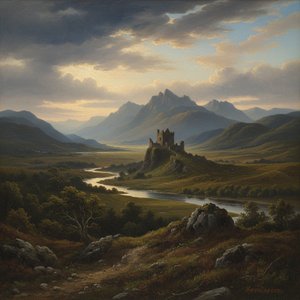
Alexander Nasmyth: Picturing Scotland's Romantic Landscape – Innovation & Identity
Explore the life & art of Alexander Nasmyth, a pivotal figure in Scottish Romantic landscape painting. Discover his iconic works, including portraits of Robert Burns, and learn about his lasting influence on national identity. Fine art reproductions available.

Evocations of Place: A Historical Journey Through Landscape Art
Explore the rich history of landscape art with OriginalUniqueArt. Discover renowned artists, movements like Impressionism & Romanticism, and expert guidance for collecting timeless pieces. Find your perfect serene escape today!

Paisajes Románticos: 10 Obras Maestras que Definieron un Movimiento Artístico
Descubre los 10 paisajes románticos más influyentes de artistas como Caspar David Friedrich y Turner. Explora la belleza, el simbolismo y las técnicas del movimiento romántico. Reproducciones de arte exclusivas en OriginalUniqueArt.com.
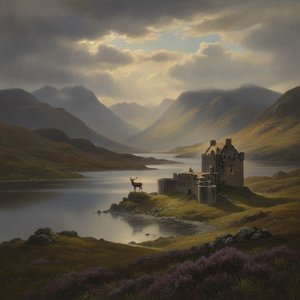
Capturing the Highlands: A Guide to Iconic Scottish Landscape Paintings and the Romantic Tradition
Explore the profound beauty of the Scottish Highlands through the lens of Romanticism. Discover the history, technique, and atmospheric mastery behind iconic landscape paintings from the Old Masters to museum-quality oil reproductions for collectors.

John Constable: Las 25 Obras Maestras del Paisaje Inglés | OriginalUniqueArt
Descubre las 25 obras maestras de John Constable, el pintor romántico inglés que capturó la belleza del paisaje. Explora su técnica, historia y significado en OriginalUniqueArt.com. Reproducciones de arte de alta calidad para tu hogar.
