Ver en contexto
 Enviar
 Compartir
 Detalles
 Guía
Guía

 Descargar
 Similares
 Radiografía
 Presentación de diapositivas
 Q&A
Q&A Estadísticas
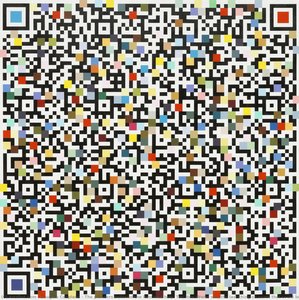
Thomson No. 3 (Sunset Bay)


 Ver más
La obra de arte que se muestra en esta página está protegida por las leyes de propiedad intelectual, lo que significa que no podemos crear ni vender legalmente una reproducción idéntica. Esta protección se hace cumplir en virtud de acuerdos internacionales como el Convenio de Berna y por las leyes nacionales, incluidas aquellas establecidas por el Ley de derechos de autor de los EE. UU. - Título 17.
Este método cumple plenamente con las normativas de derechos de autor, ya que no implica la copia ni la duplicación de la obra protegida. En su lugar, se trata de una reinterpretación creativa: una nueva pintura influenciada por la original, pero que no es idéntica a ella.
Giclée / Impresión de arte
Impresiones giclée o en lienzo de calidad de museo con producción rápida y opciones de acabado flexibles. ( Comprar pintura hecha a mano Cambiar a imagen digital)




P118B €10

P118H €10

P118W €10

P438Z €10

P508JH €12

P508YH €12

P805H €10

P805Z €10

P919BZ €10

P919G €10

P919XJ €10

P959ZH €10

P968JZ €12

W106C €8

W218G €10

W218JH €8

W218Y €10

W307PJ €10

W316G €10

W316PJ €8

W316Y €10

W398PJ €8

W4111J €10

W500HY €15

W500JH €15

W692G €12

W849H €8

W940BG €15

W953PJ €8




Elija entre nuestros tamaños predefinidos que respetan las proporciones originales de la obra.

Introduzca el ancho y el alto que necesite para adaptarse a su marco o pared. Una impresión solo puede recortarse, nunca hacerse más grande que la imagen original, por lo que un tamaño con una forma distinta perderá parte de la obra. Le enviaremos una maqueta digital para su aprobación antes de realizar cualquier impresión. La imagen que se muestra en esta página no refleja el recorte real; solo la maqueta lo hace.
Envío a todo el mundo () en 2 semanas en lugar de las 4/5 semanas estándar. (29 octubre)

Envío exprés gratuito a todo el mundo

Lienzo de lino de alta calidad

Seguro de envío total

Garantía de reembolso de aranceles aduaneros

Garantía de fidelidad cromática exacta

Política de devolución de 100 días (solo por defectos)

Garantía de devolución del 100% del dinero

Descuento por cantidad
 La opción de vidrio solo está disponible en tamaños inferiores a 110 cm.

Thomson No. 3 (Sunset Bay)
Giclée / Impresión de arte
Dimensiones de la reproducción
-


Precio total final
€ 71
The Genesis of a Fragmented Vision
Douglas Coupland’s “Thomson No. 3 (Sunset Bay)” isn't merely a depiction of a sunset over rolling hills; it’s an interrogation, a deliberate dismantling and reimagining of the very notion of ‘Canadianness.’ Born from a digital alchemy – a process of meticulously reducing iconic landscapes to their most fundamental geometric components – this artwork invites us to consider what remains when the romanticism of nature is stripped bare. Coupland began his exploration with degraded digital images of masterpieces by Emily Carr, the Group of Seven, and Tom Thomson, artists deeply intertwined with the formation of Canada’s visual identity. He then employed a unique, almost architectural language, breaking down these familiar vistas into a series of angular planes and bold blocks of color, creating an effect both strikingly modern and profoundly nostalgic.
The work's foundation lies in the legacy of Tom Thomson, a tragically short-lived artist whose evocative depictions of Ontario’s wilderness captured the spirit of a nascent nation. Coupland’s choice to reference Thomson is particularly potent; the painter’s romanticized portrayal of nature – his emphasis on light, color, and the sublime beauty of the Canadian landscape – provides a crucial counterpoint to the geometric austerity of Coupland's approach. Coupland isn’t simply replicating these scenes; he’s using them as a springboard for a commentary on how we perceive and represent our national identity in the 21st century.
Deconstructing the Sublime: A Geometric Language
Technically, “Thomson No. 3 (Sunset Bay)” is a masterful example of digital painting, executed with an almost clinical precision. Coupland’s process involved manipulating these images through sophisticated software, reducing them to their essential shapes and colors. The result is a flattened, abstracted landscape where the familiar forms of hills and sky are rendered as interlocking triangles and polygons. This deliberate simplification isn't intended to diminish the beauty of the original scenes; rather, it forces us to reconsider how we experience them. The absence of traditional perspective creates a sense of detachment, inviting the viewer to actively engage with the composition and interpret its meaning.
Coupland’s use of color is equally significant. The palette – dominated by warm oranges, yellows, and reds – evokes the drama of a sunset, yet these colors are presented in a deliberately flat, almost schematic manner. This contrasts sharply with the nuanced gradations of light and shadow found in traditional landscape paintings. The effect is both visually arresting and subtly unsettling, suggesting that even our most cherished memories and experiences can be reduced to their basic components.
Symbolism and the Shifting Landscape of Identity
Beyond its purely formal qualities, “Thomson No. 3 (Sunset Bay)” carries a potent symbolic weight. By referencing both Tom Thomson and the Group of Seven – two pivotal figures in Canadian art history – Coupland raises questions about how we define ‘Canadianness’ today. The artwork suggests that this identity is no longer solely rooted in a romanticized connection with nature, but rather shaped by contemporary tools and perspectives. The geometric abstraction can be interpreted as a metaphor for the fragmented and increasingly mediated reality of modern life.
Furthermore, Coupland's choice to utilize degraded digital images adds another layer of meaning. These aren’t pristine reproductions; they are remnants of a bygone era, hinting at the ephemeral nature of memory and representation. The artwork becomes a meditation on how our understanding of the past is constantly being reshaped by technology and cultural shifts. The title itself – “Thomson No. 3 (Sunset Bay)” – subtly underscores this process of deconstruction and reinterpretation.
A Contemporary Masterpiece: Reproduction and Reflection
“Thomson No. 3 (Sunset Bay)” is a compelling work that transcends the boundaries between art history, digital technology, and cultural commentary. Its striking visual impact, combined with its layered symbolism, makes it a significant addition to Coupland’s body of work. A high-quality reproduction captures much of the original's power, offering an accessible way to engage with this thought-provoking piece. Consider framing this artwork in a contemporary setting – its bold geometric forms will complement a range of interior design styles, sparking conversation and inviting contemplation about the nature of Canadian identity.
Preguntas y respuestas
¿Se puede visualizar "Thomson No. 3 (Sunset Bay)" con una vista previa en realidad aumentada?
"Thomson No. 3 (Sunset Bay)" cuenta con una vista previa en realidad aumentada: la página de Vista previa en RA de la obra permite visualizarla en su propio espacio mediante un dispositivo compatible.
¿Qué color predomina en la composición de "Thomson No. 3 (Sunset Bay)" de Douglas Coupland?
El Madera de deriva (#d78a64) es el color predominante de "Thomson No. 3 (Sunset Bay)" de Douglas Coupland.
¿Qué ambiente aportaría "Thomson No. 3 (Sunset Bay)" a un espacio?
Con su atmósfera Serenidad, se sugiere "Thomson No. 3 (Sunset Bay)" para Salón principal.
Biografía del artista
Douglas Coupland: Una Biografía
- Nacido: Vancouver, Canadá (30 de diciembre de 1961)
- Origen: OriginalUniqueArt
- Estado: Vivo
Primeros Años y Ascenso Literario
- El viaje de Douglas Coupland comenzó en Vancouver, Canadá, el 30 de diciembre de 1961. Su vida temprana moldeó sus agudas observaciones de la cultura contemporánea, las cuales definirían posteriormente su obra.
- Obtuvo un amplio reconocimiento con la publicación de su novela debut, "Generation X: Tales for an Accelerated Culture", en 1991. Esta obra fundamental resonó profundamente con una generación que luchaba por la identidad y el propósito en un mundo que cambiaba rápidamente.
- La novela popularizó términos como “Generación X” y “McJob”, consolidando a Coupland como un comentarista cultural y capturando el espíritu de la época.
Evolución como Artista y Diseñador
- Más allá de su éxito literario, Coupland ha cultivado una diversa práctica artística que abarca el arte visual y el diseño. Ha escrito 13 novelas, dos colecciones de cuentos, siete libros de no ficción y numerosos guiones para cine y televisión.
- Su obra de arte visual se ha exhibido en prestigiosas sedes como la Galería de Arte de Vancouver y la Colección McMichael de Arte Canadiense.
- La exploración artística de Coupland se extiende a medios innovadores como los códigos QR, que integra en sus pinturas para revelar mensajes ocultos cuando se escanean – combinando abstracción con funcionalidad.
Temas Artísticos Clave y Obras Notables
- Serie de Códigos QR: La serie de pinturas de Coupland que incorporan códigos QR ejemplifica su enfoque único, fusionando tecnología y arte para ofrecer comentarios concisos.
- Serie Dead Grads: Esta conmovedora serie sirve como un homenaje a las jóvenes vidas truncadas trágicamente, con títulos como "Gun", "Car Crash" y "Overdose" que evocan una profunda reflexión.
- Silver Boogeyman: Una pieza impactante que revela el rostro de Osama bin Laden cuando se ve a través de un teléfono inteligente, demostrando la capacidad de Coupland para provocar pensamientos y desafiar la percepción.
- The Ice Storm: Una monumental escultura de acero que refleja la identidad canadiense y la fragilidad, mostrando su exploración de temas nacionales.
- God: Un collage de medios mixtos con elementos simbólicos como "Lord Jim" y una 'D' geométrica, demostrando sus técnicas de capas y habilidades de diseño gráfico.
Reconocimiento y Legado
- Las contribuciones de Coupland a la literatura y el arte han sido ampliamente reconocidas, ganándose el título de Oficial de la Orden de Canadá y miembro de la Orden de Columbia Británica.
- Su obra continúa resonando con audiencias en todo el mundo, impulsando el diálogo sobre la cultura contemporánea, la tecnología y los problemas sociales.
- Sigue siendo una figura significativa en las artes y letras canadienses, conocido por sus observaciones perspicaces y su innovadora expresión artística.

Douglas Coupland
1961 - , Canadá
Datos clave
- Artístico Movimiento O Estilo: Arte contemporáneo, Pop Art
- Fecha De Nacimiento: 30 de diciembre de 1961
- Lugar De Nacimiento (Ciudad Y País): Vancouver, Canadá
- Nacionalidad: Canadiense
- Nombre Completo: Douglas Coupland
- Notable Obras De Arte:
- Jumbo Boogeyman in the Sky...
- Silver Boogeyman
- God
- The Ice Storm
- The Poet
- Thomson No. 5 (Yellow Sunset)
Artículos relacionados

Kandinsky: Las 25 Obras Maestras del Pionero de la Abstracción | OriginalUniqueArt
Descubre las 25 obras maestras de Wassily Kandinsky, pionero del arte abstracto. Explora su expresionismo, composiciones únicas y la historia detrás de cada cuadro. Reproducciones de alta calidad para decorar tu hogar con arte moderno en OriginalUniqueArt.com.

Neo-Abstract Art: The High-Impact Evolution of Modern Visual Energy and Geometric Sophistication
Discover the power of Neo-Abstract art. Explore how bold geometric forms and high-impact visual energy are redefining modern design. Learn to curate sophisticated, high-energy spaces with the latest trends in contemporary abstraction and structural color.

Beyond Form & Color: Geometric Abstraction's Evolution in 20th/21st Century Art
Explore the evolution of geometric abstraction from Cubism to contemporary art. Discover key artists like Malevich & Mondrian, investment insights, and expert collecting advice at OriginalUniqueArt.
Beyond the Lines: The High-Impact Trend Forecast of Geometric Abstraction
Discover the high-impact world of Geometric Abstraction. From Cubist roots to modern urban trends, explore how bold shapes and colors redefine contemporary design. Elevate your space with expert art insights and custom-made abstract masterpieces.

Abstracción Geométrica: 10 Obras Maestras que Transformaron el Arte Moderno | OriginalUniqueArt
Descubre las 10 obras maestras de la abstracción geométrica que revolucionaron el arte moderno. Explora a Mondrian, Malevich y Kandinsky en OriginalUniqueArt.com. Reproducciones de alta calidad para tu hogar.