

 Enviar
 Compartir
 Detalles

 Descargar
 Similares
 Presentación de diapositivas
 Estadísticas
St George


 Ver más
Giclée / Impresión de arte
Impresiones giclée o en lienzo de calidad de museo con producción rápida y opciones de acabado flexibles. ( Comprar pintura hecha a mano Cambiar a imagen digital)




































Elija entre nuestros tamaños predefinidos que respetan las proporciones originales de la obra.

Puede introducir sus propias dimensiones para adaptarse a un marco o espacio específico. Si el tamaño seleccionado no coincide con las proporciones de la imagen original, recortaremos la obra de arte o extenderemos la imagen con un borde con efecto espejo o de color sólido. Se enviará una maqueta digital para su aprobación antes de que comience la producción.
Tenga en cuenta que la vista previa en pantalla no refleja el recorte o la extensión real. Solo la maqueta mostrará con precisión la composición final.
Aunque existen tamaños personalizados, recomendamos seleccionar una dimensión de la lista predefinida para preservar las proporciones originales.
Envío a todo el mundo () en 2 semanas en lugar de las 4/5 semanas estándar. (9 septiembre)

Envío exprés gratuito a todo el mundo

Lienzo de lino de alta calidad

Seguro de envío total

Garantía de reembolso de impuestos aduaneros

Garantía de fidelidad cromática exacta

Política de devolución de 100 días (solo por defectos)

Garantía de devolución del 100% del dinero

Descuento por cantidad
 La opción de vidrio solo está disponible en tamaños inferiores a 110 cm.

St George
Giclée / Impresión de arte
Dimensiones de la reproducción
-


Precio total final
$ 80
A Testament to Faith and Form: Donatello’s *Saint George*
Donatello's *Saint George*, sculpted in 1416 during the nascent Renaissance, is more than just a marble statue; it’s a potent distillation of classical ideals interwoven with burgeoning humanist thought. Housed within the imposing niche of the Bargello Museum in Florence, this figure commands attention not merely through its scale – though its height is undeniably impressive – but through the profound sense of dignity and restrained power it embodies. The sculpture depicts Saint George slaying the dragon, a scene steeped in Christian symbolism and echoing the heroic narratives of antiquity. Donatello masterfully captures the moment of decisive action, yet avoids melodrama, presenting a portrait of resolute courage rather than outright violence.
The Sculptor’s Hand: Technique and Materials
Donatello's genius lies not just in his subject matter but in his unparalleled technical skill. Crafted from pristine white marble, the statue showcases an extraordinary command of material. The surface is remarkably smooth, achieved through meticulous polishing – a technique perfected by Donatello himself. Notice how he renders the folds of George’s drapery; they aren't simply decorative but sculpted with a deep understanding of fabric’s weight and movement. The musculature of the figure is rendered with anatomical precision, reflecting his study of classical sculpture and his commitment to representing the human form realistically. The subtle gradations in tone – achieved through careful carving and highlighting – create an illusion of volume and depth, bringing the statue to life. The choice of marble itself speaks volumes; its purity and luminosity enhance the sense of nobility and spiritual significance.
Symbolism and Narrative: A Medieval Icon
The story of Saint George is rich with symbolic meaning. He was martyred for his Christian faith, slaying a dragon that threatened the city of Silene in Egypt. This narrative resonated deeply within the medieval period, representing the triumph of good over evil, faith over heresy, and courage against overwhelming odds. Donatello’s depiction reinforces these themes. The dragon itself is not depicted as monstrous but rather as a formidable challenge to be overcome with unwavering resolve. George's stance – poised and determined – conveys a sense of righteous action. The inclusion of the lance and shield, symbols of Christian defense and faith, further solidifies the statue’s religious message. It’s important to note that this wasn’t simply a retelling of a biblical story; it was an embodiment of civic virtue and spiritual fortitude, values highly prized in Renaissance Florence.
A Bridge Between Eras: Donatello's Legacy
*Saint George* stands as a pivotal work in the transition from Gothic to Renaissance sculpture. While retaining elements of traditional Byzantine iconography – particularly in the stylized features and the emphasis on frontal presentation – it demonstrates a shift towards greater naturalism, anatomical accuracy, and psychological depth. Donatello’s influence can be seen in subsequent generations of sculptors, who drew inspiration from his innovative approach to depicting human form and emotion. His willingness to experiment with new techniques and subject matter paved the way for the High Renaissance masters. Studying *Saint George* offers a profound insight into the artistic currents shaping Florence during this transformative period – a moment when faith, classical ideals, and burgeoning humanist thought converged to create one of the most enduring legacies in Western art.
Biografía del artista
Vida temprana y carrera
Donato di Niccolò di Betto Bardi, conocido como Donatello, nació en Florencia, Italia alrededor de 1386. Estudió escultura clásica, lo que influyó fuertemente en su desarrollo de un estilo del primer Renacimiento. Este nuevo enfoque hacia el arte y la cultura eventualmente se convertiría en la característica distintiva del florentino renacimiento.Obras clave e innovaciones
La obra más famosa de Donatello, David, fue la primera escultura masculina desnuda independiente desde la antigüedad. Comisionada por la familia Medici, mostró su estilo innovador y experiencia técnica. Otras obras notables incluyen:- San Luis de Tolosa (ahora en el museo de la Basílica di Santa Croce), que presentaba un marco clásico diseñado por Donatello.
- El sacrificio de Isaac, creado para el campanile de Santa Maria del Fiore en Florencia, se caracterizó por fuertes detalles de retrato.
- Crucifijo (1425) para Santa Croce, que retrataba a Cristo en un momento de agonía.
Estilo artístico y legado
El estilo de Donatello puede dividirse en amplias fases, comenzando con el desarrollo de expresividad y monumentalidad clásica. Su obra no fue inmediatamente aceptada por la comunidad, pero eventualmente se convirtió en la más popular, influyendo a otros tribunales italianos y artistas europeos. Movimientos artísticos clave:Vida personal y estilo de trabajo
Donatello era conocido por ser afable y querido, pero pobre en el lado comercial de su carrera. Tendía a aceptar más comisiones de las que podía manejar, a menudo completando obras tarde o entregándolas a otros escultores. Obras de arte notables y artistas:- Leonardo da Vinci: Anunciación (detalle)
- Amico Aspertini: Estátua de Pan/León que azota a un caballo
- Miguel Ángel Buonarroti: Tondo Pitt
Museos y colecciones de arte
- Museo della Collegiata (Empoli, Italia): una joya oculta del renacimiento, con obras de Francesco Botticini y Raffaello Botticini.
- El movimiento artístico del primer Renacimiento italiano

Donatello
1386 - 1466 , Italia
Datos clave
- Artistas Que Influyeron:
- Lorenzo Ghiberti
- Nanni di Banco
- Fecha De Nacimiento: c. 1386
- Influenciado A Artistas:
- Leonardo da Vinci
- Michelangelo Buonarroti
- Lugar De Nacimiento: Florencia, Italia
- Movimiento Artístico: Renacimiento temprano
- Nacionalidad: Italiana
- Nombre Completo: Donatello (Donato di Niccolò)
- Obras Notables:
- David
- St. Louis of Toulouse
- Sacrifice of Isaac
- Crucifix (1425)
Artículos relacionados

Georges Seurat: Las 25 Obras Maestras del Pionero Puntillista | OriginalUniqueArt
Descubre las 25 obras maestras de Georges Seurat, el innovador del puntillismo. Explora su técnica única, colores vibrantes y legado artístico en OriginalUniqueArt.com. Reproducciones de arte de museo para tu hogar.

Georges Braque: Las 25 Obras Maestras del Cubismo y su Legado en el Arte Moderno
Descubre las 25 obras maestras de Georges Braque, pionero del cubismo. Explora su innovadora técnica, colores y el legado del arte moderno francés. Reproducciones de alta calidad en OriginalUniqueArt.com. ¡Encuentra tu inspiración!
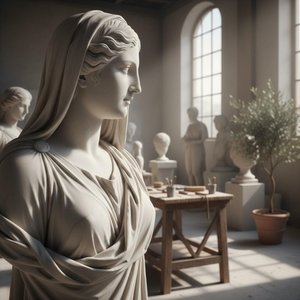
Timeless Elegance: A Complete Guide to the Sublime Beauty and Artistry of Marble Sculpture
Discover the sublime beauty of marble art through an expert exploration of Renaissance and Neoclassical masterpieces. From the delicate textures of Carpeaux to the grandeur of Sansovino, immerse yourself in a guide to timeless elegance and sculptural perfection.

The Enduring Allure of Marble in Art History: From Classical Sculpture to Modern Abstraction
Explore the captivating history of marble sculpture from ancient Greece to modern art. Discover renowned artists like Canova & Michelangelo, carving techniques, and investment insights at OriginalUniqueArt.

Esculturas de Bronce Legendarias: 10 Obras Maestras que Transformaron el Arte | OriginalUniqueArt
Descubre las 10 esculturas de bronce más legendarias que revolucionaron el arte. Explora la historia de Rodin, Degas y otros maestros del bronce. Encuentra reproducciones de alta calidad e inspiración para tu hogar en OriginalUniqueArt.com.


