

 Compartir
 Compartir
 Ver detalles
 Guía
Guía

 Descargar
 Ver artículos similares
 Presentación de diapositivas
 Estadísticas
Old Sacristy


 Leer más
Giclée / Impresión de arte
Impresiones giclée o en lienzo de calidad de museo con producción rápida y opciones de acabado flexibles. ( Encargar reproducción pintada a mano Ver versión en imagen digital)




































Elija entre nuestros tamaños predefinidos que respetan las proporciones originales de la obra.

Puede introducir sus propias dimensiones para adaptarse a un marco o espacio específico. Si el tamaño seleccionado no coincide con las proporciones de la imagen original, recortaremos la obra de arte o extenderemos la imagen con un borde con efecto espejo o de color sólido. Se enviará una maqueta digital para su aprobación antes de que comience la producción.
Tenga en cuenta que la vista previa en pantalla no refleja el recorte o la extensión real. Solo la maqueta mostrará con precisión la composición final.
Aunque existen tamaños personalizados, recomendamos seleccionar una dimensión de la lista predefinida para preservar las proporciones originales.
Envío a todo el mundo () en 2 semanas en lugar de las 4/5 semanas estándar. (30 septiembre)

Envío exprés gratuito a todo el mundo

Lienzo de lino de alta calidad

Seguro de envío completo

Garantía de reembolso de impuestos aduaneros

Garantía de fidelidad cromática exacta

Política de devolución de 100 días (solo por defectos)

Garantía de devolución del 100% del dinero

Oferta por volumen
 La opción de vidrio solo está disponible en tamaños inferiores a 110 cm.

Old Sacristy
Giclée / Impresión de arte
Tamaño de la reproducción
-


Precio total
€ 69
A Sanctuary of Geometric Grace
To step into the Old Sacristy within the Basilica of San Lorenzo is to leave the chaotic bustle of Florence behind and enter a realm of profound mathematical serenity. This sacred space, a masterpiece of the Early Renaissance, serves as a breathtaking dialogue between the architectural genius of Filippo Brunelleschi and the sculptural mastery of Donatello. It is not merely a chapel but a physical manifestation of humanist ideals, where the pursuit of divine truth is expressed through the perfection of geometry and the clarity of light. The atmosphere is one of quiet, ordered majesty, inviting both the devout worshiper and the modern admirer to contemplate the harmony between the earthly and the eternal.
The architectural soul of the sacristy is defined by a revolutionary rationalism. Moving away from the vertical, soaring complexities of the Gothic tradition, Brunelleschi utilized a square plan punctuated by a central dome to create a sense of grounded stability. Every element—from the ribs of the vaulted ceiling to the pilasters adorng the walls—follows precise mathematical ratios, specifically the 1:3 proportion. This deliberate use of symmetry creates a rhythmic visual flow that guides the eye upward, fostering a meditative state. The interplay of pietra serena, a muted grey stone, against the luminous white surfaces provides a sophisticated textural contrast that is as intellectually stimulating as it is visually soothing.
The Sculptural Narrative and Humanist Spirit
While Brunelleschi provided the rational skeleton of the space, Donatello breathed life into its very bones. The sacristy is adorned with sculptures that represent a pivotal moment in art history: the return to anatomical realism and classical dignity. His figures, such as St. Stephen and St. Lawrence, are not mere decorations but profound explorations of the human condition. Through painstaking observation, Donatello achieved a level of naturalism that allows the viewer to sense the weight, muscle, and spiritual gravity of each saint. These works embody the Renaissance spirit, where the study of the physical body became a way to honor the divine creation.
For the collector or interior designer, the Old Sacristy offers an unparalleled blueprint for creating spaces of prestige and contemplation. The aesthetic is characterized by a balanced palette of stone, light, and shadow, making it a timeless inspiration for high-end classical decor. A reproduction of this sacred interior brings with it a sense of historical weight and intellectual depth, perfect for those seeking to infuse their environments with the enduring elegance of the Florentine Renaissance. It is an invitation to surround oneself with the beauty of order, the strength of tradition, and the quiet power of sculptural excellence.
Biografía del artista
Vida temprana y carrera
Donato di Niccolò di Betto Bardi, conocido como Donatello, nació en Florencia, Italia alrededor de 1386. Estudió escultura clásica, lo que influyó fuertemente en su desarrollo de un estilo del primer Renacimiento. Este nuevo enfoque hacia el arte y la cultura eventualmente se convertiría en la característica distintiva del florentino renacimiento.Obras clave e innovaciones
La obra más famosa de Donatello, David, fue la primera escultura masculina desnuda independiente desde la antigüedad. Comisionada por la familia Medici, mostró su estilo innovador y experiencia técnica. Otras obras notables incluyen:- San Luis de Tolosa (ahora en el museo de la Basílica di Santa Croce), que presentaba un marco clásico diseñado por Donatello.
- El sacrificio de Isaac, creado para el campanile de Santa Maria del Fiore en Florencia, se caracterizó por fuertes detalles de retrato.
- Crucifijo (1425) para Santa Croce, que retrataba a Cristo en un momento de agonía.
Estilo artístico y legado
El estilo de Donatello puede dividirse en amplias fases, comenzando con el desarrollo de expresividad y monumentalidad clásica. Su obra no fue inmediatamente aceptada por la comunidad, pero eventualmente se convirtió en la más popular, influyendo a otros tribunales italianos y artistas europeos. Movimientos artísticos clave:Vida personal y estilo de trabajo
Donatello era conocido por ser afable y querido, pero pobre en el lado comercial de su carrera. Tendía a aceptar más comisiones de las que podía manejar, a menudo completando obras tarde o entregándolas a otros escultores. Obras de arte notables y artistas:- Leonardo da Vinci: Anunciación (detalle)
- Amico Aspertini: Estátua de Pan/León que azota a un caballo
- Miguel Ángel Buonarroti: Tondo Pitt
Museos y colecciones de arte
- Museo della Collegiata (Empoli, Italia): una joya oculta del renacimiento, con obras de Francesco Botticini y Raffaello Botticini.
- El movimiento artístico del primer Renacimiento italiano

Donatello
1386 - 1466 , Italia
Datos clave
- Artistas Que Influyeron:
- Lorenzo Ghiberti
- Nanni di Banco
- Fecha De Nacimiento: c. 1386
- Influenciado A Artistas:
- Leonardo da Vinci
- Michelangelo Buonarroti
- Lugar De Nacimiento: Florencia, Italia
- Movimiento Artístico: Renacimiento temprano
- Nacionalidad: Italiana
- Nombre Completo: Donatello (Donato di Niccolò)
- Obras Notables:
- David
- St. Louis of Toulouse
- Sacrifice of Isaac
- Crucifix (1425)
Artículos relacionados

Esculturas de Bronce Legendarias: 10 Obras Maestras que Transformaron el Arte | OriginalUniqueArt
Descubre las 10 esculturas de bronce más legendarias que revolucionaron el arte. Explora la historia de Rodin, Degas y otros maestros del bronce. Encuentra reproducciones de alta calidad e inspiración para tu hogar en OriginalUniqueArt.com.

Las 10 Obras Maestras de Bronce que Revolucionaron la Historia del Arte | OriginalUniqueArt
Descubre las 10 esculturas de bronce más influyentes de la historia del arte. Explora obras maestras de Rodin, Degas y otros genios. Encuentra reproducciones de arte de calidad museo en OriginalUniqueArt.com.

The Enduring Form: Sculpture Across History, Technique & Emotional Resonance
Explore the rich history of sculpture with OriginalUniqueArt. Discover key techniques, influential artists & investment potential for discerning collectors. Expert insights into valuing and collecting timeless masterpieces.

The Enduring Form: Exploring Themes & Techniques in Sculpture Across Historical Periods
Explore the rich history of sculpture from ancient masterpieces to contemporary innovations. Discover key techniques, influential artists & investment potential for discerning art collectors.
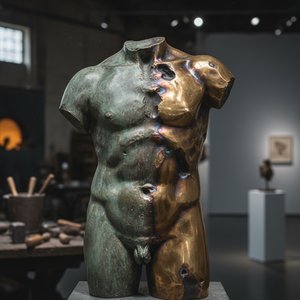
El Legado Duradero de la Escultura en Bronce: Historia, Técnicas e Interpretaciones Contemporáneas
Descubra la historia, las técnicas y el valor de la escultura en bronce. Guía experta para coleccionistas e inversores. Explore obras maestras y aprenda sobre fundición a la cera perdida.


