

 Compartir
 Compartir
 Ver detalles
 Guía
Guía

 Descargar
 Ver artículos similares
 Presentación de diapositivas
 Estadísticas
North pulpit
 Wood
Wood- Sculpture
- Early Renaissance
 1460
1460- Renaissance
 137.0 x 280.0 cm
 San Lorenzo
 Leer más
Reproducción al óleo hecha a mano
Óleo sobre lienzo pintado a mano en el tamaño y marco de su elección, realizado por encargo por nuestros artistas. ( Cambiar a formato impreso Ver versión en imagen digital)




































Elija entre nuestros tamaños predefinidos que respetan las proporciones originales de la obra.

Puede ingresar sus propias dimensiones para adaptarse a un marco o espacio específico. Si el tamaño seleccionado no coincide con las proporciones de la imagen original, recortaremos la obra o extenderemos la pintura con elementos adicionales pintados a mano. Se le enviará una maqueta digital para su aprobación antes de comenzar la producción.
Tenga en cuenta que la vista previa en pantalla no refleja el recorte o la extensión reales. Solo la maqueta mostrará con precisión la composición final.
Si bien existen tamaños personalizados, recomendamos seleccionar una dimensión de la lista predefinida para preservar las proporciones originales.
Tras realizar el pedido, el equipo de OriginalUniqueArt.com enviará un correo electrónico al cliente para solicitar instrucciones y proporcionarle una vista previa del boceto.
Envío a todo el mundo () en 3-4 semanas en lugar de las 5 semanas estándar. (27 septiembre). Sin comprometer la calidad.

Envío exprés gratuito a todo el mundo

Lienzo de lino de alta calidad

Seguro de envío completo

Garantía de reembolso de impuestos aduaneros

Garantía de fidelidad cromática exacta

Política de devolución de 100 días (solo por defectos)

Garantía de devolución del 100% del dinero

Oferta por volumen
 La opción de vidrio solo está disponible en tamaños inferiores a 110 cm.

North pulpit
Técnica de reproducción
Tamaño de la reproducción
-


Precio total
$ 600
The Soul of the Renaissance: Donatello’s North Pulpit
To stand before the North Pulpit is to witness a profound moment in the evolution of Western art, where the rigid structures of the Middle Ages began to dissolve into the humanistic warmth of the Early Renaissance. Created around 1460 by the Florentine master Donatello, this extraordinary work serves as a bridge between two worlds. While its architectural framework retains the intricate, soaring elegance of the Gothic tradition, the spirit within is undeniably revolutionary. Donatello, a sculptor who breathed life into stone and wood through his deep study of classical antiquity, infused this pulpit with an unprecedented psychological depth that captures the very essence of human emotion.
The subject matter—a masterful depiction of the Last Supper—is rendered with a sense of intimacy that draws the viewer into the sacred circle of Christ and his disciples. Unlike the flatter, more symbolic representations found in earlier centuries, Donatello utilizes a complex interplay of light and shadow to create a palpable sense of drama. The composition is tightly packed, yet it avoids feeling claustrophobic; instead, the overlapping figures and the rhythmic arrangement of limbs and drapery guide the eye through a narrative of solemnity and reverence. There is a quiet tension in the air, a hint of the foreboding that accompanies Christ's final meal, making the scene feel less like a distant historical event and more like a living, breathing moment of profound spiritual significance.
Mastery of Form and Materiality
The technical brilliance of the North Pulpit lies in Donatello’s ability to manipulate texture and depth. The sculpture is characterized by an incredibly rich tactile quality, where the meticulous carving of the wood—likely a dense, fine-grained hardwood such as walnut—reveals the artist's unparalleled precision. Through deep carving and the strategic use of chiaroscuro effects, Donatello achieves a three-dimensional vitality that makes the figures appear to emerge from the very grain of the material. The interplay between the dark, somber tones of the wood and the subtle traces of gilding creates a warm, luminous atmosphere that catches the light, emphasizing the folds of the garments and the expressive gestures of the disciples.
For the discerning collector or interior designer, this piece offers more than mere decoration; it provides a focal point of immense historical weight and aesthetic sophistication. The geometric harmony of the arches and rectangular frames provides a structured elegance that complements both classical and contemporary settings. Whether presented as a high-quality reproduction in a curated gallery or as a centerpiece in a grand library, the North Pulpit evokes a sense of timelessness. It is an invitation to contemplate the intersection of human struggle and divine grace, making it an incomparable choice for those who seek to surround themselves with art that possesses both intellectual depth and visceral emotional power.
Biografía del artista
Vida temprana y carrera
Donato di Niccolò di Betto Bardi, conocido como Donatello, nació en Florencia, Italia alrededor de 1386. Estudió escultura clásica, lo que influyó fuertemente en su desarrollo de un estilo del primer Renacimiento. Este nuevo enfoque hacia el arte y la cultura eventualmente se convertiría en la característica distintiva del florentino renacimiento.Obras clave e innovaciones
La obra más famosa de Donatello, David, fue la primera escultura masculina desnuda independiente desde la antigüedad. Comisionada por la familia Medici, mostró su estilo innovador y experiencia técnica. Otras obras notables incluyen:- San Luis de Tolosa (ahora en el museo de la Basílica di Santa Croce), que presentaba un marco clásico diseñado por Donatello.
- El sacrificio de Isaac, creado para el campanile de Santa Maria del Fiore en Florencia, se caracterizó por fuertes detalles de retrato.
- Crucifijo (1425) para Santa Croce, que retrataba a Cristo en un momento de agonía.
Estilo artístico y legado
El estilo de Donatello puede dividirse en amplias fases, comenzando con el desarrollo de expresividad y monumentalidad clásica. Su obra no fue inmediatamente aceptada por la comunidad, pero eventualmente se convirtió en la más popular, influyendo a otros tribunales italianos y artistas europeos. Movimientos artísticos clave:Vida personal y estilo de trabajo
Donatello era conocido por ser afable y querido, pero pobre en el lado comercial de su carrera. Tendía a aceptar más comisiones de las que podía manejar, a menudo completando obras tarde o entregándolas a otros escultores. Obras de arte notables y artistas:- Leonardo da Vinci: Anunciación (detalle)
- Amico Aspertini: Estátua de Pan/León que azota a un caballo
- Miguel Ángel Buonarroti: Tondo Pitt
Museos y colecciones de arte
- Museo della Collegiata (Empoli, Italia): una joya oculta del renacimiento, con obras de Francesco Botticini y Raffaello Botticini.
- El movimiento artístico del primer Renacimiento italiano

Donatello
1386 - 1466 , Italia
Datos clave
- Artistas Que Influyeron:
- Lorenzo Ghiberti
- Nanni di Banco
- Fecha De Nacimiento: c. 1386
- Influenciado A Artistas:
- Leonardo da Vinci
- Michelangelo Buonarroti
- Lugar De Nacimiento: Florencia, Italia
- Movimiento Artístico: Renacimiento temprano
- Nacionalidad: Italiana
- Nombre Completo: Donatello (Donato di Niccolò)
- Obras Notables:
- David
- St. Louis of Toulouse
- Sacrifice of Isaac
- Crucifix (1425)
Artículos relacionados

The Enduring Form: Exploring Themes & Techniques in Sculpture Across Historical Periods
Explore the rich history of sculpture from ancient masterpieces to contemporary innovations. Discover key techniques, influential artists & investment potential for discerning art collectors.

Esculturas de Bronce Legendarias: 10 Obras Maestras que Transformaron el Arte | OriginalUniqueArt
Descubre las 10 esculturas de bronce más legendarias que revolucionaron el arte. Explora la historia de Rodin, Degas y otros maestros del bronce. Encuentra reproducciones de alta calidad e inspiración para tu hogar en OriginalUniqueArt.com.

Las 10 Obras Maestras de Bronce que Revolucionaron la Historia del Arte | OriginalUniqueArt
Descubre las 10 esculturas de bronce más influyentes de la historia del arte. Explora obras maestras de Rodin, Degas y otros genios. Encuentra reproducciones de arte de calidad museo en OriginalUniqueArt.com.

The Enduring Form: Sculpture Across History, Technique & Emotional Resonance
Explore the rich history of sculpture with OriginalUniqueArt. Discover key techniques, influential artists & investment potential for discerning collectors. Expert insights into valuing and collecting timeless masterpieces.
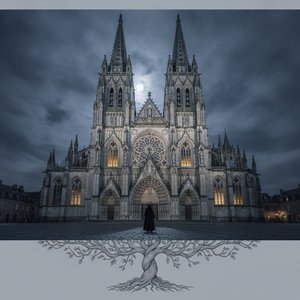
Shadows & Splendor: A Journey Through the Soul of Gothic Art and Architectural Grandeur
Embark on a profound journey through the spiritual intensity of Gothic art. Explore the architectural marvels, luminous stained glass, and sacred sculptures that define this era of grandeur and human devotion.


