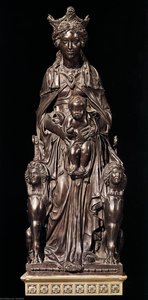
Vista previa
 Compartir
 Compartir
 Ver detalles
 Guía
Guía

 Descargar
 Ver artículos similares
 Radiografía
 Presentación de diapositivas
 Estadísticas
Ciborium


 Leer más
Reproducción al óleo hecha a mano
Óleo sobre lienzo pintado a mano en el tamaño y marco de su elección, realizado por encargo por nuestros artistas. ( Cambiar a formato impreso Ver versión en imagen digital)




P118B €10

P118H €10

P118W €10

P438Z €10

P508JH €12

P508YH €12

P805H €10

P805Z €10

P919BZ €10

P919G €10

P919XJ €10

P959ZH €10

P968JZ €12

W106C €8

W218G €10

W218JH €8

W218Y €10

W307PJ €10

W316G €10

W316PJ €8

W316Y €10

W398PJ €8

W4111J €10

W500HY €15

W500JH €15

W692G €12

W849H €8

W940BG €15

W953PJ €8




Elija entre nuestros tamaños predefinidos que respetan las proporciones originales de la obra.

Escriba el ancho y el alto que necesite para adaptarse a su marco o a su pared. Al ser una obra pintada a mano, para un tamaño con una forma distinta, el artista puede pintar un poco más alrededor de la imagen o recortar un poco; usted elige. Le enviaremos una maqueta digital para su aprobación antes de comenzar la pintura. La imagen que se muestra en esta página no refleja el resultado real; solo la maqueta lo hace.
Tras realizar el pedido, el equipo de OriginalUniqueArt.com enviará un correo electrónico al cliente para solicitar instrucciones y proporcionarle una vista previa del boceto.
Envío a todo el mundo () en 3-4 semanas en lugar de las 5 semanas estándar. (21 octubre). Sin comprometer la calidad.

Envío exprés gratuito a todo el mundo

Lienzo de lino de alta calidad

Seguro de envío completo

Garantía de reembolso de impuestos aduaneros

Garantía de fidelidad cromática exacta

Política de devolución de 100 días (solo por defectos)

Garantía de devolución del 100% del dinero

Oferta por volumen
 La opción de vidrio solo está disponible en tamaños inferiores a 110 cm.

Ciborium
Técnica de reproducción
Tamaño de la reproducción
-


Precio total
€ 262
A Glimpse into Sacred Space: Donatello's Ciborium
Donatello’s 1432 *Ciborium*, currently residing within the Treasury of St. Peter’s Basilica, offers a profound and remarkably intimate window into the artistic sensibilities of the Early Renaissance in Florence. More than simply a container for the Eucharist, this sculpted masterpiece is a carefully constructed dialogue between classical antiquity, Christian iconography, and the burgeoning humanist ideals that defined the era. Donatello, already establishing his signature style—characterized by expressive realism and a masterful command of both form and emotion—crafted this work not just as an object of religious devotion but as a testament to his evolving artistic vision.
The ciborium itself is a marvel of Carrara marble, meticulously carved with a sophisticated architectonic composition. Pilasters frame the central relief, creating a sense of depth and drawing the viewer’s eye towards the heart of the piece: a depiction of Mary holding the infant Jesus. This image, often referred to as *Madonna della Febbre* (Our Lady of the Fever), is not merely a representation of the Virgin but embodies a potent symbol of compassion and divine grace. The choice of this particular Madonna—a figure associated with healing and protection—underscores the ciborium’s function as a sacred space intended for contemplation and prayer.
Classical Echoes and Renaissance Innovation
Donatello's debt to classical sculpture is immediately apparent in the *Ciborium*. The composition echoes the grandeur of Roman triumphal arches, with its soaring attic and carefully arranged figures. However, Donatello doesn’t simply replicate ancient forms; he imbues them with a distinctly Renaissance sensibility. Notice the horizontal orientation of the deposition scene—a deliberate departure from the verticality often favored in medieval sculpture—and the use of drapery that is both realistically rendered and subtly theatrical. The inclusion of putti, playful cherubs drawn from classical mythology, further reinforces this fusion of styles.
The upper relief depicts the deposition of Christ, a scene rich with symbolic meaning. The curtains drawn back by these youthful figures—a direct reference to ancient Greco-Roman depictions of mourning—reveal the body of Christ, presented in a manner that is both vulnerable and dignified. The careful attention to detail – from the folds of Mary’s robes to the expressions on the faces of the surrounding angels – speaks volumes about Donatello's technical skill and his desire to capture not just the likeness but also the essence of each figure.
Symbolism, Light, and Spiritual Resonance
Beyond its formal elements, the *Ciborium* is saturated with symbolism. The use of light—particularly in the depiction of Christ’s body—is crucial. The rays emanating from the heavens suggest divine intervention and the promise of salvation. The placement of angels at the base of the ciborium further emphasizes the sacred nature of the space, acting as intermediaries between humanity and God. The overall effect is one of profound reverence and devotion, inviting viewers to contemplate the mysteries of faith.
Donatello’s *Ciborium* stands as a pivotal work in his artistic development—a testament to his ability to synthesize classical influences with Christian iconography and humanist ideals. It's a piece that continues to resonate today, offering a glimpse into the spiritual landscape of Renaissance Florence and demonstrating Donatello’s enduring legacy as one of art history’s most innovative and influential figures.
Preguntas y respuestas
¿Cuál es el tono emocional de "Ciborium" de Donatello?
"Ciborium" se asocia con un sentimiento Spiritual. El tono emocional describe la impresión que transmite la obra.
¿Cómo puedo conseguir una lámina de "Ciborium" de Donatello?
"Ciborium" está disponible como una impresión de bellas artes sobre lienzo de algodón o papel de lienzo de archivo. Los pedidos se realizan en su página Impresión de bellas artes, en el tamaño de su elección.
¿Para quién se sugiere "Ciborium" como regalo y para qué uso?
La recomendación de regalo para "Ciborium" de Donatello combina Wedding con Statement.
Biografía del artista
Vida temprana y carrera
Donato di Niccolò di Betto Bardi, conocido como Donatello, nació en Florencia, Italia alrededor de 1386. Estudió escultura clásica, lo que influyó fuertemente en su desarrollo de un estilo del primer Renacimiento. Este nuevo enfoque hacia el arte y la cultura eventualmente se convertiría en la característica distintiva del florentino renacimiento.Obras clave e innovaciones
La obra más famosa de Donatello, David, fue la primera escultura masculina desnuda independiente desde la antigüedad. Comisionada por la familia Medici, mostró su estilo innovador y experiencia técnica. Otras obras notables incluyen:- San Luis de Tolosa (ahora en el museo de la Basílica di Santa Croce), que presentaba un marco clásico diseñado por Donatello.
- El sacrificio de Isaac, creado para el campanile de Santa Maria del Fiore en Florencia, se caracterizó por fuertes detalles de retrato.
- Crucifijo (1425) para Santa Croce, que retrataba a Cristo en un momento de agonía.
Estilo artístico y legado
El estilo de Donatello puede dividirse en amplias fases, comenzando con el desarrollo de expresividad y monumentalidad clásica. Su obra no fue inmediatamente aceptada por la comunidad, pero eventualmente se convirtió en la más popular, influyendo a otros tribunales italianos y artistas europeos. Movimientos artísticos clave:Vida personal y estilo de trabajo
Donatello era conocido por ser afable y querido, pero pobre en el lado comercial de su carrera. Tendía a aceptar más comisiones de las que podía manejar, a menudo completando obras tarde o entregándolas a otros escultores. Obras de arte notables y artistas:- Leonardo da Vinci: Anunciación (detalle)
- Amico Aspertini: Estátua de Pan/León que azota a un caballo
- Miguel Ángel Buonarroti: Tondo Pitt
Museos y colecciones de arte
- Museo della Collegiata (Empoli, Italia): una joya oculta del renacimiento, con obras de Francesco Botticini y Raffaello Botticini.
- El movimiento artístico del primer Renacimiento italiano

Donatello
1386 - 1466 , Italia
Datos clave
- Artistas Que Influyeron:
- Lorenzo Ghiberti
- Nanni di Banco
- Fecha De Nacimiento: c. 1386
- Influenciado A Artistas:
- Leonardo da Vinci
- Michelangelo Buonarroti
- Lugar De Nacimiento: Florencia, Italia
- Movimiento Artístico: Renacimiento temprano
- Nacionalidad: Italiana
- Nombre Completo: Donatello (Donato di Niccolò)
- Obras Notables:
- David
- St. Louis of Toulouse
- Sacrifice of Isaac
- Crucifix (1425)
Artículos relacionados

Las 10 Obras Maestras de Bronce que Revolucionaron la Historia del Arte | OriginalUniqueArt
Descubre las 10 esculturas de bronce más influyentes de la historia del arte. Explora obras maestras de Rodin, Degas y otros genios. Encuentra reproducciones de arte de calidad museo en OriginalUniqueArt.com.

The Enduring Form: Sculpture Across History, Technique & Emotional Resonance
Explore the rich history of sculpture with OriginalUniqueArt. Discover key techniques, influential artists & investment potential for discerning collectors. Expert insights into valuing and collecting timeless masterpieces.

The Enduring Form: Exploring Themes & Techniques in Sculpture Across Historical Periods
Explore the rich history of sculpture from ancient masterpieces to contemporary innovations. Discover key techniques, influential artists & investment potential for discerning art collectors.
El Legado Duradero de la Escultura en Bronce: Historia, Técnicas e Interpretaciones Contemporáneas
Descubra la historia, las técnicas y el valor de la escultura en bronce. Guía experta para coleccionistas e inversores. Explore obras maestras y aprenda sobre fundición a la cera perdida.

Esculturas de Bronce Legendarias: 10 Obras Maestras que Transformaron el Arte | OriginalUniqueArt
Descubre las 10 esculturas de bronce más legendarias que revolucionaron el arte. Explora la historia de Rodin, Degas y otros maestros del bronce. Encuentra reproducciones de alta calidad e inspiración para tu hogar en OriginalUniqueArt.com.