

 Compartir
 Compartir
 Ver detalles
 Guía
Guía

 Descargar
 Ver artículos similares
 Presentación de diapositivas
 Estadísticas
Karma
 Metal
Metal- Sculpture
- Contemporary Art
 2011
2011- Contemporary
 701.0 x 68.0 cm
 Museo de Arte de Nueva Orleans
 Leer más
Reproducción al óleo hecha a mano
Óleo sobre lienzo pintado a mano en el tamaño y marco de su elección, realizado por encargo por nuestros artistas. ( Cambiar a formato impreso Ver versión en imagen digital)




































Elija entre nuestros tamaños predefinidos que respetan las proporciones originales de la obra.

Puede ingresar sus propias dimensiones para adaptarse a un marco o espacio específico. Si el tamaño seleccionado no coincide con las proporciones de la imagen original, recortaremos la obra o extenderemos la pintura con elementos adicionales pintados a mano. Se le enviará una maqueta digital para su aprobación antes de comenzar la producción.
Tenga en cuenta que la vista previa en pantalla no refleja el recorte o la extensión reales. Solo la maqueta mostrará con precisión la composición final.
Si bien existen tamaños personalizados, recomendamos seleccionar una dimensión de la lista predefinida para preservar las proporciones originales.
Tras realizar el pedido, el equipo de OriginalUniqueArt.com enviará un correo electrónico al cliente para solicitar instrucciones y proporcionarle una vista previa del boceto.
Envío a todo el mundo () en 3-4 semanas en lugar de las 5 semanas estándar. (25 septiembre). Sin comprometer la calidad.

Envío exprés gratuito a todo el mundo

Lienzo de lino de alta calidad

Seguro de envío completo

Garantía de reembolso de impuestos aduaneros

Garantía de fidelidad cromática exacta

Política de devolución de 100 días (solo por defectos)

Garantía de devolución del 100% del dinero

Oferta por volumen
 La opción de vidrio solo está disponible en tamaños inferiores a 110 cm.

Karma
Técnica de reproducción
Tamaño de la reproducción
-


Precio total
$ 300
The Weight of Existence: An Encounter with Do Ho Suh’s Karma
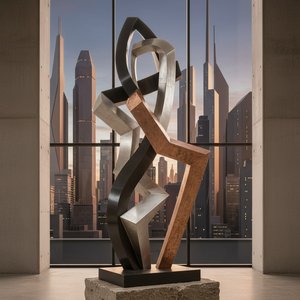
In the vast landscape of contemporary sculpture, few works command attention with such a profound sense of gravity and existential reflection as Do Ho Suh’s Karma. Created in 2011, this monumental piece serves as a breathtaking intersection between the physical and the metaphysical. At first glance, the viewer is met with an imposing metallic presence—a figure perched atop a soaring spire, seemingly suspended between the earth and the heavens. The sculpture, measuring an extraordinary 701 x 68 cm, possesses a structural complexity that invites the eye to wander through its intricate, interlocking metal components. It is not merely a shape in space, but a narrative of tension, balance, and the inescapable threads that connect individual lives to the larger cosmic order.
The technique employed in Karma reflects the artist's mastery over materiality. By utilizing metal to construct a figure that appears both fragile and indestructible, Suh creates a visual paradox. The way light interacts with the metallic surfaces suggests a shimmering, almost ethereal quality, despite the heavy medium. This interplay of light and shadow breathes life into the sculpture, making the static metal appear as though it is caught in a moment of perpetual motion or deep contemplation. For collectors and interior designers, this piece offers a sophisticated focal point; its structural elegance allows it to anchor a room with a sense of quiet strength and intellectual depth, making it an ideal centerpiece for galleries or high-end residential spaces seeking a touch of avant-garde prestige.
Symbolism and the Fabric of Memory
To understand Karma, one must delve into the philosophical heart of Do Ho Suh’s practice. The title itself evokes the ancient concept of cause and effect—the idea that every action leaves an indelible mark on the universe and on ourselves. The figure atop the pole acts as a totem for the human condition, representing the solitary yet interconnected nature of our existence. As a Korean artist who has navigated the complexities of displacement and cultural hybridity between Seoul and the West, Suh infusing his work with themes of memory and identity. The sculpture becomes a metaphor for the way we carry our histories, our cultures, and our past actions with us, much like the weight that defines the figure's posture.
There is an emotional resonance in Karma that transcends its metallic form. It evokes a sense of awe, yet it also prompts a deeply personal introspection. The viewer is invited to consider their own place within the grand architecture of time and consequence. For those looking to bring a piece of this profound dialogue into their own environment through a high-quality reproduction, Karma offers more than just aesthetic beauty; it provides a window into the soul of contemporary Korean art. It is a work that does not merely decorate a space but transforms it, turning a room into a sanctuary for thought and a testament to the enduring power of artistic vision.
Biografía del artista
La arquitectura de la memoria: Los mundos etéreos de Do Ho Suh
Do Ho Suh se erige como una figura fundamental en el arte contemporáneo coreano, reconocido mundialmente por una práctica escultórica que insufla vida a lo intangible. Nacido en 1962 en Seúl, Corea del Sur, su viaje artístico está profundamente arraigado en la tensión entre la presencia y la ausencia, entre las estructuras físicas que habitamos y los espacios psicológicos que llevamos con nosotros. Su obra trasciende la mera materialidad, actuando como una ambiciya exploración de la memoria, el desplazamiento, la identidad y la compleja interacción entre la cultura y el entorno. A través de sus manos, la pesada permanencia de la arquitectura se transforma en algo ingrávido, translúcido y de una belleza sobrecogedora.
La formación académica de Suh proporcionó la base técnica para sus posteriores avances conceptuales. Tras perfeccionar sus habilidades en la Universidad Nacional de Seúl, donde obtuvo títulos en pintura y escultura, fueron sus estudios posteriores en la Rhode Island School of Design (RISD) los que verdaderamente encendieron su espíritu experimental. Este periodo lo impulsó más allá de las convenciones escultóricas tradicionales, fomentando una fascinación por el arte de la instalación y su capacidad para involucrar a los espectadores en niveles viscerales e inmersivos. Su trayectoria académica culminó en la Universidad de Yale, donde obtuvo una Maestría en Bellas Artes en escultura en 1997, inculcándole una profunda comprensión de la maestría técnica combinada con un rigor conceptual profundo.
Umbrales translúcidos y el tejido de la identidad
La técnica distintiva que ha brindado a Do Ho Suh el reconocimiento internacional es su meticulosa reconstrucción de edificios e interiores domésticos utilizando tela translúcida. Estas instalaciones a gran escala —que a menudo recrean habitaciones específicas o casas enteras— sirven como algo más que meras maravillas estéticas; son reflexiones profundamente personales sobre la migración y la identidad cultural. Al envolver espacios arquitectónicos en textiles ligeros y permeables, Suh captura la esencia del "hogar" como un concepto portátil. Este método le permite confrontar las ansiedades que rodean la pérdida y la transformación, al tiempo que celebra la resiliencia de la experiencia humana.
Su obra funciona a menudo como un acto de memorialización. Para un artista que ha navegado el movimiento entre Seúl, Providence y New Haven, las estructuras de tela representan una forma de llevar su pasado consigo. Estos pabellones etéreos permiten a los espectadores caminar a través de paredes e habitar espacios que están simultáneamente presentes y ausentes, reflejando la manera en que los recuerdos parpadean en la mente. Los siguientes temas son centrales en su lenguaje escultórico:
- Desplazamiento y migración: La sensación de estar atrapado entre dos mundos, o el peso psicológico de abandonar la tierra natal.
- El concepto de hogar: Reimaginar la domesticidad no como una ubicación geográfica fija, sino como un recipiente espiritual y portátil.
- Identidad e hibridez: Explorar cómo las capas culturales se superponen y se fusionan cuando los individuos cruzan fronteras.
- Escala y percepción: El uso del contraste entre formas arquitectónicas monumentales y materiales delicados y ligeros para desafiar el sentido del espacio del espectador.
Un legado de experiencia inmersiva
La importancia histórica de Do Ho Suh reside en su capacidad para cerrar la brecha entre lo físico y lo metafísico. Sus instalaciones, como Hub, que presenta fascinantes pabellones inspirados en Seúl, o Bridging Home, London, que reimagina una casa coreana en una concurrida calle de Londres, demuestran su maestría en el arte de sitio específico. Él no se limita a colocar un objeto en una habitación; redefine la habitación misma. Incluso cuando trabaja con materiales más tradicionales, como la intrincada metalistería que se encuentra en su pieza Karma, los temas de interconexión y el profundo peso de la existencia permanecen siempre presentes.
A través de sus exposiciones globales, Suh ha influido en una generación de artistas interesados en la intersección entre la arquitectura y la psicología. Su obra sigue siendo un punto de referencia vital en el arte contemporáneo, recordándonos que, aunque los edificios puedan estar hechos de piedra y acero, nuestro verdadero sentido de pertenencia está tejido con los hilos delicados y translúcidos de la memoria y la emoción. Continúa viviendo y trabajando, dejando una huella indeleble en el panorama de la escultura moderna al demostrar que las estructuras más profundas son a menudo aquellas que no podemos tocar, sino solo sentir.

Do Ho Suh
1962 - , Corea del Sur
Datos clave
- Artistic Movement Or Style: Escultura textil e instalación artística
- Artists Who Influenced This Artist:
- Minimalismo
- Pintura Oriental
- Date Of Birth: 1962
- Full Name: Do Ho Suh
- Nationality: Coreano
- Notable Artworks:
- Hub
- Dokdo 2
- Place Of Birth: Seoul, South Korea
Artículos relacionados

Metal Art for Commercial Spaces: A Procurement Guide to Durable & Modern Large-Scale Decor Solutions
Expert procurement guide for hotel designers and managers. Discover durable, large-scale metal art solutions for commercial spaces. Learn about material selection, maintenance, and efficient bulk ordering for high-traffic hospitality and corporate interiors.

Forging Elegance: The Ultimate Guide to Metal Art as a Modern Masterpiece
Discover the profound elegance of metal art. Our expert guide explores how handcrafted metallic sculptures and industrial-grade ironwork serve as modern masterpieces for discerning collectors seeking to elevate their luxury interiors with strength and grace.

The Enduring Form: Exploring Themes & Techniques in Sculpture Across Historical Periods
Explore the rich history of sculpture from ancient masterpieces to contemporary innovations. Discover key techniques, influential artists & investment potential for discerning art collectors.
Forged in Fire: The Timeless Strength and Ethereal Beauty of Metal Art
Discover the enduring allure of metal art. Explore how masterfully forged sculptures blend industrial strength with organic elegance to create timeless investment pieces for sophisticated collectors and luxury interiors.

Esculturas de Bronce Legendarias: 10 Obras Maestras que Transformaron el Arte | OriginalUniqueArt
Descubre las 10 esculturas de bronce más legendarias que revolucionaron el arte. Explora la historia de Rodin, Degas y otros maestros del bronce. Encuentra reproducciones de alta calidad e inspiración para tu hogar en OriginalUniqueArt.com.