

 Vista previa
 Compartir
 Compartir
 Ver detalles
 Guía
Guía

 Descargar
 Ver artículos similares
 Radiografía
 Presentación de diapositivas
 Estadísticas
Young Man Singing
 Acrylic
- WallArt
- Dutch Baroque
 1622
1622 58.0 x 71.0 cm
 Städel Museum
 Leer más
Giclée / Impresión de arte
Impresiones giclée o en lienzo de calidad de museo con producción rápida y opciones de acabado flexibles. ( Encargar reproducción pintada a mano Ver versión en imagen digital)




P118B $10

P118H $10

P118W $10

P438Z $10

P508JH $12

P508YH $12

P805H $10

P805Z $10

P919BZ $10

P919G $10

P919XJ $10

P959ZH $10

P968JZ $12

W106C $8

W218G $10

W218JH $8

W218Y $10

W307PJ $10

W316G $10

W316PJ $8

W316Y $10

W398PJ $8

W4111J $10

W500HY $15

W500JH $15

W692G $12

W849H $8

W940BG $15

W953PJ $8




Elija entre nuestros tamaños predefinidos que respetan las proporciones originales de la obra.

Puede introducir sus propias dimensiones para adaptarse a un marco o espacio específico. Si el tamaño seleccionado no coincide con las proporciones de la imagen original, recortaremos la obra de arte o extenderemos la imagen con un borde con efecto espejo o de color sólido. Se enviará una maqueta digital para su aprobación antes de que comience la producción.
Tenga en cuenta que la vista previa en pantalla no refleja el recorte o la extensión real. Solo la maqueta mostrará con precisión la composición final.
Aunque existen tamaños personalizados, recomendamos seleccionar una dimensión de la lista predefinida para preservar las proporciones originales.
Envío a todo el mundo () en 2 semanas en lugar de las 4/5 semanas estándar. (26 septiembre)

Envío exprés gratuito a todo el mundo

Lienzo de lino de alta calidad

Seguro de envío completo

Garantía de reembolso de impuestos aduaneros

Garantía de fidelidad cromática exacta

Política de devolución de 100 días (solo por defectos)

Garantía de devolución del 100% del dinero

Oferta por volumen
 La opción de vidrio solo está disponible en tamaños inferiores a 110 cm.

Young Man Singing
Giclée / Impresión de arte
Tamaño de la reproducción
-


Precio total
$ 80
A Portrait Steeped in Emotion: Exploring Dirck van Baburen’s ‘Young Man Singing’
The painting “Young Man Singing,” executed by Dirck van Baburen in 1622, stands as a testament to the Utrecht School's embrace of Caravaggio’s revolutionary approach to Baroque art. More than just a depiction of an individual, it’s a carefully constructed tableau brimming with symbolic resonance and masterful execution—a piece that continues to captivate viewers centuries later.Subject Matter and Composition
At its core lies a portrait of a young man dressed in attire typical for the period – a hat adorned with feathers, indicative of social status and artistic aspiration – engaged in an activity that transcends mere observation: he sings or speaks intently into a book held firmly in his hand. This posture isn’t simply one of reading; it conveys a palpable sense of passion and vulnerability. The artist skillfully utilizes chiaroscuro—the dramatic interplay between light and shadow—to sculpt the man's form, emphasizing musculature and conveying an emotional depth rarely seen in portraits of this era. Two birds are subtly integrated into the composition – one perched near the upper left corner and another positioned at the lower right – adding visual interest and potentially symbolizing themes of freedom or contemplation.Style and Technique: Caravaggisti Influence
Van Baburen’s style is undeniably indebted to Caravaggio, whose dramatic use of tenebrismo—extreme contrasts between light and dark—created an illusionistic effect that heightened emotional impact. Like Caravaggio, van baburen employed a direct approach to painting, eschewing idealized beauty for realism infused with psychological insight. The artist meticulously rendered textures – the feathers on the hat, the folds of the man’s clothing – demonstrating considerable technical skill. Furthermore, he achieved remarkable depth and luminosity through careful layering of glazes, capturing the subtle nuances of skin tone and fabric texture.Historical Context: Utrecht's Artistic Renaissance
The painting emerged during a period of significant artistic flourishing in Utrecht—a city that had become a magnet for Caravaggisti artists seeking inspiration beyond Florence and Rome. This movement represented a decisive break from Mannerism, prioritizing naturalistic representation and conveying intense emotion. Van Baburen’s work reflects the broader cultural currents of the time, signaling an interest in humanist ideals and exploring the complexities of human experience. The Utrecht School championed a style characterized by dynamism and expressive intensity—a stylistic hallmark that distinguishes it from its predecessors.Symbolism and Emotional Impact
Beyond its technical brilliance, “Young Man Singing” resonates with profound symbolic significance. The book symbolizes knowledge and contemplation, while the singing gesture embodies passion and vulnerability – emotions central to Baroque art’s preoccupation with human psychology. The birds could represent aspiration or spiritual freedom, subtly enriching the narrative conveyed by the image. Ultimately, the painting evokes a feeling of intimacy and introspection, inviting viewers to contemplate the inner life of its subject and reflecting the broader artistic ethos of Utrecht during its golden age.Biografía del artista
La sombra y la luz: La vida de Dirck van Baburen
En los anales de la Edad de Oro holandesa, pocos nombres evocan el drama visceral de la sombra y la iluminación repentina como el de Dirck van Baburen. Nacido alrededor de 1595 en Wijk bij Duurstede, su vida fue un impacto meteórico, breve pero brillante, a través del lienzo de la historia del arte. Aunque sus años fueron trágicamente cortos, terminando en 1624, logró encender una revolución estilística que redefiniría la estética del norte de Europa. Como pilar central de la Escuela de Utrecht de los Caravaggistas, van Baburen no se limitaba a pintar escenas; él orquestaba momentos de profunda tensión, utilizando el crudo lenguaje del tenebrismo para sumergir a los espectadores en la realidad íntima y, a menudo, descarnada de sus sujetos.
Los cimientos de su maestría se forjaron en los estudios de Utrecht, bajo la tutela del respetado Paulus Moreelse. Sin embargo, la verdadera metamorfosis de su alma y su pincel ocurrió durante su transformadora peregrinación a Roma entre 1612 y 1615. Fue en las calles de la Ciudad Eterna, bañadas por el sol pero salpicadas de sombras, donde van Baburen encontró el espíritu revolucionario de Caravaggio. A través de su estrecha relación con Bartolomeo Manfredi, un devoto seguidor de los métodos de Caravaggio, el joven holandés absorbió los secretos del claroscuro: el arte de utilizar contrastes extremos entre la luz y la oscuridad para crear volumen y profundidad psicológica. Esta inmersión romana no fue meramente académica; fue un ascenso social y profesional, ya que consiguió encargos de patrocinadores prestigiosos como el cardenal Scipione Borghese, situándolo en el corazón mismo del movimiento barroco.
La génesis de los Caravaggistas de Utrecht
A su regreso a los Países Bajos, van Baburen no llegó como un simple estudiante, sino como una vanguardia. Junto a contemporáneos como Hendrick ter Brugghen y Gerard van Honthorst, lideró un movimiento que alteraría para siempre la trayectoria de la pintura holandesa. Este colectivo, conocido como los Caravaggistas de Utrecht, buscaba trasplantar la intensidad dramática del Barroco italiano al lenguaje local. Su obra se caracterizó por alejarse de los paisajes pulidos y serenos de sus predecesores, favoreciendo en su lugar:
- Escenas de género: Representaciones vívidas y a menudo bulliciosas de la vida cotidiana, incluyendo músicos, bebedores y campesinos, plasmados con un sentido de presencia sorprendente.
- Tenebrismo: El uso de sombras profundas e impenetrables que devoran el fondo, obligando al ojo del espectador a centrarse únicamente en las figuras iluminadas.
- Inmediatez emocional: Un enfoque en la condición humana, capturando expresiones fugaces de alegría, tristeza o quietud contemplativa.
Su destreza técnica le permitía manipular la luz como si fuera una sustancia física, tallando figuras de la oscuridad con una precisión que se sentía casi táctil. Ya fuera representando el fervor religioso o las humildes actividades de una taberna, su pincelada poseía una energía que cerraba la brecha entre la escala monumental del arte italiano y el enfoque íntimo y doméstico de la tradición holandesa.
Legado y trascendencia histórica
El impacto de Dirck van Baburen se extiende mucho más allá de las fronteras de Utrecht. Aunque su carrera se vio truncada en sus treinta años, las ondas de su innovación viajaron a través de las décadas, influyendo en el desarrollo del Barroco holandés e incluso proporcionando un precursor estilístico para las obras de Rembrandt van Rijn. La forma en que Rembrandt manipularía más tarde la luz para evocar verdades psicológicas profundas debe una deuda significativa al trabajo de base establecido por los maestros de Utrecht.
Hoy en día, van Baburen es recordado no solo como un seguidor de un maestro italiano, sino como un arquitecto de un nuevo lenguaje visual. Transformó el lienzo en un escenario donde la luz y la sombra interpretan un drama perpetuo, asegurando que su nombre permanezca grabado en la historia del arte como un maestro de lo profundo, lo dramático y lo profundamente humano. Su capacidad para encontrar lo extraordinario dentro de lo ordinario continúa cautivando tanto a estudiosos como a amantes del arte, sirviendo como testimonio del poder perdurable del espíritu caravaggista.

Dirck Van Baburen
1595 - 1624 , Países Bajos
Datos clave
- Artistic Movement Or Style: Escuela caravaggista; Tenebrismo
- Artists Or Movements Influenced By This Artist: ['Rembrandt van Riijn']
- Artists Who Influenced This Artist:
- Paulus Moreelse
- Bartolomeo Manfredi
- Date Of Birth: Utrecht, Netherlands (1595)
- Date Of Death: 1624
- Full Name: Dirck Jaspersz. van Baburen
- Nationality: Holandés
- Notable Artworks:
- La Procuresa
- El descenso al limbo
- Place Of Birth: Wijk bij Duurstede
Artículos relacionados

Reflejos de una Época Dorada: La Pintura Barroca Holandesa y la Innovación Cultural
Descubra la riqueza y el detalle de la pintura barroca holandesa del Siglo de Oro. Explore las obras maestras de Rembrandt, Vermeer y otros artistas clave. Análisis experto e historia cultural.

Barroco Sublime: 10 Obras Maestras que Definieron una Época |
Descubre las 10 obras maestras del Barroco que marcaron una época. Caravaggio, Bernini y Velázquez cobran vida en . Reproducciones de arte de calidad museo para decorar tu hogar con elegancia. ¡Explora la colección online!

Golden Light & Dutch Skies: The Timeless Magic of Dutch Golden Age Landscapes
Discover the breathtaking beauty of Dutch Golden Age landscapes. Explore the mastery of light, chiaroscuro, and 17th-century realism through an expert art history lens, celebrating the enduring legacy of the Dutch Masters for discerning collectors and art lovers.
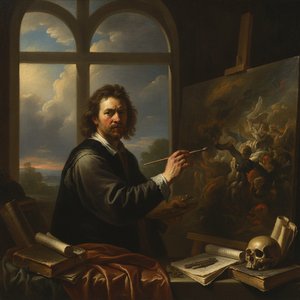
Dutch Baroque Unlocked: Mastering Chiaroscuro, Epic Drama, and the High-Impact Legacy of Rembrandt
Explore the dramatic power of Dutch Baroque art. Master the secrets of Rembrandt’s chiaroscuro, discover the epic scale of the Golden Age, and learn how to bring high-impact, hand-painted historical masterpieces into your modern collection with expert precision.

Los 10 Maestros del Barroco Holandés: Obras que Definen una Época | OriginalUniqueArt
Descubre los 10 imprescindibles del Barroco holandés: Rembrandt, Vermeer y más. Explora la historia, técnica y belleza de estas obras maestras. Reproducciones de arte en OriginalUniqueArt.com para decorar tu hogar con elegancia.