

 Ver en contexto
 Enviar
 Compartir
 Detalles

 Descargar
 Similares
 Radiografía
 Presentación de diapositivas
Ofrenda II
 Acrylic On Canvas
- WallArt
- Mexican Mural Movement
 1954
1954 37.0 x 26.0 cm
 Museo Dolores Olmedo
 Ver más
Giclée / Impresión de arte
Impresiones giclée o en lienzo de calidad de museo con producción rápida y opciones de acabado flexibles. ( Comprar pintura hecha a mano Comprar imagen)




P118B $10

P118H $10

P118W $10

P438Z $10

P508JH $12

P508YH $12

P805H $10

P805Z $10

P919BZ $10

P919G $10

P919XJ $10

P959ZH $10

P968JZ $12

W106C $8

W218G $10

W218JH $8

W218Y $10

W307PJ $10

W316G $10

W316PJ $8

W316Y $10

W398PJ $8

W4111J $10

W500HY $15

W500JH $15

W692G $12

W849H $8

W940BG $15

W953PJ $8




Elija entre nuestros tamaños predefinidos que respetan las proporciones originales de la obra.

Puede introducir sus propias dimensiones para adaptarse a un marco o espacio específico. Si el tamaño seleccionado no coincide con las proporciones de la imagen original, recortaremos la obra de arte o extenderemos la imagen con un borde con efecto espejo o de color sólido. Se enviará una maqueta digital para su aprobación antes de que comience la producción.
Tenga en cuenta que la vista previa en pantalla no refleja el recorte o la extensión real. Solo la maqueta mostrará con precisión la composición final.
Aunque existen tamaños personalizados, recomendamos seleccionar una dimensión de la lista predefinida para preservar las proporciones originales.
Envío a todo el mundo () en 2 semanas en lugar de las 4/5 semanas estándar. (4 septiembre)

Envío exprés gratuito a todo el mundo

Lienzo de lino de alta calidad

Seguro de envío total

Garantía de reembolso de impuestos aduaneros

Garantía de fidelidad cromática exacta

Política de devolución de 60 días (solo por defectos)

Garantía de devolución del 100% del dinero

Descuento por cantidad
 La opción de vidrio solo está disponible en tamaños inferiores a 110 cm.

Ofrenda II
Giclée / Impresión de arte
Dimensiones de la reproducción
-


Precio total final
$ 80
Ofrenda II: A Tapestry of Remembrance – Diego Rivera’s Echoes of Tradition
Diego Rivera's “Ofrenda II,” painted in 1954, is more than just a depiction of the Day of the Dead; it’s a vibrant portal into the heart of Mexican cultural heritage. This striking black and white drawing captures a pivotal ritual – the elaborate preparations for honoring deceased loved ones on November 1st and 2nd – revealing a complex interplay of symbolism, artistic technique, and deeply rooted traditions. The scene unfolds within a modestly furnished room, dominated by a table laden with offerings, meticulously arranged upon a bed of crimson sawdust. This foundational element immediately establishes the artwork’s connection to ancient indigenous practices, where sawdust served as a sacred ground for honoring ancestors. The composition is anchored by two women engaged in a quiet, intimate exchange. Their postures and expressions suggest a shared reverence and perhaps even a moment of solace. While their identities remain ambiguous, they embody the spirit of community and familial bonds central to the Day of the Dead celebrations. Notice how Rivera masterfully uses light and shadow to draw attention to specific elements – the vibrant colors of the sugar skulls, the glistening fruits, and the carefully positioned candles. These aren’t merely decorative; they represent sustenance for the souls returning from the afterlife, a tangible expression of love and remembrance. The inclusion of a book and a vase adds a layer of domesticity, grounding the scene in everyday life while simultaneously elevating it to a sacred ritual.The Roots of Ritual: Pre-Hispanic Influences and Colonial Synthesis
“Ofrenda II” is deeply rooted in Mexico’s pre-Columbian past. The tradition of honoring the dead predates European colonization, with indigenous cultures constructing elaborate offerings to appease and nourish departed spirits. Rivera, keenly aware of this heritage, deliberately incorporated these ancient practices into his work. However, the painting isn't simply a nostalgic reproduction; it reflects a synthesis of traditions – a blending of pre-Hispanic symbolism with elements introduced during the colonial period. The use of purple, pink, or orange sawdust, for instance, is a direct continuation of indigenous customs, while the inclusion of items like sugar skulls and elaborate floral arrangements speaks to the influence of Catholic iconography prevalent in post-colonial Mexico. This careful juxtaposition highlights the dynamic evolution of Mexican identity – a testament to resilience and cultural adaptation.Rivera’s Technique: A Masterclass in Composition and Detail
Rivera's distinctive style is immediately recognizable in “Ofrenda II.” He employs a meticulous, almost photographic realism, capturing every detail with remarkable precision. The textures of the fruits, the folds of the fabric, and the intricate patterns on the sugar skulls are rendered with astonishing clarity. This attention to detail isn’t merely aesthetic; it serves to emphasize the sacredness of the ritual. Rivera's use of black and white further enhances this effect, creating a stark contrast that draws the viewer's eye to the central elements of the composition. The careful arrangement of objects – each chosen for its symbolic significance – demonstrates Rivera’s deep understanding of Mexican culture and his ability to translate complex traditions into a visually compelling narrative.Symbolism and Emotional Resonance: A Celebration of Life and Remembrance
Beyond its technical brilliance, “Ofrenda II” resonates with profound emotional depth. The painting is not simply about death; it’s about life – the enduring bonds between generations, the importance of memory, and the celebration of those who have passed on. The act of creating an offering is a powerful affirmation of love and connection, a way to keep the spirits of ancestors alive in the hearts and minds of the living. The quiet intimacy between the two women suggests a shared grief tempered by acceptance and gratitude. “Ofrenda II” invites us to contemplate our own relationships with those who have shaped our lives and to honor their memory through acts of remembrance and celebration. It’s a poignant reminder that death is not an ending, but rather a transition – a continuation of the cycle of life and love.This artwork is available as a high-quality reproduction by OriginalUniqueArt.
Biografía del artista
Vida Temprana y Formación Artística
- Nacido: 8 de diciembre de 1886, Guanajuato, México
- Fallecido: 24 de noviembre de 1957
- La trayectoria artística de Diego Rivera comenzó temprano; mostró interés por el arte desde la edad de tres años.
- Estudió en la Academia de San Carlos en Ciudad de México.
- Teodoro A. dehesa Méndez patrocinó sus estudios en Europa, comenzando en 1907.
- Inicialmente estudió con Eduardo Chicharro en Madrid, España.
- Se trasladó a París, Francia, convirtiéndose en parte de la comunidad artística del Montparnasse.
Influencias Europeas y Desarrollo Artístico
- Su obra europea temprana estuvo influenciada por el Realismo.
- La exposición al Cubismo impactó significativamente su estilo después de 1912.
- Influenciado por artistas como Pablo Picasso y Georges Seurat.
- Sus pinturas durante este período comenzaron a incorporar formas geométricas y planos que se cruzan, reflejando el movimiento cubista.
Regreso a México y el Movimiento Muralista Mexicano
- Rivera regresó a México en 1921, un momento crucial en su carrera.
- Se convirtió en una figura líder del Movimiento Muralista Mexicano, con el objetivo de crear arte público accesible para todos.
- Sus murales a menudo representaban escenas de la historia y los temas sociales mexicanos.
- Obras tempranas notables incluyen "Creación" (1922) y murales en la Secretaría de Educación Pública en Ciudad de México.
Obras Principales y Estilo Artístico
- Creación (1922): Su primer mural significativo, utilizando la técnica del encáustico.
- Sueños de un Domingo en la Alameda: Controvertido por su representación del ateísmo.
- Murales de la Secretaría de Educación Pública: Mostró su estilo único con figuras grandes y simplificadas y colores audaces influenciados por el arte azteca.
- Murales de la Industria de Detroit (1933): Encargado para el Instituto de Artes de Detroit, representando procesos industriales y trabajadores.
- Estilo de Rivera: Se caracteriza por una escala monumental, formas simplificadas, colores vibrantes y un enfoque en narrativas sociales e históricas. Incorporó elementos del arte folclórico mexicano y la estética precolombina en su obra.
Legado y Significado Histórico
- Diego Rivera es considerado uno de los artistas más importantes del siglo XX.
- Sus murales son ejemplos significativos del realismo social y el arte público.
- Jugó un papel crucial en el establecimiento del Muralismo Mexicano como un movimiento artístico influyente.
- Su obra refleja sus creencias políticas, particularmente sus puntos de vista marxistas.
- Su vida personal, incluido su matrimonio con Frida Kahlo, ha contribuido a su perdurable fama y significado cultural.

Diego Rivera
1886 - 1957 , México
Datos clave
- Artistas Que Influyeron:
- El Greco
- Francisco Goya
- Diego Velázquez
- Pablo Picasso
- Fecha De Fallecimiento: 24 de noviembre de 1957
- Fecha De Nacimiento: 8 de diciembre de 1886
- Lugar De Nacimiento: Guanajuato, México
- Movimiento Artístico: Muralismo Mexicano
- Nacionalidad: Mexicano
- Nombre Completo: Diego Rivera
- Obras Notables:
- Creación (1922)
- Sueño de una tarde dominical
- Detroit Industry Murals
Artículos relacionados
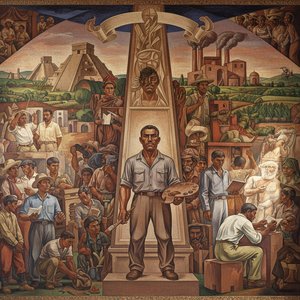
Diego Rivera: A Revolutionary Vision of Mexican Identity Through Muralism
Explore the revolutionary murals of Diego Rivera and his profound impact on Mexican art & identity. Discover his techniques, iconic works like 'Man at the Crossroads,' and lasting legacy with OriginalUniqueArt.
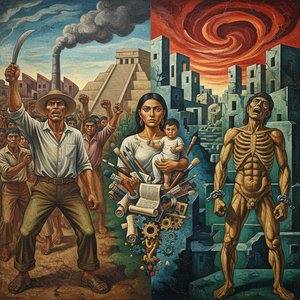
Revolution on Canvas: Exploring the Socio-Political Power & Artistic Legacy of Mexican Muralism
Explore the powerful world of Mexican muralism! Discover Diego Rivera, Frida Kahlo & Orozco's revolutionary art, social impact & lasting legacy. Expert insights & high-quality reproductions at OriginalUniqueArt.
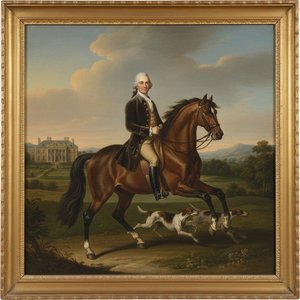
John Francis Sartorius II: Equestrian Elegance & the Rise of British Portraiture
Explore the captivating world of Francis Sartorius II (1734-1804), a leading British painter renowned for his exquisite equestrian portraits and hunting scenes. Discover his life, techniques & enduring legacy.
Timeless Valentine's Day Gifts: A Procurement Guide to Premium Hand-Painted Art Reproductions
Discover premium hand-painted art reproductions for unforgettable Valentine's Day gifts. From custom oil portraits to museum-quality classics, we provide professional procurement solutions with global shipping, bulk ordering, and guaranteed excellence for collectors and professionals.

Roy Lichtenstein: Las 25 Obras Maestras del Pop Art que Transformaron el Arte y la Decoración
Descubre las 25 obras maestras de Roy Lichtenstein, ícono del Pop Art. Explora su innovadora técnica, colores vibrantes y el impacto cultural de sus cuadros más famosos. Reproducciones de arte exclusivas en OriginalUniqueArt.com.




![Seated Nude with Raised Arms [Desnudo sentado con brazos levantados (Frida Kahlo)]](/media/artworks/images-thumb/64/7a/647aa47374e4603dc3a49d246d953b33.jpg)



