
 Vista previa
 Compartir
 Compartir
 Ver detalles

 Descargar
 Ver similares
 Radiografía
 Presentación de diapositivas
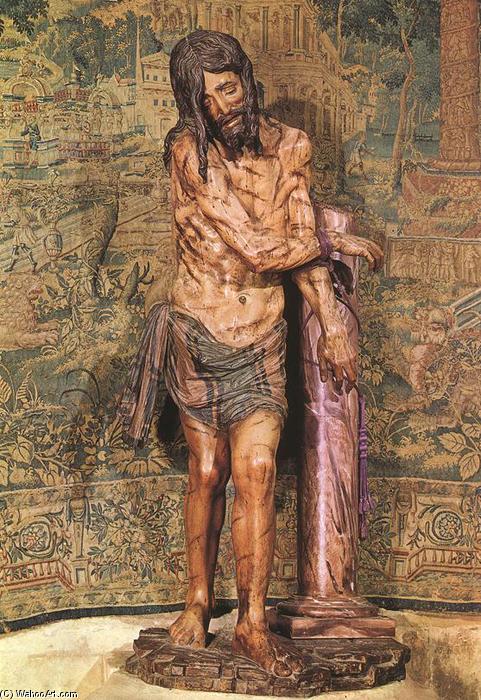
Christ at the Column


 Leer más
Adquiera una imagen digital de alta resolución y optimizada, muy superior a la vista previa en línea.
Cada archivo es preparado meticulosamente por nuestros especialistas internos mediante el uso de herramientas avanzadas y un experto retoque manual. Nos aseguramos de que cada imagen posea una claridad excepcional, una precisión cromática impecable y un detalle minucioso.
El archivo final se entrega por correo electrónico en un plazo de 72 horas, optimizado para su uso inmediato en entornos profesionales, editoriales y de impresión. Esta es la misma calidad en la que confían los estudios de diseño, las editoriales y las galerías de primer nivel.
Imagen Digital
Descarga un archivo de alta resolución para exhibición personal, impresión y proyectos creativos. ( Pedir impresión Encargar reproducción pintada a mano)
Incluido en cada compra de imágenes digitales
Entrega digital experta, garantizada.
Al elegir OriginalUniqueArt.com, no solo está adquiriendo una imagen; está recibiendo una obra de arte digital mejorada profesionalmente, elaborada con precisión y respaldada por una garantía de satisfacción. Esto es todo lo que incluye su pedido, automáticamente:

Entrega rápida por email
Recibirá su archivo de imagen digital en alta resolución por correo electrónico en un plazo de 72 horas tras realizar su pedido, listo para su uso inmediato.

Archivo digital optimizado por IA
Su obra de arte se optimiza profesionalmente mediante herramientas avanzadas de IA y edición manual, garantizando el máximo detalle, claridad y precisión cromática.

Reenvío gratuito de por vida
¿Has borrado o perdido tu archivo por error? No te preocupes: te lo volveremos a enviar en cualquier momento, sin coste adicional.

Sin gastos de importación, siempre
Disfrute de su obra de arte al instante sin aduanas, aranceles ni gastos de envío; las descargas digitales siempre están libres de impuestos.

Garantía de precisión de color
Garantizamos que su imagen digital refleje los colores originales con la mayor fidelidad posible, mediante el uso de herramientas profesionales y gestión del color.

Garantía de satisfacción de 60 días
Si no está satisfecho con su imagen digital, la revisaremos o le reembolsaremos el 100% en un plazo de 60 días, sin preguntas.

100% Garantía de devolución de dinero
¿No está satisfecho? Obtenga un reembolso completo dentro de los 60 días posteriores a la recepción de su archivo digital, sin necesidad de explicaciones.

Descuentos por volumen
Compra 3 imágenes, ahorra 10% - Compra 5, ahorra 15% - Compra 10+, ahorra 20%. Ideal para proyectos creativos, galerías y agencias.
Biografía del artista
Diego de Siloe: Pioneer of Granadan Sculpture and Renaissance Architecture
Diego de Siloe (c. 1495–1563) stands as a pivotal figure in the artistic landscape of Spain during the Renaissance, recognized primarily for his groundbreaking contributions to sculpture and architecture—particularly his role as the progenitor of the Granadan school of sculpture and his masterful designs for Granada Cathedral and the Monastery of Saint Jerome. Born in Burgos around 1495, he was likely the son of Gil de Siloé, a prominent gothic sculptor who had already established himself in Flanders. This familial connection to Gothic tradition profoundly shaped Siloe’s artistic sensibilities, fostering a synthesis between European influences that would define his oeuvre.Early Career and Burgundian Influence
Siloe's initial artistic training occurred in Burgos, where he honed his sculptural skills under the tutelage of his father. His formative years coincided with the burgeoning Renaissance fervor sweeping across Europe, notably fueled by visits to Naples around 1517 where he encountered the stylistic innovations championed by Donato Bramante and Filippo Brunelleschi—architects who were reshaping Roman grandeur into a new humanist ideal. This exposure instilled in Siloe an appreciation for classical proportions and architectural principles that would subsequently permeate his projects. The monumental staircase of Burgos Cathedral, completed in 1519, exemplifies this fusion of Gothic and Renaissance styles. Its soaring structure, adorned with intricate carvings depicting cherubs, coats of arms, and vegetal ornamentation, represents a bold departure from traditional cathedral design while retaining the solemn grandeur characteristic of gothic architecture. Siloe skillfully navigated the challenges posed by the cathedral’s location on the city's northern flank, creating a space that defied conventional limitations through innovative structural solutions—a testament to his ingenuity and understanding of engineering principles.The Granada Cathedral Project: A Monumental Achievement
Siloe’s most ambitious undertaking was undoubtedly the transformation of Granada Cathedral into one of Spain’s foremost emblems of the Renaissance. Beginning in 1528 and continuing until his death in 1563, he oversaw the construction of this monumental edifice—a project that cemented Granadan architecture as a distinct artistic tradition. Drawing inspiration from Brunelleschi's dome at Florence Cathedral and employing techniques reminiscent of Roman engineering, Siloe achieved an unprecedented feat: constructing a massive vaulted space without scaffolding. This accomplishment underscored his mastery of architectural innovation and demonstrated the transformative potential of humanist vision. The cathedral’s elevations are imbued with references to classical architectural forms—columns adorned with Corinthian capitals, arches mirroring Roman triumphal monuments—reflecting Siloe’s unwavering commitment to humanist ideals. Furthermore, he skillfully integrated elements of Mudéjar ornamentation—the artistic traditions of Muslim Spain—creating a harmonious blend of styles that underscored Granada's multicultural heritage and celebrated the legacy of convivencia (coexistence).Sculptural Virtuosity: The Burgos Plateresque Legacy
Beyond his architectural endeavors, Siloe produced an impressive body of sculptural works characterized by exceptional craftsmanship and stylistic sophistication. His sculptures frequently depict religious subjects with meticulous detail and expressive dynamism, reflecting the humanist preoccupation with human emotion and spirituality prevalent during the Renaissance. Notable pieces include “Christ at the Column,” a poignant portrayal of Christ’s suffering embodying Christian iconography—a masterful depiction demonstrating Siloe's profound understanding of anatomy and emotional nuance—and “Virgin and Child,” showcasing his mastery of anatomical accuracy and emotive rendering. His sculptures are considered the apex of Burgos Plateresque style—a regional artistic movement distinguished by its opulent decoration and refined sculptural technique, reflecting the grandeur and sophistication of the era.Historical Significance and Enduring Influence
Diego de Siloe’s contribution to Spanish art transcends mere stylistic innovation; he fundamentally reshaped the artistic landscape of his time, establishing Granadan Cathedral as a cornerstone of Renaissance architecture in Spain and solidifying his position as the founder of the Granadan school of sculpture. His work stands as a testament to the transformative power of cultural exchange—the blending of Gothic heritage with Italian humanist ideals—and continues to inspire admiration for its beauty and intellectual depth. He remains an artist whose influence reverberates through centuries, securing his place among Spain’s most celebrated Renaissance masters—a figure remembered not only for his architectural achievements but also for his unwavering dedication to artistic excellence and his enduring legacy as a pioneer of Granadan sculpture and Renaissance architecture.
Diego De Siloé
1495 - 1563 , España
Datos clave
- Artistic Movement Or Style: Plateresque
- Artists Or Movements Influenced By This Artist: ['Filippo Brunelleschi']
- Artists Who Influenced This Artist: ['Gil de Siloé']
- Date Of Birth: ca. 1495
- Date Of Death: 1563
- Full Name: Diego de Siloe
- Nationality: Español
- Notable Artworks:
- Escalinata Catedral Burgos
- Catedral Granada
- Place Of Birth: Burgos, España

