

 Vista previa
 Compartir
 Compartir
 Ver detalles
 Guía
Guía

 Descargar
 Ver artículos similares
 Radiografía
 Presentación de diapositivas
 Estadísticas
Delâ’ilü’l-Hayrât
 Manuscript
- Islamic Calligraphy
 1756
1756- Early Modern
 15.0 x 9.0 cm
 Museo de la Señora Sadberk
 Leer más
Giclée / Impresión de arte
Impresiones giclée o en lienzo de calidad de museo con producción rápida y opciones de acabado flexibles. ( Encargar reproducción pintada a mano Ver versión en imagen digital)




P118B $10

P118H $10

P118W $10

P438Z $10

P508JH $12

P508YH $12

P805H $10

P805Z $10

P919BZ $10

P919G $10

P919XJ $10

P959ZH $10

P968JZ $12

W106C $8

W218G $10

W218JH $8

W218Y $10

W307PJ $10

W316G $10

W316PJ $8

W316Y $10

W398PJ $8

W4111J $10

W500HY $15

W500JH $15

W692G $12

W849H $8

W940BG $15

W953PJ $8




Elija entre nuestros tamaños predefinidos que respetan las proporciones originales de la obra.

Puede introducir sus propias dimensiones para adaptarse a un marco o espacio específico. Si el tamaño seleccionado no coincide con las proporciones de la imagen original, recortaremos la obra de arte o extenderemos la imagen con un borde con efecto espejo o de color sólido. Se enviará una maqueta digital para su aprobación antes de que comience la producción.
Tenga en cuenta que la vista previa en pantalla no refleja el recorte o la extensión real. Solo la maqueta mostrará con precisión la composición final.
Aunque existen tamaños personalizados, recomendamos seleccionar una dimensión de la lista predefinida para preservar las proporciones originales.
Envío a todo el mundo () en 2 semanas en lugar de las 4/5 semanas estándar. (25 septiembre)

Envío exprés gratuito a todo el mundo

Lienzo de lino de alta calidad

Seguro de envío completo

Garantía de reembolso de impuestos aduaneros

Garantía de fidelidad cromática exacta

Política de devolución de 100 días (solo por defectos)

Garantía de devolución del 100% del dinero

Oferta por volumen
 La opción de vidrio solo está disponible en tamaños inferiores a 110 cm.

Delâ’ilü’l-Hayrât
Giclée / Impresión de arte
Tamaño de la reproducción
-


Precio total
$ 80
A Symphony of Devotion and Petals
In the delicate intersection of spiritual devotion and botanical grace lies the Delâ’ilü’l-Hayrât, a breathtaking masterpiece of Ottoman illumination. Created by the master calligrapher Derviş Ali Talibzade, this manuscript serves as more than just a religious text; it is a visual prayer where the earthly beauty of nature meets the divine essence of the sacred. The pages unfold to reveal an exquisite arrangement of pink roses and tender buds, nestled within frames of shimmering gold and rich cherry hues. Each petal seems to breathe with life, meticulously rendered to capture the ephemeral softness of a garden in bloom, inviting the viewer into a meditative state of wonder.
The artistry of Talibzade is defined by an unparalleled precision that bridges the gap between text and ornament. Within the heart of these vibrant rose blossoms, the artist has inscribed the hilyes—the physical descriptions of the Prophet Muhammad and the four Rightly Guided Caliphs—using the elegant and disciplined naskh script. This technique creates a profound dialogue between the written word and the visual symbol. The way the calligraphy is cradled by the floral motifs suggests a protective, nurturing sanctity, as if the very blossoms are guarding the sacred names they hold within their centers.
Symbolism and the Sufi Soul
To understand this work is to understand the profound symbolism embedded in every stroke of the brush. For the Kadiri Sufi order, the rose is not merely a flower but a potent emblem of spiritual perfection and divine love. By placing the hilyes of Muhammad, Ebubekir, Ömer, Osman, and Ali amidst these floral displays, Talibzade elevates the manuscript from a mere historical document to a cosmic map of devotion. The choice of pink and green—colors representing both vitality and growth—complements the gold leafing, creating a sense of celestial light that radiates from the page.
This manuscript represents a rare moment in Islamic art history where the botanical and the biographical converge so seamlessly. It is uncommon to find such specific hilyes integrated into rose imagery, making this particular execution a jewel of the Sadberk Hanım Museum collection. For the collector or the lover of fine arts, this piece offers an emotional resonance that transcends time; it evokes a sense of peace, a quietude found only in the presence of profound beauty and historical depth.
An Inspiration for the Modern Collector
For interior designers and connoisseurs of fine decor, the Delâ’ilü’l-Hayrât offers a timeless aesthetic that can transform any space into a sanctuary of culture. The soft palette of rose pink, accented by deep cherry and luminous gold, provides a sophisticated focal point that complements both classical and contemporary settings. A high-quality reproduction of this work allows the intricate details of Talibzade’s 18th-century mastery to be appreciated in a modern context, bringing a touch of historical grandeur and spiritual serenity to a curated collection.
Owning or displaying an homage to such a significant piece of calligraphic history is an invitation to contemplate the harmony of line and color. It serves as a reminder that art, at its highest level, is a bridge between the tangible world we touch and the intangible beauty we feel. Whether as a centerpiece in a study or a subtle accent in a refined living space, this work continues to inspire awe through its delicate balance of botanical elegance and sacred tradition.
Biografía del artista
Derviş Ali Talibzade: Un Maestro de la Caligrafía Sufí Otomana
Derviş Ali Talibzade (d. 1673) ocupa un lugar destacado en la historia del arte islámico y la caligrafía, particularmente dentro del Imperio Otomano. Nacido en Bagdad durante un período de intercambio cultural significativo entre Persia e Islam, su trayectoria vital ejemplifica dedicación a la excelencia artística y los estudios académicos – testimonio del legado perdurable de la tradición sufí. Su viaje comenzó como esclavo confiado al cuidado de Kara Hasan-oglu Huseyn Aga, oficial janissary, fomentando una temprana exposición a la educación formal y moldeando su visión del mundo. Esta experiencia formativa impulsó su dominio del arte de la caligrafía bajo Halid Erzurumi, estableciendo una fundación para su distinguida carrera.- Primer Entrenamiento y Aprendizaje: La formación de Talibzade con Erzurumi perfeccionó sus habilidades técnicas e inculcó en él los principios de la caligrafía otomana – caracterizada por trazos precisos, proporciones elegantes y meticulosa atención al detalle. Este riguroso entrenamiento aseguró que se convirtiera en un apoyo fundamental para el desarrollo artístico otomano.
- Servicio en la Biblioteca Köprülü: Su nombramiento para la Biblioteca Köprülü marcó un punto de inflexión en su vida, colocándolo entre un ambiente intelectual vibrante donde asesoró a numerosos aspirantes a calígrafos, incluido Fazıl Ahmed Pasha y Mustafa Eyyubi. Este papel consolidó su reputación como artesano maestro y difundió los valores estéticos de la caligrafía sufí.
Estilo Artístico y Técnica: La Esencia de la Caligrafía Sufí
El estilo artístico de Talibzade trascendió simplemente la eficiencia técnica; lo encarnó el espíritu de la filosofía sufí. Dominaba hábilmente la caligrafía islámica tradicional con representaciones simbólicas que reflejan conceptos místicos – una característica distintiva del arte otomano durante su época. Más allá de la caligrafía, destacó en iluminación manuscrita y encuadernación de libros, demostrando un enfoque holístico para la creación artística. Su obra frecuentemente incorporaba patrones geométricos y motivos florales imbuidos de significado espiritual, reflejando la búsqueda de conocimiento divino y contemplación centrales al pensamiento sufí. La ejecución meticulosa de cada pieza subrayó la importancia de la precisión y la belleza como caminos hacia la iluminación.- Obra Notable: Entre sus logros más celebrados se encuentra “Delâ’ilü’l-Hayrât”, alojada en el Museo Sadberk Hanım de Estambul, protegiendo manuscritos invaluables y preservando el contexto cultural de su tiempo. Los visitantes pueden examinar de primera mano ejemplos de su caligrafía e iluminación – una conexión tangible con la tradición artística otomana y la espiritualidad sufí.
- Influencia y Legado: La influencia de Derviş Ali Talibzade trascendió su propio tiempo contemporáneo. Su estilo distintivo inspiró generaciones posteriores de calígrafos y artistas, asegurando su lugar como figura seminal en el patrimonio artístico otomano. El sitio web OriginalUniqueArt.com exhibe reproducciones de sus obras maestras, permitiendo que los espectadores aprecien la belleza perdurable e intelectual profunda de sus creaciones.
El Museo Sadberk Hanım: Preservando Su Legado Artístico
El Museo Sadberk Hanım en Estambul sirve como repositorio esencial para la obra artística de Talibzade, protegiendo manuscritos invaluables y asegurando que su legado continúe inspirando el aprecio por la historia del arte islámico. Los visitantes pueden examinar de primera mano ejemplos de su caligrafía e iluminación – una conexión tangible con la tradición artística otomana y la espiritualidad sufí. El compromiso del museo con la investigación académica garantiza que las contribuciones de Talibzade continúen inspirando el interés por este importante artista.
Derviş Ali Talibzade
1673 , Iraq
Datos clave
- Artistic Movement Or Style: Sufi Calligraphy
- Artists Or Movements Influenced By This Artist: ['Islamic Art']
- Artists Who Influenced This Artist: ['Halid Erzurumi']
- Date Of Death: 1673
- Full Name: Derviş Ali Talibzade
- Nationality: Ottoman
- Notable Artworks: ['Delâ’ilü’l-Hayrât']
- Place Of Birth: Baghdad, Irak
Artículos relacionados
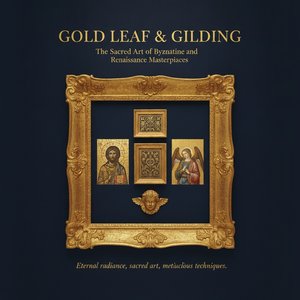
The Sacred Glow: Mastering Gold Leaf and Gilding in Byzantine Art
Explore the divine mastery of Byzantine gold leaf and gilding. Discover how ancient artisans used gold ground and mosaics to create celestial light, a timeless legacy of spiritual splendor and technical excellence in sacred art history.
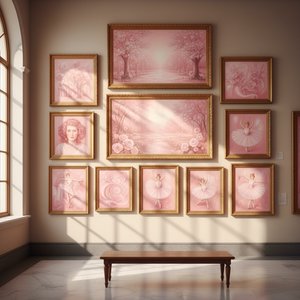
Los 10 Cuadros Más Famosos en Tonos Rosa Pastel: Arte y Decoración
Descubre los 10 cuadros más icónicos en tonos rosa pastel. Explora la historia de Monet, Renoir y otros maestros del impresionismo y el arte moderno. Encuentra reproducciones de alta calidad para decorar tu hogar con .
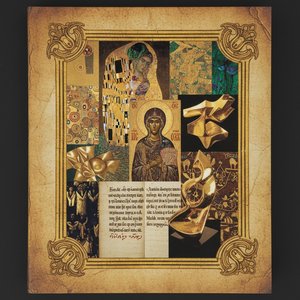
The Allure of Gold in Art History: Symbolism, Technique & Cultural Significance
Explore the rich history of gold in art! Discover symbolism, techniques & cultural significance from ancient civilizations to Klimt's masterpieces. Expert insights for collectors at OriginalUniqueArt.

Golden Glow: How to Use Metallic Gold Artworks to Elevate Your Home Decor with Timeless Luxury
Discover how to elevate your home with the timeless elegance of metallic gold artworks. From sculptural metal pieces to gilded oil paintings, learn expert interior design tips for integrating luxurious gold accents into your space with sophistication and grace.
Golden Splendor: An Editorial Journey Through Art's Most Radiant Masterpieces
Embark on a visual journey through the world's most radiant masterpieces. Discover how gold leaf, impasto textures, and gilded tones define luxury in fine art, from Byzantine icons to modern abstracts. Explore the eternal allure of gold in curated, museum-quality art collections.