
 Vista previa
 Compartir
 Compartir
 Ver detalles

 Descargar
 Ver similares
 Radiografía
 Presentación de diapositivas
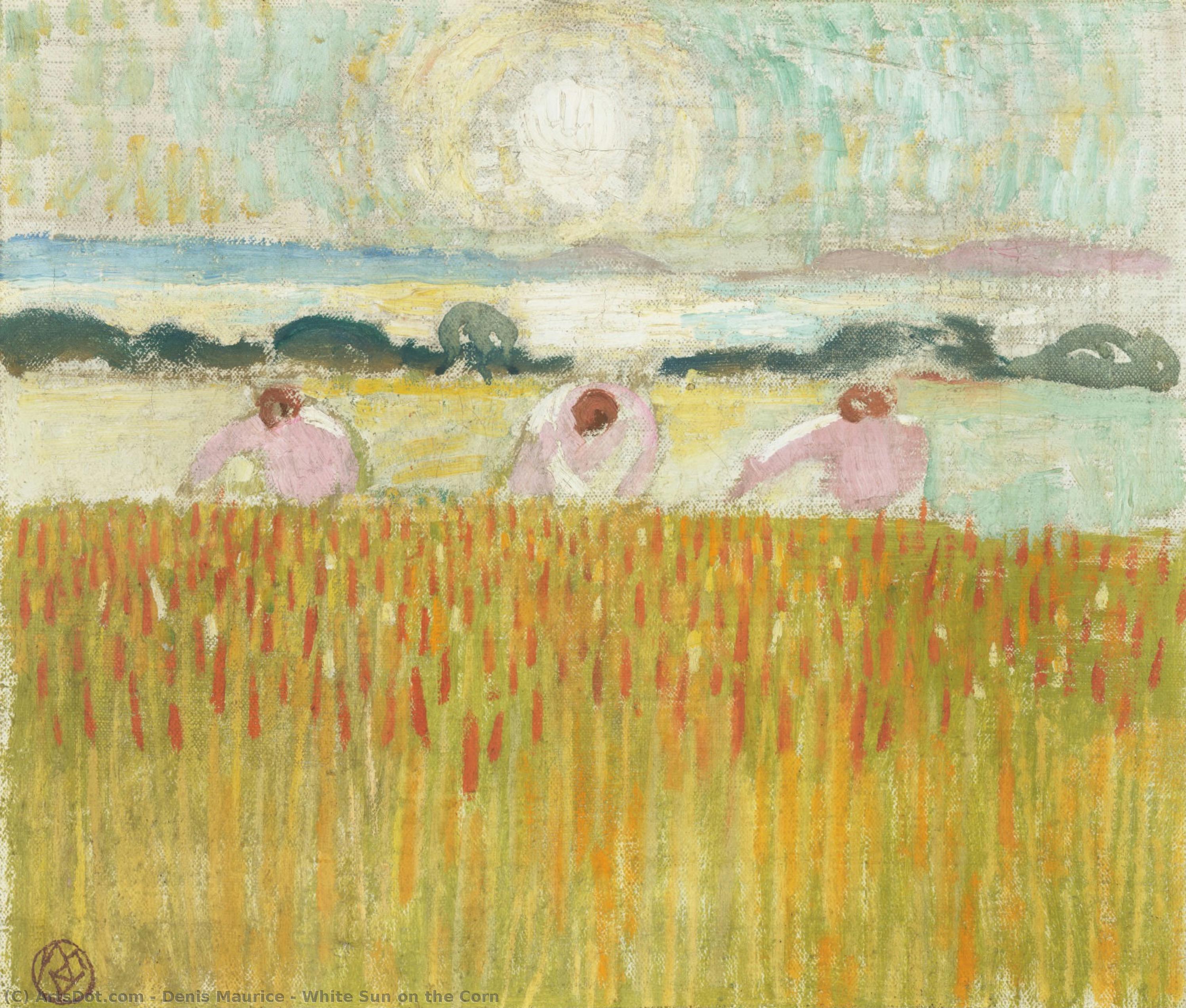
Sol blanco sobre el maíz
 Óleo sobre lienzo
- Arte de pared
- Postimpresionismo
 1914
1914 29.0 x 34.0 cm
 Museo de los Impresionismos Giverny
 Leer más
Reproducción al óleo hecha a mano
Óleo sobre lienzo pintado a mano en el tamaño y marco de su elección, realizado por encargo por nuestros artistas. ( Pedir impresión Comprar descarga)




P118B $10

P118H $10

P118W $10

P438Z $10

P508JH $12

P508YH $12

P805H $10

P805Z $10

P919BZ $10

P919G $10

P919XJ $10

P959ZH $10

P968JZ $12

W106C $8

W218G $10

W218JH $8

W218Y $10

W307PJ $10

W316G $10

W316PJ $8

W316Y $10

W398PJ $8

W4111J $10

W500HY $15

W500JH $15

W692G $12

W849H $8

W940BG $15

W953PJ $8




Elija entre nuestros tamaños predefinidos que respetan las proporciones originales de la obra.

Puede ingresar sus propias dimensiones para adaptarse a un marco o espacio específico. Si el tamaño seleccionado no coincide con las proporciones de la imagen original, recortaremos la obra o extenderemos la pintura con elementos adicionales pintados a mano. Se le enviará una maqueta digital para su aprobación antes de comenzar la producción.
Tenga en cuenta que la vista previa en pantalla no refleja el recorte o la extensión reales. Solo la maqueta mostrará con precisión la composición final.
Si bien existen tamaños personalizados, recomendamos seleccionar una dimensión de la lista predefinida para preservar las proporciones originales.
Tras realizar el pedido, el equipo de OriginalUniqueArt.com enviará un correo electrónico al cliente para solicitar instrucciones y proporcionarle una vista previa del boceto.
Envío a todo el mundo () en 3-4 semanas en lugar de las 5 semanas estándar. (13 agosto). Sin comprometer la calidad.

Envío exprés gratuito a todo el mundo

Lienzo de lino de alta calidad

Seguro de envío completo

Garantía de reembolso de aranceles aduaneros

Garantía de fidelidad cromática exacta

Política de devolución de 60 días (solo por defectos)

Garantía de devolución del 100% del dinero

Oferta por volumen
 La opción de vidrio solo está disponible en tamaños inferiores a 110 cm.

Sol blanco sobre el maíz
Técnica de reproducción
Tamaño de la reproducción
-


Precio total
$ 350
Descripción de la obra
A Window Into Rural Brittany: Exploring Maurice Denis’s “White Sun on the Corn”
The painting "White Sun on the Corn" by Maurice Denis (1914) isn't merely a depiction of a wheat field; it’s an embodiment of Denis’s artistic philosophy—a deliberate fusion of spirituality and observation that cemented his place as a bridge between Impressionism and Modern Art. Painted during his prolific summers in Perros-Guirec, Brittany, this work captures the essence of the region's landscape with remarkable sensitivity and precision. Denis himself described Monet as someone who “sees things as they are,” highlighting the shared ambition to transcend mere visual representation and tap into deeper emotional resonance—a goal he achieved spectacularly here.Composition and Technique: Impressionistic Brilliance
Denis’s technique is unmistakably Impressionistic, prioritizing atmosphere and light over meticulous detail. Loose brushstrokes dominate the canvas, creating a textured surface that vibrates with energy. Thick impasto – applying paint in thick layers – lends physicality to the field itself, mirroring the palpable warmth of the Breton sun. The artist employs short, broken lines primarily, particularly in the distant trees and horizon line, furthering this sense of movement and immediacy. This deliberate disregard for photographic realism wasn’t simply stylistic choice; it reflected Denis's belief that art should evoke feeling rather than documenting reality.The Landscape as Symbol: Breton Identity and Spiritual Reflection
Louannec harbor, where Denis positioned his easel, provides a stunning backdrop to the scene—the turquoise blue of the sea merging seamlessly with the azure sky. The island of Tomé punctuates the horizon line, subtly anchoring the composition while simultaneously hinting at the enduring presence of faith and tradition within Breton culture. More profoundly, however, the wheat field itself symbolizes labor, resilience, and connection to the natural world – themes central to Denis’s spiritual worldview. He sought to express not just what he saw but what he felt—the serenity and beauty inherent in everyday life.Color Palette and Light: Orchestrating Emotion
Denis masterfully orchestrates color to convey emotion. The dominant hues are yellows, oranges, and pinks, radiating warmth and inviting the viewer into a hazy summer afternoon. These warm tones contrast sharply with the cooler greens of the field and sky, creating visual tension that enhances the painting’s impact. Crucially, the sun—rendered as a luminous circle—is positioned high above the scene, bathing the landscape in diffused light. This technique isn't accidental; it aligns perfectly with Denis’s preoccupation with sacred geometry and his desire to capture divine illumination – mirroring the spiritual contemplation he experienced during his formative years.A Legacy of Impressionistic Vision
“White Sun on the Corn” stands as a testament to Maurice Denis’s artistic genius—a painting that transcends its subject matter to communicate something far deeper: an appreciation for beauty, a reverence for nature, and a conviction that art possesses the power to elevate the human spirit. Its enduring appeal lies in its ability to transport us back to a moment of tranquil contemplation, reminding us of the transformative potential inherent in observing the world with open eyes and receptive hearts.Biografía del artista
Primeros años e inspiración
Maurice Denis nació el 25 de noviembre de 1870 en Granville, Manche, Francia. Hijo único de una familia modesta, su padre trabajaba en la estación de ferrocarril y su madre era costurera. Desde temprana edad, mostró un fuerte interés por la religión y el arte. Comenzó a llevar un diario en 1884, donde expresaba su admiración por los colores, las velas y el incienso de las ceremonias religiosas. Le Mystère Catholique (1889) marcó una de sus primeras obras significativas, reflejando su profunda conexión con el catolicismo. Su autorretrato a los 18 años (1889) demuestra su habilidad incipiente como retratista. Motif Romanesque (1890), ahora parte de la colección del Museo del Condado de Los Ángeles, muestra sus primeros experimentos con motivos románicos.Los Nabis y el Simbolismo
Denis fue una figura clave en Les Nabis, un grupo que buscaba aportar un enfoque más espiritual y simbólico al arte. Este movimiento, junto con su posterior participación en el simbolismo y un retorno al neoclasicismo, consolidó la posición de Denis como un puente entre el arte tradicional y el moderno. Los Nabis se caracterizaron por su rechazo a la representación naturalista y su enfoque en la expresión de emociones y estados espirituales a través del color y la forma. Denis, junto con otros artistas como Pierre Bonnard y Édouard Vuillard, exploró temas religiosos, mitológicos y escenas cotidianas con una sensibilidad poética y decorativa.Evolución Artística e Influencia en el Arte Moderno
La obra de Denis evolucionó a lo largo de su carrera, mostrando una transición desde las formas más planas y estilizadas de sus primeros trabajos nabis hacia composiciones más estructuradas y figurativas. Su énfasis en la bidimensionalidad del plano pictórico fue un precursor importante para el desarrollo del cubismo y otras vanguardias artísticas. Denis teorizó sobre la necesidad de que la pintura fuera esencialmente una superficie cubierta con colores, anticipando las ideas de los futuristas y constructivistas. Su influencia se extendió a movimientos como el fauvismo, donde su uso audaz del color inspiró a artistas como Henri Matisse.Teorías Artísticas y Legado
Denis no solo fue un artista prolífico sino también un importante teórico del arte. Sus escritos sobre estética y simbolismo contribuyeron significativamente al debate artístico de la época. Fundó los Ateliers d'Art Sacré en 1919, dedicados a la renovación de iglesias y la creación de obras de arte religioso, lo que demuestra su compromiso con el resurgimiento del arte sacro moderno. Falleció el 13 de noviembre de 1943, pero su legado perdura como un artista fundamental en la transición entre el impresionismo y el arte moderno, influyendo en generaciones posteriores de artistas y dejando una huella imborrable en la historia del arte francés. Su obra se puede apreciar en museos como el Musée d'Orsay y el Museo Maurice Denis en Saint-Germain-en-Laye. Descubre más sobre su vida y obra en la página de denis maurice de OriginalUniqueArt.Obras Destacadas
- Tres Musas (1893): Una obra maestra simbolista onírica de figuras etéreas y ricos tonos forestales.
- Historia de Psique, el castigo de Psique: Una obra conmovedora que explora el castigo divino y la vulnerabilidad humana.

Denis Maurice
1870 - 1943 , Francia
Datos clave
- Artistas Que Influyeron:
- Puvis de Chavannes
- Fra Angelico
- Fecha De Fallecimiento: 13 de noviembre de 1943
- Fecha De Nacimiento: 25 de noviembre de 1870
- Influencia En Artistas:
- Cubismo
- Fauvismo
- Arte abstracto
- Lugar De Nacimiento: Granville, Francia
- Movimiento Artístico:
- Simbolismo
- Postimpresionismo
- Nacionalidad: Francesa
- Nombre Completo: denis maurice
- Obras Notables:
- Le Mystère Catholique
- Motif Romanesque
- Tres Musas
- Historia de Psique
Artículos relacionados
Denis Maurice: A Study in Post-War French Figuration & the Poetics of Everyday Life
Explore the life & work of Maurice Denis, pivotal French painter bridging Impressionism to modern art. Discover his Nabis symbolism, theories on 'ideation,' and profound commitment to sacred art. A deep dive for art enthusiasts.

Impresionismo y Postimpresionismo: Una Exploración de la Evolución Artística y sus Distinciones Clave
Explora la evolución del Impresionismo al Postimpresionismo. Descubre sus características, artistas clave y las diferencias esenciales en este análisis experto.

Los 10 Maestros del Postimpresionismo: Obras que Revolucionaron el Arte |
Descubre los 10 cuadros más influyentes del Postimpresionismo: Van Gogh, Monet, Cézanne y más. Explora la historia, técnica y significado de estas obras maestras. Reproducciones de arte en para decorar tu hogar con estilo.

Más Allá del Impresionismo: Profundizando en la Emoción y el Simbolismo Postimpresionista
Descubre la profundidad emocional y el simbolismo del Postimpresionismo con OriginalUniqueArt. Análisis experto de Cézanne, Van Gogh, Gauguin y más. Explora la historia y el legado de este fascinante movimiento artístico.

Impressionism vs. Post-Impressionism: A Masterclass in the Revolution of Light, Color, and Emotion
Master the nuances of Impressionism vs. Post-Impressionism with our expert guide. Explore the revolutionary shift from Monet’s fleeting light to Van Gogh’s emotional depth. Discover how these iconic movements continue to inspire fine art collectors and modern interiors today.



