
 Vista previa
 Compartir
 Compartir
 Ver detalles
 Guía
Guía

 Descargar
 Ver artículos similares
 Radiografía
 Presentación de diapositivas
 Estadísticas
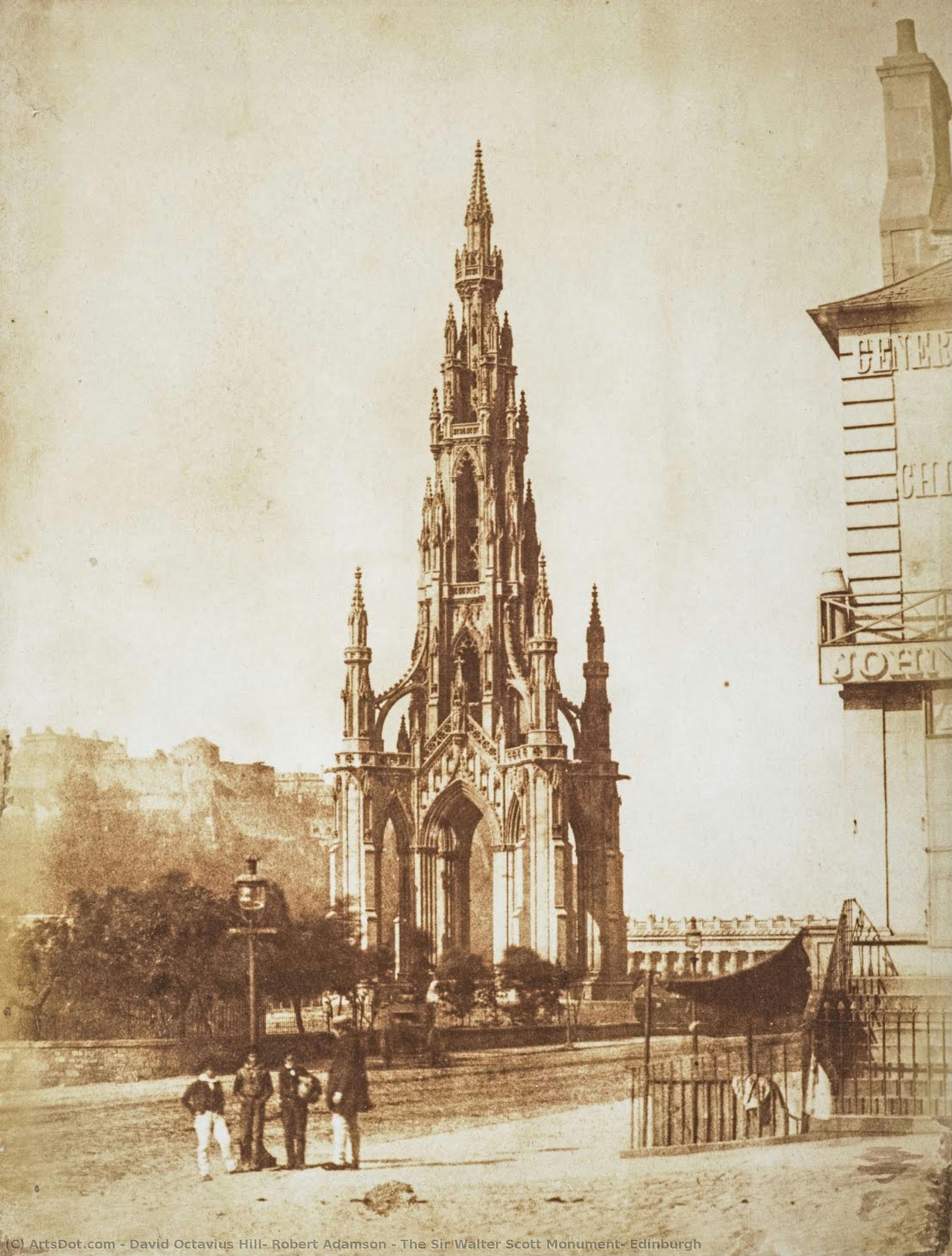
The Sir Walter Scott Monument, Edinburgh


 Leer más
Reproducción al óleo hecha a mano
Óleo sobre lienzo pintado a mano en el tamaño y marco de su elección, realizado por encargo por nuestros artistas. ( Cambiar a formato impreso Ver versión en imagen digital)




P118B $10

P118H $10

P118W $10

P438Z $10

P508JH $12

P508YH $12

P805H $10

P805Z $10

P919BZ $10

P919G $10

P919XJ $10

P959ZH $10

P968JZ $12

W106C $8

W218G $10

W218JH $8

W218Y $10

W307PJ $10

W316G $10

W316PJ $8

W316Y $10

W398PJ $8

W4111J $10

W500HY $15

W500JH $15

W692G $12

W849H $8

W940BG $15

W953PJ $8




Elija entre nuestros tamaños predefinidos que respetan las proporciones originales de la obra.

Puede ingresar sus propias dimensiones para adaptarse a un marco o espacio específico. Si el tamaño seleccionado no coincide con las proporciones de la imagen original, recortaremos la obra o extenderemos la pintura con elementos adicionales pintados a mano. Se le enviará una maqueta digital para su aprobación antes de comenzar la producción.
Tenga en cuenta que la vista previa en pantalla no refleja el recorte o la extensión reales. Solo la maqueta mostrará con precisión la composición final.
Si bien existen tamaños personalizados, recomendamos seleccionar una dimensión de la lista predefinida para preservar las proporciones originales.
Tras realizar el pedido, el equipo de OriginalUniqueArt.com enviará un correo electrónico al cliente para solicitar instrucciones y proporcionarle una vista previa del boceto.
Envío a todo el mundo () en 3-4 semanas en lugar de las 5 semanas estándar. (25 septiembre). Sin comprometer la calidad.

Envío exprés gratuito a todo el mundo

Lienzo de lino de alta calidad

Seguro de envío completo

Garantía de reembolso de impuestos aduaneros

Garantía de fidelidad cromática exacta

Política de devolución de 100 días (solo por defectos)

Garantía de devolución del 100% del dinero

Oferta por volumen
 La opción de vidrio solo está disponible en tamaños inferiores a 110 cm.

The Sir Walter Scott Monument, Edinburgh
Técnica de reproducción
Tamaño de la reproducción
-


Precio total
$ 300
The Majesty of Stone and Shadow: Hill & Adamson’s “Edinburgh. The Scott Monument”
David Octavius Hill and Robert Adamson's "Edinburgh. The Scott Monument," captured in 1845, isn’t merely a photograph; it’s a meticulously crafted tableau vivant, a frozen moment of ambition and civic pride rendered with the nascent magic of early photography. This remarkable image, now housed within the Metropolitan Museum of Art, offers a captivating glimpse into a pivotal era of artistic experimentation and Scottish identity. The scene unfolds against the imposing silhouette of Walter Scott's monument under construction – a towering testament to the celebrated author’s legacy – set against the dramatic backdrop of Edinburgh’s skyline. The photograph isn’t simply documenting progress; it’s imbued with a palpable sense of anticipation, as if capturing the very breath held by those witnessing this grand undertaking.
Hill and Adamson's collaboration was a truly unique partnership, blending Hill’s artistic eye – honed through years of landscape painting – with Adamson’s scientific precision in mastering the calotype process. This technique, allowing for multiple prints from a single negative, demanded an acute understanding of light and shadow, a skill brilliantly demonstrated here. The image is dominated by a cool, almost melancholic palette; the grey stone of the monument contrasts sharply with the muted blues and greys of the sky, creating a sense of depth and solidity. The figures in the foreground – workmen, onlookers, and even a few elegantly dressed gentlemen – are rendered with remarkable sensitivity, their postures and expressions hinting at the diverse reactions to this monumental project.
A Window into Victorian Edinburgh
To fully appreciate “Edinburgh. The Scott Monument,” one must understand the context of 1845. Victorian Scotland was a nation grappling with industrialization, social change, and a fervent desire to celebrate its literary heritage. Walter Scott’s works had profoundly shaped the national identity, and his monument represented a bold statement of cultural significance. Hill & Adamson's photograph serves as both a record of this construction and a reflection of Edinburgh’s vibrant urban life. The inclusion of everyday people amidst the grand scale of the monument highlights the shared experience of witnessing this historical event – a microcosm of society observing an act of civic grandeur.
The composition itself is masterful, employing a carefully considered perspective to draw the viewer into the scene. Hill’s artistic training shines through in the subtle use of leading lines and atmospheric effects. The photograph isn't simply a snapshot; it’s a deliberate arrangement designed to evoke emotion and convey a specific narrative. Notice how the monument dominates the frame, asserting its presence while simultaneously inviting contemplation. The placement of the figures creates a sense of movement and dynamism, suggesting that this is not a static image but rather a fleeting moment captured in time.
The Alchemy of Light and Shadow
Technically, “Edinburgh. The Scott Monument” represents a significant achievement for Hill & Adamson – and indeed, for early photography as a whole. They were pioneers in utilizing the calotype process to create images with remarkable detail and tonal range. The subtle gradations of grey, achieved through careful manipulation of light and exposure, are particularly noteworthy. This masterful control over light is what gives the photograph its depth and atmosphere – it’s not just a representation of the scene; it's an *interpretation* of it.
The image’s enduring appeal lies in its ability to transport us back to 1845, allowing us to experience the sights, sounds, and emotions of Victorian Edinburgh. It is a testament to the artistic vision of Hill & Adamson, their technical skill, and their remarkable sensitivity to human subjects and the beauty of the natural world. Reproductions of this iconic photograph offer a tangible connection to a bygone era, inviting viewers to contemplate the legacy of Walter Scott and the enduring power of photography as an art form.
Symbolism and Emotional Resonance
Beyond its technical brilliance, “Edinburgh. The Scott Monument” is rich in symbolism. The monument itself represents ambition, national pride, and a desire to immortalize a literary giant. The figures surrounding it embody the diverse elements of Edinburgh society – from the laborers building the structure to the wealthy patrons observing the progress. The photograph captures not just a physical construction but also a cultural moment, reflecting the aspirations and values of Victorian Scotland.
The overall mood is one of quiet contemplation and restrained excitement. There’s a sense of history in the making, a feeling that this monumental project will forever alter the landscape of Edinburgh. The photograph evokes a powerful emotional response – a mixture of awe, admiration, and perhaps even a touch of melancholy, as we recognize the fleeting nature of time and the enduring power of memory. It's a poignant reminder of the beauty and complexity of human experience, captured with remarkable skill and sensitivity by two extraordinary artists.
Biografía del artista
Una Visión Pionera: El Mundo Colaborativo de Hill & Adamson
La historia de David Octavius Hill y Robert Adamson constituye un capítulo extraordinario en los albores de la historia de la fotografía, un testimonio de cómo la visión artística puede florecer bajo las limitaciones de la innovación tecnológica temprana. Aunque su actividad se limitó a apenas cuatro años —de 1843 a 1847—, esta sociedad escocesa sentó las bases del arte fotográfico, produciendo una obra que resuena tanto por su ingenio técnico como por su profunda sensibilidad humana. Su colaboración no consistía simplemente en documentar la realidad; se trataba de *interpretarla*, dotando al recién accesible medio de una sensibilidad artística que antes estaba reservada exclusivamente a la pintura. Hill, ya un pintor consagrado y secretario de la Real Academia Escocesa, aportó un ojo compositivo perfeccionado tras años dedicados al paisaje y al retrato. Adamson, un joven químico con precisión científica, dominó las complejidades del proceso de calotipo, permitiendo que sus talentos combinados florecieran en el efervescente clima artístico de Edimburgo.De la Disrupción al Descubrimiento: La Génesis de una Alianza
El catalizador de esta extraordinaria colaboración fue, quizás de forma sorprendente, una agitación religiosa. En 1843, Escocia fue testigo de la dramática Disrupción de la Iglesia de Escocia, cuando diversos ministros protestaron contra la interferencia del Estado en los asuntos eclesiásticos. Hill, profundamente conmovido por el acontecimiento, se embarcó en un proyecto ambicioso: una pintura monumental que representaba la firma de la Escritura de Demisión, el documento que detallaba la secesión de los ministros. Ante la abrumadora tarea de retratar con exactitud a cientos de individuos, buscó una solución que trascendiera los métodos tradicionales del dibujo. Fue Sir David Brewster quien sugirió emplear el recién inventado proceso de calotipo y presentó a Hill a Robert Adamson. Aunque inicialmente escéptico, Hill reconoció rápidamente el potencial de la fotografía no solo como una herramienta de replicación, sino como un lenguaje artístico con entidad propia. La pericia técnica de Adamson, sumada a la dirección artística de Hill, resultó ser una combinación poderosa. Su estudio en Rock House se convirtió en un epicentro de actividad, atrayendo a una gran diversidad de modelos, desde figuras prominentes de la Iglesia Libre hasta trabajadores y pescadores del día a día.Calotipos y Carácter: Un Enfoque Rembrandtesco
Los calotipos de Hill & Adamson se distinguen por su extraordinaria calidad, descrita a menudo como poseedora de una luminosidad “rembrandtesca”. Esto no fue fruto del azar. Hill, con su trasfondo pictórico, orquestó cuidadosamente cada composición, utilizando una iluminación dramática y elementos evocadores para crear imágenes que eran mucho más que simples semejanzas físicas. Comprendió el poder del claroscuro —el juego entre la luz y la sombra— para revelar el carácter y la emoción. Sus retratos no eran representaciones estáticas; capturaban momentos fugaces de personalidad, una sensación de vida interior. Las *Pescadoras de Newhaven*, por ejemplo, no son solo un documento de las mujeres de clase trabajadora; es un retrato conmovedor de resiliencia, dignidad y las penurias de su existencia. Del mismo modo, su retrato de Patrick Byrne tocando el arpa emana una atmósfera de arte contemplativo. Esta capacidad de infundir profundidad psicológica en sus calotipos los diferenció de otros fotógrafos primitivos, estableciendo un nuevo estándar para el retrato fotográfico.Un Legado Forjado en la Luz: Influencia y Significado Perdurable
La muerte prematura de Robert Adamson en 1848 puso fin abruptamente a la sociedad. Hill continuó trabajando con la fotografía, pero la magia de su colaboración era irreemplazable. A pesar de su brevedad, el impacto de la obra de Hill & Adamson fue profundo. Demostraron que la fotografía podía ser un vehículo para la expresión artística, desafiando las nociones imperantes sobre las capacidades del medio. Sus calotipos influyeron en generaciones de fotógrafos, inspirándoles a explorar las posibilidades estéticas de la luz, la composición y el tema. Hoy en día, sus imágenes se conservan en prestigiosas colecciones de todo el mundo, incluyendo la Galería Nacional de Escocia y el Metropolitan Museum of Art, sirviendo como un poderoso recordatorio de su espíritu pionero y su perdurable legado artístico. No estaban simplemente documentando un momento en el tiempo; estaban *creando* arte con él, alterando para siempre el curso de la historia fotográfica. Su obra permanece como un testimonio del poder de la colaboración y del potencial transformador de abrazar nuevas tecnologías dentro de un marco artístico establecido.Explorando su Mundo
- Scottish National Gallery: Descubra una colección completa de los calotipos de Hill & Adam, que muestran su maestría en el retrato y la fotografía de paisaje.
- The Metropolitan Museum of Art: Explore ensayos y análisis que profundizan en el contexto histórico y la importancia artística de su obra.
- Wikipedia: Obtenga una comprensión más amplia de las vidas, técnicas e impacto duradero de Hill & Adamson en el mundo de la fotografía.

David Octavius Hill Y Robert Adamson
1802 - 1848 , Reino Unido
Datos clave
- Artistas O Movimientos Influenciados Por Este Artista: ['Arte fotográfico']
- Artistas Que Influyeron En Este Artista: ['William H. Talbot']
- Fecha De Fallecimiento: 14 de enero de 1848 (Adamson)
- Fecha De Nacimiento: 20 de mayo de 1802 (Hill)
- Lugar De Nacimiento: Edimburgo, Reino Unido
- Movimiento O Estilo Artístico: Fotografía calotipo
- Nacionalidad: Escocés
- Nombre Completo: David Octavius Hill & Robert Adamson
- Obras Notables:
- Patrick Byrne
- Pescadores de Newhaven
Artículos relacionados

Monochrome Visions: Exploring the Aesthetic & Historical Significance of Black & White Photography
Explore the rich history & artistic power of black and white photography. From early techniques to iconic masters like Ansel Adams, discover why monochrome continues to captivate art lovers today. Expert insights for collectors.

Pictorialismo: La Búsqueda del Alma de la Fotografía Artística – Estética, Técnicas y Legado
Descubre el Pictorialismo, un movimiento clave en la historia de la fotografía artística. Explora sus técnicas, figuras emblemáticas y su legado perdurable. Guía experta para coleccionistas y amantes del arte.

The Lens of Truth: A Comprehensive History and Legacy of Documentary Photography
Explore the profound history of documentary photography. From early daguerreotypes to social reform movements, discover how the lens captures truth, preserves vanishing cultures, and shapes our global visual narrative through an expert art-historical lens.

Witnessing History Through Lens & Light: Documentary Photography's Enduring Legacy
Explore the powerful history of documentary photography – from its origins to contemporary masters like Gordon Parks & W. Eugene Smith. Discover how this art form shapes our understanding of society and witness pivotal moments in time.

Beyond the Lens: Photography's Enduring Influence on Modern & Contemporary Art
Explore photography's pivotal role in shaping modern & contemporary art. Discover key movements, influential artists like Stieglitz, and expert collecting advice from OriginalUniqueArt.