

 Vista previa
 Compartir
 Compartir
 Ver detalles
 Guía
Guía

 Descargar
 Ver artículos similares
 Radiografía
 Presentación de diapositivas
 Estadísticas
Portrait Head


 Leer más
Reproducción al óleo hecha a mano
Óleo sobre lienzo pintado a mano en el tamaño y marco de su elección, realizado por encargo por nuestros artistas. ( Cambiar a formato impreso Ver versión en imagen digital)




P118B €10

P118H €10

P118W €10

P438Z €10

P508JH €12

P508YH €12

P805H €10

P805Z €10

P919BZ €10

P919G €10

P919XJ €10

P959ZH €10

P968JZ €12

W106C €8

W218G €10

W218JH €8

W218Y €10

W307PJ €10

W316G €10

W316PJ €8

W316Y €10

W398PJ €8

W4111J €10

W500HY €15

W500JH €15

W692G €12

W849H €8

W940BG €15

W953PJ €8




Elija entre nuestros tamaños predefinidos que respetan las proporciones originales de la obra.

Escriba el ancho y el alto que necesite para adaptarse a su marco o a su pared. Al ser una obra pintada a mano, para un tamaño con una forma distinta, el artista puede pintar un poco más alrededor de la imagen o recortar un poco; usted elige. Le enviaremos una maqueta digital para su aprobación antes de comenzar la pintura. La imagen que se muestra en esta página no refleja el resultado real; solo la maqueta lo hace.
Tras realizar el pedido, el equipo de OriginalUniqueArt.com enviará un correo electrónico al cliente para solicitar instrucciones y proporcionarle una vista previa del boceto.
Envío a todo el mundo () en 3-4 semanas en lugar de las 5 semanas estándar. (23 octubre). Sin comprometer la calidad.

Envío exprés gratuito a todo el mundo

Lienzo de lino de alta calidad

Seguro de envío completo

Garantía de reembolso de impuestos aduaneros

Garantía de fidelidad cromática exacta

Política de devolución de 100 días (solo por defectos)

Garantía de devolución del 100% del dinero

Oferta por volumen
 La opción de vidrio solo está disponible en tamaños inferiores a 110 cm.

Portrait Head
Técnica de reproducción
Tamaño de la reproducción
-


Precio total
€ 264
A Window Into the Glasgow Style: The Soul of David Gauld’s Portrait Head
In the quiet corners of late nineteenth-century Scotland, a revolution was brewing—not of politics, but of perception. David Gauld, a visionary of the celebrated Glasgow Boys movement, captured this transformative era in his evocative work, Portrait Head. Created around 1893, this painting serves as more than just a likeness; it is a profound meditation on stillness and the burgeoning aesthetic of the Glasgow Style. As one gazes upon the subject, there is an immediate sense of being invited into a private moment of introspection. The woman’s profile, bathed in a soft, ethereal light, possesses an understated dignity that eschews the theatricality common in academic portraiture of the time. Instead, Gauld offers us a serene, almost haunting presence that lingers in the mind long after the first encounter.
The composition is a masterclass in psychological depth and subtle nuance. Gauld directs our attention to the subject’s gaze, which drifts outward toward an unseen horizon, suggesting a world of unspoken emotions and internal reflection. This sense of mystery is heightened by the artist's meticulous technique. Every strand of hair and every delicate shadow around the eyes is rendered with a precision that speaks to his early training as a lithographer. There is a rhythmic harmony in the way the soft light interacts with her features, creating a texture that feels both tangible and dreamlike. For the collector or interior designer, this piece offers a sophisticated focal point—a work that does not demand attention through loudness, but commands it through a quiet, magnetic grace.
The Fusion of East and West: Technique and Influence
What truly distinguishes Portrait Head is its seamless integration of global artistic currents. During this period, Gauld was deeply enamored with the aesthetics of Japan, particularly the ukiyo-e woodblock prints. This fascination is palpable in his use of flattened planes of color and a muted, earthy palette. By moving away from heavy, traditional chiaroscuro and embracing more streamlined, graphic elements, Gauld bridged the gap between Western oil painting and Eastern minimalism. The result is a composition that feels remarkably modern, even by contemporary standards. The subtle interplay of tones—the deep reds of her attire against the organic, verdant backdrop—creates a balanced, harmonious atmosphere that resonates with the principles of the Art Nouveau movement.
This stylistic synthesis provides a rich layer of symbolism for the discerning viewer. The painting represents a period of intense cultural exchange, where the boundaries of tradition were being pushed by artists seeking a new visual language. To hang such a reproduction in a curated space is to bring a piece of art history into the present—a testament to the enduring power of innovation and the beauty found in the intersection of different worlds. Whether placed in a sunlit study or a contemporary living gallery, Gauld’s work provides an atmosphere of contemplative elegance, making it an exquisite choice for those who appreciate art that tells a story of both personal emotion and historical significance.
Preguntas y respuestas
¿En qué etapa de la carrera de David Gauld se sitúa "Portrait Head", dada su fecha?
"Portrait Head", creada en 1893, pertenece al Mature Period de la trayectoria de David Gauld.
¿"Portrait Head" de David Gauld utiliza contrastes fuertes o armonías suaves?
En "Portrait Head", un Gentle contraste se combina con una Strong Color Unity armonía.
¿Existe una guía para "Portrait Head" de David Gauld?
La guía de "Portrait Head" es la página Guía de la obra: una ficha imprimible que muestra la pieza con su pie de foto, línea de crédito y tabla de identidad (artista, fechas, técnica, tamaño original, colección).
Biografía del artista
El visionario de Glasgow: La vida y el arte de David Gauld
En el vibrante y cambiante paisaje de la Escocia de finales del siglo XIX, pocos artistas capturaron la intersección entre la tradición y la modernidad con tanta gracia como David Gauld. Nacido en Glasgow en 1865, Gauld emergió no solo como un pintor, sino como un pionero que tendió un puente entre las delicadas intrincaciones del diseño gráfico y la presencia monumental de la vidriería. Su trayectoria fue una de profunda evolución estética, profundamente arraigada en el fermento artístico del movimiento Glasgow Boys, un grupo que buscaba liberarse del rígido academicismo de la época en favor de enfoques más naturalistas, emotivos y experimentales.
Los primeros impulsos creativos de Gauld fueron moldeados por un ojo meticuloso para el detalle, un rasgo perfeccionado durante sus años formativos como litógrafo. Cuando ingresó en la Glasgow School of Art en 1882, trajo consigo una creciente fascinación por la estética de Oriente. Este periodo estuvo marcado por un intenso compromiso con los grabados japoneses, cuyas perspectivas planas y líneas caligráficas audaces perseguirían para siempre sus composiciones. Su primer reconocimiento público llegó a través de sus evocadores dibujos a pluma y tinta para The Glasgow Weekly Citizen, obras que demostraron un dominio magistral de la línea y una sensibilidad rítmica y orgánica que insinuaba la revolución del Art Nouveau que aún se vislumbraba en el horizonte.
Una síntesis de luz y línea
A medida que la carrera de Gauld progresaba, su medio artístico se expandió desde la delicada superficie del papel hacia el medio luminoso y traslúcido de la vidriería. Esta transición le permitió explorar el juego entre la luz y el color de una manera que pocos de sus contemporáneos podrían igualar. Durante su estancia en Kirkcudbright, entre 1891 y 1894, Gauld emprendió encargos significativos para Guthrie y Wells, creando vitrales que eran mucho más que meros ornamentos arquitectónicos. Estas obras eran tapices de luz, donde las formas orgánicas y fluidas del estilo Art Nouveau se encontraban con la profundidad simbólica y conmovedora de la tradición Prerrafaelita.
Su técnica en el trabajo con vidrio se caracterizó por una comprensión profunda de cómo el color interactúa con la iluminación natural. Al manipular la textura y el pigmento, lograba evocar una atmósfera que se sentía tanto etérea como terrenal. Este dominio del medio reflejaba su filosofía artística más amplia: la creencia de que el arte no solo debe representar el mundo, sino también transformar el espacio que habita. Ya fuera trabajando con óleo, tinta o vidrio, Gauld buscaba capturar la esencia de sus sujetos —ya fuera la dignidad silenciosa de un retrato o la belleza agreste del paisaje escocés— a través de una lente de elegancia estilizada.
Legado y trascendencia histórica
La trayectoria de la vida de David Gauld estuvo marcada tanto por la colaboración como por el refinamiento solitario. Sus vínculos con otros luminarios de la Escuela de Glasgow, como William Stewart Shirreffs y Harrington Mann, lo situaron en el corazón de un periodo transformador en la historia del arte escocés. Incluso cuando sus relaciones profesionales cambiaron y se trasladó entre Glasgow, Kirkcudbright y North Berwick, su compromiso con la innovación permaneció inalterable. Se erigió como un vínculo vital entre la fascinación del siglo XIX por el naturalismo y la adopción del modernismo decorativo en el siglo XX.
Hoy en día, Gauld es recordado como un artista de inmensa versatilidad y visión. Su capacidad para sintetizar diversas influencias —desde la precisión de los grabados japoneses hasta el romanticismo de los prerrafaelitas— le permitió aportar una voz única al Glasgow Style. Su legado perdura en la belleza imperecedera de su obra en vidrio y en la presencia silenciosa y poderosa de sus pinturas, las cuales continúan resonando con un profundo aprecio por la artesanía, la luz y el espíritu perdurable de la innovación escocesa.

David Gauld
1865 - 1936 , Reino Unido
Datos clave
- Artistic Movement Or Style: Glasgow Boys; Art Nouveau; Pre-Raphaelites; Japanese influence
- Artists Or Movements Influenced By This Artist: ['Japanese art']
- Artists Who Influenced This Artist: ['William Stewart Macgeorge']
- Date Of Birth: Glasgow, United Kingdom (1865)
- Date Of Death: 1936
- Full Name: David Gauld
- Nationality: Scottish
- Notable Artworks:
- St Agnes
- Music
- Place Of Birth: Glasgow
Artículos relacionados
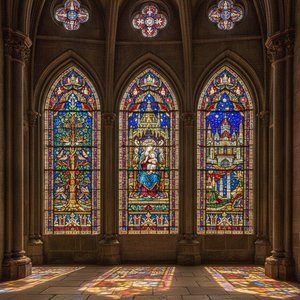
Luminous Masterpieces: The Captivating Beauty and Timeless Elegance of Stained Glass Artworks
Embark on a visual journey through the luminous world of stained glass art. Discover the exquisite craftsmanship, historical significance, and captivating beauty of masterworks from Art Nouveau to the Gothic era, curated for the discerning fine art enthusiast.

Timeless Elegance: Capturing the Spirit of Japanese Culture Through the Lens of Ukiyo-e Fine Art
Explore the profound beauty of Japanese Ukiyo-e art. Discover the legacy of Hokusai and the Utagawa school through an expert exploration of Edo-period aesthetics, seasonal motifs, and the enduring global influence of Japan's 'Floating World' on fine art history.

Zen on Canvas: The Timeless Artistry and Spiritual Depth of Japanese Landscape Painting
Explore the profound beauty of Japanese landscape painting. From Hokusai's iconic vistas to Zen-inspired compositions, discover the spiritual depth and historical mastery of Ukiyo-e art in this expert cultural retrospective.
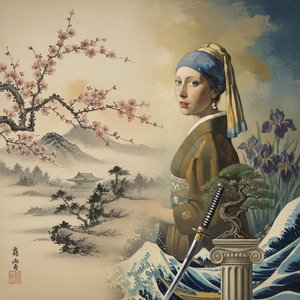
Zen & Elegance: How Japanese Artistry Transformed Global Masterpieces
Explore the profound influence of Japanese artistry on global masterpieces. From Ukiyo-e prints to Zen aesthetics, discover how Eastern elegance transformed Western art history in this deep cultural reflection for fine art enthusiasts and collectors.

Beyond the Great Wave: The High-Impact Visual Revolution of Japanese Landscape Art
Go beyond Hokusai's Great Wave. Explore the high-impact, graphic world of Japanese Ukiyo-e landscapes and urban prints. Discover how these bold, vibrant woodblock masterpieces continue to shape modern pop culture and contemporary design aesthetics.
