

 Vista previa
 Compartir
 Compartir
 Ver detalles
 Guía
Guía

 Descargar
 Ver artículos similares
 Radiografía
 Presentación de diapositivas
 Estadísticas
The Wyndcliff, River Wye


 Leer más
Giclée / Impresión de arte
Impresiones giclée o en lienzo de calidad de museo con producción rápida y opciones de acabado flexibles. ( Encargar reproducción pintada a mano Ver versión en imagen digital)




P118B €10

P118H €10

P118W €10

P438Z €10

P508JH €12

P508YH €12

P805H €10

P805Z €10

P919BZ €10

P919G €10

P919XJ €10

P959ZH €10

P968JZ €12

W106C €8

W218G €10

W218JH €8

W218Y €10

W307PJ €10

W316G €10

W316PJ €8

W316Y €10

W398PJ €8

W4111J €10

W500HY €15

W500JH €15

W692G €12

W849H €8

W940BG €15

W953PJ €8




Elija entre nuestros tamaños predefinidos que respetan las proporciones originales de la obra.

Introduzca el ancho y el alto que necesite para adaptarse a su marco o pared. Una impresión solo puede recortarse, nunca hacerse más grande que la imagen original, por lo que un tamaño con una forma distinta perderá parte de la obra. Le enviaremos una maqueta digital para su aprobación antes de realizar cualquier impresión. La imagen que se muestra en esta página no refleja el recorte real; solo la maqueta lo hace.
Envío a todo el mundo () en 2 semanas en lugar de las 4/5 semanas estándar. (25 octubre)

Envío exprés gratuito a todo el mundo

Lienzo de lino de alta calidad

Seguro de envío completo

Garantía de reembolso de impuestos aduaneros

Garantía de fidelidad cromática exacta

Política de devolución de 100 días (solo por defectos)

Garantía de devolución del 100% del dinero

Oferta por volumen
 La opción de vidrio solo está disponible en tamaños inferiores a 110 cm.

The Wyndcliff, River Wye
Giclée / Impresión de arte
Tamaño de la reproducción
-


Precio total
€ 70
A Romantic Vision of the Welsh Wilds
In the heart of the nineteenth century, as the Industrial Revolution began to reshape the landscape of Great Britain, the artist David Cox sought refuge in the untamed majesty of the natural world. His 1842 masterpiece, The Wyndcliff, River Wye, stands as a profound testament to the Romantic movement, capturing a moment where the soul of the landscape meets the sublime. This oil painting does not merely document a geographical location in South Wales; it invites the viewer into a deeply emotional encounter with the grandeur of the Wye Valley. Through his masterful lens, the river valley becomes more than just earth and water—it becomes a sanctuary of peace and a theater of light.
The composition is anchored by a commanding presence on the left, where a towering oak tree reaches toward the heavens, acting as a sentinel over the sprawling vista. This structural element guides the eye with grace across the undulating terrain toward a distant, hazy horizon, creating an immense sense of scale. Within this vastness, Cox places small, intimate figures near the water's edge, their presence serving to emphasize the overwhelming magnitude of the cliffs and sky. It is a delicate balance between the human spirit and the infinite power of nature, a hallmark of the Romantic era’s fascination with the awe-inspiring.
Mastery of Light and Atmospheric Depth
Technically, The Wyndcliff, River Wye is a triumph of light manipulation and textural expression. Cox was a virtuoso of atmospheric perspective, utilizing subtle shifts in color and clarity to pull the viewer deep into the painting’s recesses. The way the distant hills soften into a blue-grey mist creates an illusion of infinite space, making the canvas feel as though it breathes with the damp, cool air of the Welsh countryside. The artist employs a dramatic chiaroscuro effect, where strong, directional light pierces through unseen clouds to illuminate patches of foliage and the shimmering surface of the river, while casting deep, velvety shadows across the rugged ground.
The brushwork itself is remarkably expressive, eschewing rigid precision for a more spontaneous, tactile quality. One can almost feel the movement of the wind through the leaves and the steady flow of the current, as Cox’s visible strokes contribute to a sense of immediacy and life. For the discerning collector or interior designer, this texture provides a rich, organic element that brings a dynamic energy to any space. The interplay between the smooth, reflective water and the rough, weathered bark of the ancient trees creates a sensory experience that transcends the flat surface of the canvas.
A Timeless Sanctuary for the Modern Interior
Beyond its technical brilliance, this artwork offers a profound symbolic resonance. In an age often characterized by noise and rapid change, The Wyndcliff, River Wye serves as a window into a world of tranquility and solitude. The river valley symbolizes a retreat from the complexities of urban existence, offering a meditative space for contemplation. It speaks to the eternal human desire to reconnect with the earth and to find stillness amidst the vastness of the universe.
For those looking to curate an environment of sophistication and calm, a high-quality reproduction of this work provides an unparalleled focal point. Its earthy tones, dramatic lighting, and sweeping vistas harmonize beautifully with both classical and contemporary decor, adding a layer of historical depth and emotional warmth to a room. To hang this painting is to invite the enduring spirit of the Welsh landscape into one's home, fostering an atmosphere of quiet strength and breathtaking beauty.
Preguntas y respuestas
¿Cómo encaja "The Wyndcliff, River Wye" con los temas y el estilo de David Cox?
"The Wyndcliff, River Wye" pertenece a la obra Romanticism de David Cox, cuyos temas recurrentes incluyen romantic landscape, turner's atmospheric effects, pre-raphaelite detail, nature's majesty", human connection, solitude & reflection, early romantic style.
¿A qué periodo histórico pertenece "The Wyndcliff, River Wye" de David Cox?
El periodo histórico de "The Wyndcliff, River Wye" de David Cox es 19th Century. Esta clasificación sitúa la obra en la historia del arte.
¿Con qué otros nombres se conoce a David Cox?
David Cox aparece bajo los nombres alternativos David Cox el Joven.
Biografía del artista
David Cox: Una Vida en el Paisaje
Primeros Años y Formación
- Nacimiento: 29 de abril de 1783, en Deritend, Birmingham, Reino Unido.
- El padre de David Cox era herrero y artesano, encargado de suministrar componentes a la industria de armas de Birmingham. Su madre, proveniente de un entorno agrícola, poseía una educación superior y un carácter firme.
- Inicialmente, se matriculó en la academia de Joseph Barber en Great Charles Street, donde conoció a sus compañeros de estudios Charles Barber y William Radclyffe.
- A los 15 años, Cox comenzó su aprendizaje con Albert Fielder, un pintor de Birmingham especializado en miniaturas de retratos y pinturas decorativas para objetos como cajas de rapé. Esta formación temprana le proporcionó las habilidades fundamentales para su futuro.
Desarrollo de su Carrera y Viaje Artístico
- En 1804, Cox se trasladó a Londres y contrajo matrimonio con Mary Ragg, la hija de su casero.
- Un viaje trascendental a Gales en 1805 junto a Charles Barber marcó el inicio de numerosas expediciones de bocetaje que realizaría a lo largo de su vida. Estos viajes influyeron profundamente en su estilo artístico.
- Desde 1805, exhibió regularmente en la Royal Academy, ganándose inicialmente la vida como maestro de dibujo. El coronel Hon. H. Windsor se convirtió en uno de sus primeros alumnos en 1808.
- La obra temprana de Cox se centró en paisajes detallados en acuarela, representando a menudo escenas rurales y temas arquitectónicos.
Estilo Artístico e Influencias
- El estilo de Cox evolucionó con el tiempo, transitando desde representaciones topográficas precisas hacia un enfoque mucho más expresivo y atmosférico.
- Influencias: Aunque las influencias específicas son objeto de debate, su obra demuestra una afinidad por los pintores de paisajes holandeses del siglo XVII y una aguda observación de la naturaleza que recuerda a Constable.
- Se hizo conocido por su pincelada suelta, sus colores vibrantes y su capacidad para capturar los efectos de la luz y el clima. Sus pinturas al óleo de etapas posteriores fueron particularmente innovadoras.
Grandes Logros y Legado
- Hacia el final de su carrera, Cox pintó más de 300 obras al óleo, lo que hoy se reconoce como “uno de los mayores, pero menos reconocidos, logros de cualquier pintor británico”.
- Es considerado uno de los más grandes pintores de paisajes ingleses y una figura fundamental de la Edad Dorada de la acuarela inglesa.
- Su obra influyó significativamente en las generaciones posteriores de artistas del paisaje.
- Obras Notables: The Wind on the Heath, Cottage in Herefordshire, Junction of the Severn and the Wye with Chepstow in the distance y Moonlight Landscape se encuentran entre sus pinturas más celebradas.
Significado Histórico
- David Cox es reconocido como un precursor temprano del Impresionismo. Su énfasis en capturar efectos atmosféricos fugaces y su pincelada suelta anticiparon muchas de las técnicas que más tarde adoptarían los impresionistas.
- Desempeñó un papel crucial en la consolidación de la pintura de paisaje británica como un género distinto, alejándose de las representaciones puramente topográficas hacia interpretaciones más expresivas y emocionales de la naturaleza.
- Su obra continúa siendo admirada por su belleza, sensibilidad y atractivo perdurable.
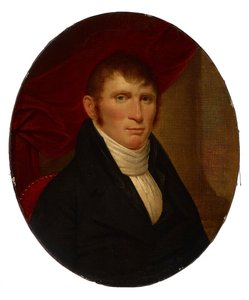
David Cox
1783 - 1859 , Reino Unido
Datos clave
- Artistic Movement Or Style: Edad Dorada de la Acuarela Inglesa; Impresionismo temprano
- Artists Or Movements Influenced By This Artist: ['Impresionismo']
- Artists Who Influenced This Artist:
- John Constable
- Thomas Gainsborough
- Date Of Birth: 29 abril 1783
- Date Of Death: 7 junio 1859
- Full Name: David Cox
- Nationality: Inglés
- Notable Artworks:
- El Viento en la Vega
- Cabaña en Herefordshire
- Confluencia del Severn y el Wye con Chepstow a lo lejos
- Paisaje Lunar
- Place Of Birth: Birmingham, Reino Unido
Artículos relacionados
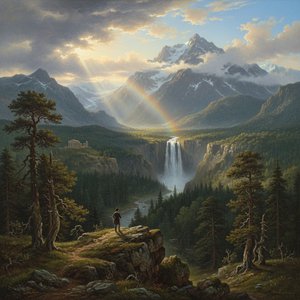
Evoking Nature's Sublime: A Comprehensive Exploration of 19th-Century Landscape Painting
Explore the captivating world of 19th-century landscape painting! Discover renowned artists like Friedrich & Monet, key movements, and find the perfect artwork to bring nature's serenity into your home. Expert insights at OriginalUniqueArt.

El Sublime y lo Pintoresco: Explorando la Emoción y la Naturaleza en la Pintura Romántica de Paisaje
Explora la profunda conexión entre el arte romántico y la naturaleza. Descubre a Caspar David Friedrich, John Constable y otros maestros del sublime y lo pintoresco. Análisis experto e historia del movimiento.

Paisajes Románticos: 10 Obras Maestras que Definieron un Movimiento Artístico
Descubre los 10 paisajes románticos más influyentes de artistas como Caspar David Friedrich y Turner. Explora la belleza, el simbolismo y las técnicas del movimiento romántico. Reproducciones de arte exclusivas en OriginalUniqueArt.com.

John Constable: Las 25 Obras Maestras del Paisaje Inglés | OriginalUniqueArt
Descubre las 25 obras maestras de John Constable, el pintor romántico inglés que capturó la belleza del paisaje. Explora su técnica, historia y significado en OriginalUniqueArt.com. Reproducciones de arte de alta calidad para tu hogar.

David Cox the Elder: Landscape, Light & the Romantic Vision of Rural England
Explore the captivating landscapes of David Cox the Elder, a pivotal figure in British Romanticism. Discover his masterful watercolour techniques, enduring legacy & find timeless art for your home at OriginalUniqueArt.
