
 Ver en contexto
 Enviar
 Compartir
 Detalles
 Guía
Guía

 Descargar
 Similares
 Radiografía
 Presentación de diapositivas
 Preguntas y respuestas
 Estadísticas
Carrying Vetches

- 37.0 x 55.0 cm


 Ver más
Giclée / Impresión de arte
Impresiones giclée o en lienzo de calidad de museo con producción rápida y opciones de acabado flexibles. ( Comprar pintura hecha a mano Cambiar a imagen digital)




P118B €10

P118H €10

P118W €10

P438Z €10

P508JH €12

P508YH €12

P805H €10

P805Z €10

P919BZ €10

P919G €10

P919XJ €10

P959ZH €10

P968JZ €12

W106C €8

W218G €10

W218JH €8

W218Y €10

W307PJ €10

W316G €10

W316PJ €8

W316Y €10

W398PJ €8

W4111J €10

W500HY €15

W500JH €15

W692G €12

W849H €8

W940BG €15

W953PJ €8




Elija entre nuestros tamaños predefinidos que respetan las proporciones originales de la obra.

Introduzca el ancho y el alto que necesite para adaptarse a su marco o pared. Una impresión solo puede recortarse, nunca hacerse más grande que la imagen original, por lo que un tamaño con una forma distinta perderá parte de la obra. Le enviaremos una maqueta digital para su aprobación antes de realizar cualquier impresión. La imagen que se muestra en esta página no refleja el recorte real; solo la maqueta lo hace.
Envío a todo el mundo () en 2 semanas en lugar de las 4/5 semanas estándar. (3 noviembre)

Envío exprés gratuito a todo el mundo

Lienzo de lino de alta calidad

Seguro de envío total

Garantía de reembolso de aranceles aduaneros

Garantía de fidelidad cromática exacta

Política de devolución de 100 días (solo por defectos)

Garantía de devolución del 100% del dinero

Descuento por cantidad
 La opción de vidrio solo está disponible en tamaños inferiores a 110 cm.

Carrying Vetches
Giclée / Impresión de arte
Dimensiones de la reproducción
-


Precio total final
€ 72
A Pastoral Symphony in Oil
In the quietude of the mid-19th century British countryside, David Cox the Elder captured a moment of profound harmony that transcends time. Carrying Vetches, painted in 1850, serves as more than just a depiction of agricultural labor; it is an evocative window into a vanishing way of life. The canvas breathes with the rhythm of the seasons, presenting a scene where the toil of man and the vitality of nature exist in a seamless, rhythmic dance. As viewers gaze upon the field, they are drawn into a world where the heavy movement of horses and carts is balanced by the delicate, fleeting presence of a bird soaring through the sky, suggesting that even within the most grounded of labors, there is a lightness of spirit and an eternal freedom.
The technical mastery of Cox is evident in his ability to manipulate light and earthy tones to create an atmosphere that feels both warm and deeply nostalgic. Utilizing a palette rich in organic hues, the artist employs broad, confident brushstrokes that prefigure the Impressionist movement. This technique allows the textures of the field and the weight of the carts to feel tangible, yet it maintains a soft, atmospheric haze that envelops the figures. For the discerning collector or interior designer, this painting offers a sophisticated interplay of light and shadow, making it an ideal centerpiece for spaces that require a sense of grounded tranquility and classical elegance.
The Soul of the Birmingham School
To understand Carrying Vetches, one must look to the roots of its creator. Born in the industrial heart of Birmingham, David Cox the Elder was a pivotal figure of the Birmingham School, an artist whose work bridged the gap between meticulous detail and emotive expression. While his early training involved the delicate art of miniature painting, his mature style embraced the expansive beauty of the landscape. This piece reflects that evolution, showcasing a transition from the precise to the atmospheric. The composition itself is a study in community; by depicting people working together amidst their livestock, Cox celebrates the social fabric of rural life, emphasizing a sense of shared purpose and interdependence.
For those seeking to adorn a home or gallery with a piece that evokes emotional depth, this work provides a unique opportunity. It does not merely decorate a wall; it invites contemplation on the relationship between humanity and the earth. The painting’s ability to evoke a sense of peace—a "tranquil world of rural life"—makes it a powerful tool for creating restorative environments in modern interiors. Whether placed in a sunlit study or a grand living hall, Carrying Vetches acts as an anchor of serenity, reminding us of the enduring beauty found in the simplest of human endeavors.
Preguntas y respuestas
¿A qué movimiento artístico pertenece "Carrying Vetches" de David Cox El Viejo?
"Carrying Vetches" de David Cox El Viejo pertenece al movimiento Landscape Painting. Este movimiento aporta el contexto estilístico de la obra.
¿Puedo ver "Carrying Vetches" como una presentación de diapositivas a pantalla completa?
Disponible una presentación de diapositivas: la página Galería de imágenes de "Carrying Vetches" de David Cox El Viejo.
¿En qué tamaño se recomienda imprimir "Carrying Vetches"?
Se recomienda una reproducción de Small para "Carrying Vetches" de David Cox El Viejo. El tamaño puede ajustarse manteniendo las proporciones.
Biografía del artista
Primeros años y raíces de Birmingham
David Cox, nacido el 29 de abril de 1783 en el corazón industrial de Deritend, Birmingham, surgió de unos orígenes humildes que moldearon profundamente su visión artística. Su padre, herrero y fabricante de artículos de metal blanco, le inculcó una ética de trabajo que le serviría durante toda su vida, aunque la complexión del joven David resultó poco apta para la fragua. Inicialmente aprendiz de un fabricante de baratijas —retratos en miniatura sobre cajas de rapé y hebillas lacadas—, demostró rápidamente una apto talento para la pintura, una habilidad nutrida por una madre poseedora de una “inteligencia superior” y una determinación serena. Esta temprana exposición al detalle delicado encontraría más tarde su expresión en sus magistrales acuarelas.
La propia Birmingham era en aquel tiempo un crisol de actividad artística, contando con academias privadas que atendían las necesidades de sus florecientes industrias manufactureras, pero también fomentando una escuela distintiva de pintura de paisaje. Cox estudió primero con Joseph Barber y luego con Albert Fielder, aunque su aprendizaje terminó abruptamente con la trágica muerte de Fielder. Una breve etapa como pintor de escenografía para el teatro de William Macready le proporcionó una valiosa experiencia en perspectiva atmosférica y composición, habilidades que más tarde perfeccionaría en sus representaciones del mundo natural.
Londres y el auge de la acuarela
En 1804, Cox se aventuró en Londres en busca de oportunidades profesionales. Aunque su empleo inicial en el Anfiteatro de Philip Astley no llegó a materializarse, este periodo marcó un punto de inflexión crucial. Se dedicó con fervor a la pintura de acuarela, exhibiendo su obra y estableciendo gradualmente una reputación. Su matrimonio con Mary Ragg en 1805 estabilizó aún más su vida, y la pareja se estableció en Dulwich. El primero de muchos viajes a Gales se produjo ese mismo año, junto a Charles Barber, proporcionándole la materia prima para sus paisajes cada vez más sofisticados.
La creación de la Water-Colour Society en 1805 fue fundamental. Aunque no fue admitido inmediatamente como miembro, Cox se involucró profundamente en sus actividades y finalmente se unió en 1813. Esta asociación le brindó una plataforma para mostrar su trabajo y conectar con otros artistas, consolidando su posición dentro de la floreciente escena artística británica.
Un maestro de la atmósfera y la visión romántica
El desarrollo artístico de Cox se caracterizó por una dedicación inquebrantable a capturar la esencia de la campiña británica. Evitó las grandes narrativas históricas o las alegorías clásicas, centrándose en cambio en la belleza de los paisajes rurales: páramos, bosques, riberas y escenas costeras. Sus primeras acuarelas destacan por su delicada precisión y detalle meticuloso, reflejando una observación atenta de la naturaleza. Sin embargo, pronto trascendió la mera representación topográfica, dotando a sus obras de una cualidad emotiva que resonó profundamente en el público.
Se hizo célebre por su capacidad para transmitir la atmósfera: el juego de luces y sombras, los sutiles matices del clima y la sensación de estar inmerso en el mundo natural. Su técnica implicaba una combinación única de planificación cuidadosa y ejecución espontánea, trabajando a menudo con rapidez en plein air para capturar momentos fugaces de belleza. En su etapa tardía, se volcó cada vez más hacia la pintura al óleo, produciendo más de 300 lienzos que hoy se reconocen como algunos de sus mayores logros, aunque fueron menos apreciados durante su vida.
Legado y trascendencia histórica
La influencia de David Cox en el arte británico es profunda. Se erige como una figura clave de la Escuela de Birmingham, tendiendo un puente entre la pintura de paisaje topográfica y el enfoque más emotivo del Romanticismo. Su obra presagió el Impresionismo por su énfasis en capturar los instantes fugaces de luz y atmósfera, aunque permaneció firmemente arraigado en las tradiciones de la acuarela inglesa.
- Precursor del Impresionismo: La pincelada suelta de Cox y su enfoque en los efectos atmosféricos anticiparon muchas de las técnicas que más tarde adoptarían los impresionistas.
- Maestro de la Acuarela: Es ampliamente considerado uno de los más grandes pintores de acuarela ingleses, reconocido por su delicada precisión y su cualidad emotiva.
- Defensor del Paisaje Británico: Su dedicación inquebrantable a capturar la belleza de la campiña británica ayudó a establecer una identidad nacional distintiva en la pintura de paisaje.
- Influencia en generaciones posteriores: Su obra inspiró a innumerables artistas, moldeando el desarrollo del arte británico durante el siglo XIX y más allá.
A pesar de enfrentar periodos de dificultades financieras y un relativo anonimato durante su vida, el legado de David Cox perdura. Falleció el 7 de junio de 1859, dejando tras de sí una obra que continúa cautivando a los espectadores con su belleza, sensibilidad y profunda conexión con el mundo natural. Sus pinturas ofrecen una mirada atemporal al corazón de la Inglaterra rural, recordándonos el poder perdurable del arte para evocar emociones y celebrar las alegrías sencillas de la vida.

David Cox El Viejo
1783 - 1859 , Inglaterra
Datos clave
- Artistic Movement Or Style: Romanticismo, Preimpresionismo
- Artists Or Movements Influenced By This Artist: ['Impresionismo']
- Date Of Birth: 29 de abril de 1783
- Date Of Death: 7 de junio de 1859
- Full Name: David Cox el Viejo
- Nationality: Inglés
- Notable Artworks:
- Cerca de Knaresborough
- El claro
- Paisaje de páramo
- Place Of Birth: Birmingham, Inglaterra
Artículos relacionados

Cultivating Visions: A Historical Journey Through Rural Landscapes in Art
Explore the rich history of rural landscape painting with OriginalUniqueArt. Discover Impressionist masterpieces, key artists & movements. Find your perfect serene artwork and bring nature's beauty home.

Las 25 mejores obras de Sir Alfred James Munnings: Maestría y elegancia ecuestre
Explora las 25 obras maestras de Sir Alfred James Munnings y su arte ecuestre. ¡Descubre toda la colección en OriginalUniqueArt.com!
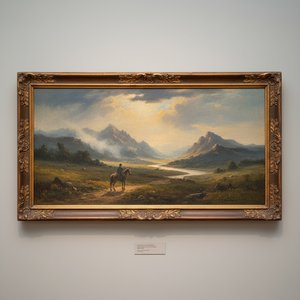
Anthony Vandyke Copley Fielding: Rediscovering a Master of Romantic Landscape
Discover the captivating landscapes of Anthony Vandyke Copley Fielding, a master of Romantic watercolour painting. Explore his life, technique, and legacy with OriginalUniqueArt – your source for museum-quality art reproductions & expert appraisal.

Las 25 mejores obras de John Constable: Un viaje al corazón del paisaje inglés
Descubre las 25 obras maestras de John Constable y su alma romántica. Explora la colección completa en OriginalUniqueArt.com.

Paisajes Románticos: 10 Obras Maestras que Definieron un Movimiento Artístico
Descubre los 10 paisajes románticos más influyentes de artistas como Caspar David Friedrich y Turner. Explora la belleza, el simbolismo y las técnicas del movimiento romántico. Reproducciones de arte exclusivas en OriginalUniqueArt.com.