
 Ver en contexto
 Enviar
 Compartir
 Detalles
 Guía
Guía

 Descargar
 Similares
 Radiografía
 Presentación de diapositivas
 Q&A
Q&A Estadísticas
Going to the Hayfield


 Ver más
Giclée / Impresión de arte
Impresiones giclée o en lienzo de calidad de museo con producción rápida y opciones de acabado flexibles. ( Comprar pintura hecha a mano Cambiar a imagen digital)




P118B €10

P118H €10

P118W €10

P438Z €10

P508JH €12

P508YH €12

P805H €10

P805Z €10

P919BZ €10

P919G €10

P919XJ €10

P959ZH €10

P968JZ €12

W106C €8

W218G €10

W218JH €8

W218Y €10

W307PJ €10

W316G €10

W316PJ €8

W316Y €10

W398PJ €8

W4111J €10

W500HY €15

W500JH €15

W692G €12

W849H €8

W940BG €15

W953PJ €8




Elija entre nuestros tamaños predefinidos que respetan las proporciones originales de la obra.

Introduzca el ancho y el alto que necesite para adaptarse a su marco o pared. Una impresión solo puede recortarse, nunca hacerse más grande que la imagen original, por lo que un tamaño con una forma distinta perderá parte de la obra. Le enviaremos una maqueta digital para su aprobación antes de realizar cualquier impresión. La imagen que se muestra en esta página no refleja el recorte real; solo la maqueta lo hace.
Envío a todo el mundo () en 2 semanas en lugar de las 4/5 semanas estándar. (31 octubre)

Envío exprés gratuito a todo el mundo

Lienzo de lino de alta calidad

Seguro de envío total

Garantía de reembolso de aranceles aduaneros

Garantía de fidelidad cromática exacta

Política de devolución de 100 días (solo por defectos)

Garantía de devolución del 100% del dinero

Descuento por cantidad
 La opción de vidrio solo está disponible en tamaños inferiores a 110 cm.

Going to the Hayfield
Giclée / Impresión de arte
Dimensiones de la reproducción
-


Precio total final
€ 71
A Moment of Rural Tranquility: Exploring David Cox’s “Going to the Hayfield”
David Cox's "Going to the Hayfield," painted in 1849, isn’t merely a landscape; it’s a carefully constructed distillation of Romantic sensibility and a profound connection to the English countryside. This evocative piece, now beautifully reproduced, transports us to a specific moment – a quiet afternoon as figures journey towards a hayfield bathed in the diffused light of an overcast sky. Cox, a pivotal figure bridging the gap between earlier landscape traditions and the burgeoning Impressionism of his time, masterfully captures not just the visual elements but also the atmosphere and emotional resonance of rural life.
Cox’s style is distinctly Romantic, prioritizing mood and feeling over precise detail. He eschews sharp outlines and meticulous rendering in favor of loose, expressive brushstrokes that create a sense of movement and texture throughout the canvas. The painting feels less like a photographic representation and more like an emotional response to the scene – a memory imbued with tranquility and a subtle melancholy. The muted color palette—dominated by earthy greens, browns, and grays punctuated by hints of red in the figures’ clothing—further enhances this atmospheric effect, suggesting a timelessness that transcends any specific date or season.
Composition and Perspective: Framing a Pastoral Scene
The composition is deliberately horizontal, emphasizing the vast expanse of the sky which dominates nearly two-thirds of the canvas. This expansive view immediately establishes a sense of scale and invites the viewer to lose themselves in the landscape. A subtle foreground—a simple fence and patches of foliage—serves as a gentle guide, drawing our eye towards the middle ground where the figures are positioned. The low horizon line reinforces this feeling of openness and amplifies the drama of the sky. Cox skillfully employs atmospheric perspective; distant elements recede into a hazy blue distance, creating an illusion of depth and suggesting the immense scale of the countryside.
The placement of the figures – a small group riding horseback and walking alongside a fence – is crucial to the painting’s narrative. They are not imposing subjects but rather integrated seamlessly within the landscape, representing humanity's quiet interaction with nature. Their presence anchors the scene while simultaneously highlighting its inherent beauty and solitude.
Symbolism and Emotional Resonance: A Reflection of Romantic Ideals
“Going to the Hayfield” is rich in symbolic meaning, reflecting the core tenets of the Romantic movement. The overcast sky, often interpreted as a symbol of introspection or contemplation, lends a subtle melancholy to the scene. It’s not a bright, celebratory landscape; rather, it evokes a sense of quiet reflection and connection to something larger than oneself. The hayfield itself represents abundance and sustenance – a vital element of rural life and a reminder of nature's generosity. Cox’s choice of subject matter—a simple, everyday activity—elevates it to an artistic statement about the beauty and value of the natural world.
Technique and Materials: The Art of Layered Impressionism
Cox’s technique is characterized by a layering of colors applied with loose brushstrokes. He builds up the image gradually, creating a sense of depth and texture through subtle variations in tone and hue. The use of oil paint on canvas allows for rich color saturation and blending—essential to achieving the painting's atmospheric effect. The artist’s deliberate avoidance of sharp lines contributes to the overall feeling of softness and fluidity. It is a testament to Cox’s skill that this seemingly simple landscape feels so profoundly alive, capturing not just what he saw but also how he *felt* about it.
Preguntas y respuestas
¿Qué sensación transmite "Going to the Hayfield" de David Cox?
El estado de ánimo que transmite "Going to the Hayfield" de David Cox es Calm, y su tono emocional es Tranquil.
¿De qué manera el estilo de "Going to the Hayfield" se relaciona con la época de su creador?
"Going to the Hayfield" pertenece al movimiento Romantic Landscape Painting, y su creador trabajó en la época Siglo XIX.
¿Cómo puedo ver "Going to the Hayfield" de David Cox en formato de presentación?
Puede ver el diaporama de "Going to the Hayfield" en la página Galería de imágenes de la obra.
Biografía del artista
David Cox: Una Vida en el Paisaje
Primeros Años y Formación
- Nacimiento: 29 de abril de 1783, en Deritend, Birmingham, Reino Unido.
- El padre de David Cox era herrero y artesano, encargado de suministrar componentes a la industria de armas de Birmingham. Su madre, proveniente de un entorno agrícola, poseía una educación superior y un carácter firme.
- Inicialmente, se matriculó en la academia de Joseph Barber en Great Charles Street, donde conoció a sus compañeros de estudios Charles Barber y William Radclyffe.
- A los 15 años, Cox comenzó su aprendizaje con Albert Fielder, un pintor de Birmingham especializado en miniaturas de retratos y pinturas decorativas para objetos como cajas de rapé. Esta formación temprana le proporcionó las habilidades fundamentales para su futuro.
Desarrollo de su Carrera y Viaje Artístico
- En 1804, Cox se trasladó a Londres y contrajo matrimonio con Mary Ragg, la hija de su casero.
- Un viaje trascendental a Gales en 1805 junto a Charles Barber marcó el inicio de numerosas expediciones de bocetaje que realizaría a lo largo de su vida. Estos viajes influyeron profundamente en su estilo artístico.
- Desde 1805, exhibió regularmente en la Royal Academy, ganándose inicialmente la vida como maestro de dibujo. El coronel Hon. H. Windsor se convirtió en uno de sus primeros alumnos en 1808.
- La obra temprana de Cox se centró en paisajes detallados en acuarela, representando a menudo escenas rurales y temas arquitectónicos.
Estilo Artístico e Influencias
- El estilo de Cox evolucionó con el tiempo, transitando desde representaciones topográficas precisas hacia un enfoque mucho más expresivo y atmosférico.
- Influencias: Aunque las influencias específicas son objeto de debate, su obra demuestra una afinidad por los pintores de paisajes holandeses del siglo XVII y una aguda observación de la naturaleza que recuerda a Constable.
- Se hizo conocido por su pincelada suelta, sus colores vibrantes y su capacidad para capturar los efectos de la luz y el clima. Sus pinturas al óleo de etapas posteriores fueron particularmente innovadoras.
Grandes Logros y Legado
- Hacia el final de su carrera, Cox pintó más de 300 obras al óleo, lo que hoy se reconoce como “uno de los mayores, pero menos reconocidos, logros de cualquier pintor británico”.
- Es considerado uno de los más grandes pintores de paisajes ingleses y una figura fundamental de la Edad Dorada de la acuarela inglesa.
- Su obra influyó significativamente en las generaciones posteriores de artistas del paisaje.
- Obras Notables: The Wind on the Heath, Cottage in Herefordshire, Junction of the Severn and the Wye with Chepstow in the distance y Moonlight Landscape se encuentran entre sus pinturas más celebradas.
Significado Histórico
- David Cox es reconocido como un precursor temprano del Impresionismo. Su énfasis en capturar efectos atmosféricos fugaces y su pincelada suelta anticiparon muchas de las técnicas que más tarde adoptarían los impresionistas.
- Desempeñó un papel crucial en la consolidación de la pintura de paisaje británica como un género distinto, alejándose de las representaciones puramente topográficas hacia interpretaciones más expresivas y emocionales de la naturaleza.
- Su obra continúa siendo admirada por su belleza, sensibilidad y atractivo perdurable.
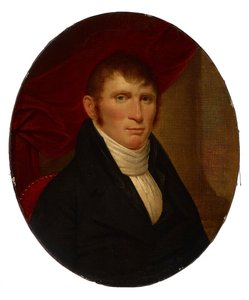
David Cox
1783 - 1859 , Reino Unido
Datos clave
- Artistic Movement Or Style: Edad Dorada de la Acuarela Inglesa; Impresionismo temprano
- Artists Or Movements Influenced By This Artist: ['Impresionismo']
- Artists Who Influenced This Artist:
- John Constable
- Thomas Gainsborough
- Date Of Birth: 29 abril 1783
- Date Of Death: 7 junio 1859
- Full Name: David Cox
- Nationality: Inglés
- Notable Artworks:
- El Viento en la Vega
- Cabaña en Herefordshire
- Confluencia del Severn y el Wye con Chepstow a lo lejos
- Paisaje Lunar
- Place Of Birth: Birmingham, Reino Unido
Artículos relacionados

Paisajes Románticos: 10 Obras Maestras que Definieron un Movimiento Artístico
Descubre los 10 paisajes románticos más influyentes de artistas como Caspar David Friedrich y Turner. Explora la belleza, el simbolismo y las técnicas del movimiento romántico. Reproducciones de arte exclusivas en OriginalUniqueArt.com.

Las 25 mejores obras de John Constable: Un viaje al corazón del paisaje inglés
Descubre las 25 obras maestras de John Constable y su alma romántica. Explora la colección completa en OriginalUniqueArt.com.

Acuarelas Legendarias: 10 Obras Maestras que Transformaron el Arte | OriginalUniqueArt
Descubre 10 acuarelas legendarias de Turner, Monet y Sargent que revolucionaron el arte. Explora la historia, técnica y belleza de estas obras maestras impresionistas y románticas. Reproducciones de museo en OriginalUniqueArt.com.

David Cox the Elder: Landscape, Light & the Romantic Vision of Rural England
Explore the captivating landscapes of David Cox the Elder, a pivotal figure in British Romanticism. Discover his masterful watercolour techniques, enduring legacy & find timeless art for your home at OriginalUniqueArt.

Ephemeral Visions: Exploring the Artistic Legacy & Contemporary Practice of Watercolor Painting
Explore the captivating world of watercolor painting! Discover its rich history, essential techniques, influential artists & collecting tips. A comprehensive guide for art enthusiasts from OriginalUniqueArt.

