
 Vista previa
 Compartir
 Compartir
 Ver detalles

 Descargar
 Ver similares
 Radiografía
 Presentación de diapositivas
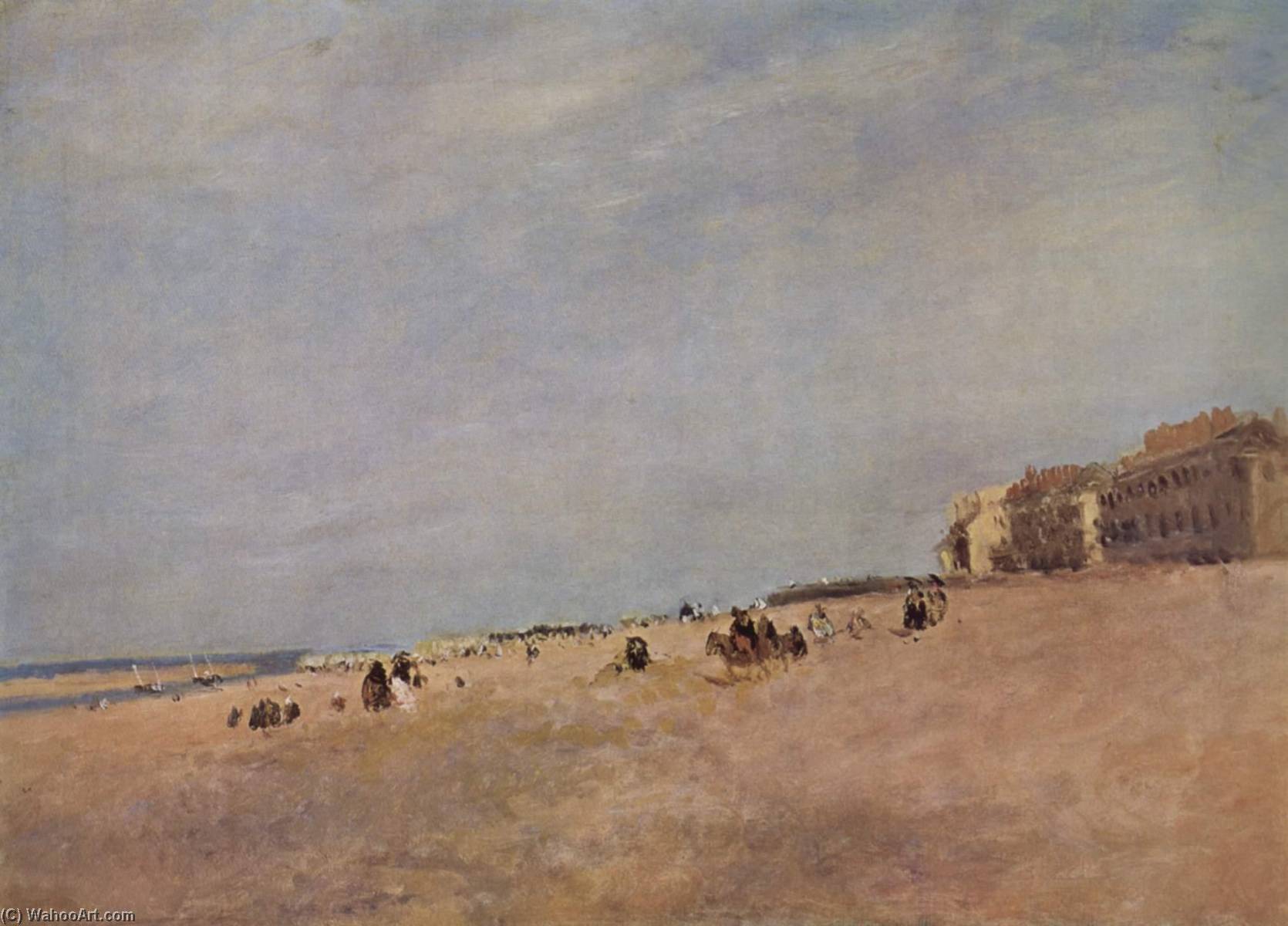
German Der Strand von Rhyl
 Oil
Oil- WallArt
- Pre-Impressionism
 1854
1854- 19th Century
 46.0 x 64.0 cm
 Manchester Art Gallery
 Leer más
Reproducción al óleo hecha a mano
Óleo sobre lienzo pintado a mano en el tamaño y marco de su elección, realizado por encargo por nuestros artistas. ( Pedir impresión Comprar descarga)




P118B $10

P118H $10

P118W $10

P438Z $10

P508JH $12

P508YH $12

P805H $10

P805Z $10

P919BZ $10

P919G $10

P919XJ $10

P959ZH $10

P968JZ $12

W106C $8

W218G $10

W218JH $8

W218Y $10

W307PJ $10

W316G $10

W316PJ $8

W316Y $10

W398PJ $8

W4111J $10

W500HY $15

W500JH $15

W692G $12

W849H $8

W940BG $15

W953PJ $8




Elija entre nuestros tamaños predefinidos que respetan las proporciones originales de la obra.

Puede ingresar sus propias dimensiones para adaptarse a un marco o espacio específico. Si el tamaño seleccionado no coincide con las proporciones de la imagen original, recortaremos la obra o extenderemos la pintura con elementos adicionales pintados a mano. Se le enviará una maqueta digital para su aprobación antes de comenzar la producción.
Tenga en cuenta que la vista previa en pantalla no refleja el recorte o la extensión reales. Solo la maqueta mostrará con precisión la composición final.
Si bien existen tamaños personalizados, recomendamos seleccionar una dimensión de la lista predefinida para preservar las proporciones originales.
Tras realizar el pedido, el equipo de OriginalUniqueArt.com enviará un correo electrónico al cliente para solicitar instrucciones y proporcionarle una vista previa del boceto.
Envío a todo el mundo () en 3-4 semanas en lugar de las 5 semanas estándar. (21 agosto). Sin comprometer la calidad.

Envío exprés gratuito a todo el mundo

Lienzo de lino de alta calidad

Seguro de envío completo

Garantía de reembolso de aranceles aduaneros

Garantía de fidelidad cromática exacta

Política de devolución de 60 días (solo por defectos)

Garantía de devolución del 100% del dinero

Oferta por volumen
 La opción de vidrio solo está disponible en tamaños inferiores a 110 cm.

German Der Strand von Rhyl
Técnica de reproducción
Tamaño de la reproducción
-


Precio total
$ 300
Descripción de la obra
A Moment Frozen in Time: The Serenity of Rhyl
In the gentle sweep of David Cox’s Der Strand von Rhyl, we are invited to step into a mid-19th-century coastal retreat, where the boundaries between land and sea blur under a soft, atmospheric light. Painted in 1854, this evocative piece captures more than just a geographical location; it captures a fleeting sense of peace. The sandy shore of Rhyl becomes a stage for quiet human connection, with figures scattered across the landscape like notes on a musical score. Some wander near the rhythmic edge of the tide, while others linger further back, anchored by the presence of horses that suggest a slower, more pastoral pace of life. A solitary boat rests near the center, serving as a silent witness to the maritime traditions and leisure activities that defined this era.
The composition is masterfully balanced, guiding the viewer’s eye from the textured foreground of the beach toward the hazy, distant horizon. There is a profound sense of movement captured within stillness—the subtle suggestion of waves lapping at the shore and the slow gait of the horses in the background. For the collector or interior designer, this painting offers a window into a bygone era of tranquility, making it an ideal centerpiece for spaces that aim to evoke calmness, nostalgia, and a connection to the natural world.
The Mastery of the Birmingham School
As a leading figure of the Birmingham School, David Cox was a pioneer whose work acted as a precursor to Impressionism. His technique in this piece demonstrates his legendary ability to manipulate light and atmosphere through broad, confident brushstrokes. Rather than focusing on hyper-realistic detail, Cox prioritizes the "feeling" of the air and the moisture of the coastal breeze. This approach allows the viewer to experience the humidity of the seaside and the warmth of the sun through a layered application of color and tone.
The artist’s background in miniature painting and decorative arts is subtly present in his ability to render small, delicate figures within a much larger, sweeping landscape. This duality creates a sense of scale that is both intimate and expansive. When considering a high-quality reproduction of this work, one can truly appreciate how the interplay of light and shadow brings the sandy textures and the reflective water to life, providing a sophisticated aesthetic element to any curated art collection or elegantly designed room.
An Emotional Resonance for Modern Spaces
Beyond its historical significance, Der Strand von Rhyl possesses an enduring emotional impact. In our modern, fast-paced world, the painting serves as a visual sanctuary. The symbolism of the beach—a place of transition and reflection—resonates deeply with anyone seeking to infuse their home with a sense of restorative quietude. The presence of the horses and the boat adds a layer of romanticism, reminding us of a time when humanity lived in closer harmony with the rhythms of nature.
For those looking to decorate a study, a living area, or a coastal-themed suite, this artwork provides a timeless elegance. It does not merely decorate a wall; it transforms an environment by introducing a narrative of leisure and light. Owning a reproduction of such a significant piece from the mid-1800s allows for a continuous dialogue with art history, bringing the soulful landscapes of David Cox into the contemporary interior.
Biografía del artista
David Cox: Una Vida en el Paisaje
Primeros Años y Formación
- Nacimiento: 29 de abril de 1783, en Deritend, Birmingham, Reino Unido.
- El padre de David Cox era herrero y artesano, encargado de suministrar componentes a la industria de armas de Birmingham. Su madre, proveniente de un entorno agrícola, poseía una educación superior y un carácter firme.
- Inicialmente, se matriculó en la academia de Joseph Barber en Great Charles Street, donde conoció a sus compañeros de estudios Charles Barber y William Radclyffe.
- A los 15 años, Cox comenzó su aprendizaje con Albert Fielder, un pintor de Birmingham especializado en miniaturas de retratos y pinturas decorativas para objetos como cajas de rapé. Esta formación temprana le proporcionó las habilidades fundamentales para su futuro.
Desarrollo de su Carrera y Viaje Artístico
- En 1804, Cox se trasladó a Londres y contrajo matrimonio con Mary Ragg, la hija de su casero.
- Un viaje trascendental a Gales en 1805 junto a Charles Barber marcó el inicio de numerosas expediciones de bocetaje que realizaría a lo largo de su vida. Estos viajes influyeron profundamente en su estilo artístico.
- Desde 1805, exhibió regularmente en la Royal Academy, ganándose inicialmente la vida como maestro de dibujo. El coronel Hon. H. Windsor se convirtió en uno de sus primeros alumnos en 1808.
- La obra temprana de Cox se centró en paisajes detallados en acuarela, representando a menudo escenas rurales y temas arquitectónicos.
Estilo Artístico e Influencias
- El estilo de Cox evolucionó con el tiempo, transitando desde representaciones topográficas precisas hacia un enfoque mucho más expresivo y atmosférico.
- Influencias: Aunque las influencias específicas son objeto de debate, su obra demuestra una afinidad por los pintores de paisajes holandeses del siglo XVII y una aguda observación de la naturaleza que recuerda a Constable.
- Se hizo conocido por su pincelada suelta, sus colores vibrantes y su capacidad para capturar los efectos de la luz y el clima. Sus pinturas al óleo de etapas posteriores fueron particularmente innovadoras.
Grandes Logros y Legado
- Hacia el final de su carrera, Cox pintó más de 300 obras al óleo, lo que hoy se reconoce como “uno de los mayores, pero menos reconocidos, logros de cualquier pintor británico”.
- Es considerado uno de los más grandes pintores de paisajes ingleses y una figura fundamental de la Edad Dorada de la acuarela inglesa.
- Su obra influyó significativamente en las generaciones posteriores de artistas del paisaje.
- Obras Notables: The Wind on the Heath, Cottage in Herefordshire, Junction of the Severn and the Wye with Chepstow in the distance y Moonlight Landscape se encuentran entre sus pinturas más celebradas.
Significado Histórico
- David Cox es reconocido como un precursor temprano del Impresionismo. Su énfasis en capturar efectos atmosféricos fugaces y su pincelada suelta anticiparon muchas de las técnicas que más tarde adoptarían los impresionistas.
- Desempeñó un papel crucial en la consolidación de la pintura de paisaje británica como un género distinto, alejándose de las representaciones puramente topográficas hacia interpretaciones más expresivas y emocionales de la naturaleza.
- Su obra continúa siendo admirada por su belleza, sensibilidad y atractivo perdurable.
David Cox
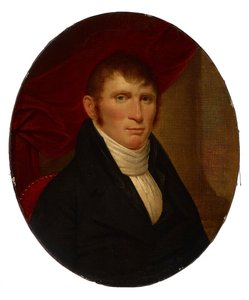
1783 - 1859 , Reino Unido
Datos clave
- Artistic Movement Or Style: Edad Dorada de la Acuarela Inglesa; Impresionismo temprano
- Artists Or Movements Influenced By This Artist: ['Impresionismo']
- Artists Who Influenced This Artist:
- John Constable
- Thomas Gainsborough
- Date Of Birth: 29 abril 1783
- Date Of Death: 7 junio 1859
- Full Name: David Cox
- Nationality: Inglés
- Notable Artworks:
- El Viento en la Vega
- Cabaña en Herefordshire
- Confluencia del Severn y el Wye con Chepstow a lo lejos
- Paisaje Lunar
- Place Of Birth: Birmingham, Reino Unido
Artículos relacionados

David Cox the Elder: Landscape, Light & the Romantic Vision of Rural England
Explore the captivating landscapes of David Cox the Elder, a pivotal figure in British Romanticism. Discover his masterful watercolour techniques, enduring legacy & find timeless art for your home at OriginalUniqueArt.

Paisajes Románticos: 10 Obras Maestras que Definieron un Movimiento Artístico
Descubre los 10 paisajes románticos más influyentes de artistas como Caspar David Friedrich y Turner. Explora la belleza, el simbolismo y las técnicas del movimiento romántico. Reproducciones de arte exclusivas en OriginalUniqueArt.com.

William James Müller: Navigating Victorian Sentiment & Realism in British Landscape Painting
Explore the captivating landscapes of William James Müller, the leading artist of the Bristol School. Discover his Victorian masterpieces, Egyptian travels & Lycian sketches – a journey through 19th-century art and technique.

John Constable: Las 25 Obras Maestras del Paisaje Inglés | OriginalUniqueArt
Descubre las 25 obras maestras de John Constable, el pintor romántico inglés que capturó la belleza del paisaje. Explora su técnica, historia y significado en OriginalUniqueArt.com. Reproducciones de arte de alta calidad para tu hogar.

Evocations of Place: A Historical Journey Through Landscape Art
Explore the rich history of landscape art with OriginalUniqueArt. Discover renowned artists, movements like Impressionism & Romanticism, and expert guidance for collecting timeless pieces. Find your perfect serene escape today!


