

 Vista previa
 Compartir
 Compartir
 Ver detalles
 Guía
Guía

 Descargar
 Ver artículos similares
 Radiografía
 Presentación de diapositivas
 Estadísticas
Battle Abbey, Sussex
 Acrylic On Canvas
- WallArt
- Romanticism
 12.0 x 18.0 cm
 Yale Center for British Art
 Leer más
Giclée / Impresión de arte
Impresiones giclée o en lienzo de calidad de museo con producción rápida y opciones de acabado flexibles. ( Encargar reproducción pintada a mano Ver versión en imagen digital)




P118B $10

P118H $10

P118W $10

P438Z $10

P508JH $12

P508YH $12

P805H $10

P805Z $10

P919BZ $10

P919G $10

P919XJ $10

P959ZH $10

P968JZ $12

W106C $8

W218G $10

W218JH $8

W218Y $10

W307PJ $10

W316G $10

W316PJ $8

W316Y $10

W398PJ $8

W4111J $10

W500HY $15

W500JH $15

W692G $12

W849H $8

W940BG $15

W953PJ $8




Elija entre nuestros tamaños predefinidos que respetan las proporciones originales de la obra.

Puede introducir sus propias dimensiones para adaptarse a un marco o espacio específico. Si el tamaño seleccionado no coincide con las proporciones de la imagen original, recortaremos la obra de arte o extenderemos la imagen con un borde con efecto espejo o de color sólido. Se enviará una maqueta digital para su aprobación antes de que comience la producción.
Tenga en cuenta que la vista previa en pantalla no refleja el recorte o la extensión real. Solo la maqueta mostrará con precisión la composición final.
Aunque existen tamaños personalizados, recomendamos seleccionar una dimensión de la lista predefinida para preservar las proporciones originales.
Envío a todo el mundo () en 2 semanas en lugar de las 4/5 semanas estándar. (27 septiembre)

Envío exprés gratuito a todo el mundo

Lienzo de lino de alta calidad

Seguro de envío completo

Garantía de reembolso de impuestos aduaneros

Garantía de fidelidad cromática exacta

Política de devolución de 100 días (solo por defectos)

Garantía de devolución del 100% del dinero

Oferta por volumen
 La opción de vidrio solo está disponible en tamaños inferiores a 110 cm.

Battle Abbey, Sussex
Giclée / Impresión de arte
Tamaño de la reproducción
-


Precio total
$ 80
The Ruin's Silent Story: David Cox’s Battle Abbey
David Cox’s “Battle Abbey, Sussex” isn’t merely a depiction of crumbling stone; it’s a poignant meditation on time, power, and the enduring spirit of a landscape steeped in history. Painted around 1840-1850, during his most mature period, this watercolor captures a scene that resonates with both grandeur and melancholy – the skeletal remains of a once-mighty Benedictine abbey set against the muted palette of the Sussex countryside. The painting immediately draws the eye to the imposing silhouette of the castle ruins, their weathered walls hinting at centuries of stories whispered by wind and rain. Yet, it’s not simply a record of decay; Cox imbues the scene with a palpable sense of romanticism, suggesting a profound connection between the past and the present.

A Master of Atmospheric Watercolor
Cox’s skill lies not just in his subject matter but in his masterful manipulation of watercolor technique. The painting is characterized by loose, expressive brushstrokes—a hallmark of the Birmingham School to which he belonged. Layers of translucent washes create a remarkable sense of depth and atmosphere, blurring the lines between sky and earth, castle and hill. Notice how he uses dry brushwork to build texture onto the stone, suggesting the rough-hewn nature of the ancient walls while simultaneously softening their edges with delicate washes. The color palette is deliberately restrained – earthy browns, greys, and muted greens dominate—reflecting the somber beauty of a ruined structure and the overcast skies typical of the Sussex landscape. This careful control of color contributes significantly to the painting’s overall mood.
- Wet-on-wet technique: Cox expertly utilizes this method, allowing colors to blend seamlessly and creating soft, diffused effects.
- Loose brushwork: The expressive strokes convey a sense of movement and energy within the static scene.
- Subdued palette: Earth tones evoke a feeling of age, decay, and quiet contemplation.
Echoes of 1066 and Beyond
The location itself—Battle Abbey—holds immense historical significance. Built on the very site where William the Conqueror’s forces defeated King Harold in 1066, the abbey became a symbol of Norman power and piety. Cox's painting subtly references this pivotal moment in English history. The ruined walls stand as a silent testament to the battles fought and the lives lived within its walls. The inclusion of sheep in the foreground adds a layer of pastoral tranquility, juxtaposing the grandeur of the past with the everyday rhythms of rural life. It’s a deliberate choice that invites contemplation on the cyclical nature of time and the enduring presence of nature amidst human endeavor.
Furthermore, Cox's work aligns with the broader Romantic movement in art, which emphasized emotion, imagination, and the sublime beauty of the natural world. The painting captures not just the physical appearance of Battle Abbey but also its emotional resonance—a sense of loss, nostalgia, and a deep connection to the past.
A Legacy of Evocative Landscapes
David Cox’s “Battle Abbey, Sussex” is more than just a beautiful watercolor; it's a window into a bygone era. His ability to capture both the grandeur and the melancholy of historical sites, combined with his masterful use of watercolor technique, cemented his place as one of the most important landscape painters of the 19th century. Reproductions of this evocative work offer a chance to bring a piece of English history—and Cox’s artistic vision—into your own home, serving as a constant reminder of the enduring power of art and memory.
Biografía del artista
David Cox: Una Vida en el Paisaje
Primeros Años y Formación
- Nacimiento: 29 de abril de 1783, en Deritend, Birmingham, Reino Unido.
- El padre de David Cox era herrero y artesano, encargado de suministrar componentes a la industria de armas de Birmingham. Su madre, proveniente de un entorno agrícola, poseía una educación superior y un carácter firme.
- Inicialmente, se matriculó en la academia de Joseph Barber en Great Charles Street, donde conoció a sus compañeros de estudios Charles Barber y William Radclyffe.
- A los 15 años, Cox comenzó su aprendizaje con Albert Fielder, un pintor de Birmingham especializado en miniaturas de retratos y pinturas decorativas para objetos como cajas de rapé. Esta formación temprana le proporcionó las habilidades fundamentales para su futuro.
Desarrollo de su Carrera y Viaje Artístico
- En 1804, Cox se trasladó a Londres y contrajo matrimonio con Mary Ragg, la hija de su casero.
- Un viaje trascendental a Gales en 1805 junto a Charles Barber marcó el inicio de numerosas expediciones de bocetaje que realizaría a lo largo de su vida. Estos viajes influyeron profundamente en su estilo artístico.
- Desde 1805, exhibió regularmente en la Royal Academy, ganándose inicialmente la vida como maestro de dibujo. El coronel Hon. H. Windsor se convirtió en uno de sus primeros alumnos en 1808.
- La obra temprana de Cox se centró en paisajes detallados en acuarela, representando a menudo escenas rurales y temas arquitectónicos.
Estilo Artístico e Influencias
- El estilo de Cox evolucionó con el tiempo, transitando desde representaciones topográficas precisas hacia un enfoque mucho más expresivo y atmosférico.
- Influencias: Aunque las influencias específicas son objeto de debate, su obra demuestra una afinidad por los pintores de paisajes holandeses del siglo XVII y una aguda observación de la naturaleza que recuerda a Constable.
- Se hizo conocido por su pincelada suelta, sus colores vibrantes y su capacidad para capturar los efectos de la luz y el clima. Sus pinturas al óleo de etapas posteriores fueron particularmente innovadoras.
Grandes Logros y Legado
- Hacia el final de su carrera, Cox pintó más de 300 obras al óleo, lo que hoy se reconoce como “uno de los mayores, pero menos reconocidos, logros de cualquier pintor británico”.
- Es considerado uno de los más grandes pintores de paisajes ingleses y una figura fundamental de la Edad Dorada de la acuarela inglesa.
- Su obra influyó significativamente en las generaciones posteriores de artistas del paisaje.
- Obras Notables: The Wind on the Heath, Cottage in Herefordshire, Junction of the Severn and the Wye with Chepstow in the distance y Moonlight Landscape se encuentran entre sus pinturas más celebradas.
Significado Histórico
- David Cox es reconocido como un precursor temprano del Impresionismo. Su énfasis en capturar efectos atmosféricos fugaces y su pincelada suelta anticiparon muchas de las técnicas que más tarde adoptarían los impresionistas.
- Desempeñó un papel crucial en la consolidación de la pintura de paisaje británica como un género distinto, alejándose de las representaciones puramente topográficas hacia interpretaciones más expresivas y emocionales de la naturaleza.
- Su obra continúa siendo admirada por su belleza, sensibilidad y atractivo perdurable.
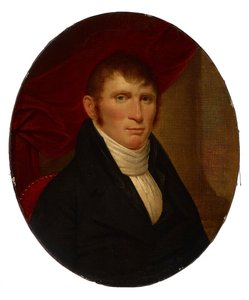
David Cox
1783 - 1859 , Reino Unido
Datos clave
- Artistic Movement Or Style: Edad Dorada de la Acuarela Inglesa; Impresionismo temprano
- Artists Or Movements Influenced By This Artist: ['Impresionismo']
- Artists Who Influenced This Artist:
- John Constable
- Thomas Gainsborough
- Date Of Birth: 29 abril 1783
- Date Of Death: 7 junio 1859
- Full Name: David Cox
- Nationality: Inglés
- Notable Artworks:
- El Viento en la Vega
- Cabaña en Herefordshire
- Confluencia del Severn y el Wye con Chepstow a lo lejos
- Paisaje Lunar
- Place Of Birth: Birmingham, Reino Unido
Artículos relacionados

Ephemeral Visions: Exploring the Artistic Legacy & Contemporary Practice of Watercolor Painting
Explore the captivating world of watercolor painting! Discover its rich history, essential techniques, influential artists & collecting tips. A comprehensive guide for art enthusiasts from OriginalUniqueArt.

Ephemeral Visions: Exploring the Artistic Legacy & Nuances of Watercolor Painting
Explore the captivating world of watercolor painting! Discover its rich history, essential techniques, influential artists & collecting tips from art experts. A comprehensive guide for enthusiasts.

Visiones Efímeras: Historia y Resonancia Emocional de la Pintura Acuarela
Descubre la fascinante historia de la acuarela, desde sus orígenes hasta su expresión contemporánea. Explora técnicas, artistas clave como Paul Klee y encuentra reproducciones de alta calidad en OriginalUniqueArt.

Acuarelas Legendarias: 10 Obras Maestras que Transformaron el Arte | OriginalUniqueArt
Descubre 10 acuarelas legendarias de Turner, Monet y Sargent que revolucionaron el arte. Explora la historia, técnica y belleza de estas obras maestras impresionistas y románticas. Reproducciones de museo en OriginalUniqueArt.com.

La Fascinación Duradera de la Acuarela: Historia, Técnicas y Práctica Contemporánea
Descubre la fascinante historia y las técnicas de la acuarela. Explora obras maestras, aprende con expertos y encuentra reproducciones o comisiones personalizadas en .
