Vista previa
 Compartir
 Compartir
 Ver detalles
 Guía
Guía

 Descargar
 Ver artículos similares
 Radiografía
 Presentación de diapositivas
 Estadísticas
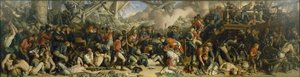
A Scene from 'Undine'
 Acrylic On Canvas
- WallArt
- Romantic Historical Painting
 1843
1843 45.0 x 61.0 cm
 Colección Real
 Leer más
Reproducción al óleo hecha a mano
Óleo sobre lienzo pintado a mano en el tamaño y marco de su elección, realizado por encargo por nuestros artistas. ( Cambiar a formato impreso Ver versión en imagen digital)




P118B $10

P118H $10

P118W $10

P438Z $10

P508JH $12

P508YH $12

P805H $10

P805Z $10

P919BZ $10

P919G $10

P919XJ $10

P959ZH $10

P968JZ $12

W106C $8

W218G $10

W218JH $8

W218Y $10

W307PJ $10

W316G $10

W316PJ $8

W316Y $10

W398PJ $8

W4111J $10

W500HY $15

W500JH $15

W692G $12

W849H $8

W940BG $15

W953PJ $8




Elija entre nuestros tamaños predefinidos que respetan las proporciones originales de la obra.

Puede ingresar sus propias dimensiones para adaptarse a un marco o espacio específico. Si el tamaño seleccionado no coincide con las proporciones de la imagen original, recortaremos la obra o extenderemos la pintura con elementos adicionales pintados a mano. Se le enviará una maqueta digital para su aprobación antes de comenzar la producción.
Tenga en cuenta que la vista previa en pantalla no refleja el recorte o la extensión reales. Solo la maqueta mostrará con precisión la composición final.
Si bien existen tamaños personalizados, recomendamos seleccionar una dimensión de la lista predefinida para preservar las proporciones originales.
Tras realizar el pedido, el equipo de OriginalUniqueArt.com enviará un correo electrónico al cliente para solicitar instrucciones y proporcionarle una vista previa del boceto.
Envío a todo el mundo () en 3-4 semanas en lugar de las 5 semanas estándar. (27 septiembre). Sin comprometer la calidad.

Envío exprés gratuito a todo el mundo

Lienzo de lino de alta calidad

Seguro de envío completo

Garantía de reembolso de impuestos aduaneros

Garantía de fidelidad cromática exacta

Política de devolución de 100 días (solo por defectos)

Garantía de devolución del 100% del dinero

Oferta por volumen
 La opción de vidrio solo está disponible en tamaños inferiores a 110 cm.

A Scene from 'Undine'
Técnica de reproducción
Tamaño de la reproducción
-


Precio total
$ 300
A Scene from ‘Undine’ by Daniel Maclise – A Victorian Romance of Water and Soul
Daniel Maclise's “A Scene from ‘Undine’,” painted in 1843, is more than a mere depiction of a fairy tale; it’s a meticulously crafted tableau brimming with Romantic ideals, symbolic weight, and the burgeoning anxieties of Victorian society. This captivating work, now housed within the Royal Gallery at the Palace of Westminster, transports us to a shadowed forest glen, where a young knight, Huldbrand, confronts the elemental forces embodied by Undine, a water spirit yearning for a soul. Maclise’s masterful handling of light, color, and composition creates an atmosphere both alluring and subtly unsettling, reflecting the complex interplay between beauty, danger, and the eternal quest for redemption.
The painting is deeply rooted in Friedrich de la Motte Fouqué's 1819 novella of the same name – a story that resonated powerfully with Victorian audiences. The narrative centers on Undine’s desire to transcend her watery existence and attain a human soul through marriage. Maclise doesn’t simply illustrate the plot; he amplifies its themes of transformation, sacrifice, and the struggle between opposing forces. The scene depicted captures a pivotal moment – Huldbrand's resolute defense against Kuhleborn, the malevolent water spirit who seeks to prevent Undine from achieving her goal. This confrontation isn’t merely physical; it represents a battle for the very essence of existence.
A Symphony of Color and Detail
Maclise was renowned for his meticulous attention to detail and his ability to render textures with astonishing realism. “A Scene from ‘Undine’” exemplifies this skill, showcasing a rich tapestry of colors and intricate details. The deep greens and browns of the forest floor contrast sharply with the ethereal blues and whites of Undine's watery realm. Notice the careful rendering of the foliage – each leaf, branch, and root meticulously depicted to create a sense of depth and immersion. The figures themselves are rendered with remarkable precision; Huldbrand’s determined expression, Undine’s delicate beauty, and Father Heilmann’s solemnity are all conveyed through subtle shifts in posture and facial expression.
Technically, Maclise employed a combination of oil paints on canvas. He was particularly adept at capturing the effects of light and shadow, creating a dramatic chiaroscuro that emphasizes the scene's emotional intensity. The use of glazing techniques – applying thin layers of translucent paint over dried underlayers – allowed him to build up color gradually, achieving remarkable luminosity and depth. Furthermore, Maclise’s background elements are not merely decorative; they contribute significantly to the overall narrative, hinting at the hidden world of spirits and folklore that underlies the story.
Symbolism and Victorian Anxieties
Beyond its surface beauty, “A Scene from ‘Undine’” is laden with symbolism. Undine herself represents a yearning for transcendence – a desire to escape the limitations of her watery existence and achieve something more meaningful. Huldbrand embodies courage and determination, willing to risk his life to protect her. Kuhleborn, the antagonist, symbolizes the destructive forces that threaten to thwart this transformation. The presence of Father Heilmann suggests the influence of Christian morality in guiding the characters towards a virtuous path.
The painting also reflects the anxieties prevalent in Victorian society – particularly those surrounding nature and the supernatural. The Romantic movement had instilled a fascination with the wild, untamed aspects of the natural world, while simultaneously fostering a sense of unease about its potential dangers. Maclise’s depiction of the forest as both alluring and menacing captures this duality perfectly. The inclusion of elves, goblins, and water nymphs further reinforces the painting's connection to folklore and mythology – themes that were experiencing a resurgence during the Victorian era.
A Legacy of Beauty and Intrigue
“A Scene from ‘Undine’,” completed in 1843, remains a powerful testament to Daniel Maclise’s artistic skill and his ability to capture the spirit of his time. Its enduring appeal lies not only in its technical brilliance but also in its evocative storytelling and profound exploration of universal themes. Today, reproductions of this masterpiece continue to captivate audiences, offering a glimpse into a world where romance, danger, and the eternal quest for redemption converge.
Consider commissioning a high-quality reproduction from OriginalUniqueArt.com – a faithful recreation that will bring the drama and beauty of Maclise’s “A Scene from ‘Undine’” to your home or office.
Biografía del artista
Vida Temprana y Educación
- Nacimiento: 25 de enero de 1806, Cork, Irlanda
- Fallecimiento: 25 de abril de 1870, Londres, Inglaterra
- Padres: Alexander McLish (zapatero/fabricante de calzado) y Rebecca McLeish
- Educación temprana en Cork; demostró talento artístico desde una edad temprana.
- Estudió en la Escuela de Arte de Cork, centrándose en dibujo y anatomía.
- Mudanza autofinanciada a Londres en 1827 para perseguir estudios artísticos.
- Ingresó en las Escuelas de la Royal Academy en 1828, destacándose en el dibujo del natural y la pintura histórica.
Carrera y Obras Principales
- Rápidamente obtuvo reconocimiento por sus habilidades para retratar, notablemente representando a Charles Kean y Niccolò Paganini.
- Contribuyó significativamente a *Fraser's Magazine* bajo el seudónimo de "Alfred Croquis", creando una serie de retratos de personajes que realzaron su reputación.
- Se convirtió en Asociado de la Royal Academy en 1835 y miembro titular en 1840.
- Obras Notables:
- El Encuentro entre Wellington y Blücher después de la Batalla de Waterloo (ubicada en el Palacio de Westminster)
- La Muerte de Nelson (ubicada en el Palacio de Westminster) – Un fresco monumental considerado como una de sus obras maestras.
- El Voto Chivalresco de las Damas y el Pavo Real
- Ilustraciones para los libros navideños de Charles Dickens y otras obras.
Estilo Artístico e Influencias
- El estilo de Maclise combinaba la narrativa histórica con elementos del realismo y el retrato.
- Influenciado por el arte francés y clásico, particularmente después de su visita a París en 1830.
- Su obra a menudo representaba escenas de la historia, la literatura (Shakespeare) y la mitología.
- Demostró un agudo ojo para el detalle y la caracterización tanto en retratos como en composiciones históricas.
Vida Posterior y Legado
- La intensa dedicación a su arte afectó su salud.
- Rechazó la presidencia de la Royal Academy en 1865 debido a su deterioro de salud.
- Falleció en Chelsea, Londres, en 1870.
- Se publicó una memoria por William Justin O'Driscoll en 1871.
- Los murales de Maclise en el Palacio de Westminster siguen siendo importantes contribuciones al arte y la arquitectura británicos.
- Sus ilustraciones para Dickens ayudaron a popularizar las obras del autor.
- Considerado una figura clave en la pintura histórica de la época victoriana, uniendo el Neoclasicismo con el Realismo.
Significado Histórico
- Maclise jugó un papel crucial en documentar eventos e figuras históricas importantes para un público más amplio.
- Su obra refleja las tendencias culturales y artísticas del siglo XIX, particularmente la fascinación victoriana por la historia y la literatura.
- Ayudó a establecer la tradición de la pintura narrativa a gran escala dentro del arte británico.
- Sus contribuciones a la decoración del Palacio de Westminster son integrales a la estética e importancia simbólica del edificio.

Daniel Maclise
1806 - 1870 , Irlanda
Datos clave
- Artistas Influyentes: ['Sir Walter Scott']
- Fecha De Fallecimiento: 25 de abril de 1870
- Fecha De Nacimiento: 25 de enero de 1806
- Lugar De Nacimiento: Cork, Irlanda
- Movimiento Artístico: Pintura histórica, retrato
- Nacionalidad: Irlandés
- Nombre Completo: Daniel Maclise
- Obras Notables:
- El encuentro Wellington y Blücher
- La muerte de Nelson
- Juramento caballeresco
- Ilustraciones Dickens
Artículos relacionados

10 Obras Maestras del Realismo Romántico que Debes Conocer
Explora la emoción y el detalle del Realismo Romántico. Un viaje por 10 obras maestras que capturan la esencia humana con técnica y alma. Encuentra inspiración y reproducciones de calidad museo para tu hogar en OriginalUniqueArt.com. ¡Descubre toda la colección online!
Fluid Reflections: Exploring Water's Symbolism in Art History – From Myth to Impressionism
Explore the rich symbolism of water in art history – from ancient myths to Impressionism's fleeting beauty. Discover masterpieces & find your perfect serene artwork with OriginalUniqueArt.com.

Dante Gabriel Rossetti: Las 25 Obras Maestras del Prerrafaelismo | OriginalUniqueArt
Descubre las 25 obras maestras de Dante Gabriel Rossetti, el máximo exponente del Prerrafaelismo. Explora su simbolismo, retratos victorianos y la belleza femenina en lienzos inolvidables. Reproducciones de arte exclusivas en OriginalUniqueArt.com.

Daniel Maclise: Historical Narratives & Romantic Ideals in 19th-Century British Art
Explore the life & works of Daniel Maclise, a leading Victorian historical painter. Discover his captivating murals, Shakespearean scenes, and portraits at OriginalUniqueArt.com – handmade oil paintings & museum-quality prints.
Thomas Edwin Mostyn: A Victorian Genre Painter's Journey from Realism to Romantic Enchantment
Discover the captivating world of Thomas Edwin Mostyn (1864-1930), a Victorian artist renowned for his romantic garden scenes and evocative portraits. Explore his artistic journey, legacy & find high-quality reproductions at OriginalUniqueArt.